
Film
Zatoichi and the Fugitives
A blind swordsman's moral compass collides with corruption and cruelty in 1960s Japan. Zatoichi is a masterly fusion of action clarity and emotional depth—you watch this man navigate violence with principles intact. For anyone who loves genre cinema that respects its audience's intelligence, or who wants to understand why samurai films still matter.
If you liked this
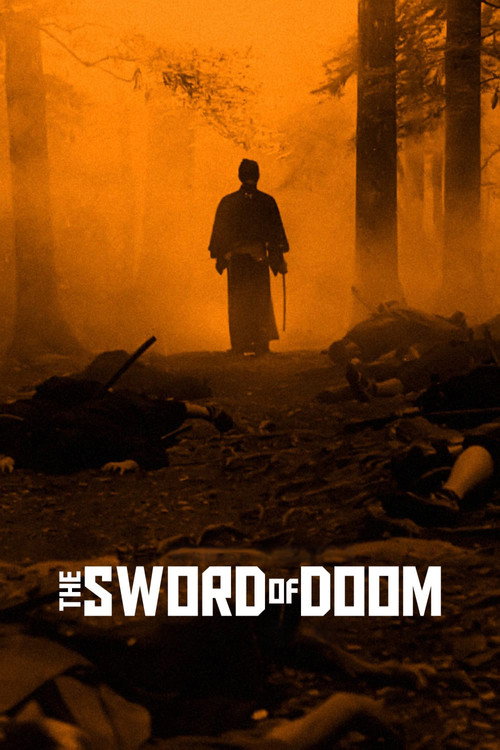
The Sword of Doom1966
Tatsuya Nakadai's ronin is utterly amoral where Zatoichi is principled—a darker, more nihilistic samurai tale that makes you reconsider what honour means. Visually stunning and genuinely unsettling.
But Slower and more meditative than Zatoichi; the bleakness can feel oppressive rather than cathartic. Some find it austere to the point of coldness.
Harakiri1962
Masaki Kobayashi's masterpiece dissects samurai culture with surgical precision. If Zatoichi's world fascinates you, this explains its moral foundations—and systematically dismantles them. Devastating and unforgettable.
But Relentlessly bleak. Long, static shots and minimal action. The emotional weight can feel exhausting rather than cathartic.

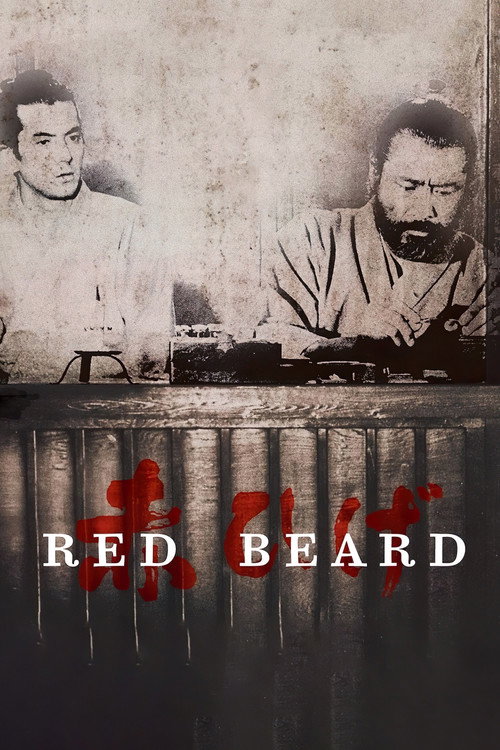
Red Beard1965
Kurosawa's final black-and-white film about compassion and duty among the powerless. Like Zatoichi, it asks whether kindness matters in a brutal world—but through a doctor rather than a swordsman. Warm where others are cold.
But Nearly three and a half hours. The episodic structure means it meanders; patience is mandatory, not optional.
Not sure tonight? Get a pick in a minute, starting from Zatoichi and the Fugitives
The wildcard
Something you would not have found on your own.
The Ballad of Little Jo1993
Both are genre films about outsiders who navigate hostile worlds through wit and careful moral choices. Both suggest that honour looks different when you're not allowed to have any.
A woman survives in the American West by disguising herself as a man. Like Zatoichi, it's about deception and survival, but it strips away the poetry—no sword fights, no honor codes, just the exhausting daily work of passing. A Western that's really about what you do to live.
But Deliberately unglamorous and slow. No action sequences or rousing moments. The tone is elegiac rather than energetic; it demands patience and rewards it quietly.

More like this (5)
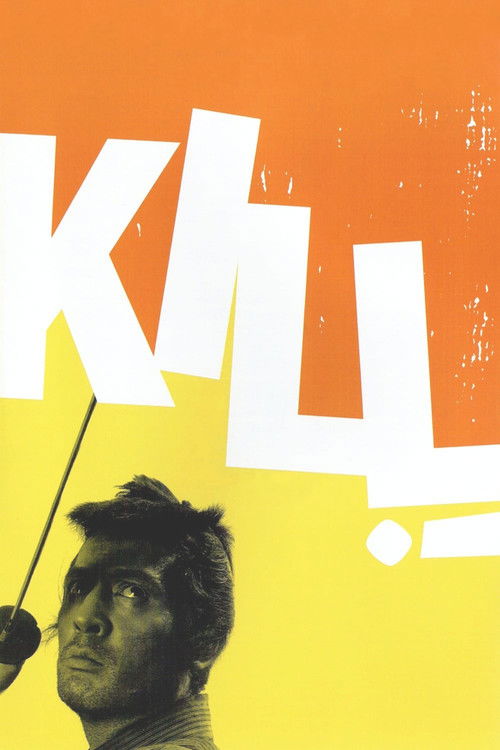
Kill!1968
Kihachi Okamoto's anarchic samurai comedy arrives the same year as this film but from a completely different angle. Gonzo, violent, hilarious—it proves the genre could contain multitudes. A tonic for anyone thinking samurai films are solemn.
But Deliberately chaotic tone jarring if you want consistency. The comedy lands unevenly; what's absurd rather than funny shifts moment to moment.
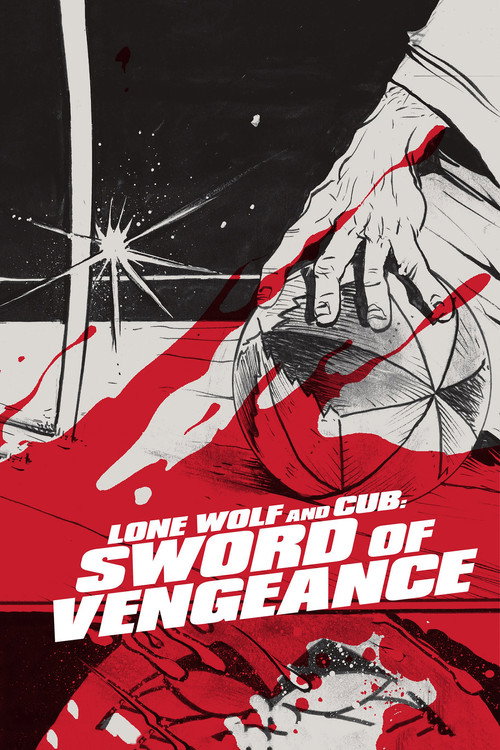
Lone Wolf and Cub: Sword of Vengeance1972
Tatsuya Nakadai again, this time as a protagonist you can root for. A tale of injustice and survival that echoes Zatoichi's moral clarity while deepening the violence. Atmospheric and propulsive without excess.
But Less polished than the best samurai films; feels like a minor entry in the genre despite its merits. Harder to find than classics.
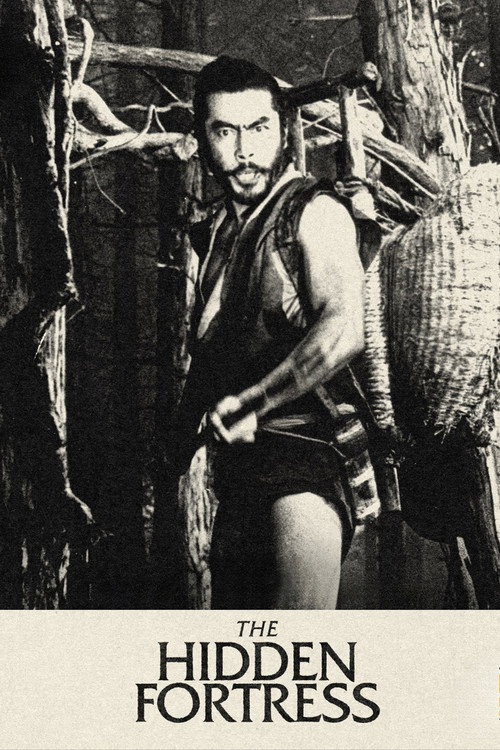
The Hidden Fortress1958
Kurosawa's adventure romp has Zatoichi's kinetic energy and moral clarity, but trades the blind swordsman's introspection for spectacle and humour. If you love genre entertainment that's also genuinely intelligent, this is essential.
But Vastly different in tone—lighter, broader, less introspective. Feels almost frivolous if you came for Zatoichi's emotional depth.
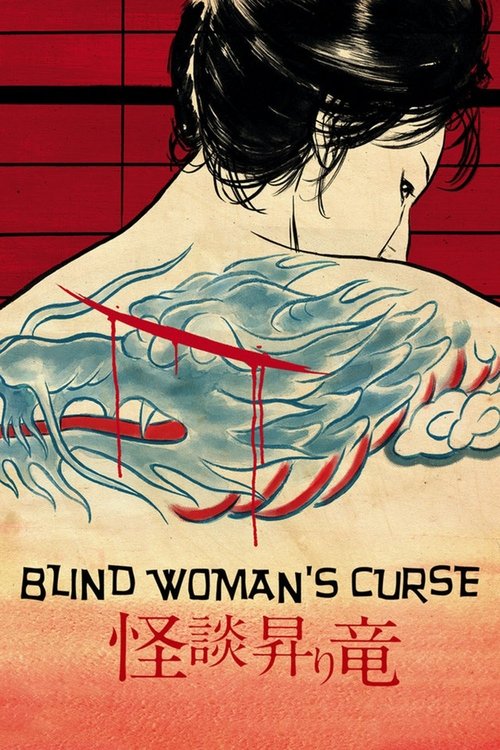
Blind Woman's Curse1970
Another blind protagonist navigates a violent yakuza underworld with unexpected grace. Exploitation cinema with real style—a fever dream where Zatoichi's world goes gothic and surreal. Fascinating precisely because it's so strange.
But Genuinely trashy in places; the sexual violence is graphic and uncomfortable. The tone veers wildly between exploitation, art, and pastiche—coherence isn't the goal.
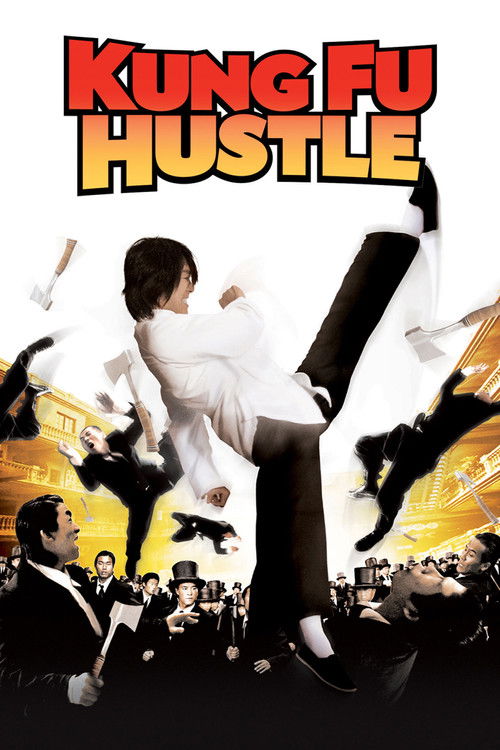
Kung Fu Hustle2004
Both use action sequences as moral argument—violence becomes the language in which principles are expressed. Both believe a fight can mean something beyond carnage.
Stephen Chow's absurdist martial arts comedy has Zatoichi's DNA—a wanderer encountering corruption, a climactic fight that settles moral questions through violence—but filtered through slapstick and surrealism. Proof that the form is alive and can contain joy alongside grace.
But Wildly silly; the tone whiplashes constantly. If you want your samurai films solemn or serious, this will feel like mockery. Chow's visual humour doesn't translate evenly to all audiences.
People
Cast
 Shintarō KatsuZatoichi
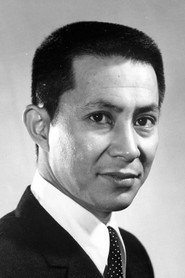 Kyōsuke MachidaOgano Genpachiro
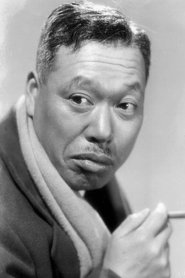 Takashi ShimuraDr. Junan
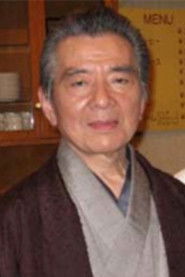 Jōtarō SenbaMinokichi
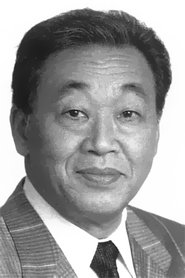 Hōsei KomatsuMatsugoro
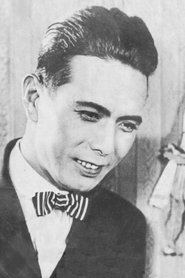 Shōzō NanbuTokuzaemon
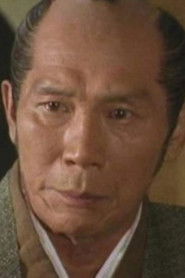 Yukio HorikitaInokichi
- Seishiro HaraSakata
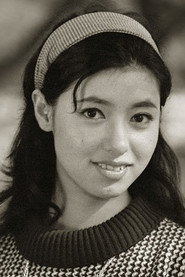 Yumiko NogawaOaki
- Kayo MikimotoOshizu
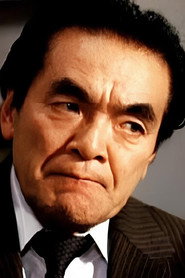 Shōbun InoueKumeji
- Hisataro HojoGenta
Directing
- Kimiyoshi YasudaDirector
Writing
- Kan ShimozawaOriginal Story
- Kinya NaoiScreenplay
Production
- Masaichi NagataExecutive Producer
- Ikuo KuboderaProducer