
Film
The 18 Bronzemen
A 1976 kung fu film where a general's son trains at Shaolin Temple to avenge his father's death during the Manchurian invasion. The 18 Bronzemen is a straightforward, beautifully shot martial arts showcase: acrobatic, violent, earnest. It's for anyone who loves hand-to-hand combat choreography and doesn't need a complex story to justify the action sequences.
If you liked this
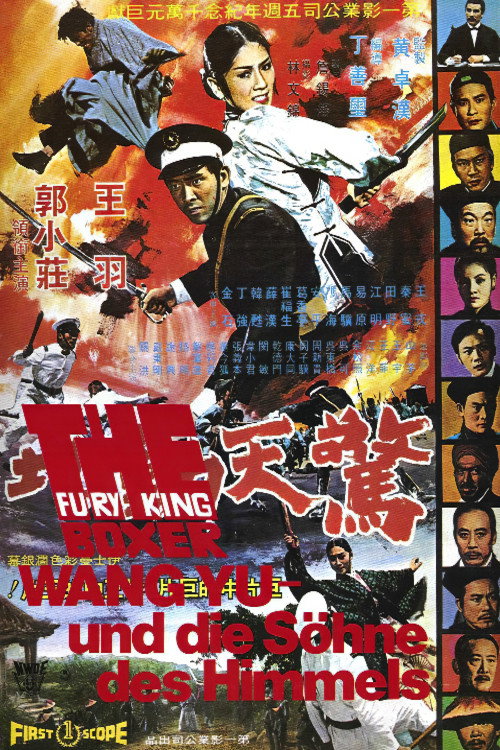
Fury of King Boxer1972
An earlier Shaw Brothers classic with the same DNA: exquisite fight scenes, clear revenge motivation, and that perfect balance of spectacle and martial discipline that made 1970s kung fu so addictive.
But The pacing is leisurely by modern standards, and the dubbing (if you watch the English version) can feel unintentionally comic.
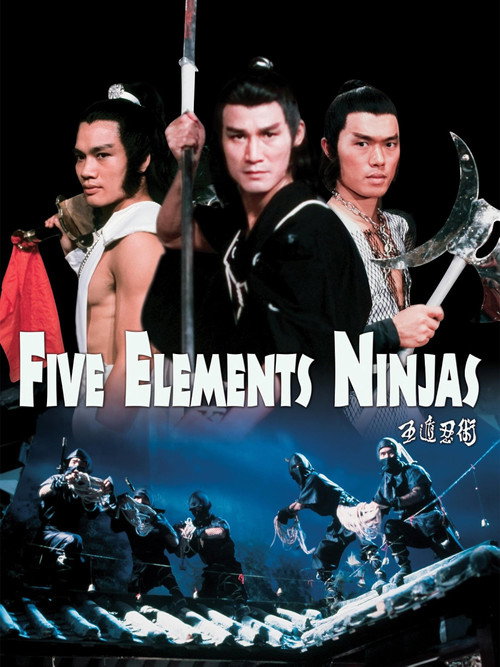
Five Element Ninjas1982
A wild Shaw Brothers film with five assassins using elemental techniques, creating fight sequences that feel almost abstract. The same era, the same visceral stunt work, the same commitment to pure martial spectacle.
But The film is genuinely bizarre in places, and the mystical elements might feel silly rather than cool depending on your mood.
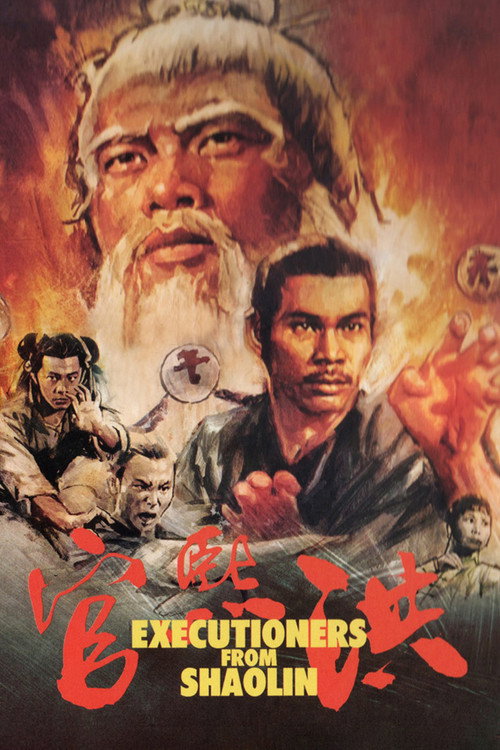
Executioners from Shaolin1977
Gordon Liu in a Shaolin origin story: brutal, concentrated fight scenes and a real emotional weight beneath the action. The choreography is tighter and more personal than The 18 Bronzemen.
But It's grimmer and less fun—focused on suffering and mastery rather than spectacle. Some viewers find that exhausting over 95 minutes.
Not sure tonight? Get a pick in a minute, starting from The 18 Bronzemen
The wildcard
Something you would not have found on your own.
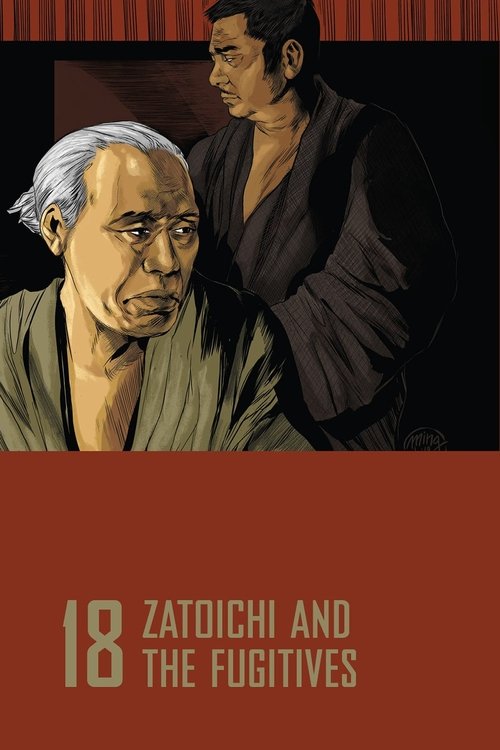
Zatoichi and the Fugitives1968
Both films are 1970s martial arts cinema using spectacular physical performance to explore mastery and revenge; they share the same DNA but different traditions. Zatoichi shows what the same impulse looks like in samurai form.
A Japanese chambara (samurai) film from the Zatoichi series: weapon work as intricate as any kung fu choreography, but with Japanese aesthetics and the cool restraint of a blind swordsman. If you love martial arts spectacle, the sword is just a different instrument.
But It's slower and more melancholic than kung fu cinema, with long stretches of atmosphere. The action is less acrobatic and more grounded in pain.
More like this (7)
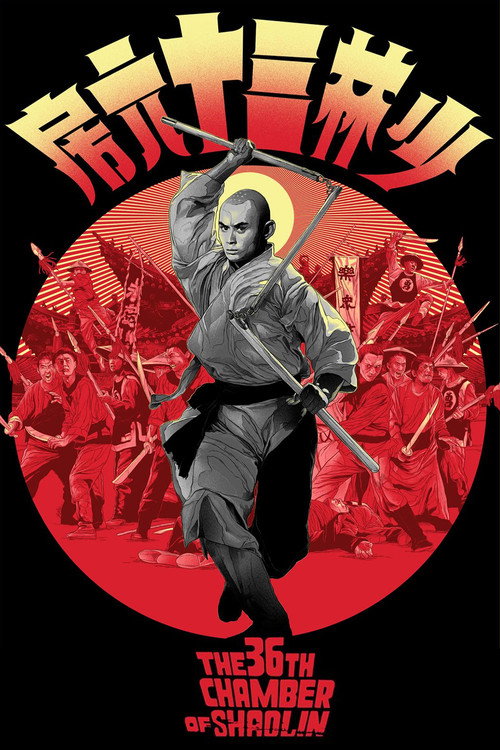
The 36th Chamber of Shaolin1978
Maybe the greatest Shaw Brothers film ever: Gordon Liu training through 35 chambers before the final revelation. The action builds methodically, and the choreography gets better as Liu improves. It's pure satisfaction.
But There's a lot of training montage, and if you're impatient, the first hour can feel repetitive. Also widely available, so you may have already seen it.
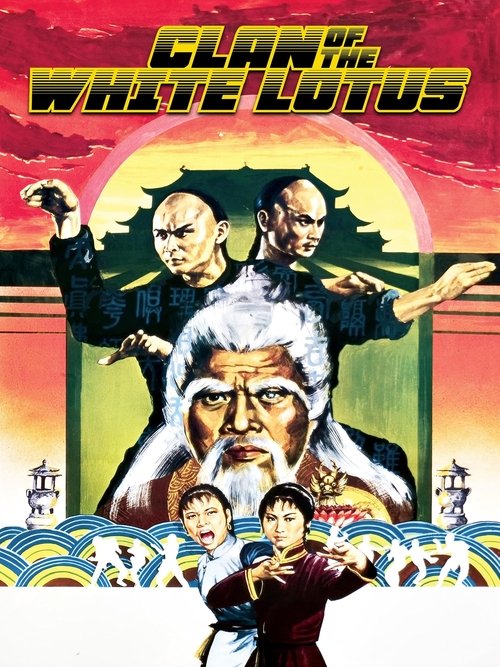
Clan of the White Lotus1980
A later Shaw film with stunning hand-to-hand work and a genuinely menacing villain. The fights have real stakes and the central duel is one of the best one-on-one sequences the studio ever filmed.
But The character development is minimal and the middle section drags. You're really watching for the fights, and they know it.
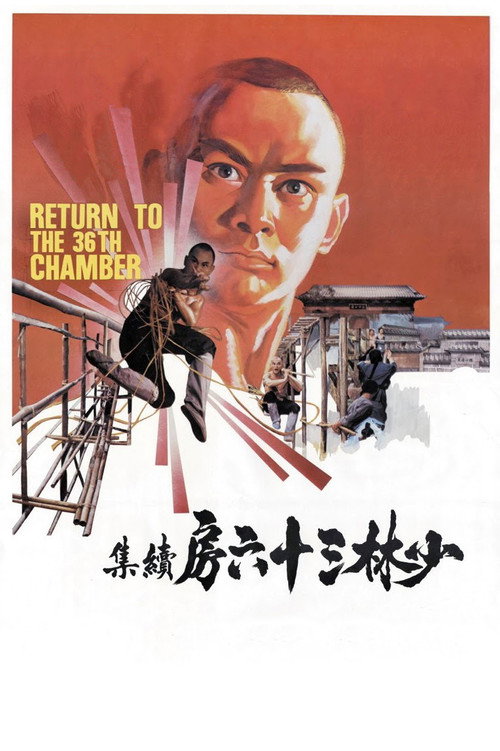
Return to the 36th Chamber1980
The comedic follow-up to The 36th Chamber: lighter, funnier, with Gordon Liu teaching villagers to fight. The choreography is just as good, and the tone is refreshingly playful.
But The comedy is broad and dated, and the plot is thin even by kung fu standards. It might feel like it's winking at you when you want spectacle.
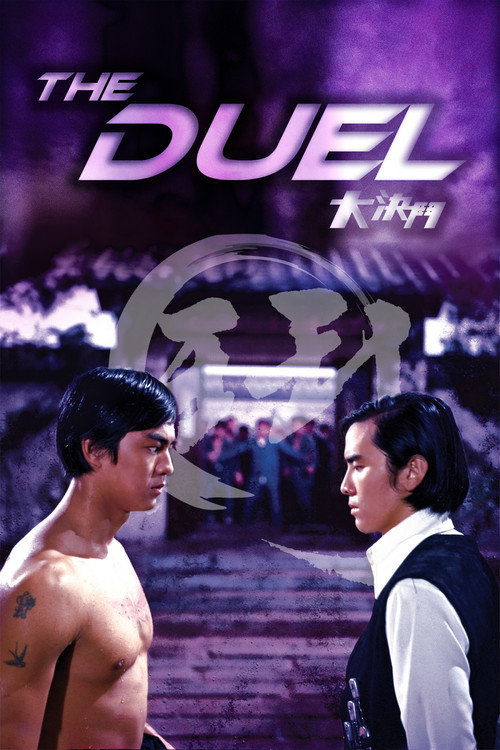
The Duel1971
An earlier Shaw Brothers revenge tale with beautiful cinematography and solid fight work. If you love The 18 Bronzemen's straightforward narrative, this delivers the same satisfaction with slightly different choreography.
But It's slower and less visually inventive. The fights, while competent, don't match the energy of the best Shaw productions.
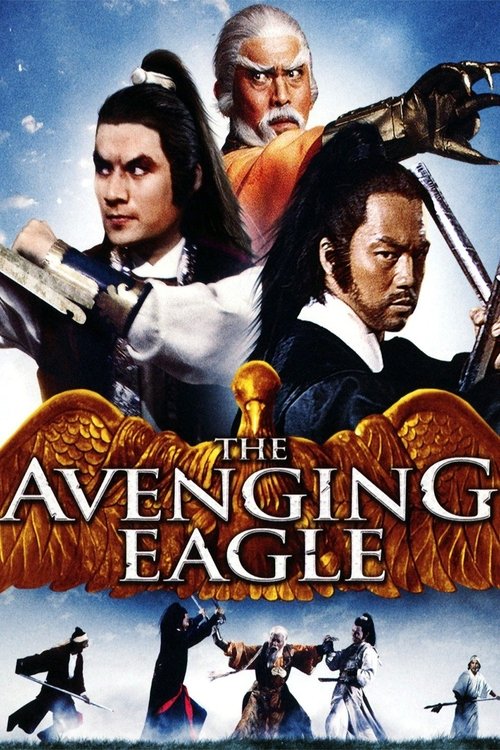
The Avenging Eagle1978
A lesser-known Shaw film about a martial artist hunting assassins. The fights are solid and there's genuine intrigue in the revenge plot, even if the story doesn't break new ground.
But It feels generic compared to the studio's best work, and the pacing is uneven. Many scenes feel like filler between action sequences.
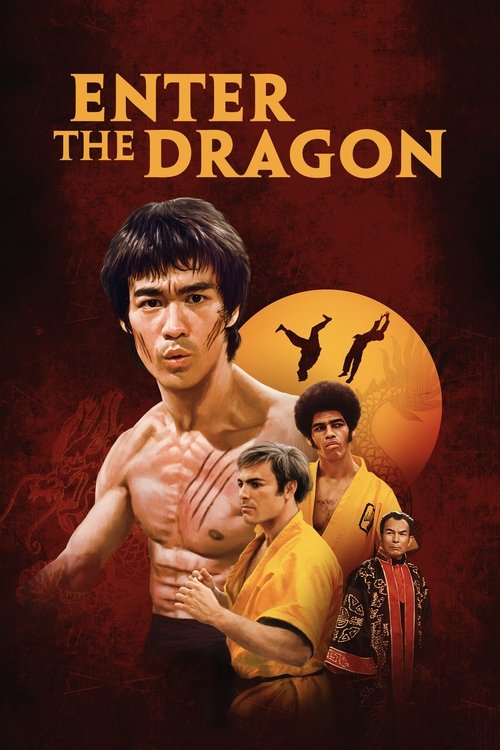
Enter the Dragon1973
Both are 1970s revenge tales set in martial arts spaces, but Enter the Dragon is sleeker, more Western, more cinematic in scale. Watching them back-to-back shows the range of what 1970s action cinema could do.
The obvious comparison point: Bruce Lee's only completed starring vehicle, made the same era as The 18 Bronzemen but in English, with a much larger budget. The choreography is faster and more ruthless; every punch feels like it would kill you.
But It's so culturally dominant that watching it now feels like watching a historical document. And if you know Bruce Lee's tragic death, the film carries a weight that can be distracting.
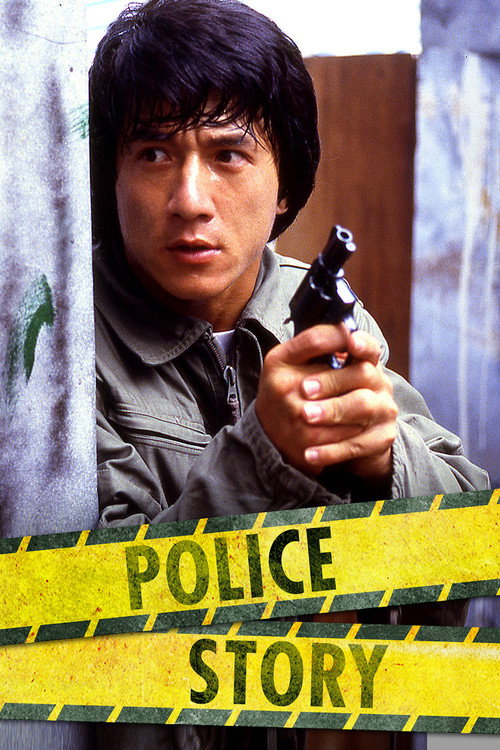
Police Story1985
Both use the body as the primary storytelling tool, but Police Story represents a different generation and philosophy: where The 18 Bronzemen is formal and controlled, this is anarchic and improvisational. Watching it shows how kung fu cinema evolved and what the genre could become.
Jackie Chan's masterpiece: jaw-dropping stunt work and hand-to-hand choreography that's faster and more inventive than either film. It's also funny, chaotic, and utterly alive in a way that changes what you expect from action cinema.
But It's a tonal whirlash—comedy, romance, and brutal violence crammed together. The plot is messy and the dubbed dialogue is atrocious. It's also a later film, so the action style is quite different from 1970s Shaw Brothers work.
People
Cast
 Carter Huang Chia-TaBrother Wan
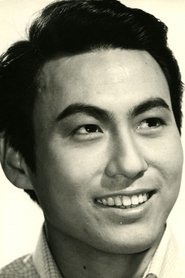 Tien PengTang Siu-Lung / Kwan Lung
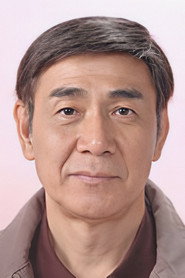 Chang YiGeneral Guan
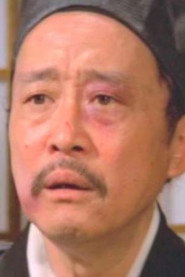 Chiang NanBrother Ta-Chi
- Yee YuenHei Chu-Ying
- Su Chen-PingFortune Teller Assassin
- Chen Bao-LiangWaiter
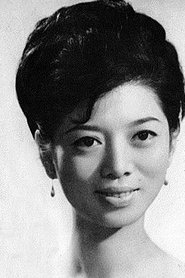 Grace Chen Shu-FangMadame Chang
 Polly Shang-Kuan Ling-FengMiss Lu
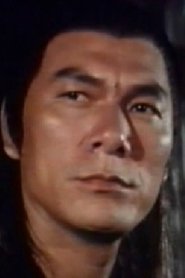 Chin KangMonk
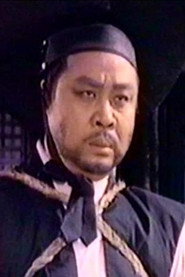 Ko Yu-MinChief Abbot
- Shao Lo-HuiAbbot
Directing
- Joseph KuoDirector
Writing
- Chang Hsin-YiWriter
- Joseph KuoWriter
- Yen ChungWriter
Production
- Joseph KuoProducer