
Film
Clan of the White Lotus
A 1980 Hong Kong martial arts film where a lone Shaolin survivor hunts down the White Lotus clan. It's built on the foundation of relentless kung fu sequences and a straightforward revenge mythology, delivered with the economical storytelling that defined the era. For viewers who want combat choreography that speaks louder than dialogue, and who believe a film's job is to justify its fight scenes rather than interrupt them.
Should you watch it?
Watch it if you like 1980s Hong Kong martial arts films where the fights are long, physical and carry a grudge, and where a lone wronged fighter grinds through training montages before the payoff.
Skip it if you want tight editing and quick cuts, since this moves at an old-fashioned pace and spends real time on the slow build of its revenge plot before the fighting gets going.
What it asks of you: Settle in for about ninety-five minutes of patient setup, then a run of confrontations that reward your attention. It asks you to accept a sincere, unhurried tone rather than irony.
Not sure? Find tonight's pick in a minute.
If you liked this
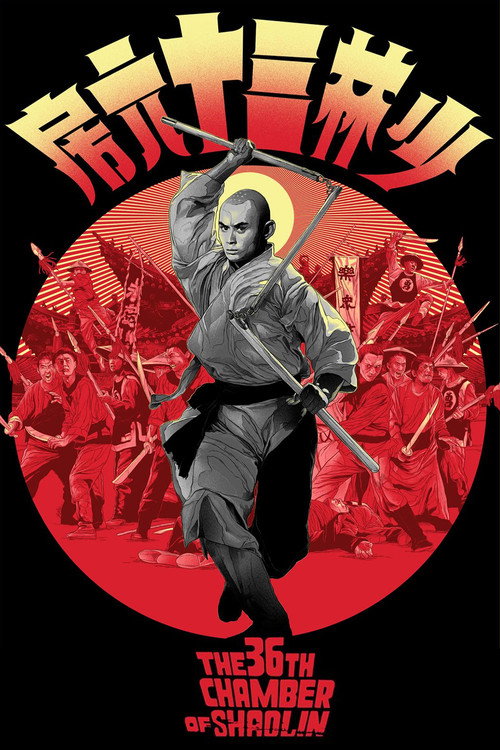
The 36th Chamber of Shaolin1978
Gordon Liu's own masterpiece, where he transforms from novice to kung fu sage across methodical training sequences. The spiritual predecessor to Clan of the White Lotus, showing why the White Lotus wanted Shaolin dead.
But Slower-paced than you might expect, with long stretches of repetitive chamber training that test patience before the final payoff.
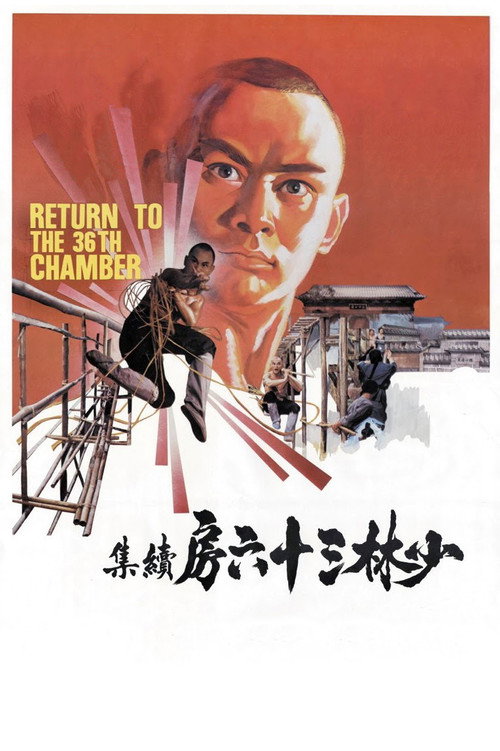
Return to the 36th Chamber1980
Liu returns in a different role, playing a trickster posing as a monk. The same year as Clan of the White Lotus, it captures the playfulness and ingenuity that made early-80s Hong Kong action cinema so vital.
But Pivots to comedy more than straight action, and the humor is rooted in physical comedy that doesn't always translate to modern audiences.
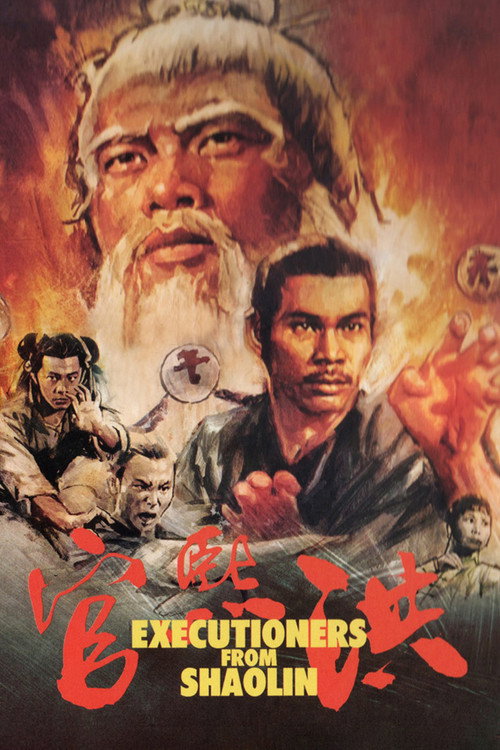
Executioners from Shaolin1977
A direct narrative ancestor—the White Lotus clan appears here too, and it explores the feuding sects with operatic intensity. Chen Kuan-tai and Wei Pei are phenomenal in roles that define the conflict.
But The print quality can be rough depending on where you find it, and the emotional beats require patience between action sequences.
Not sure tonight? Get a pick in a minute, starting from Clan of the White Lotus
The wildcard
Something you would not have found on your own.
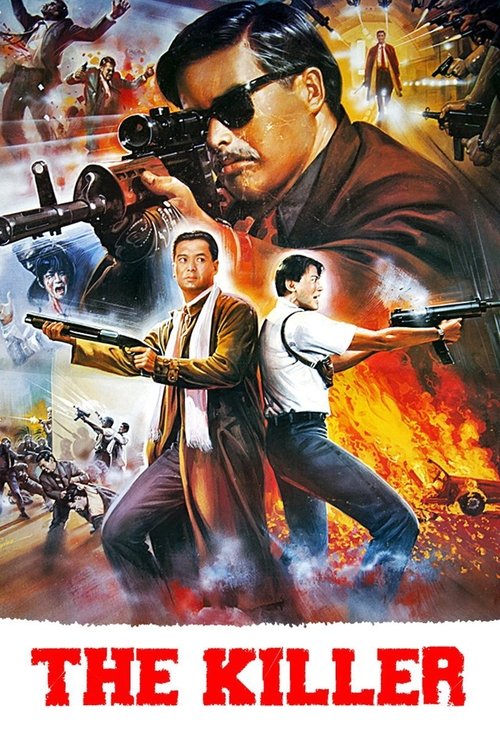
The Killer1989
Both films ask what a warrior becomes when the fighting is all that remains. Woo's version is about the spiritual cost; Liu's is about the physical perfection required. Same question, opposite amplitudes.
John Woo's operatic masterpiece about an assassin burdened by conscience. Like Clan of the White Lotus, it builds toward cathartic violence, but it interrogates the emptiness of revenge with balletic intensity and genuine emotion.
But Woo's style is maximalist—slow-motion gunfire, doves, operatic swelling—which can feel overwrought or dated depending on your tolerance for melodrama.
More like this (3)
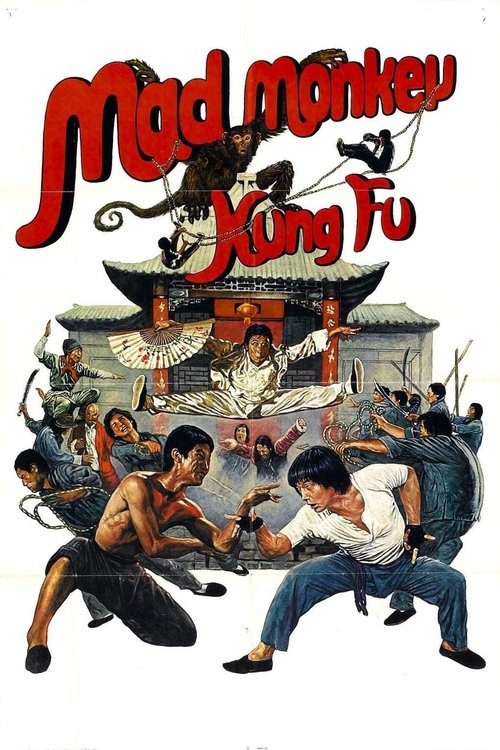
Mad Monkey Kung Fu1979
Jacky Chan at his physical peak, learning an unorthodox style from a hermit. The training sequences have the obsessive detail of 36th Chamber, and Chan's comedic timing makes the downtime feel earned.
But Tonal shifts between slapstick and violence can feel jarring, especially if you want pure revenge drama.
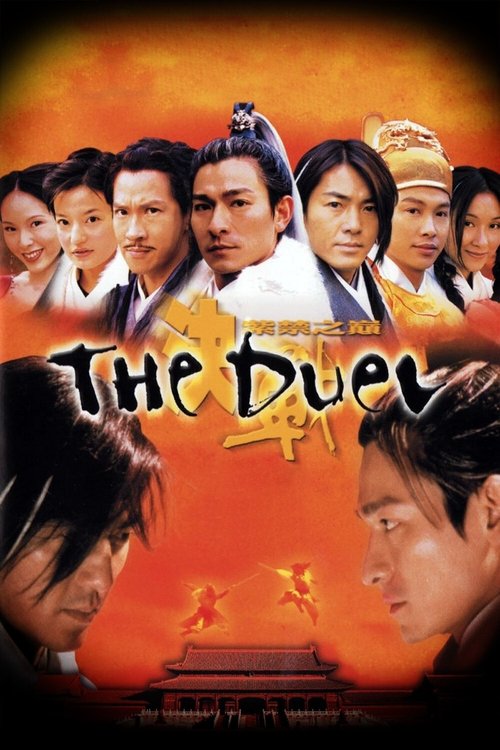
The Duel2000
A much later film, but fundamentally the same story—two masters with a grievance settle it through combat. Matthew Macfadyen brings brooding intensity to what could have been a simple vengeance tale.
But Glacially paced, treating a few minutes of swordplay as the culmination of an hour of buildup. Works only if you buy into the meditative approach.
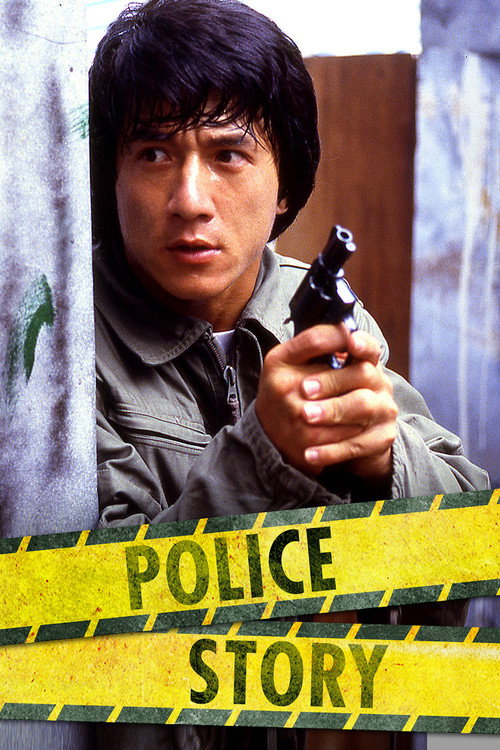
Police Story1985
Like Clan of the White Lotus, it's built on a revenge engine—but where Liu's film is about mastery through discipline, Chan's is about survival through desperation. One is contemplative, one is visceral; both arrive at violence as the only language left.
Jacky Chan as a cop whose world collapses through a false accusation and a conspiracy. The fight sequences are context-driven explosions of desperation and fury, not abstract demonstrations of skill. Watching him improvise destruction with his environment is pure cinema.
But The plot mechanics are clunky, the dialogue dubbing is sometimes laughably thin, and the tone lurches between comedy and brutal violence without settling.
People
Cast
 Gordon Liu Chia-huiHung Wei Ting
 Lo LiehPriest White Lotus
 Kara Wai Ying-hungMei Ha
 Lam Fai-WongWu Nai Shing
 Johnny Wang Lung-WeiGovernor Kao Ting Chun
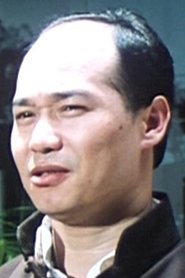 King Lee King-ChuAh Piao / Wu Ah Biu
 Yeung Ching-ChingWu Siu Ching
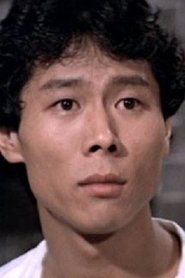 Hsiao HoPriest White Lotus's Guardian
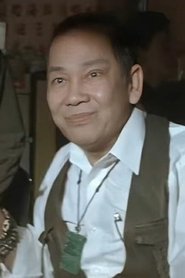 San SinPriest White Lotus's Guardian
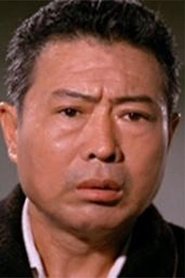 Ching MiaoPaper Shop Boss
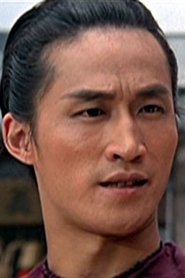 Wilson Tong Wai-ShingPriest White Brow
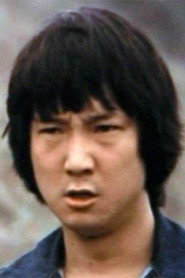 Ng Kit-KeungShaolin Student
Directing
- Huang Pa-ChingAssistant Director
- Lee Tai-HangAssistant Director
- Lo LiehDirector
- Chow Jan-WingScript Supervisor
Writing
- Huang TienScreenplay
Production
- Run Run ShawProducer
- Lawrence Wong Ka-HayProduction Manager
- Mona Fong Yat-WahProduction Manager
Recommended by
Goyokin, Five Shaolin Masters, Shaolin Mantis, The Shaolin Plot, Invincible Shaolin, Shaolin Abbot, Hand of Death, The 18 Bronzemen