
Film
Return to the 36th Chamber
A scrappy 1980 kung-fu comedy about a failed actor who cons his way into Shaolin Temple after letting down factory workers he was hired to help. It's genuinely funny, packed with inventive fight choreography, and built on the scaffolding of genuine warmth—a tale of redemption that earns its sincerity through pratfalls and flying kicks. Perfect if you want action that doesn't take itself seriously but can still take your breath away.
If you liked this
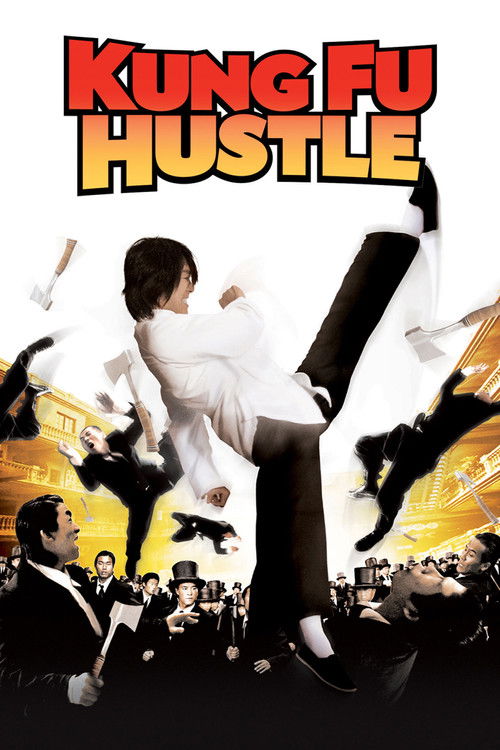
Kung Fu Hustle2004
Stephen Chow's love letter to old-school kung-fu comedy, built on the same foundation of physical humour and heart. It's whimsical and violent in equal measure, with characters you actively care about beneath the carnage.
But The tonal whiplash between slapstick and genuine bloodshed bothers some viewers. It's also relentlessly stylised, which can feel exhausting if you want something grounded.
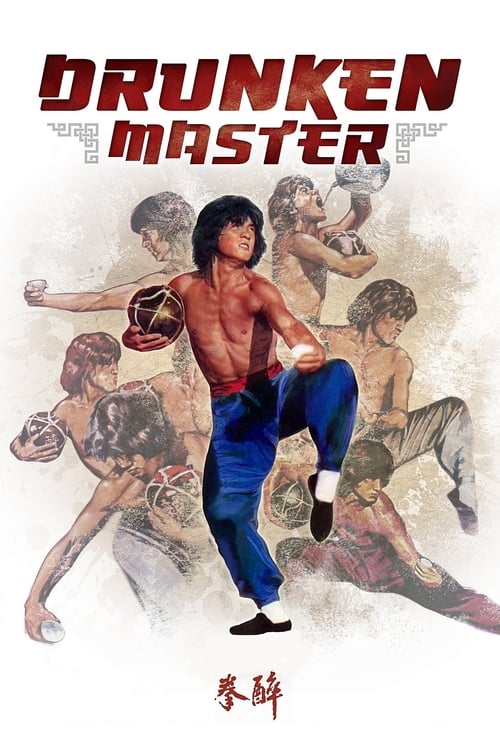
Drunken Master1978
Jackie Chan's breakthrough: a semi-competent young man trained by a drunk master who teaches through chaos and abuse. The fight choreography is exhilarating, the comedy lands, and you can feel Chan's hunger to prove himself on screen.
But It's looser and rougher than later Chan films, which some find liberating and others find unpolished. The dubbing (if you watch English) is pretty terrible.
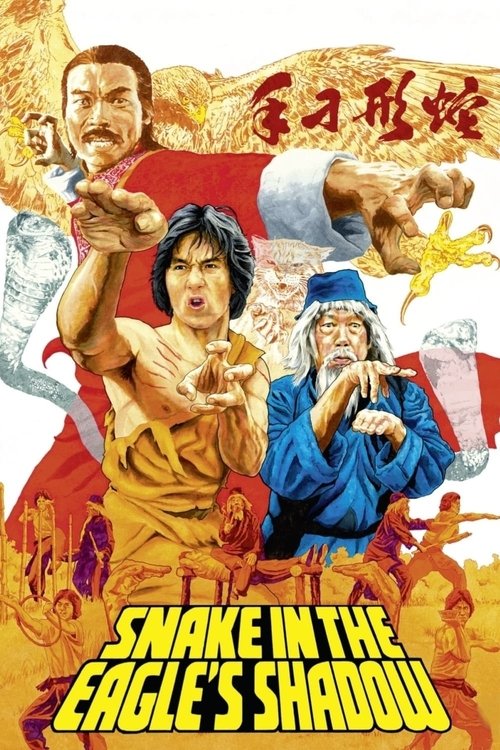
Snake in the Eagle's Shadow1978
Another early Jackie Chan gem: he's an underdog trained in secret kung-fu to avenge his master. The fight scenes are genuinely inventive, the comedy is warm rather than mocking, and Chan's physical vulnerability makes the action land harder.
But The pacing is meandering by modern standards. Some plot threads feel abandoned, and if you're expecting non-stop action you'll be disappointed by the talky middle sections.
Not sure tonight? Get a pick in a minute, starting from Return to the 36th Chamber
The wildcard
Something you would not have found on your own.
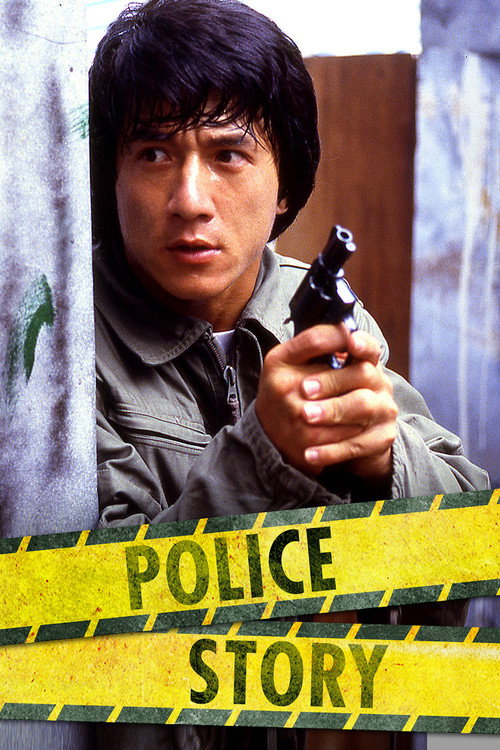
Police Story1985
Both are vehicles for physical comedy-action, but Police Story strips away the fantasy and spiritual discipline, leaving only the body against the world—a darker mirror of the con-artist-seeking-redemption arc.
Jackie Chan as a cop framed by gangsters, filmed like a procedural action thriller rather than a kung-fu fantasy. Same physical genius as the Shaolin comedies, but weaponised into something bleaker and more violent—Chan proving he could do both registers brilliantly.
But It's genuinely dark and brutal in ways that undercut the comedy. If you loved Return's warmth, this will feel like a betrayal; it's nasty where the Shaolin films are mischievous.
More like this (8)
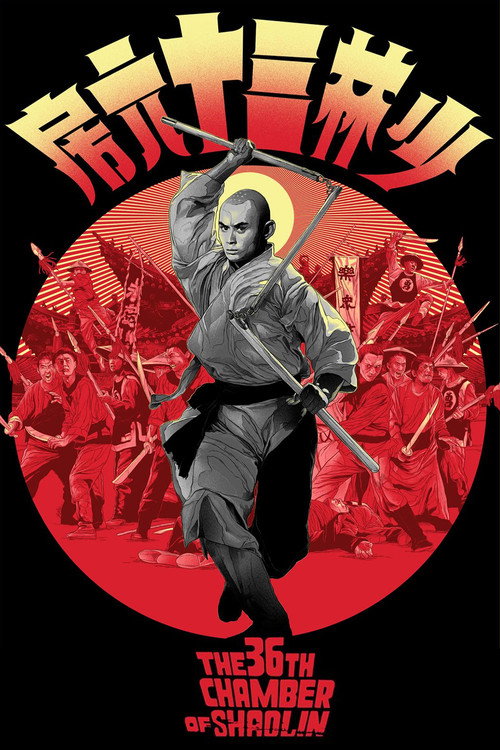
The 36th Chamber of Shaolin1978
Gordon Liu's original turn as a revolutionary trained by Shaolin monks. It's the prototype for this entire subgenre—serious about its martial arts training montages, genuinely moving, and built on real respect for the form and philosophy.
But It's quite earnest and slow by comparison, especially in the middle hour. If you want consistent laughs you'll be disappointed; the tone is contemplative and disciplined rather than comedic.
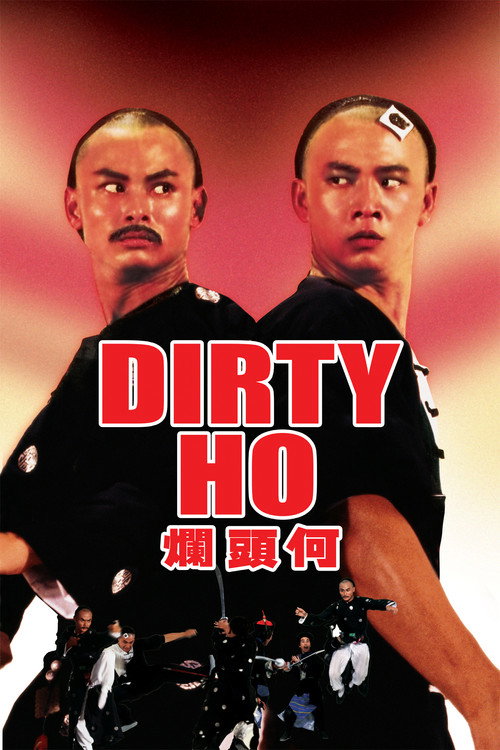
Dirty Ho1979
A prince disguises himself as a petty thief to find an assassin, leading to a partnership built on con games and high-stakes action. It's clever, funny, genuinely surprising in plot, and the fights are baroque and beautiful.
But The gender politics are questionable even by 1979 standards. The plot gets genuinely complicated and some viewers find it confusing rather than intricate.
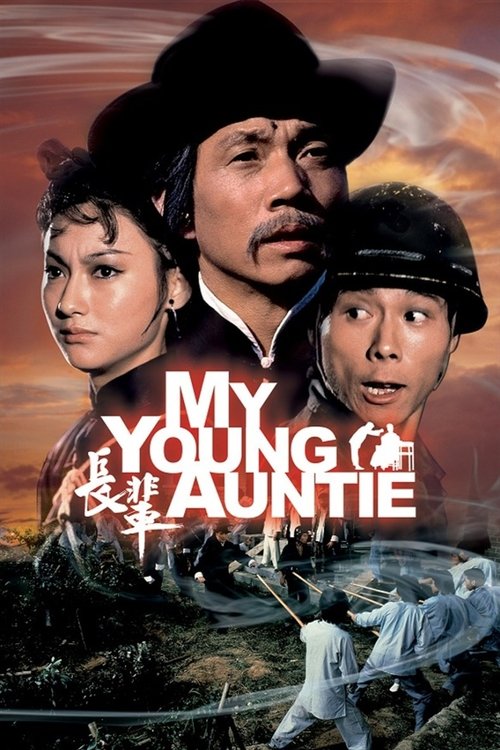
My Young Auntie1981
Kara Wai (your Return co-star) in a comedy-action film about a young woman who must defend her family's honour through kung-fu. It's warm, funny, and she's genuinely charismatic—a different kind of action comedy that still delights.
But It's lighter on action than the others on this list. If you're primarily after fight scenes rather than character comedy, you'll feel the balance is off.
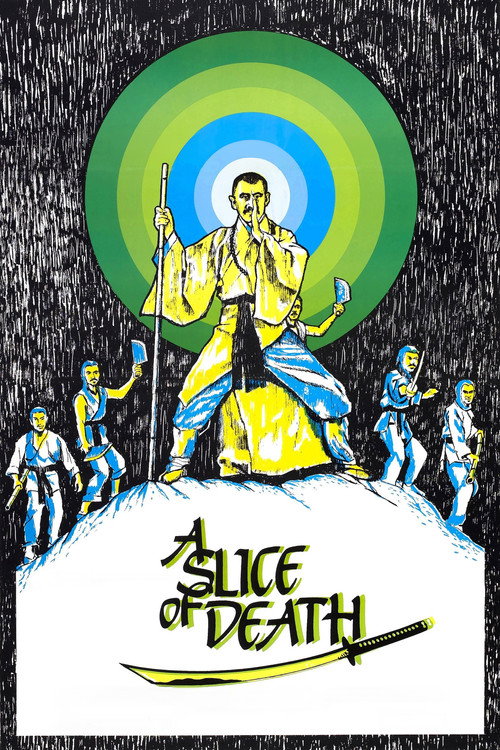
Shaolin Abbot1979
A clever con artist infiltrates Shaolin Temple with schemes that gradually collapse into genuine respect and belonging. Similar DNA to Return but with a different tone—scrappier, more anarchic in its plotting, deeply affectionate about its thieves and monks.
But The plot is genuinely hard to follow in places, and the English dubbing doesn't help. Some sequences go nowhere, which works if you're in the mood for it and frustrates if you're not.
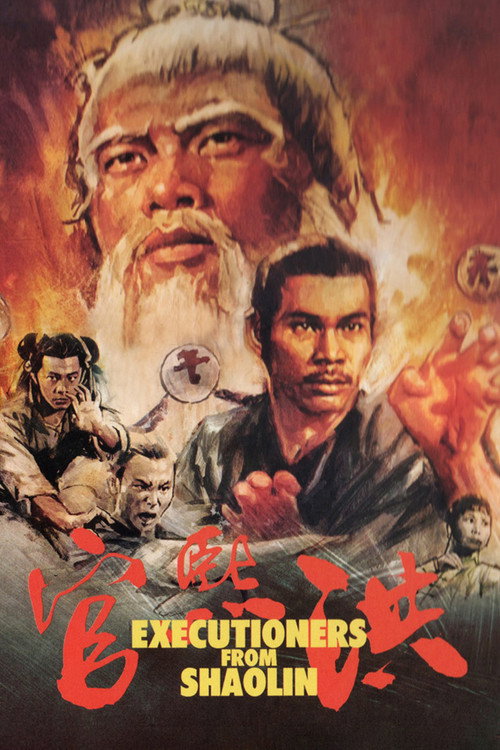
Executioners from Shaolin1977
A married couple trained in Shaolin kung-fu must teach their child to defeat an enemy. It's earnest about family, genuinely touching, with action that feels consequential and earned rather than decorative.
But It's significantly less funny than Return to the 36th Chamber. If you want action-comedy rather than action-drama, you'll find this too serious and a bit slow.
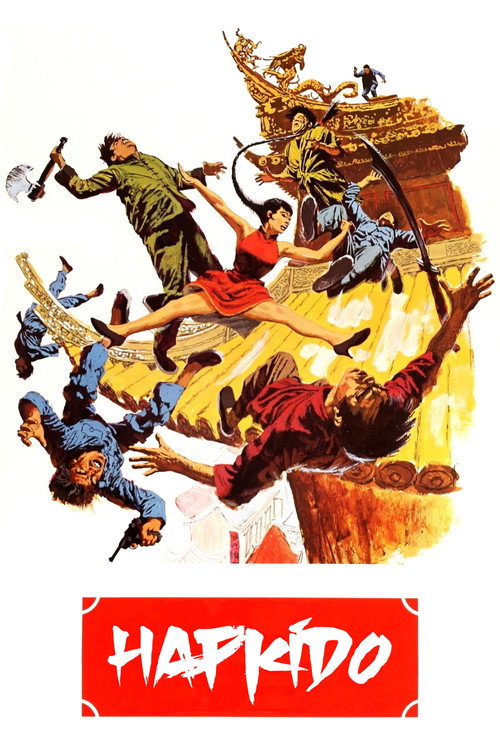
Hapkido1972
A martial arts film about Korean independence fighters that influenced the entire Shaolin-temple subgenre. The action is stunning and relatively grounded, and it has a genuine moral weight beneath the spectacle.
But It's older and moves slowly. The dubbing is rough, and the politics may feel dated or simplified depending on your patience for 1970s action cinema.
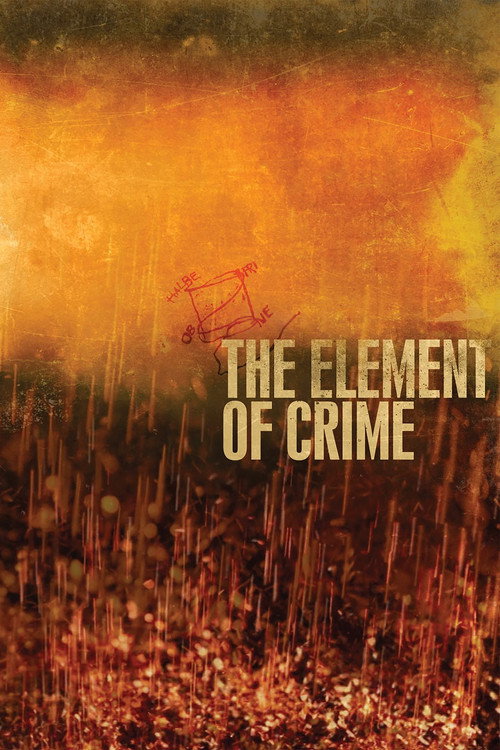
The Element of Crime1984
Both are films about a man pursuing mastery—physical or psychological—through immersion in a dangerous world. Where Return celebrates the body's potential for growth, von Trier investigates the mind's capacity for dissolution and corruption.
Lars von Trier's debut: a detective retraces a serial killer's crimes through hypnosis, shot in saturated yellows and browns like a fever dream. It's conceptually stunning, visually unlike anything else, and builds unbearable tension through pure cinema rather than plot.
But There are no fight scenes, no comedy, and no heroic redemption. It's psychologically difficult and slow, built entirely on atmosphere. If you want action and warmth, this will feel like punishment.
The Phantom Carriage1921
Both follow a flawed, resourceful man who must earn his way back to dignity through discipline and loss. Return does it with kicks and laughter; Phantom Carriage does it with ghosts and guilt. Same spiritual skeleton, entirely different body.
A Swedish masterpiece about a drunk wretch who meets ghosts on New Year's Eve and confronts who he's become. It's genuinely moving, shot with startling visual invention, and built on the same foundation of redemption-through-suffering that animates Return.
But It's silent, in Swedish, from 1921, and fundamentally a moral fable rather than entertainment. The pacing will feel glacial if you're accustomed to anything made after 1960, and there's no action to speak of.

People
Cast
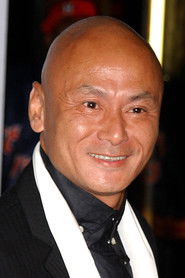 Gordon LiuChou Chun Chi
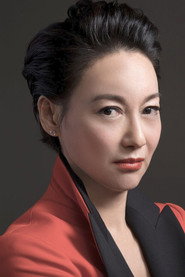 Kara Wai Ying-HungHsiao Hung
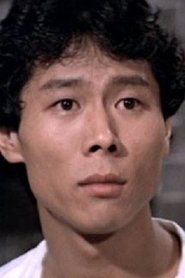 Hsiao HoAh Chao
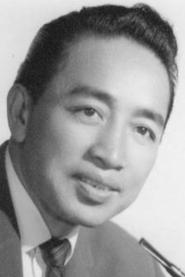 Wong Ching-HoUncle Li
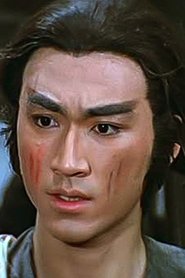 Wa LunChou Shih Sheng
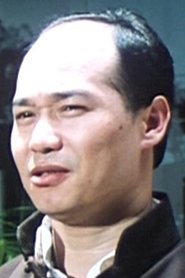 King Lee King-ChuMonk San Te
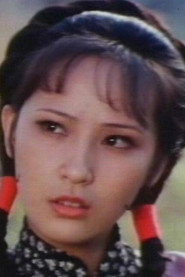 Yau Chui-LingWorker
 Chen Szu-ChiaAh Fen
- Sek GongBoss Wang's Thug
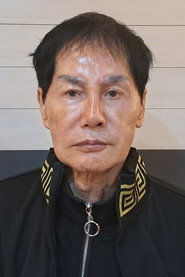 Kwon Yeong-MoonChuan Min
 Yeung Ching-ChingHsiao Ting
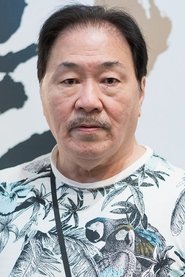 Johnny Wang Lung-WeiBoss Wang Kao Feng
Directing
- Huang Pa-ChingAssistant Director
- Lee Tai-HangAssistant Director
- Lau Kar-leungDirector
- Choi Yu-KuenScript Supervisor
Writing
- Ni KuangScreenplay
Production
- Run Run ShawProducer
- Mona Fong Yat-WahProduction Manager
Recommended by
The 8 Diagram Pole Fighter, Disciples of the 36th Chamber, Dirty Ho, Invincible Shaolin, Legendary Weapons of China, Clan of the White Lotus, The 18 Bronzemen, The Kung Fu Instructor