
Film
The Element of Crime
- Serial killer
- Detective mystery
- Very dark
Lars von Trier's debut is a hypnotic, formally audacious crime thriller about a detective using psychological immersion to hunt a serial killer. Shot in sickly yellows and blues, it's deliberately artificial—more dreamlike fever than procedural. For those fascinated by moral ambiguity, visual precision, and cinema that refuses to be comfortable.
If you liked this
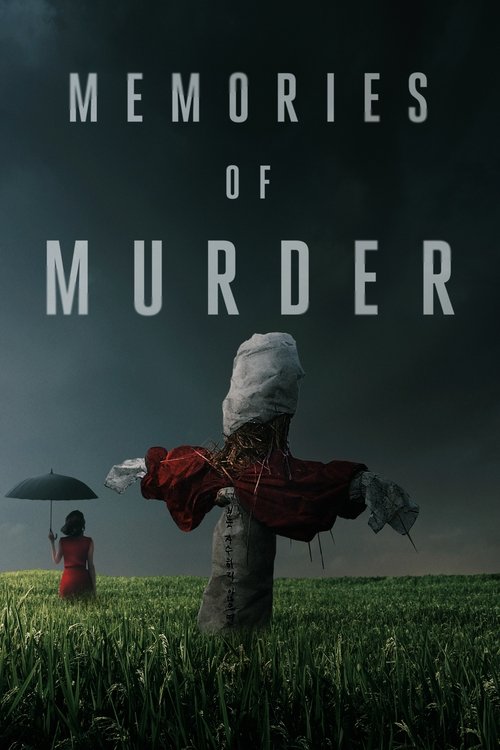
Memories of Murder2003
Bong Joon-ho's masterpiece about detectives pursuing a serial killer in 1980s South Korea. Like The Element of Crime, it explores how obsession warps investigation, and whether understanding evil requires becoming it.
But The investigation drags without resolution, which is partly the point but still punishing. Three hours of mounting dread isn't everyone's evening.
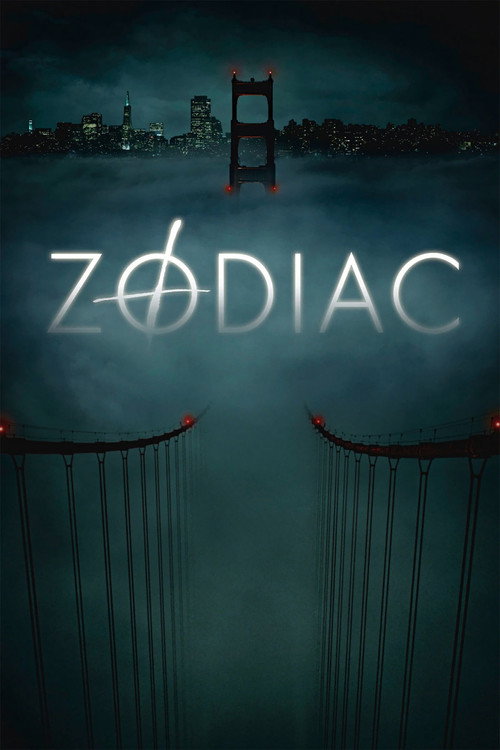
Zodiac2007
Fincher's meticulous study of two obsessed men tracking the Zodiac killer across decades. Both films share the idea that hunting a killer can consume and corrupt the hunter. Visual precision meets psychological descent.
But Glacially paced, heavy on methodology over plot. The ending frustrates people who need closure in the shape of a traditional thriller.
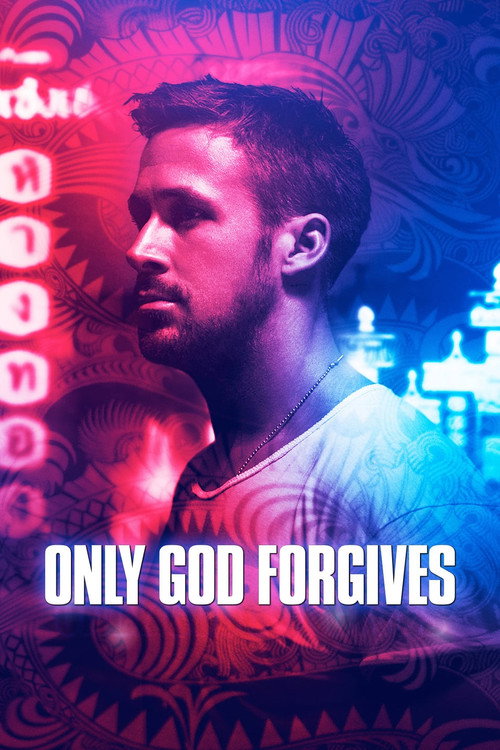
Only God Forgives2013
Von Trier reunites with star Ryan Gosling in another morally murky crime film steeped in neon and dread. It's similarly hypnotic, built on atmosphere and visual language rather than conventional narrative.
But Plotless stretches of silence and staring. Feels deliberately obtuse at times. Not designed to make you feel good or satisfied.
Not sure tonight? Get a pick in a minute, starting from The Element of Crime
The wildcard
Something you would not have found on your own.
Possession1981
Both are formally experimental European crime/psychological films that reject naturalism entirely, using heightened artificiality and colour palettes to suggest internal corruption rather than external plot.
Zulawski's baroque horror-thriller where a marriage implodes in Berlin amid literal and psychological possession. Shares Element of Crime's deliberate artificiality—overwrought performance, sickly colour, and the sense you're watching a fever dream rather than realism. Alien and unforgettable.
But Hysterical performances and surrealist grotesquerie will strike many as ridiculous rather than affecting. Also genuinely disturbing body-horror elements.

More like this (8)
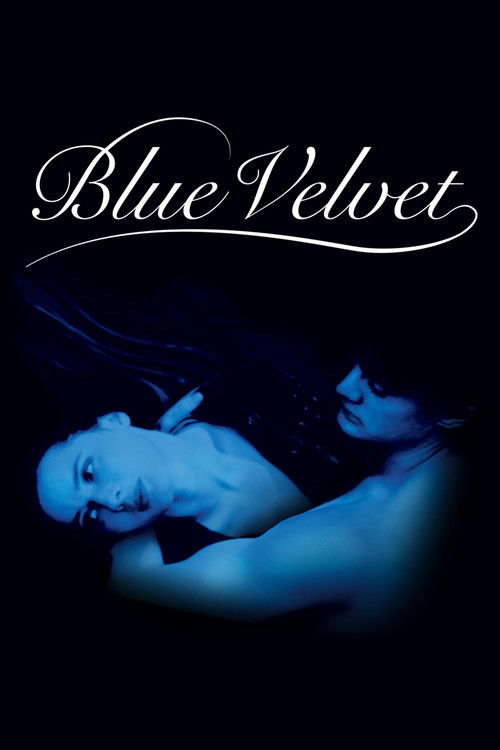
Blue Velvet1986
Lynch's descent into a small town's violent underbelly when a curious young man investigates a mystery. Shares The Element of Crime's logic: the deeper you look into darkness, the more it contaminates you. Surreal and genuinely unsettling.
But Gratuitously violent and sexual. Some moments exist purely to disturb, which can feel exploitative rather than purposeful.
Stalker1979
Tarkovsky's slow, philosophical science-fiction meditation on obsession and desire. Not about crime, but structurally similar: a guide leading people toward something dangerous, with reality becoming increasingly unreliable.
But 163 minutes of deliberate, meditative pacing. If you're expecting action or plot momentum, this will feel like punishment.

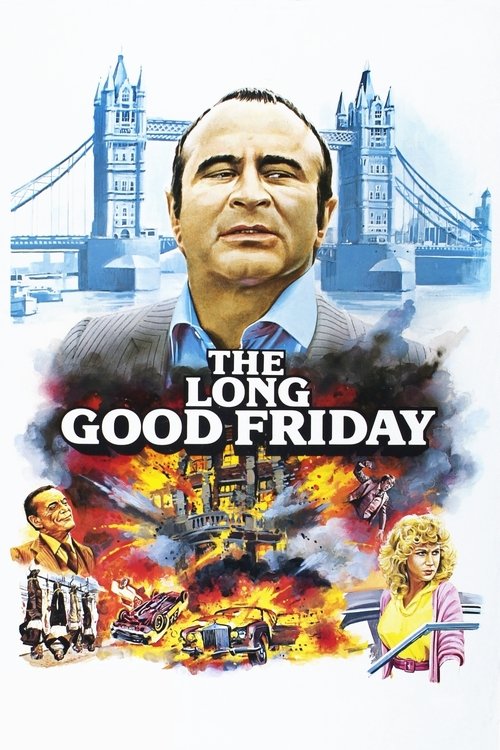
The Long Good Friday1980
A crime boss's Easter weekend spirals into paranoia and violence as he tries to identify an unseen enemy. Raw, kinetic energy and moral corruption. More conventional than Element of Crime but same DNA: criminal psychology and urban decay.
But Quite dated in style now. The 1980s British crime aesthetic doesn't age as gracefully as some prefer.
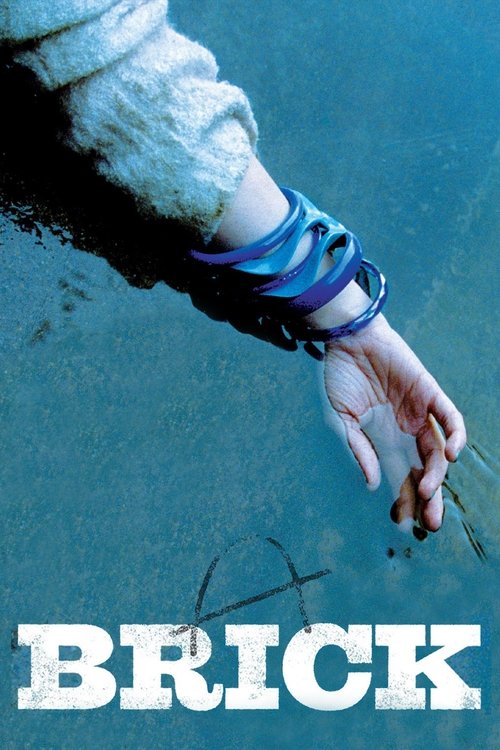
Brick2006
A high school noir where a student investigates his ex-girlfriend's murder using hard-boiled detective logic. Both share: stylised colour palettes, unreliable narrators, and a sense that the investigation is as corrupting as it is revealing.
But The high school setting can feel gimmicky. Some find the noir-speak in a modern school pretentious.
The Killing1956
Kubrick's fractured, non-linear heist-crime film. Like Element of Crime, it uses fragmented narrative and visual control to suggest psychological distortion. A procedural that prioritises mood and form over conventional storytelling.
But The storyline can be hard to follow deliberately. Black-and-white and glacial pacing feel archaic to modern viewers.

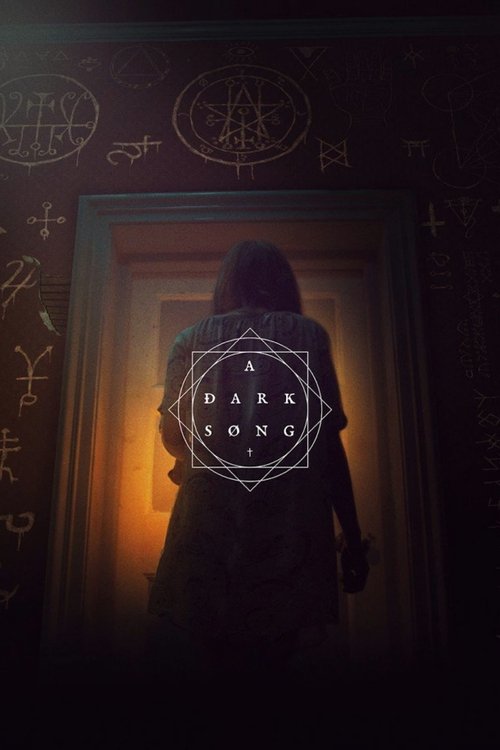
A Dark Song2016
A widow and an occultist undergo a ritualistic process seeking supernatural intervention. Both films share obsessive psychological descent and visual strangeness. Slow-burn and visually distinctive, with genuine emotional weight beneath the formalism.
But Extremely slow and meditative. The supernatural framework may alienate those wanting grounded crime narrative.
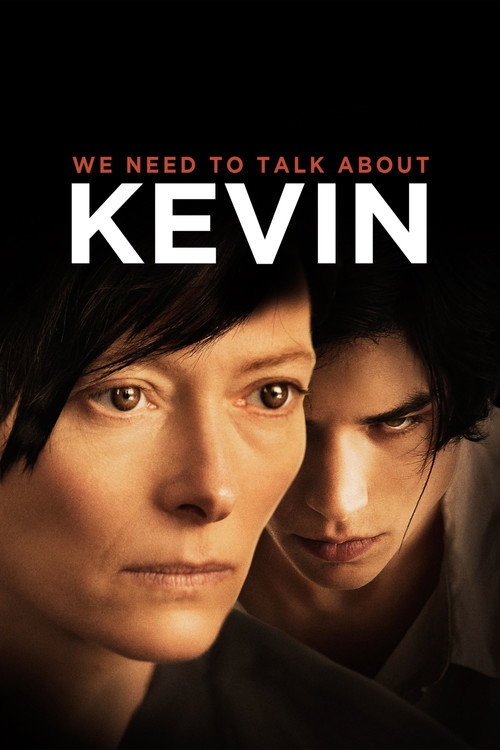
We Need to Talk About Kevin2011
Both immerse themselves in the psychology of violence through fragmented, stylised narrative. Both ask whether empathy with killers is understanding or complicity. Both prioritise formal beauty over audience comfort.
Lynne Ramsay's fragmented, visually stunning film about a mother confronting her son's heinous crime. Non-linear narrative, deliberate aesthetic control, and the moral queasiness of trying to understand a killer's mind. British crime cinema that's intensely personal and formally radical.
But Extremely bleak with no catharsis. Some scenes of child cruelty are difficult. Many find it punitive rather than illuminating.
A Prophet2009
Both trace the psychological transformation of a protagonist who enters and becomes corrupted by a criminal system. Both argue that understanding crime means becoming complicit in it. Opposite aesthetics, identical moral question.
Jacques Audiard's prison thriller following a young man's rise within the criminal system. Where Element of Crime was surreal and abstract, this is visceral and social-realist. But both explore how immersion in criminal thinking reshapes identity. Urgent, masterfully acted, absolutely gripping.
But French language and lengthy at 155 minutes. Prison violence depicted unflinchingly. Some find the pacing deliberately slow in spots.

People
Cast
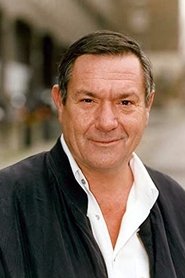 Michael ElphickFisher
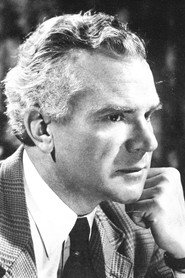 Esmond KnightOsborne
 Me Me LaiKim
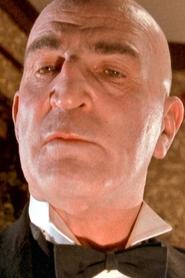 Jerold WellsKramer
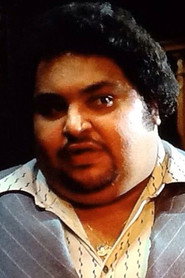 Ahmed El ShenawiTherapist
 Astrid Henning-JensenHouse Keeper
- Janos HerskoCoroner
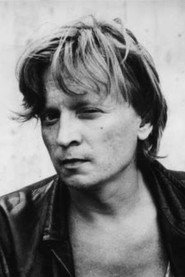 Stig LarssonCoroner's Assistant
- Harry HarperPortier 1
- Roman MoszkowiczPortier 2
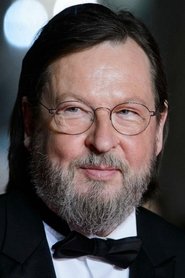 Lars von TrierSchmuck of Ages
- Frederik CasbyWhite Policeman
Directing
- Åke SandgrenAssistant Director
- Stine Monty FreddieContinuity
- Lars von TrierDirector
- Åke SandgrenSecond Unit Director
Writing
- Lars von TrierScreenplay
- Niels VørselScreenplay
Production
- Liz CassidyCasting
- Per HolstExecutive Producer
- Jan Richter-FriisProduction Assistant
- Per ÅrmanProduction Manager
- Sanne Arnt TorpProduction Manager
Recommended by
Royal Warriors, Return to the 36th Chamber, Landscape After Battle, Zakhmi Aurat