
Film
Landscape After Battle
- War drama
- Very dark
Landscape After Battle finds the strange cruelty of liberation itself: concentration camps are freed, but survivors are herded into displaced-persons camps while the Allies sort out what to do with them. A young poet adrift in this chaos meets a determined Jewish woman who wants to escape west together, but he's too damaged, too angry, too lost to meet her need for connection. A raw, unsentimental look at how trauma fractures people even when the worst is technically over.
If you liked this
Come and See1985
Elem Klimov's Belarusian masterpiece follows a boy conscripted into the Soviet army during WWII's final months. Like Landscape, it refuses the dignity of heroism and shows war as it actually annihilates people, not transforms them.
But Genuinely difficult to watch—not manipulatively so, but because it doesn't offer catharsis or meaning to violence. Very bleak.

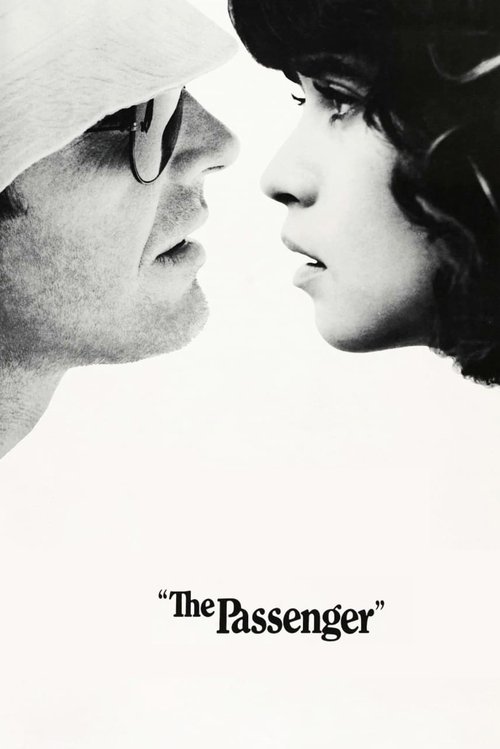
The Passenger1975
Antonioni's film about a man who assumes a dead stranger's identity has the same sense of someone untethered, unable to connect, drifting through spaces that should feel liberating but feel hollow instead.
But It's oblique and glacially paced. If you want narrative momentum or emotional clarity, this will frustrate you.
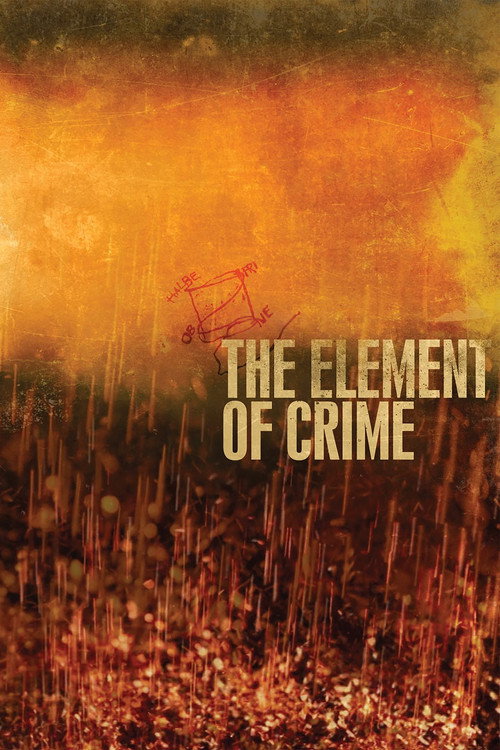
The Element of Crime1984
Agnieszka Holland's film follows a Jewish boy passing as German during the war, and like Landscape, it explores how survivors navigate identity and desire and safety in the rubble, where nothing feels solid.
But It moves between tones and sometimes leans into darker comedy in ways that might feel tonally uncertain if you're not prepared for it.
Not sure tonight? Get a pick in a minute, starting from Landscape After Battle
The wildcard
Something you would not have found on your own.
The Ascent1977
Both are unflinching post-war European films about survivors adrift in landscapes that should feel like liberation but feel like continued captivity—moral, spiritual, or circumstantial.
Larisa Shepitko's final film (she died in a car crash days after completing it) follows two Soviet partisans after the war, moving through a devastated landscape toward a village, wrestling with faith and betrayal. Like Landscape, it finds spiritual crisis in physical displacement—people untethered not just geographically but morally.
But It's a Soviet film in black and white, shot in a deliberately stark and symbolic style. If you need naturalism, you won't find it.

More like this (6)
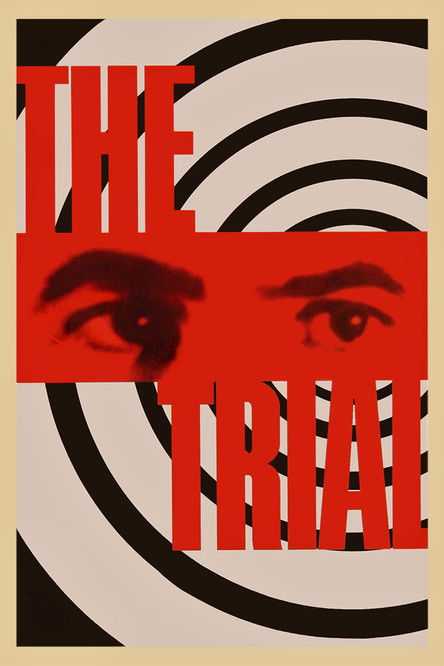
The Trial1962
Welles's adaptation of Kafka captures that same sense of being trapped in bureaucratic systems that don't make sense, even when—or especially when—you're technically free to leave.
But It's a Kafka adaptation from 1962: deliberately disorienting and abstract. Not for viewers who need plot clarity.
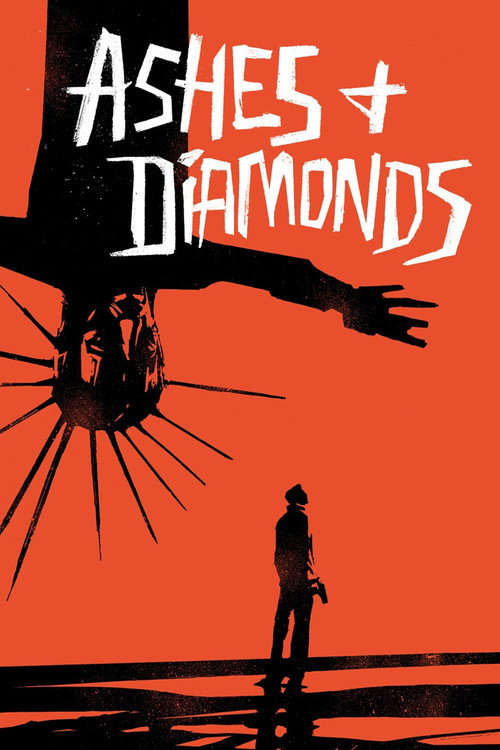
Ashes and Diamonds1958
Wajda's Polish masterpiece, made just twelve years before this film, shows post-war Poland in moral chaos as well—young resistance fighters unsure what they're fighting for anymore, caught between ideologies and desire.
But It's in Polish and benefits from knowing Polish post-war history. The political context is dense.
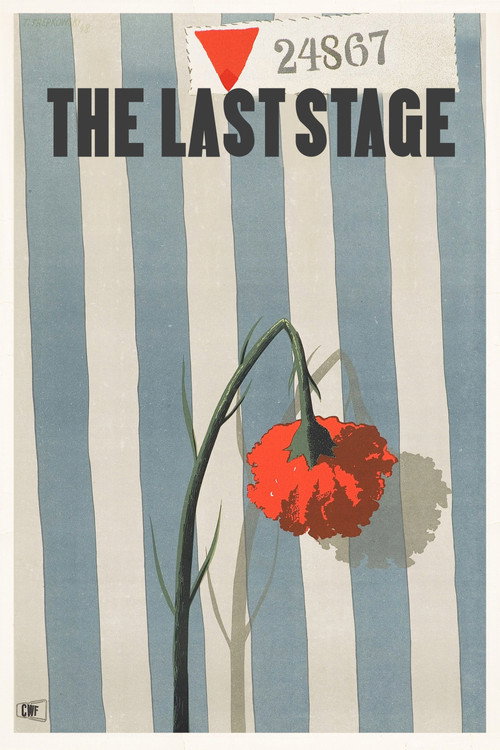
The Last Stage1948
Another Polish film about concentration camp liberation, directed by a survivor, it shares Landscape's refusal to mythologize survival or offer easy redemption narratives about the camps.
But It's an early post-war film and shows its age technically. Some may find the acting style dated.
Stalker1979
Tarkovsky's meditative science-fiction film has the same quality of people moving through liminal spaces, unable to want what they think they want, trapped by desire itself rather than external forces.
But At 163 minutes, it moves at a glacial pace. Long stretches with minimal dialogue. Demands active patience, not passive watching.

Branded to Kill1967
Both examine how damage—whether from war or violence—leaves survivors unable to feel or desire in ways that matter. Both are formally restless in their approach.
Masaki Kobayashi's surreal yakuza film is about a man who has killed so many people that killing has become the only thing that makes him feel alive. It's formally experimental and deeply strange, but it shares Landscape's interest in how trauma and violence damage the capacity to connect or want anything real.
But It's a Japanese noir from 1967, stylistically very weird, and the plot is deliberately difficult to follow. It's not conventional narrative cinema.

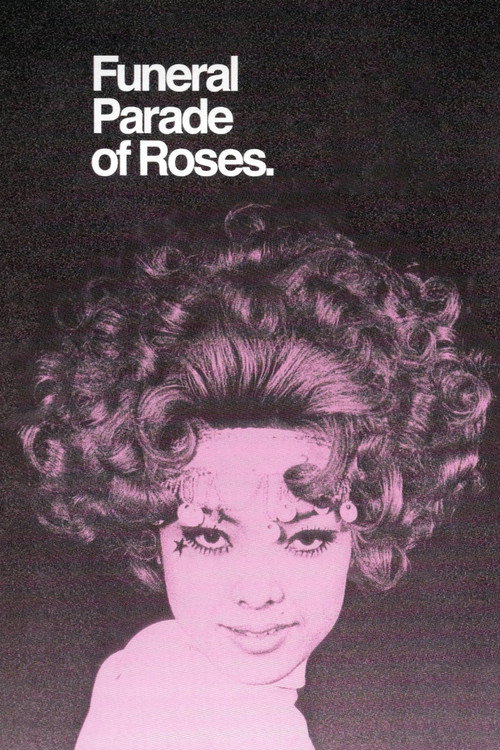
Funeral Parade of Roses1969
Both films are structurally fragmented and resist narrative cohesion because their subjects can't cohere either. Freedom doesn't fix brokenness; it just makes it visible in new ways.
Matsumoto's avant-garde film about a gay man in Tokyo's underground, filmed almost the same year as Landscape, is formally wild and tonally fractured, but it's about someone adrift in freedom, unable to connect despite wanting to, trapped by their own needs and damage in ways that feel both comic and tragic.
But It's an avant-garde film from 1969 that doesn't follow plot logic. It's formally very strange and some imagery is disturbing. Definitely not mainstream.
People
Cast
 Daniel OlbrychskiTadeusz

 Aleksander BardiniProfessor
 Tadeusz JanczarKarol
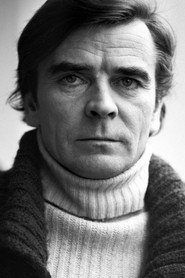 Zygmunt MalanowiczPriest - Editor
 Mieczysław StoorEnsign
 Leszek DrogoszTolek
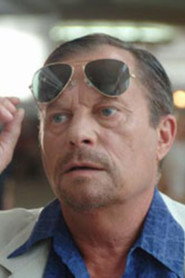 Stefan FriedmannCygan
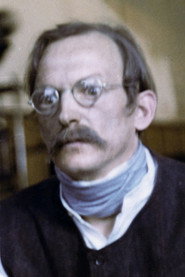 Jerzy ObłamskiPrisoner
 Jerzy ZelnikAmerican Commander
 Małgorzata BraunekGerman Woman on Bicycle
 Anna GermanAmerican
Directing
- Jerzy ObłamskiAssistant Director
- Krystyna GrochowiczAssistant Director
- Andrzej WajdaDirector
- Jan BudkiewiczFirst Assistant Director
Writing
- Andrzej BrzozowskiScreenplay
- Andrzej WajdaScreenplay
- Tadeusz BorowskiShort Story
Production
- Janina KrassowskaAssistant Production Manager
- Janusz SzelaAssistant Production Manager
- Wiesława BoreckaAssistant Production Manager
- Zbigniew RonertAssistant Production Manager
- Barbara Pec-ŚlesickaProduction Manager