
Film
The Last Stage
Filmed in 1948 by two Auschwitz survivors, this stark Polish drama documents the daily mechanics of the camp through the eyes of an interpreter navigating impossible choices. It's unflinching without being sensational, focused on what people do when systems strip away all alternatives. Essential witnessing, and a direct historical document from those who lived it.
Should you watch it?
Watch it if you want a film made close to the events it depicts, one that shows the daily machinery of the camp through quiet observation and moral compromise rather than spectacle.
Skip it if you need spectacle or a brisk, clearly shaped plot, since its power builds from accumulated detail and restraint, and its pacing can feel deliberate at times.
What it asks of you: Settle in for about an hour and three-quarters of patient, unhurried scenes, with long stretches of routine and little relief between the moments of tension.
Not sure? Find tonight's pick in a minute.
If you liked this
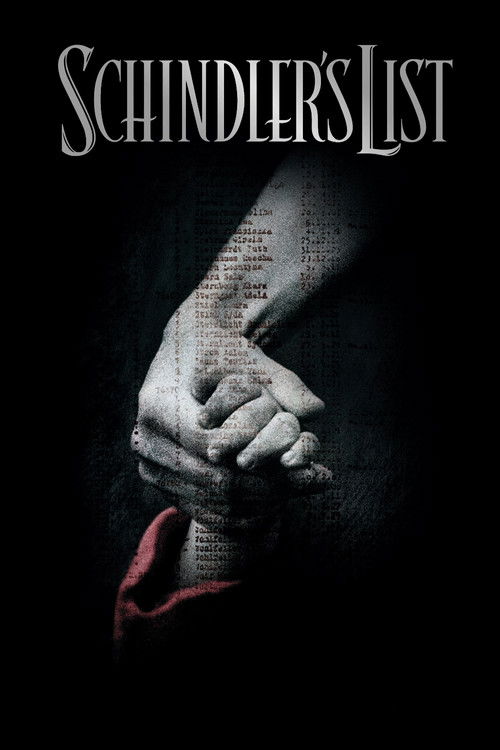
Schindler's List1993
Spielberg's monumental account of rescue amid genocide, anchored by Liam Neeson's performance as a man whose factory becomes an ark. Morally intricate and visually devastating.
But At three hours and deeply dark, it demands emotional surrender. Some find the framing device manipulative.
Night and Fog1956
Alain Resnais's 32-minute essay moves between Auschwitz then and now, asking how a place of such horror becomes a tourist site. Poetic and philosophically crushing.
But It's brief but dense, more essay than narrative. Some find its artistic distance from suffering troubling.
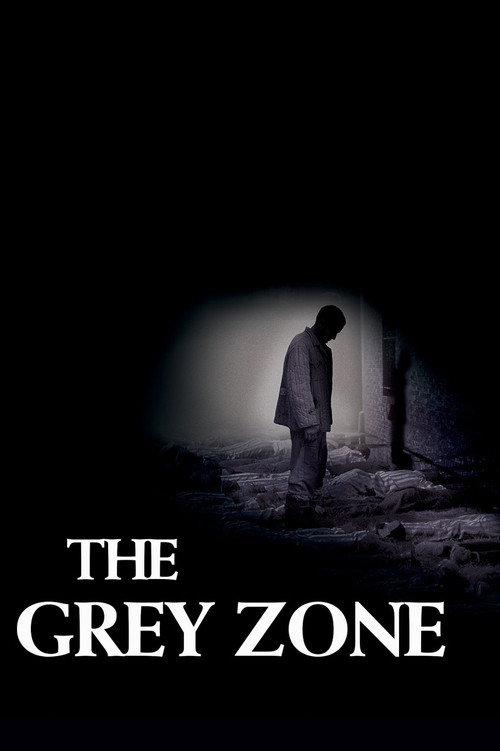
The Grey Zone2001
Tim Blake Nelson's film explores the Sonderkommando—prisoners forced to run the crematoriums—examining complicity, resistance, and the impossible moral algebra of survival.
But Bleak and philosophically grueling. Less about heroism than the degradation of human choice.
Not sure tonight? Get a pick in a minute, starting from The Last Stage
The wildcard
Something you would not have found on your own.
The Seventh Seal1957
Both use confinement (the camp, the journey to Death) as a frame for examining whether survival or resistance has any meaning. Both refuse easy comfort.
Bergman's knight plays chess with Death itself during the plague. A film about the terror of meaninglessness and the human hunger for transcendence in the face of inevitable darkness.
But It's philosophical, slow, and deeply pessimistic. If you want plot momentum rather than existential inquiry, this will frustrate you.

More like this (7)
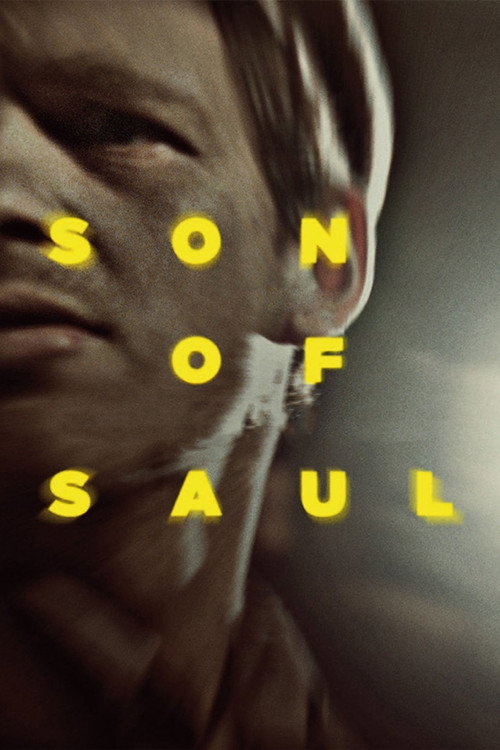
Son of Saul2015
László Nemes's film follows a Sonderkommando through a single day with handheld immediacy, making the viewer experience proximity and helplessness. Formally brilliant and morally urgent.
But Extremely close framing and limited dialogue create a claustrophobic, almost impenetrable experience. Not easy to watch.
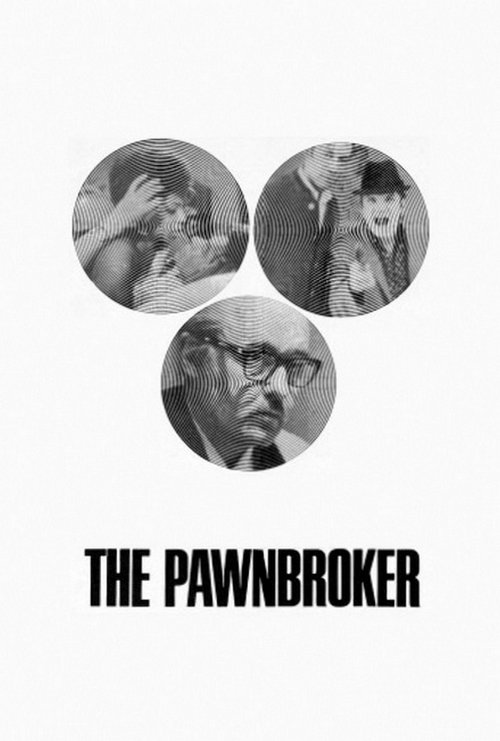
The Pawnbroker1965
Rod Steiger as a Holocaust survivor turned Harlem pawnbroker, carrying unprocessed trauma into contemporary America. A study of how survival doesn't mean healing.
But Psychologically dense and slow. The contemporary setting obscures what many expect from Holocaust narratives.
Come and See1985
Elem Klimov's Soviet masterpiece follows a boy conscripted into WWII, showing how systems designed to destroy work on bodies and minds. Raw, visionary, unforgettable.
But Violently disturbing and surreal. Not a historical document but a descent into absurdist horror that may feel exploitative.

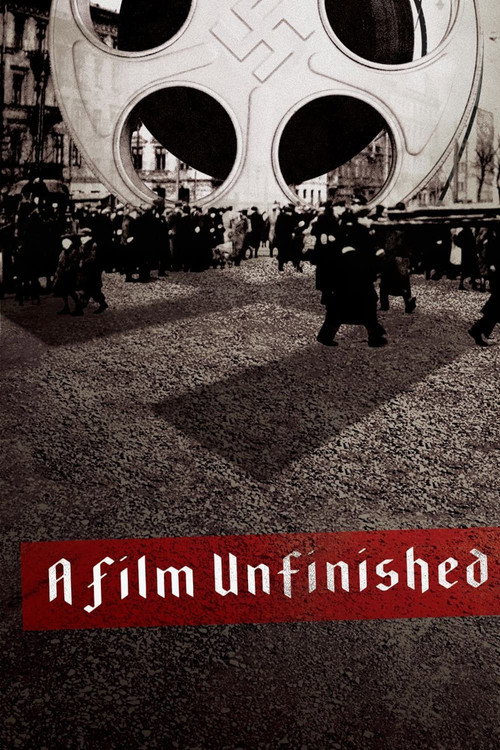
A Film Unfinished2010
Yael Hersonski's documentary excavates Nazi propaganda footage shot in the Warsaw Ghetto, asking what lies beneath the frame. A meditation on representation itself.
But Conceptually complex and deliberately incomplete. Some find the formal approach emotionally distant.
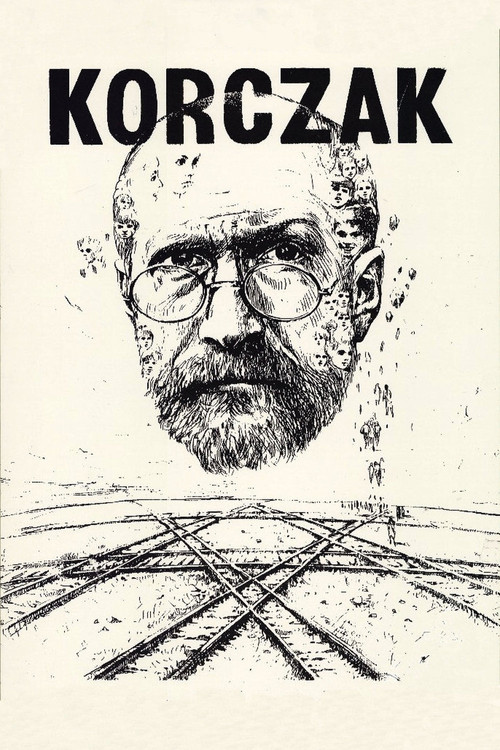
Korczak1990
Andrzej Wajda's portrait of Janusz Korczak, the educator who walked to the gas chambers with his orphans. About dignity and refusal in the face of annihilation.
But More spiritual meditation than plot. Some find its abstraction less gripping than straightforward historical drama.
The Act of Killing2012
Both interrogate how to testify to atrocity. The Last Stage is made by survivors looking back; this is made with perpetrators who've never faced justice. Opposite angles, same wound.
Joshua Oppenheimer's documentary asks Indonesian death-squad leaders to recreate their murders on film. A radical inversion—the perpetrators become the subject, their pride becomes the horror.
But Morally vertiginous and deeply uncomfortable. It questions whether documenting evil this way is complicit in it. Hard to stomach.

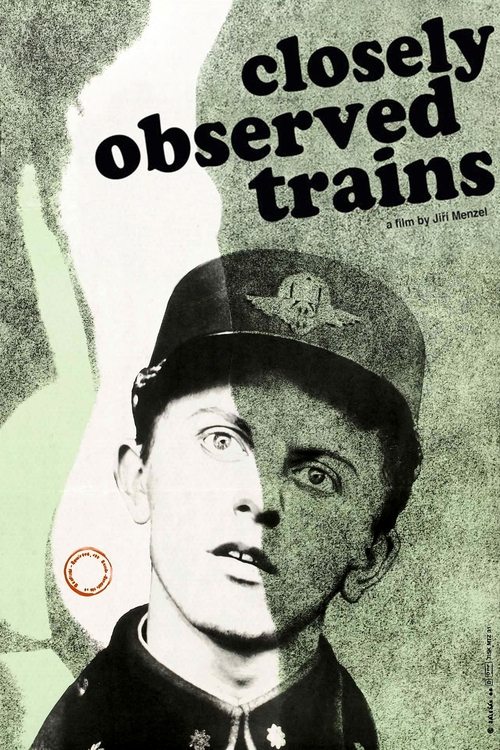
Closely Watched Trains1966
Both are Eastern European films from survivors or their immediate heirs, examining how individuals navigate totalitarian systems. The Last Stage is solemn testimony; this is sly, tender resistance through living.
Jiří Menzel's Czech New Wave gem follows a teenage railway dispatcher during the Nazi occupation—seemingly slight, funny, and deeply alive. A portrait of small resistance and erotic awakening amid total machinery.
But It's light-toned and digressive, which some read as evasive given the historical context. The humor might feel inappropriate if you expect unrelenting seriousness.
People
Cast
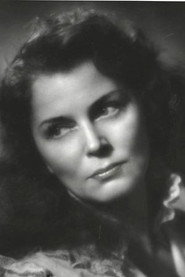 Wanda BartównaHelena
 Huguette FagetMichele
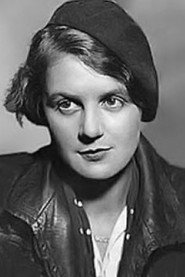 Tatyana GuretskayaEugenia

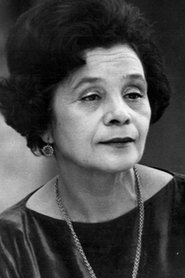 Mariya VinogradovaNadia
 Barbara DrapińskaMarta
- Barbara FijewskaAnielka
- Maria Anna RedlichównaUrszula
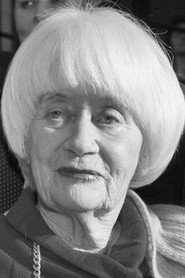 Alina JanowskaDessa
 Zofia MrozowskaGypsy Woman
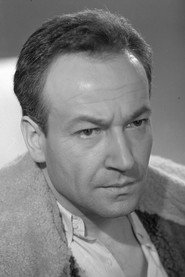 Stanisław ZaczykTadek
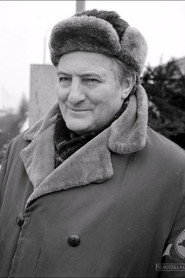 Stefan ŚródkaBronek
Directing
- Wanda JakubowskaDirector
- Jerzy KawalerowiczFirst Assistant Director
- Zbigniew NiemczynowskiSecond Assistant Director
Writing
- Gerda SchneiderScreenplay
- Wanda JakubowskaScreenplay
Production
- Mieczysław WajnbergerProduction Manager
- Tadeusz KarwańskiUnit Manager
- Wilhelm HollenderUnit Manager
Recommended by
Shoah, Son of Saul, Landscape After Battle, Naked Among Wolves, Passenger