
Film
Passenger
- Drama
- Very dark
A Polish film about a chance encounter on a ship that unearths buried trauma from Auschwitz. Shot in stark black-and-white, it's a psychological meditation on guilt, memory, and the moral ambiguity of survival during the Holocaust. For viewers seeking art cinema that refuses easy answers.
If you liked this
Night and Fog1956
Alain Resnais's essay-film about Auschwitz uses montage and voice-over to collapse past and present, creating something formally radical about how we witness atrocity. Essential context for Holocaust cinema.
But At 32 minutes, it's abstract and poetic rather than narrative-driven, which can feel distant if you want a human story to anchor you.
The Ascent1977
Andrei Tarkovsky's two Soviet partisans sheltering in a village during WWII becomes a philosophical interrogation of faith, betrayal, and the soul. Visually hypnotic and morally intricate.
But It moves at its own glacial pace and demands patience; some will find the spiritual abstraction frustrating rather than profound.

Closely Watched Trains1966
Jiří Menzel's gentle Czech film about a railway worker in WWII finds tenderness and black comedy in occupation and resistance. A different register entirely—sadder because it notices life continuing.
But Its lightness can feel like tonal whiplash if you're seeking relentless seriousness about wartime trauma.
Not sure tonight? Get a pick in a minute, starting from Passenger
The wildcard
Something you would not have found on your own.
The Leopard1963
Both are European films from 1963 about how the individual conscience navigates massive historical forces, using elegance rather than melodrama to ask what moral survival costs.
Luchino Visconti's Sicilian epic, released the same year as Passenger, uses beauty and decay to explore how people accommodate historical change while preserving the self. A meditation on continuity amid rupture.
But It's long, painterly, and glacially paced; its grandeur can read as bloodless to those seeking emotional directness.

More like this (5)
A Woman's Tale1991
Paul Cox's Australian film follows an aging woman confronting her mortality and regrets, examining memory and complicity with similar psychological intensity but without the historical weight.
But It's much quieter and more intimate; those seeking historical context or broader scope will find it claustrophobic.
Stalker1979
Tarkovsky again, but here examining desire and meaning through the metaphor of a mysterious zone. Like Passenger, it uses setting and encounter to probe what we carry psychologically.
But Nearly three hours of philosophical digression; if you want plot momentum or emotional catharsis, this will feel like punishment.

Hiroshima Mon Amour1959
Alain Resnais and Marguerite Duras craft a love story fractured by memory and wartime loss, using film language itself to show how trauma distorts narrative and identity.
But Its avant-garde technique—jump cuts, overlapping dialogue, chronological confusion—alienates viewers wanting conventional storytelling.
Come and See1985
Elem Klimov's Soviet film follows a young boy through the brutal Belarusian campaign of WWII with hallucinatory intensity. The most uncompromising portrait of what war does to consciousness.
But It is genuinely traumatizing and often unwatchable; this is not entertainment, and it knows it.

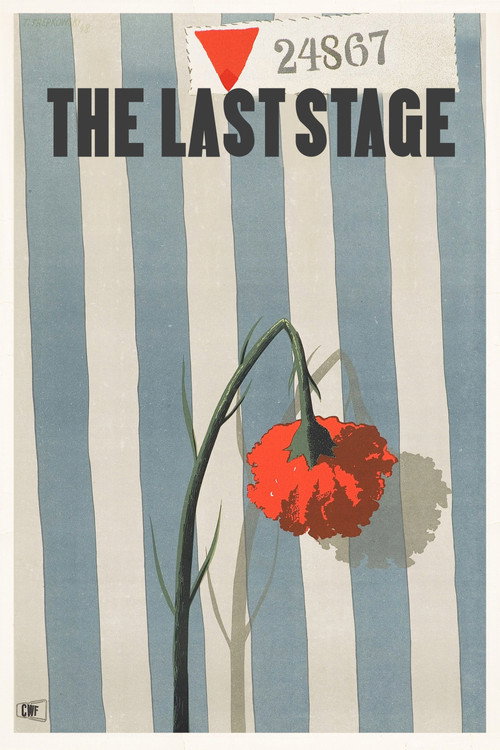
The Last Stage1948
Wanda Jakubowska, a survivor, directed this first Auschwitz fiction film with documentary rawness, documenting both horror and the solidarity of prisoners. Historical weight and moral clarity.
But As an early reconstruction, it can feel formally dated and less psychologically complex than later films wrestling with the same material.
People
Cast
 Anna CiepielewskaMarta
- Krzesislawa DubielównaPrisoner
- Anna GołębiowskaFemale Prisoner
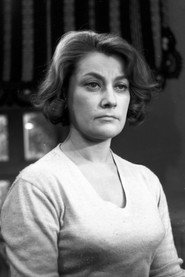 Barbara HorawiankaNurse
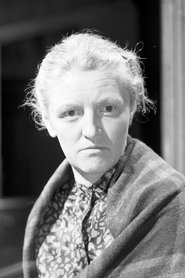 Anna JaraczównaCapo
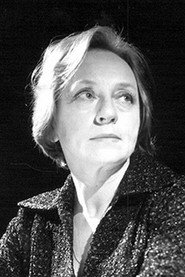 Maria KościałkowskaGuard Inga Weniger
- Andrzej KrasickiCommission Member
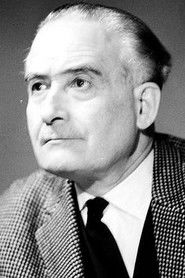 Jan KreczmarWalter
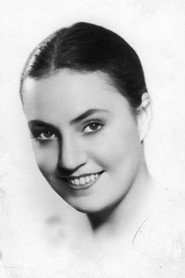 Irena MalkiewiczOberaufseherin Madel
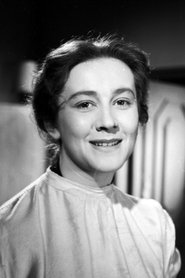 Izabela OlszewskaPrisoner
Directing
- Andrzej BrzozowskiAssistant Director
- Andrzej Jerzy PiotrowskiAssistant Director
- Anna DyrkaAssistant Director
- Włodzimierz KamińskiAssistant Director
- Andrzej MunkDirector
- Witold LesiewiczDirector
- Tamara GawryśScript Supervisor
Writing
- Zofia PosmyszNovel
- Wiktor WoroszylskiOther
- Andrzej MunkScreenplay
- Zofia PosmyszScreenplay
Production
- Barbara Pec-ŚlesickaAssistant Production Manager
- Henryk WasilewskiAssistant Production Manager
- Wiesław GrzelczakAssistant Production Manager
- Wilhelm HollenderProduction Manager