
Film
Camera Buff
A Polish factory worker films his newborn son on a prized 8mm camera, becoming his town's official documentarian. What begins as innocent domestic record-keeping evolves into an obsession that fractures his marriage and forces him toward uncomfortable truths about art, ambition, and complicity. Andrzej Żuławski's masterpiece is intimate, devastating, and deceptively quiet.
If you liked this
Stalker1979
Tarkovsky's philosophical sci-fi meditation on desire and meaning rivals Camera Buff's intensity. Both films ask what drives us to pursue something, and what we sacrifice along the way. Hypnotic and demanding in the best way.
But Nearly three hours of slow, meditative cinema with minimal plot. If you need conventional narrative momentum, this will test your patience severely.

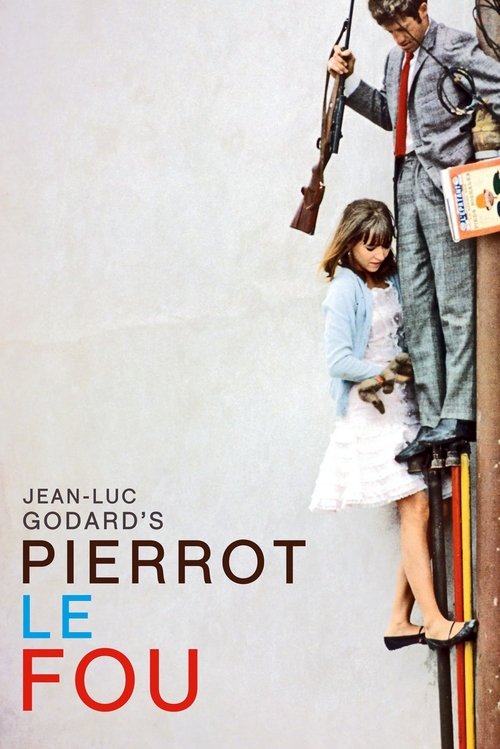
Pierrot le Fou1965
Godard's explosive, self-aware film about creativity, performance, and the gap between life and its representation. Like Camera Buff, it's about someone compelled to make meaning, and the price they pay.
But Deliberately fractured and disorienting. If you want narrative clarity, Godard is openly hostile to you.
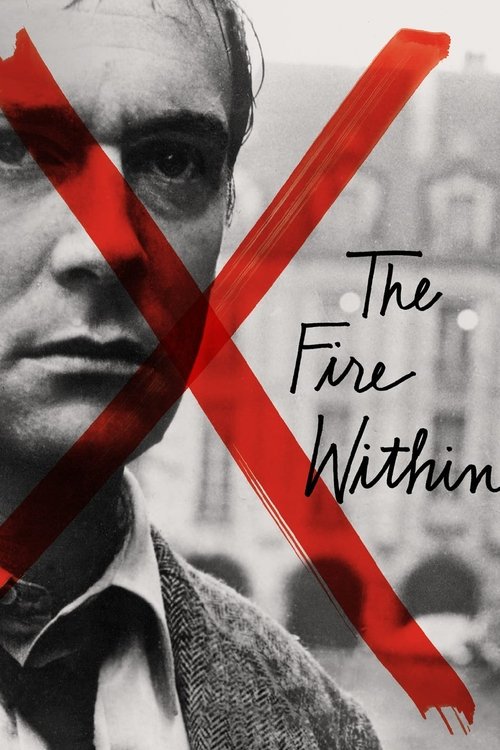
The Fire Within1963
Despain's unbearably intimate portrait of depression and disconnection. Matches Camera Buff's ability to find quiet devastation in domestic spaces, and the same sense of watching someone spiral toward a terrible choice.
But Emotionally punishing and offers no comfort. The film's subject matter is deeply dark, and the mood never lifts.
Not sure tonight? Get a pick in a minute, starting from Camera Buff
The wildcard
Something you would not have found on your own.
Contempt1963
Both examine the collision between artistic ambition and domestic obligation, and both present filmmaking itself as a threat to human connection.
Godard's film-within-a-film about a marriage fracturing as a director makes a Homer adaptation. It's Camera Buff's thematic inverse: here the filmmaker's obsession is present from the start, and we watch the home burn in real time. Both films understand that art and intimacy are incompatible.
But Abstract, formally challenging, and the marriage's dissolution is presented without melodrama. If you need clear emotional cues, Godard denies them.

More like this (6)
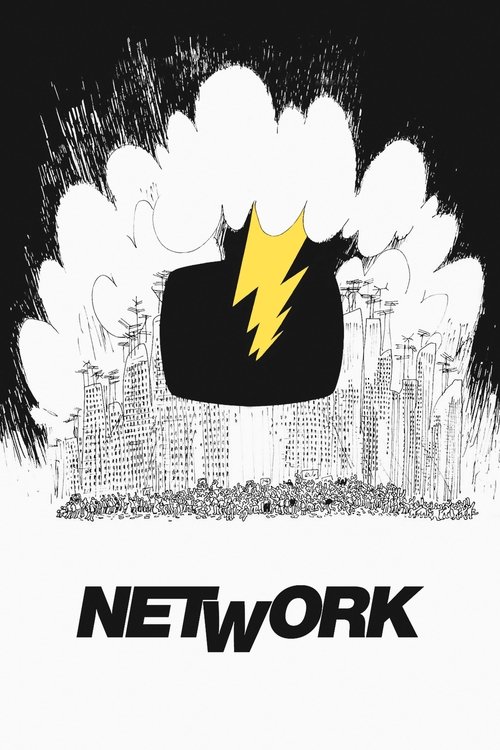
Network1976
Paddy Chayefsky's dark satire about obsession, ambition, and the corrupting nature of the medium itself. Camera Buff's quiet anxiety about complicity and complicity finds its American inverse here: louder, angrier, but asking the same questions.
But Dated satirical rhetoric. Some of the media criticism feels specific to 1976 and has aged into period piece rather than prophecy.
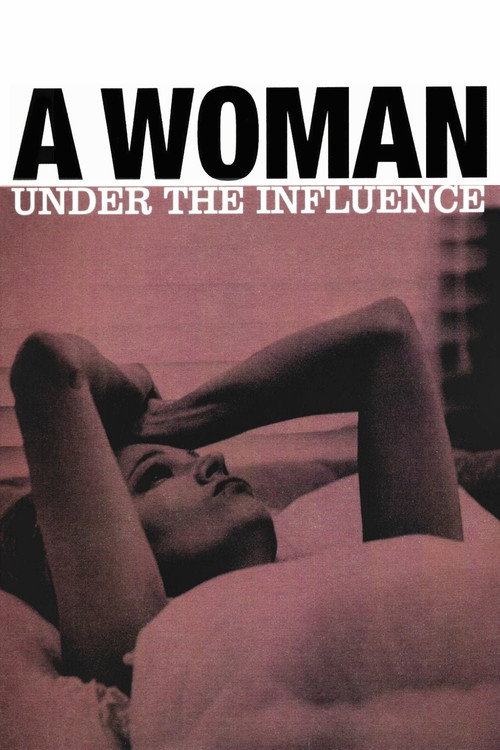
A Woman Under the Influence1974
Cassavetes' fractured, improvisational family drama. Like Camera Buff, it finds unbearable tension in the domestic sphere and doesn't look away from the damage people do to those closest to them.
But Technically rough and narratively shapeless by design. The improvised style can feel chaotic rather than artistic.
The Seventh Seal1957
Bergman's existential chess match between a knight and Death. Camera Buff shares its need to interrogate purpose, belief, and what we leave behind. Smaller in scale but equally searching.
But Symbolic and somewhat theatrical. If you approach it as literal drama rather than philosophical inquiry, it can feel mannered.

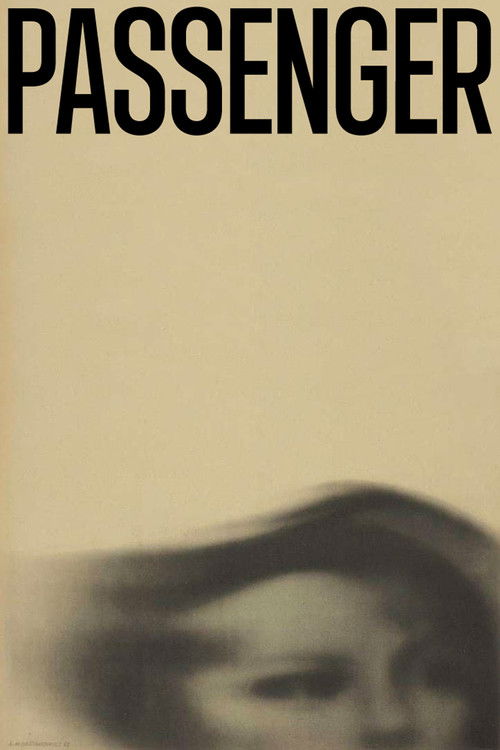
Passenger1963
Munk's devastating final film about a chance meeting between a former concentration camp guard and an inmate, reckoning with memory and complicity. The same moral complexity as Camera Buff, though framed around trauma instead of art.
But Deals directly with Holocaust memory. Emotionally wrought and offers no easy answers or catharsis.
Another Year2010
Leigh's quiet dissection of a happy marriage observed by unhappy friends across one year. Like Camera Buff, it finds domestic spaces charged with tension and asks uncomfortable questions about who we become in the presence of others.
But More contemporary and accessible, but some find it cold or cruel. The film's refusal to judge harshly can read as misanthropic.

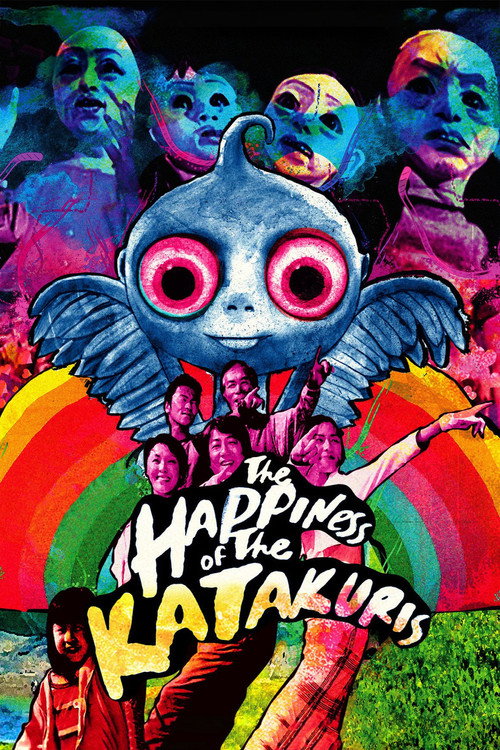
The Happiness of the Katakuris2002
Both use the act of documenting family as their central metaphor, and both find the uncanny lurking beneath domestic normalcy. But where Camera Buff is austere, this is maximalist and strange.
Takashi Miike's surreal, genre-bending family drama that shifts from horror to musical to tragedy without warning. Like Camera Buff, it explores how families document themselves and the gap between the image and the lived experience. Completely unexpected tonal shifts mirror Filip's disorientation.
But Wildly uneven and bizarre. The tonal whiplash is the point, but it can feel like incoherence rather than artistic choice.
People
Cast
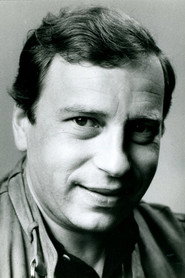 Jerzy StuhrFilip Mosz
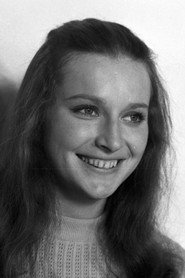 Małgorzata ZąbkowskaIrka Mosz
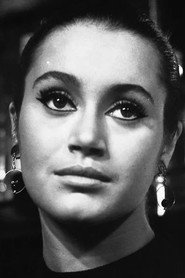 Ewa PokasAnna Włodarczyk
- Stefan CzyżewskiDirector
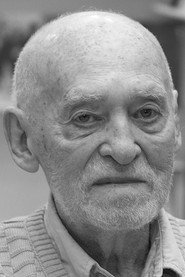 Jerzy NowakStanisław Osuch
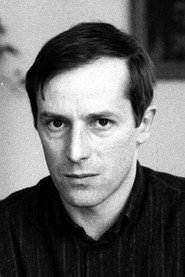 Tadeusz BradeckiWitek Jachowicz
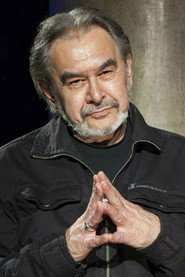 Marek LitewkaPiotrek Krawczyk
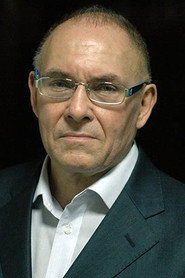 Bogusław SobczukKędzierski
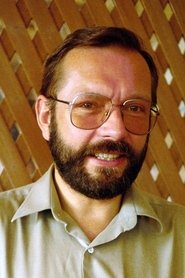 Krzysztof ZanussiKrzysztof Zanussi
- Andrzej JurgaAndrzej Jurga
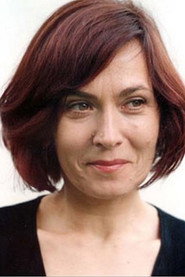 Alicja BienicewiczJaśka
- Tadeusz RepkaWawrzyniec
Directing
- Krzysztof WierzbickiAssistant Director
- Michal MaryniarczykAssistant Director
- Michał ŻarneckiAssistant Director
- Krzysztof KieślowskiDirector
- Małgorzata WichlińskaScript Supervisor
Writing
- Jerzy StuhrDialogue
- Krzysztof KieślowskiDialogue
- Krzysztof KieślowskiScreenplay
Production
- Andrzej LipowiczAssistant Production Manager
- Barbara SzejaAssistant Production Manager
- Mirosław KarczmarekAssistant Production Manager
- Władysław ŻakAssistant Production Manager
- Franciszek DzidaProduction Consultant
- J. KolatProduction Consultant
- P. KlaraProduction Consultant
- Wielislawa PiotrowskaProduction Manager
- Andrzej LipowiczUnit Manager