
Film
The Night of the Seagull
A 1968 Japanese drama about a woman awaiting trial for murder, caught in a passionate affair with a younger man. It's a taut examination of desire, guilt, and moral ambiguity—less interested in plot mechanics than in the texture of forbidden attraction and the weight of consequence. For viewers drawn to character-driven postwar cinema that refuses easy judgments.
Should you watch it?
Watch it if you are drawn to films that treat a courtroom and a bedroom as the same kind of trap, and that let a composed, deliberately artificial surface carry the heat.
Skip it if you want characters to warm up quickly or a story to spell out its feelings, the cool distance may wear thin.
What it asks of you: At ninety minutes it is lean and unhurried, with long stretches of stillness and compositions you have to sit inside rather than skim past.
Not sure? Find tonight's pick in a minute.
If you liked this
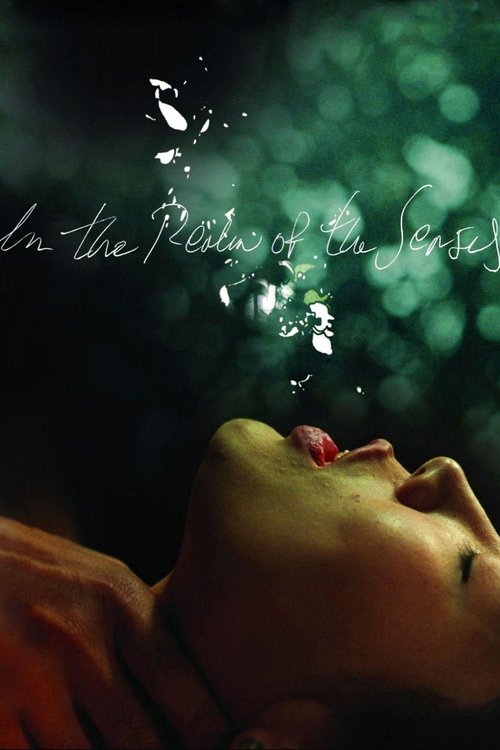
In the Realm of the Senses1976
Nagisa Oshima's unflinching portrait of erotic obsession consuming two people entirely. Like *Seagull*, it uses physical passion to explore how desire can become a kind of madness, with similar moral and emotional stakes.
But Extremely graphic sexual content that's central to the story, not decorative. The intensity will alienate viewers seeking restraint or distance.
Tokyo Story1953
Ozu's masterpiece captures the same postwar Japanese sensibility—quiet, observant, deeply concerned with duty, family fracture, and what remains unsaid. The emotional architecture is similar even though the surface is entirely different.
But Moves at a glacial pace. If you need plot propulsion or dramatic peaks, this will feel like watching paint dry for two hours.

Hiroshima Mon Amour1959
Alain Resnais explores forbidden desire between a French actress and Japanese architect against the shadow of war and collective trauma. Both films use intimate relationships to examine larger historical and moral wounds.
But Formally experimental and fragmented in its storytelling. The narrative jumps between past and present in ways that demand active engagement, not passive watching.

Not sure tonight? Get a pick in a minute, starting from The Night of the Seagull
The wildcard
Something you would not have found on your own.
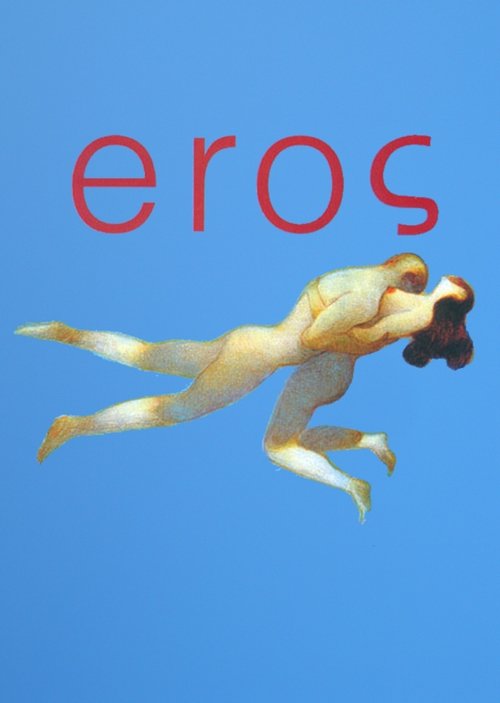
Eros2004
Both films treat passion not as plot device but as a moral laboratory, using affairs to expose what people really value when social rules dissolve.
Michelangelo Antonioni's final film consists of three stories about desire across different registers and times. It's formally radical and often baffling, but shares *Seagull*'s conviction that desire is not simple or redemptive—it's a force that reveals character.
But Profoundly difficult and abstract. Antonioni indulges in long, seemingly static sequences. Patience required; conventional narrative satisfaction will not arrive.
More like this (8)
The Ballad of Little Jo1993
Maggie Greenwald's quietly radical film about a woman passing as a man to survive, touching on desire, identity, and the price of transgression. Both explore how taboo relationships expose society's hypocrisy and fear.
But Shot on a modest budget and looks it. The pacing is deliberate and there's no conventional romantic payoff despite the central relationship.

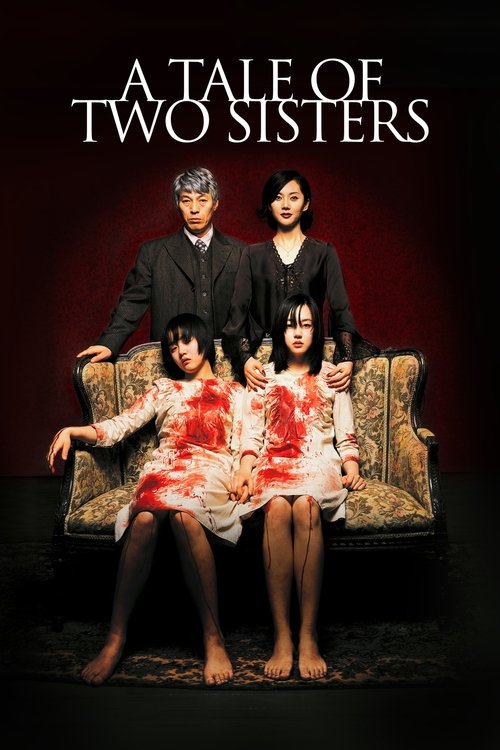
A Tale of Two Sisters2003
Korean psychological drama that uses family trauma and ambiguity the way *Seagull* uses passion—as a lens to examine guilt, desire, and unreliable perception. Both trust the audience to sit with discomfort.
But Genuinely unsettling and designed to disorient. Some viewers will find it frustrating rather than illuminating; it doesn't explain itself.
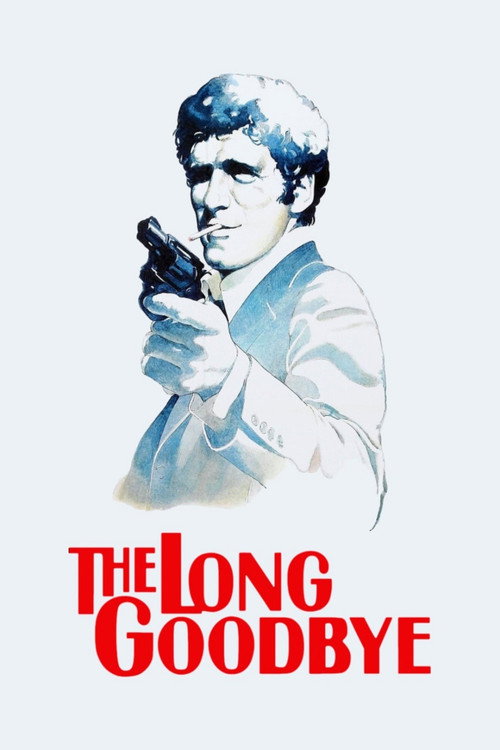
The Long Goodbye1973
Altman's revisionist noir features a man drawn into moral compromise through attraction and loyalty. Like *Seagull*, it's interested in how good people do bad things when passion or connection overrides judgment.
But Slow, digressive, and actively hostile to noir convention. If you want clarity and closure, you won't find it.
Mulholland Drive2001
Lynch's LA nightmare uses forbidden desire and shifting identity to explore guilt and self-deception. Both films suggest that what we think happened and what actually happened may be irreconcilable.
But Deliberately obscure and demands multiple viewings to parse. Some viewers find the opacity pretentious; it could just be indulgent.

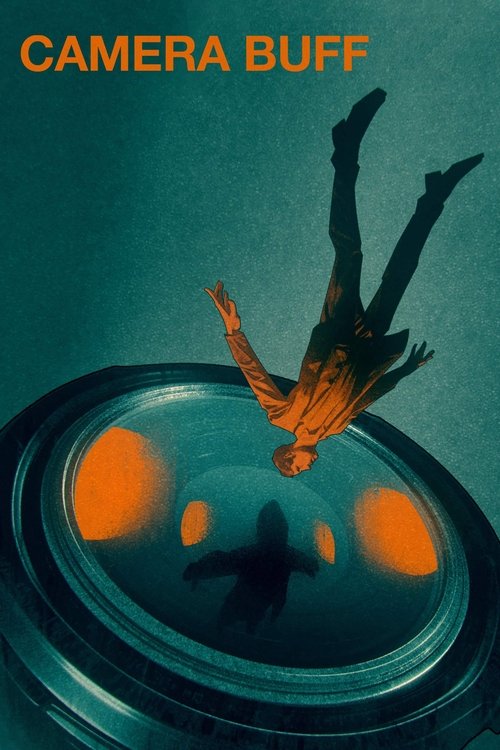
Camera Buff1979
Kieślowski's Polish drama about a man's obsession with documenting his life, exploring how desire can distort judgment and damage relationships. Shares *Seagull*'s interest in internal moral collapse.
But Eastern European cinema from the 1970s. It's sober and unglamorous, without much narrative momentum or emotional catharsis.
Pandora's Box1929
G.W. Pabst's silent masterpiece about a woman whose sexuality destroys everyone around her. It's the template for examining desire as a moral and social force—everything *Seagull* inherits from cinema history.
But Nearly a century old, shot silent, and the moral framework feels dated. Some sequences drag; restoration quality varies by print.

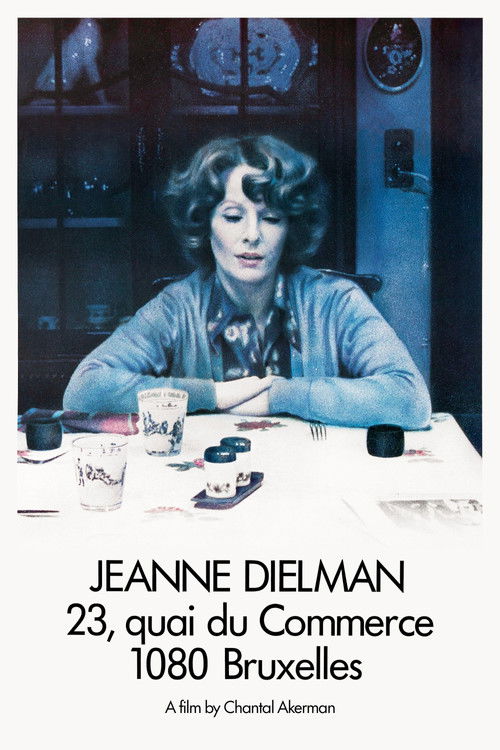
Jeanne Dielman, 23, quai du Commerce, 1080 Bruxelles1976
Both examine women whose sexuality and passion create a rupture they cannot contain or control; both use extreme formal restraint to create emotional intensity.
Chantal Akerman's three-hour opus about a widow's domestic routine and the rupture caused by sexual desire. Radical in form (mostly static shots of mundane tasks), radical in content—shows desire as something that fundamentally destabilizes identity and routine.
But Experimental cinema. Three hours of watching a woman cook, clean, and have sex. It will bore or alienate anyone seeking conventional drama. There is barely any dialogue.
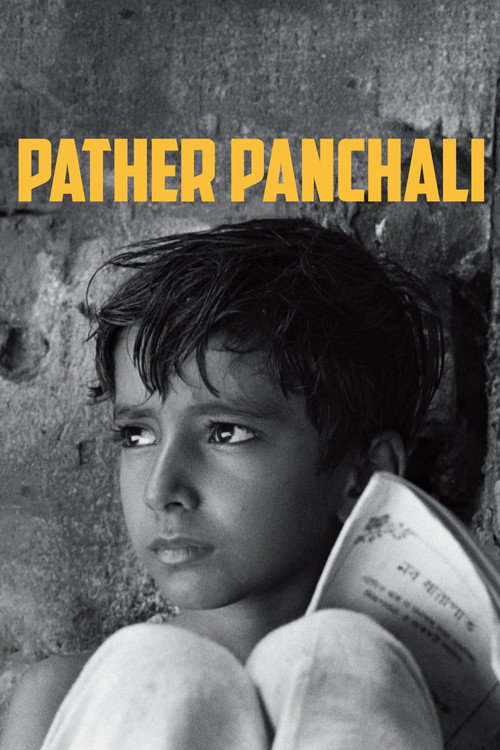
Pather Panchali1955
Both are interested in how people behave under pressure—not externally imposed plot pressure, but the weight of circumstance, guilt, and survival. Both trust silence and small gestures over dialogue.
Satyajit Ray's Bengali masterpiece captures the texture of longing, loss, and ordinary life collapsing under poverty and circumstance. The emotional register is utterly different from *Seagull*, but the attention to how people endure moral and social pressure is identical.
But Very slow, often plotless observation of family decay. Shot in real locations with non-professional actors. If you need traditional drama, this is landscape and atmosphere, not conflict.
People
Cast




Directing
- Katsuki IwauchiDirector
Writing
- Matsutarō KawaguchiOriginal Story
- Katsuki IwauchiScreenplay
- Mitsuru MajimaScreenplay
Production
- Yorihiko YamadaExecutive Producer