
Film
The Three Sisters
- Drama
- Slow-burning
Laurence Olivier's 1966 adaptation of Chekhov's masterpiece about three sisters in provincial Russia, yearning for Moscow and meaningful lives while time slips away. A chamber drama of exquisite restraint—almost no plot happens, but everything matters. For patient viewers who want to feel the weight of unfulfilled longing.
If you liked this
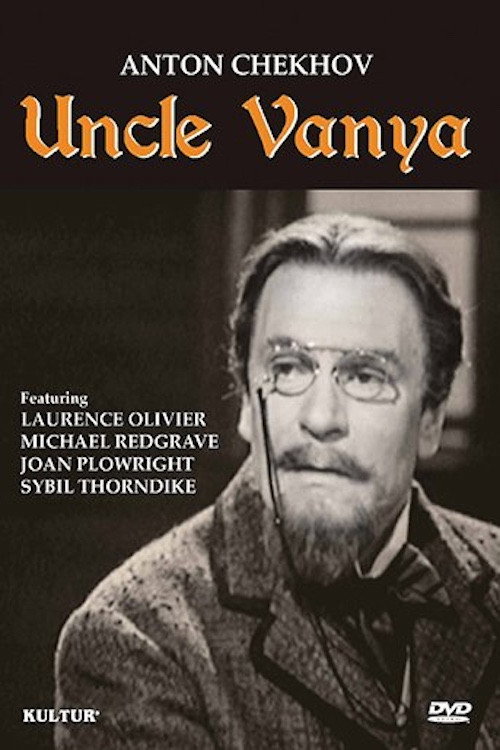
Uncle Vanya1963
Scofield's adaptation of another Chekhov play about stalled lives and desire. Same ache, same precision, same sense that tragedy is what happens when nothing happens. A perfect companion piece.
But Three hours of people talking in drawing rooms about their disappointments. If that sounds tedious rather than profound, this won't convince you otherwise.
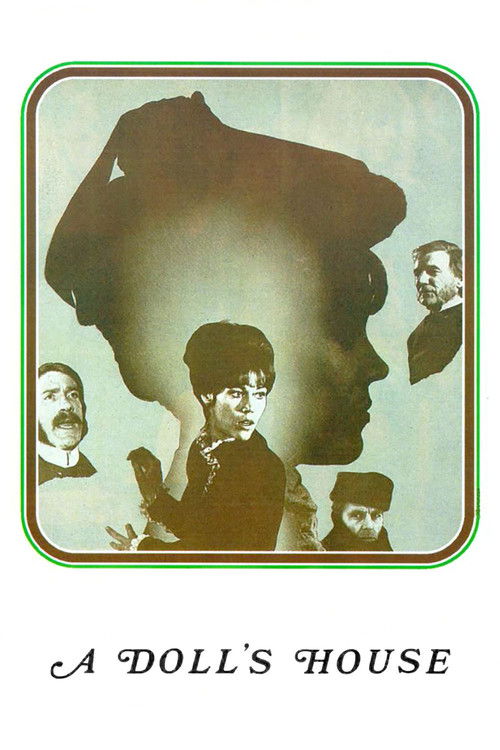
A Doll's House1973
Finch and Fonda in Losey's fierce interrogation of marriage and self-sacrifice. Shares Chekhov's interest in what women endure while trapped in social roles, but with explosive clarity rather than wistful resignation.
But Stagey and sometimes shrill. The 1970s production design dates it. Lacks the tonal subtlety you admire in Three Sisters.
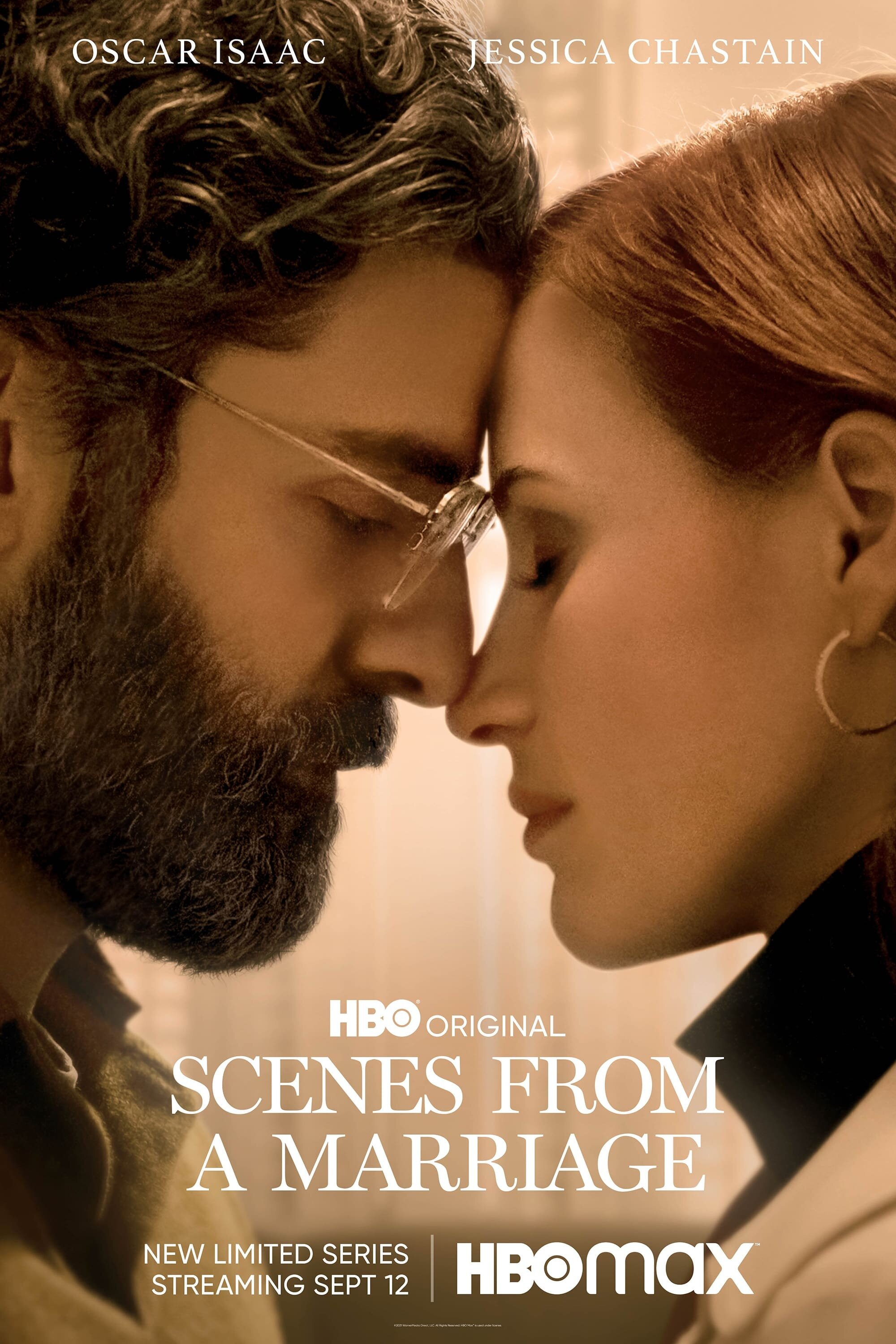
Scenes from a Marriage2021
Bergman's devastating dissection of intimacy across decades. Like Chekhov, it finds tragedy in small moments—a glance, a silence—and understands that the saddest love stories are the quiet ones.
But Swedish television from the '70s. Slow, sometimes repetitive, and genuinely bleak in ways that can feel punishing rather than cathartic.
Not sure tonight? Get a pick in a minute, starting from The Three Sisters
The wildcard
Something you would not have found on your own.
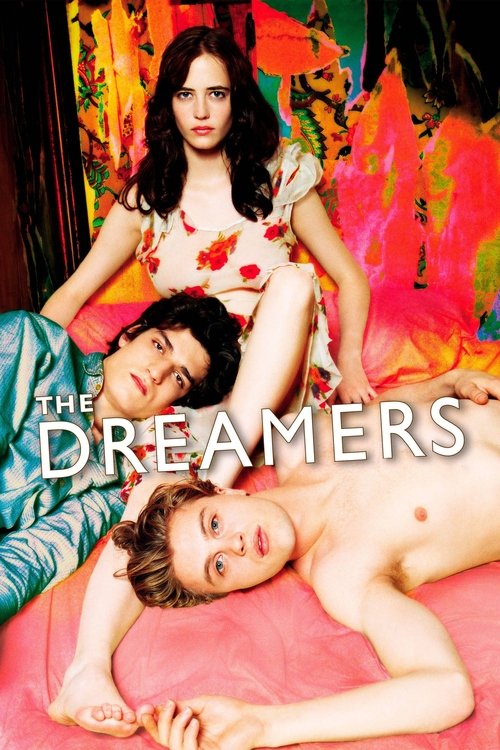
The Dreamers2003
Both examine how desire and idealism—dreams of elsewhere, dreams of transformation—prevent people from living actual lives. Both use enclosed spaces (provincial house, Parisian apartment) to trap characters in their own longing.
Bertolucci's film about three young people in Paris during the 1968 uprising—similar structure, similar yearning, but where Chekhov's sisters dream of a past (Moscow), these characters are intoxicated by cinema and political idealism. The ache is the same: desire makes you blind.
But Sexually explicit and sensationalist in ways Chekhov is not. Some viewers find Bertolucci's treatment of the material adolescent and indulgent. Overlong.
More like this (7)
The Remains of the Day1993
Stevens' portrait of a man who chose duty over love, and the regret that arrives when it's too late. Shares Three Sisters' tragic recognition that life passes while we wait for it to begin.
But Restrained to the point of emotional muteness. Some find it moving; others find it withholding. The butler's restraint is the point, but the point isn't for everyone.

The Ascent1977
Tarkovsky on suffering and faith, two men climbing toward something they may never reach. Philosophical rather than narrative, like Chekhov elevated to metaphysics. Hypnotic and harrowing.
But Nearly three hours of Soviet cinema about spiritual crisis. Beautiful but austere. Tests patience even for viewers who love Three Sisters.

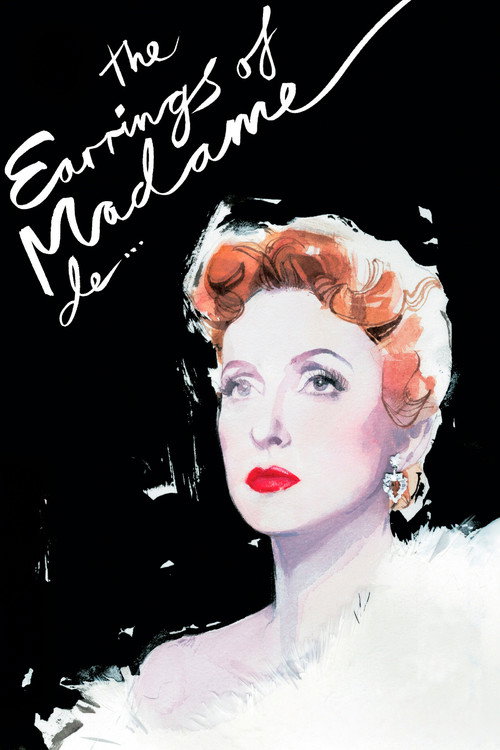
The Earrings of Madame de...1953
Ophüls' tragedy of a marriage collapsing through gesture and pride. The same insight as Chekhov—that lives are ruined by small choices, accumulated regrets, the space between what we say and what we feel.
But A period piece (1950s vision of 1890s) about the aristocracy. Can read as dated. The melodrama, though intentional, might feel overwrought compared to Chekhov's restraint.
The Night of the Seagull1968
Sidney Lumet directs Chekhov's other masterpiece of failed artists and thwarted ambition. Same author, same sensibility—if Three Sisters moved you, this will devastate you in familiar ways.
But It's more Chekhov. If the problem was length or pacing or relentlessness, a second helping won't help.
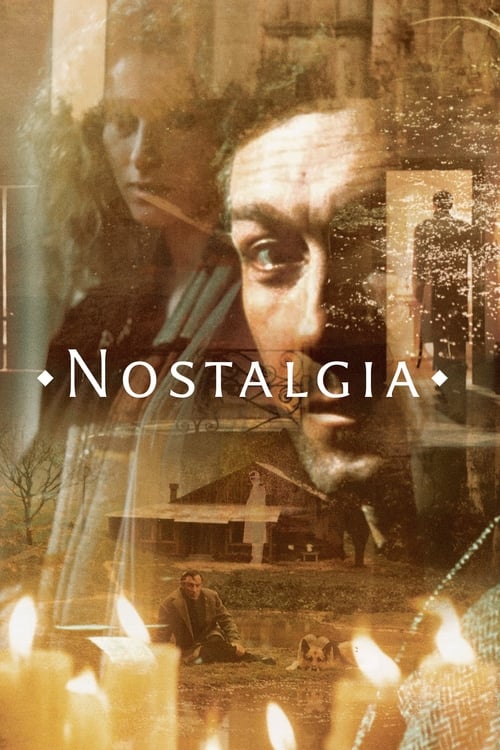
Nostalgia1983
Andrei Tarkovsky on memory, loss, and the impossibility of return. Three Sisters is about dreaming of Moscow; this is about why we cannot go home. Philosophical, visual, utterly still.
But Experimental, cryptic, nearly plotless. Some of the slowest cinema ever made. If Three Sisters felt long, Tarkovsky will test you severely.
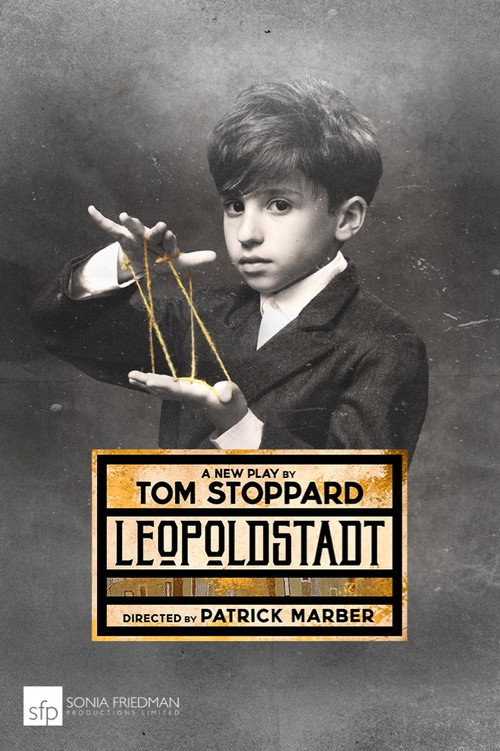
National Theatre Live: Leopoldstadt2022
Both are ensemble family dramas where historical forces grind lives to nothing. Both suggest that personal tragedy is not dramatic but mundane—the sisters never reach Moscow; Stoppard's Jew never escapes his fate. Both move slowly toward catastrophe that feels inevitable in retrospect but unavoidable in the moment.
Tom Stoppard's epic family saga across decades and tragedy—100 years of a Viennese Jewish family through hope, assimilation, loss, and extinction. Structurally revolutionary: scenes jump backward through time. Emotionally it mirrors Chekhov's sense that life is what happens while you're making other plans.
But Three hours plus. Stoppard is clever to the point of exhaustion. You follow the ideas easily; whether you feel them is another question. The intellectual architecture can dwarf the human cost.
Come and See1985
Both understand that yearning and civilization are fragile, that the world indifferent to human longing can destroy it at any moment. Chekhov's tragedy is interior; Klimov's is historical. But both insist that the saddest thing is how little a person matters in the end.
Elem Klimov's apocalyptic war film—a boy joins Soviet partisans in WWII and watches civilization collapse. Formal and ritualistic like Chekhov but violent and apocalyptic instead of wistful. Both are about the corruption of innocence and the death of hope, but this one shows the corpse.
But Genuinely traumatic to watch. Graphic violence. Soviet cinema at its most unsparing. Not cathartic, not beautiful, and leaves you hollow rather than contemplative. One of the hardest films ever made.

People
Cast
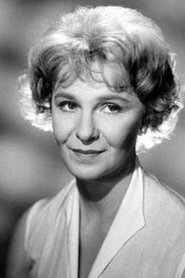 Geraldine PageOlga
 Shelley WintersNatalya
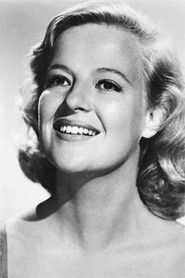 Kim StanleyMasha
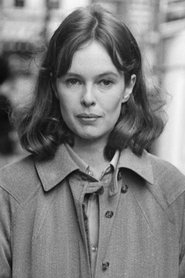 Sandy DennisIrina
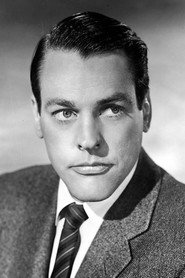 Kevin McCarthyVershinin
- Gerald HikenAndrei
 David PaulsenRoday
 Albert PaulsenKulygin
 Luther AdlerChebutykin
 James OlsonBaron Tuzenbach
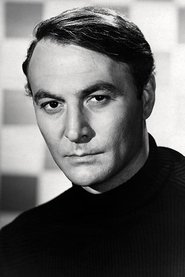 Robert LoggiaSolyony
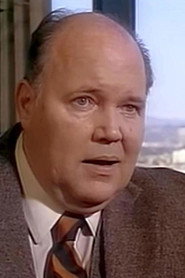 John HarkinsFedotik
Directing
- Paul BogartDirector
Writing
- Anton ChekhovAuthor
- Randall JarrellScreenplay
Production
- Ely A. LandauProducer
- Alfred MarkhamProduction Coordinator