
Film
National Theatre Live: Leopoldstadt
- Drama
- Very dark
Tom Stoppard's Leopoldstadt is a sweeping family saga set across fifty years of Viennese Jewish history, from 1900 through the Holocaust. Staged by the National Theatre with forty actors representing generations, it's intimate despite its epic scope—a play about assimilation, identity, and what's lost when we try to escape who we are. Essential viewing for anyone moved by history told through family.
Should you watch it?
Watch it if you are drawn to family sagas where big historical catastrophe arrives through ordinary dinners, arguments and small loyalties, and you want a play that trusts its audience to feel the weight of time.
Skip it if you need a story that stays in one place or one emotional register, since the play jumps across decades and shifts from wry domestic comedy into real horror without much warning.
What it asks of you: It runs close to two and a half hours and asks for patience with a large, shifting cast and a long, slow build before its darkest turns land.
Not sure? Find tonight's pick in a minute.
If you liked this
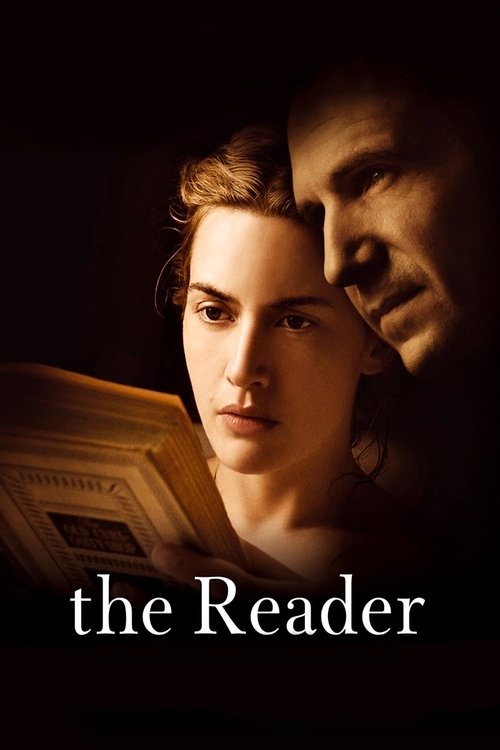
The Reader2008
Explores post-war guilt and the impossibility of simple moral judgement. Like Leopoldstadt, it's interested in how ordinary people navigate impossible historical moments and what they carry forward.
But It's slower than you'd expect and the central relationship is troubling in ways the film doesn't entirely interrogate. Some find it morally muddled.
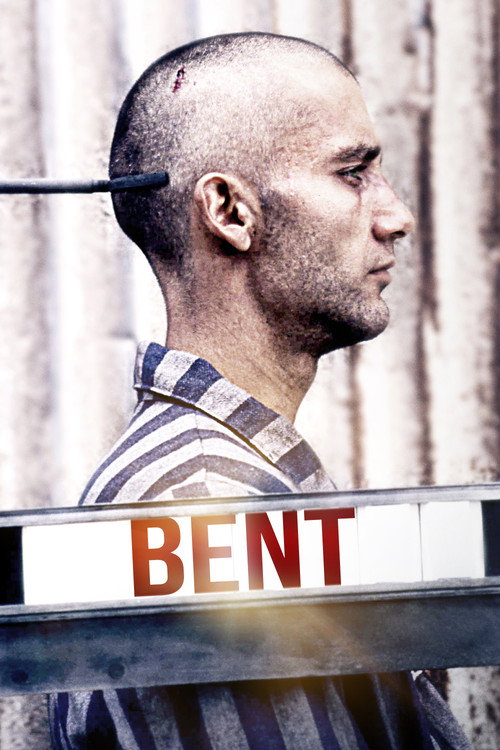
Bent1997
A play-based film about gay men imprisoned by the Nazis. It has the same theatrical intensity, ensemble focus, and unflinching look at how identity becomes a death sentence under totalitarianism.
But It's graphically dark and uncompromising. There's no soft landing or redemptive arc—just the weight of what happened.
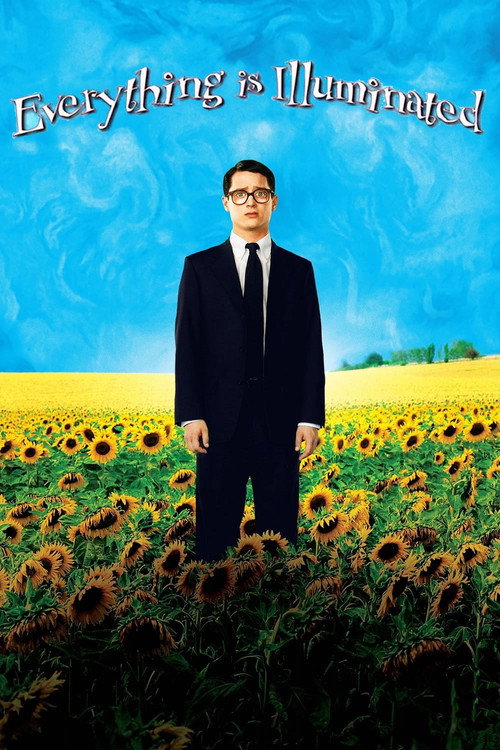
Everything Is Illuminated2005
Combines Jewish family history with a contemporary search for meaning. It's less bleak than Leopoldstadt but asks similar questions about identity, belonging, and what we inherit from the past.
But The tone shifts between whimsy and tragedy in ways some find inconsistent. Elijah Wood's performance divides viewers.
Not sure tonight? Get a pick in a minute, starting from National Theatre Live: Leopoldstadt
The wildcard
Something you would not have found on your own.
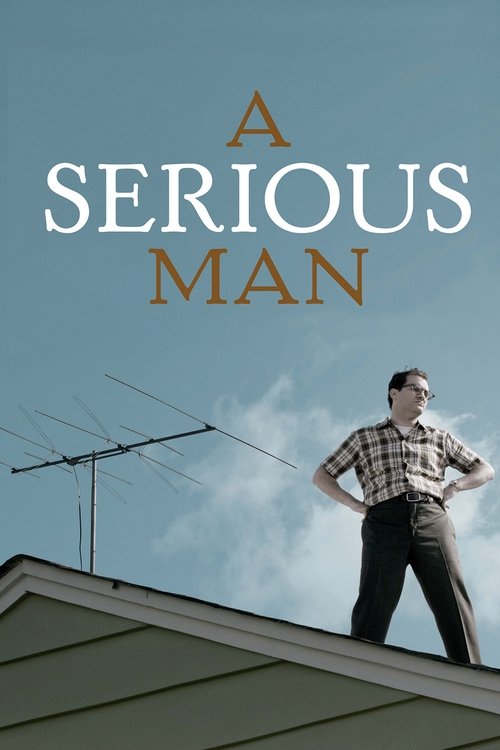
A Serious Man2009
Both explore how assimilation into gentile society offers no protection. The Merz family in Leopoldstadt becomes 'good Austrians,' but status and conversion mean nothing. Gopnik's family has achieved secular success, but anxiety and alienation follow anyway. Both ask: what do we lose trying to disappear?
The Coen Brothers' film about a Jewish family in 1960s Minnesota—assimilated, secular, comfortable. It's about the anxiety of belonging and the fragility of safety. What happens when the world doesn't care about your assimilation?
But It's darkly funny, which can feel inappropriate given the subject. The ending provides no answers and some find it cruel rather than profound.
More like this (6)
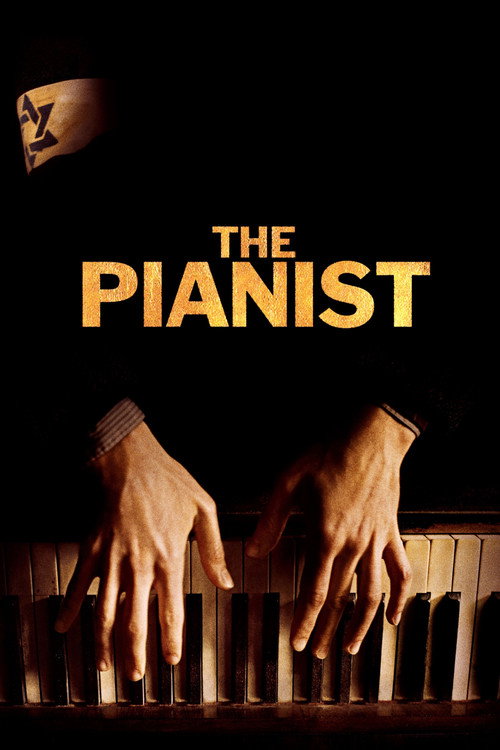
The Pianist2002
Polanski's unflinching account of survival in Warsaw. Like Leopoldstadt, it traces one family's trajectory through assimilation and annihilation, but from the perspective of one man's lived experience.
But The violence is explicit and the film offers no hope until the very end. It's gruelling and some find it exploitative.
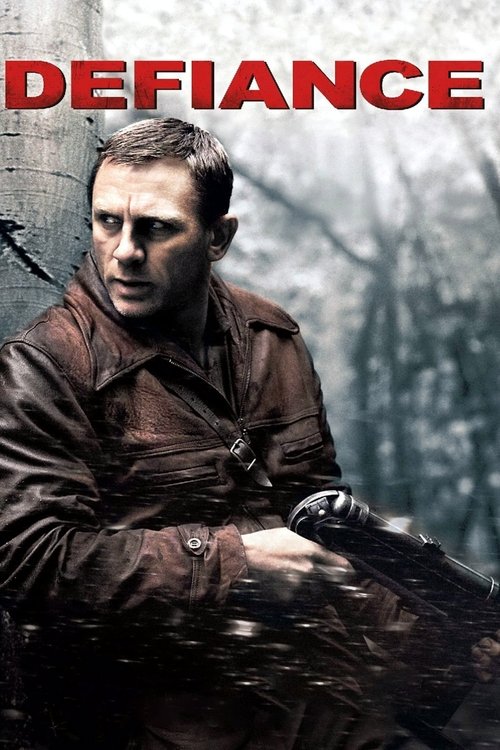
Defiance2008
Epic scope with family bonds at its centre. It's about Jewish resistance and survival, balancing action with intimate character work in ways that echo Stoppard's generational approach.
But The action sequences feel generic and the dialogue can be heavy-handed. It's more straightforward than the plays it resembles.
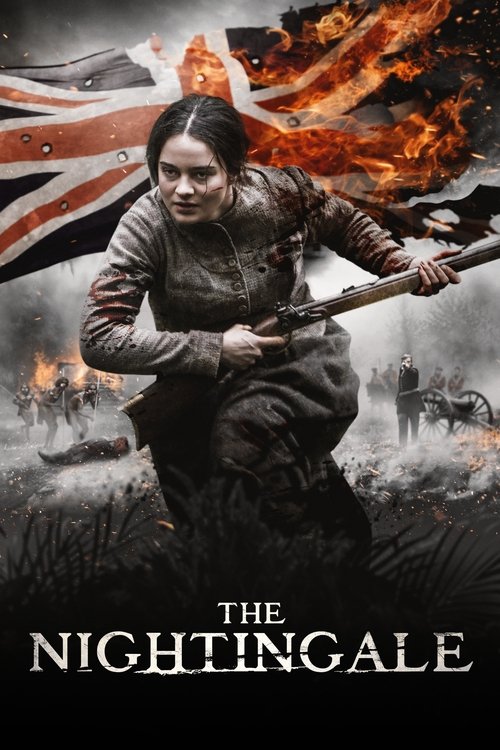
The Nightingale2018
A sweeping family saga about French resistance during occupation. It shares Leopoldstadt's interest in how ordinary people navigate extraordinary times and what they choose to remember.
But At nearly three hours, it tests patience. The narrative structure jumps in time in ways some find confusing.
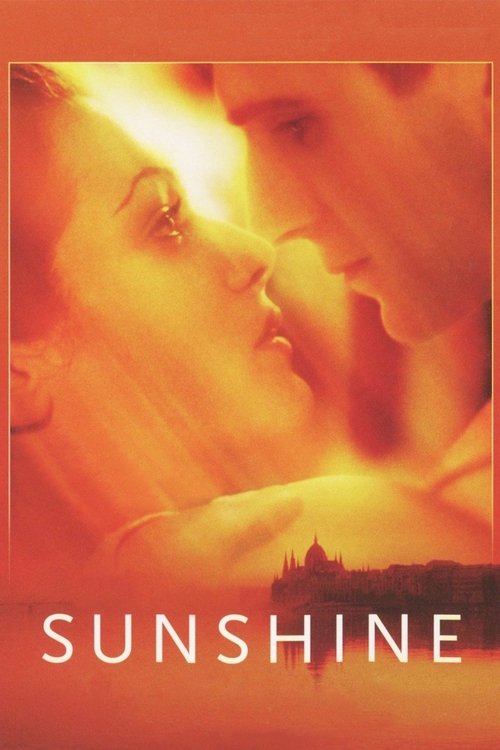
Sunshine1999
An epic three-generation Hungarian Jewish family saga across the same historical period. It's visually stunning and builds toward Holocaust context through intimate family drama—structurally similar to Stoppard's approach.
But It's long, densely plotted, and the ending is devastating. Some find the scope overwhelming and the historical detail didactic.
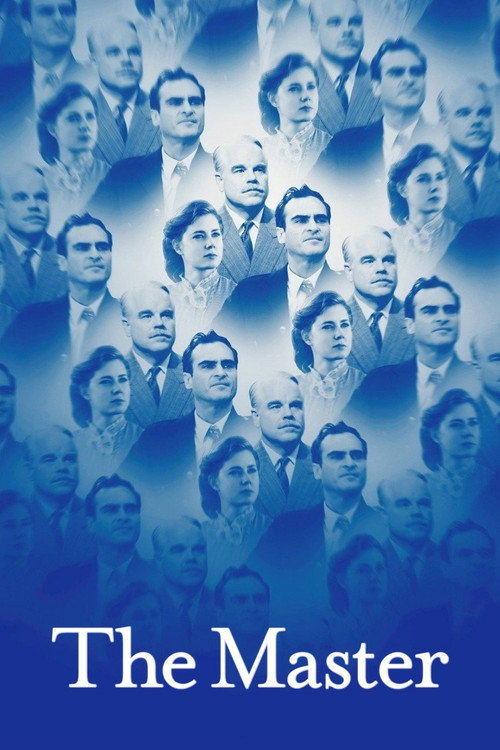
The Master2012
Where Leopoldstadt spans decades through family structure, The Master uses repetition and variation to explore the same theme: the human hunger to transcend our origins and find belonging. Both are ultimately about the impossibility of escape—spiritual, familial, historical.
A formally dazzling chamber piece about power, influence, and the need to belong. It's philosophical and deliberately theatrical in its presentation. Magnificent filmmaking about how we escape ourselves—or think we do.
But It's elliptical, slow, and its meaning is deliberately obscure. Some viewers find it pretentious or simply boring. It demands active interpretation.
Minari2021
Both are multigenerational stories about upward mobility and belonging, told through family economics and daily life rather than plot. Both suggest that moving up and moving away doesn't erase who you are or where you come from. In Leopoldstadt it's tragic; in Minari it's complicated and tender. But the engine is the same: you cannot simply become someone else, no matter how hard you try.
A quietly devastating film about a Korean-American family building a new life in rural Arkansas. It's about assimilation, identity, and what you sacrifice chasing security. Beautifully shot and deeply human—no melodrama, just people trying.
But It's subdued and meditative. If you want narrative propulsion or clear conflict, this isn't it. The specificity of the Korean-American immigrant experience may feel distant if it's not your own.

People
Cast
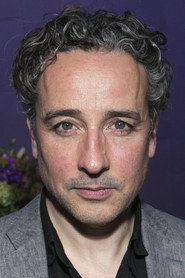 Aidan McArdleHermann
- Faye CastelowGretl
 Rhys BaileyYoung Nathan
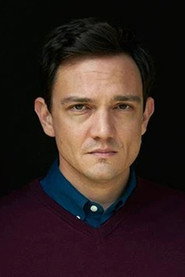
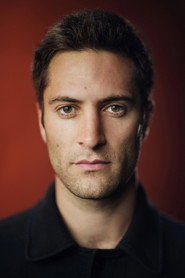
 Wesley HollowayYoung Leo
 Joshua SatineJacob
- Aaron ShufYoung Jacob
- Oliver KohnYoung Leo
 Mace PhoenixYoung Leo


Directing
- Patrick MarberDirector
Writing
- Tom StoppardWriter