
Film
Sunshine
Other titles called Sunshine: the 2007 film.
- Drama
- Very dark
Istvan Szabo's three-hour epic follows a Hungarian Jewish family across a century of upheaval, told through three generations played by Fiennes in different eras. It's a meticulously composed historical drama that traces the family's journey from assimilation to catastrophe to fragile survival. Demanding but deeply rewarding for those willing to sit with its scope and sorrow.
Should you watch it?
Watch it if you want a long, sweeping family saga in which one actor plays three generations of the same household while history presses in from every side, and you don't mind being carried slowly.
Skip it if you need taut plotting or a lean runtime, since this is slow to build, spans decades in one stretch, and follows a family's losses without much relief.
What it asks of you: about three hours of patience, a slow accumulation rather than a tight arc, and sustained seriousness that seldom lightens, so give it a long unbroken evening.
Not sure? Find tonight's pick in a minute.
If you liked this
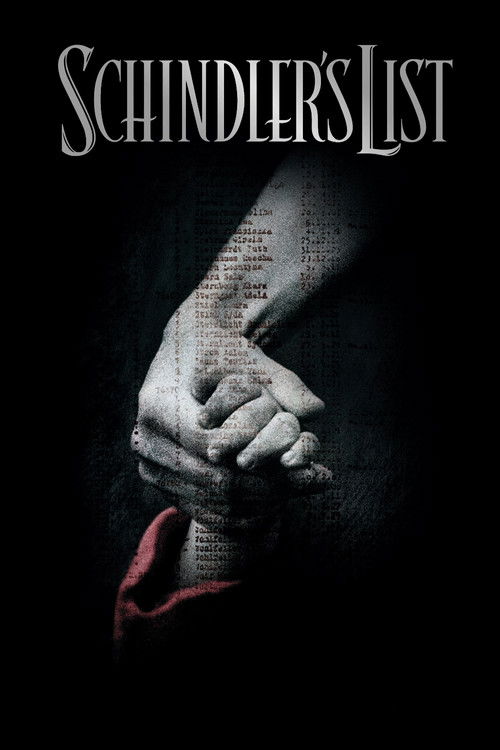
Schindler's List1993
Another three-hour historical epic about Jewish survival in Central Europe, but where Sunshine is intricate and generational, this is a taut moral thriller. Fiennes was even in it. Both demand emotional stamina and deliver profound catharsis.
But It's a Holocaust film, which means it goes to dark places. Some find Spielberg's approach too cleanly redemptive compared to the messier reality Sunshine explores.
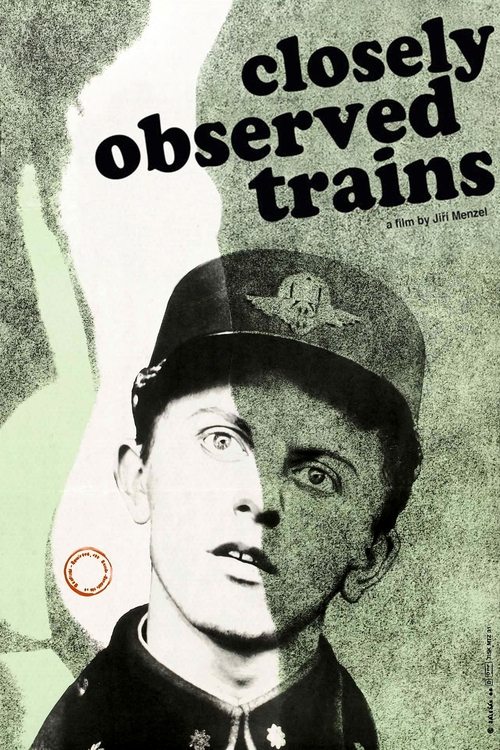
Closely Watched Trains1966
A Czech New Wave masterpiece about a young railway worker during the Nazi occupation. It has Sunshine's Central European sensibility and the way it braids dark history with human comedy and romantic yearning.
But It's a period piece from the 1960s that moves at its own speed. The black-and-white photography and dry humour won't appeal if you want contemporary pacing.
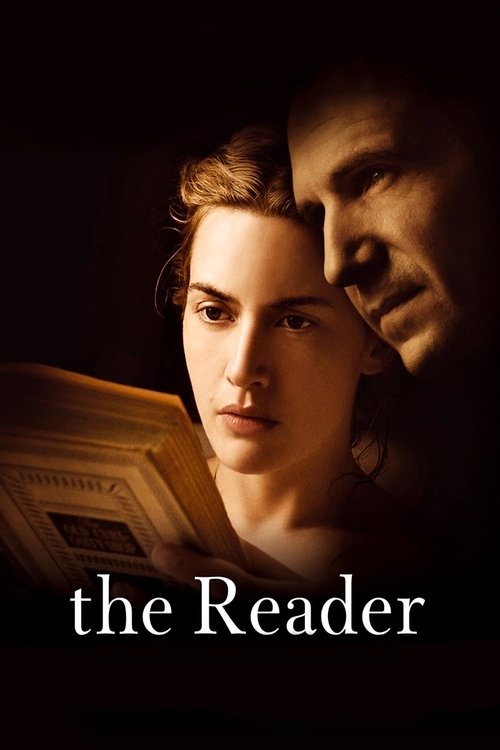
The Reader2008
Another three-generation narrative grappling with German-Jewish history and moral complexity. Ralph Fiennes again, actually—he plays the older version of the protagonist haunted by love and complicity.
But It's sometimes accused of making the Holocaust secondary to a love story, which some find tonally confused or self-indulgent.
Not sure tonight? Get a pick in a minute, starting from Sunshine
The wildcard
Something you would not have found on your own.
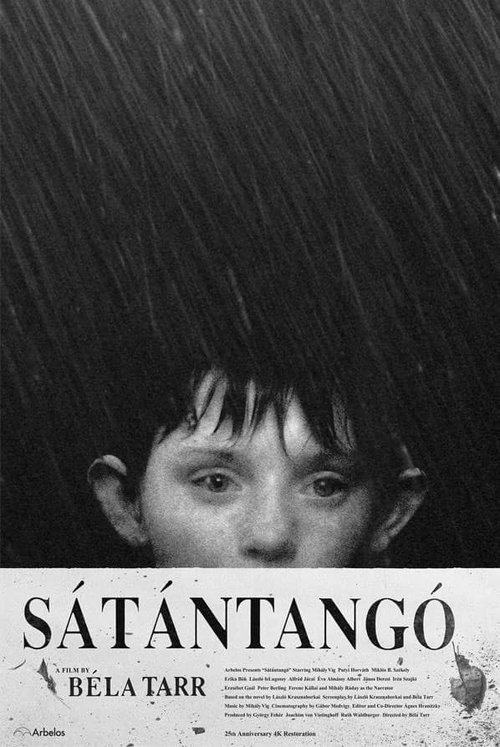
Satantango1994
Both are monumental Hungarian works examining collective and personal ruin with a glacial, unflinching eye. Both believe cinema can hold and transform grief.
Béla Tarr's seven-and-a-half-hour Hungarian masterpiece about the collapse of a community. Like Sunshine, it takes the long view of human experience and the weight of history, but it's a formally radical work—black-and-white, hypnotic, almost a philosophical essay in images. Both are endurance tests that transform patience into grace.
But This is one of the slowest films ever made. There are shots of people walking for minutes. If you struggled with Sunshine's length, this will feel punishing.
More like this (7)
Phoenix2014
A German film about a woman rebuilding her life in post-war Berlin, trying to reclaim identity after the camps. It shares Sunshine's interest in survival, identity, and the weight of historical trauma on intimate relationships.
But It's austere and slow, with minimal dialogue. The emotional beats are implied rather than spelled out, which can feel glacial if you want more narrative momentum.

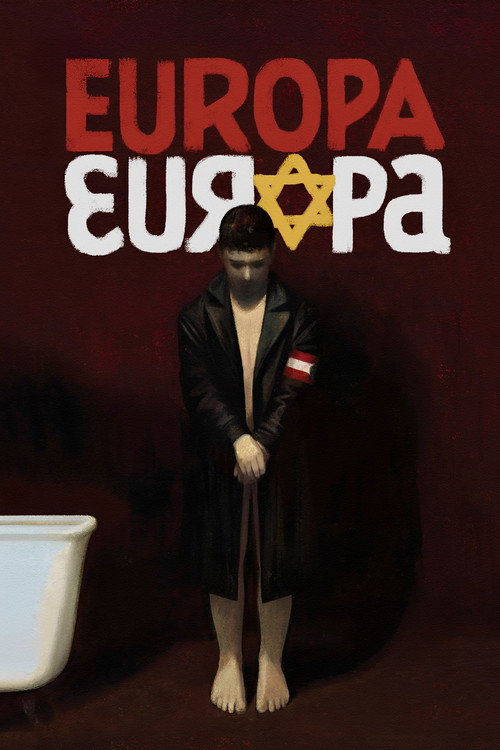
Europa Europa1990
Agnieszka Holland's baroque, genre-bending account of a Jewish boy passing as Aryan during the Nazi era. Like Sunshine, it's epic and personal at once, tracing how history invades and reshapes individual identity.
But It's sexually explicit and sometimes shifts tones jarringly between tragedy and dark comedy. The aesthetics can feel dated now.
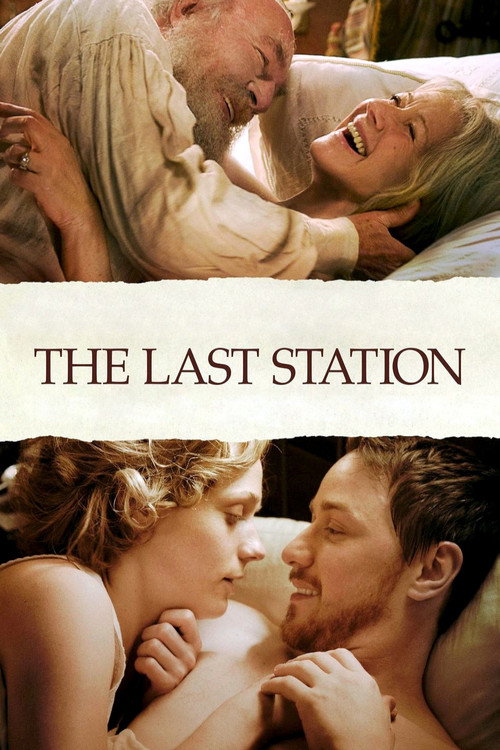
The Last Station2009
Fiennes as Tolstoy in his final days. Like Sunshine, it's interested in how a life can be read as a struggle between conflicting truths, ideals, and the messiness of being human across time.
But It's a prestige biopic of an old man in a house. If you want plot momentum rather than philosophical meditation, this isn't it.
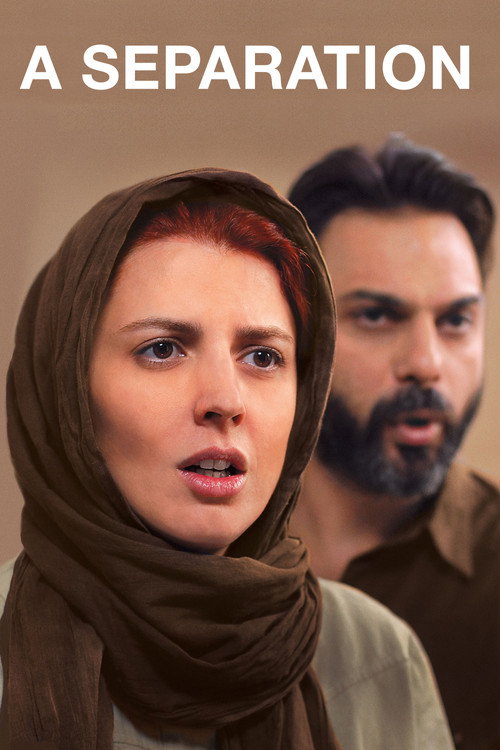
A Separation2011
An Iranian drama about marriage and family under pressure, told with the same moral and emotional intelligence that animates Sunshine. Different setting, same mastery of how history and law complicate love.
But It's set in contemporary Iran and concerns a divorce. The specificity of place might feel remote if you were drawn to Sunshine mainly for its historical scope.
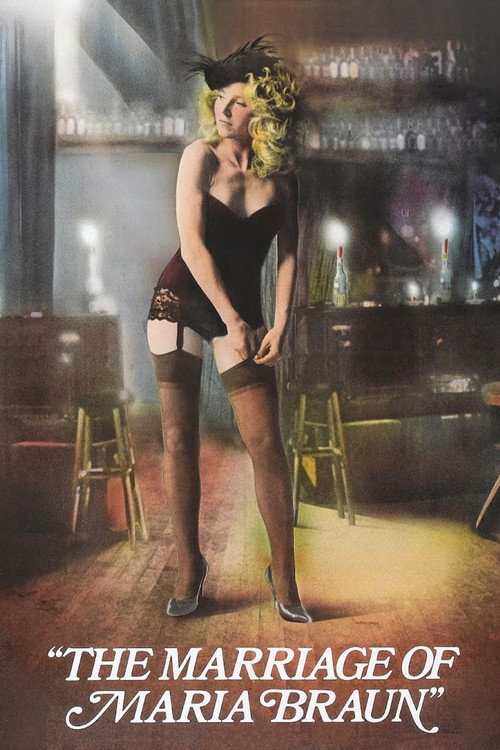
The Marriage of Maria Braun1979
Fassbinder's West German classic about a woman building a life after World War II. It shares Sunshine's interest in how individuals navigate between public history and private desire, with a similar epic ambition in compact form.
But It's a 1970s art film—deliberately stylised and sometimes opaque. The emotional register is cool rather than warm.
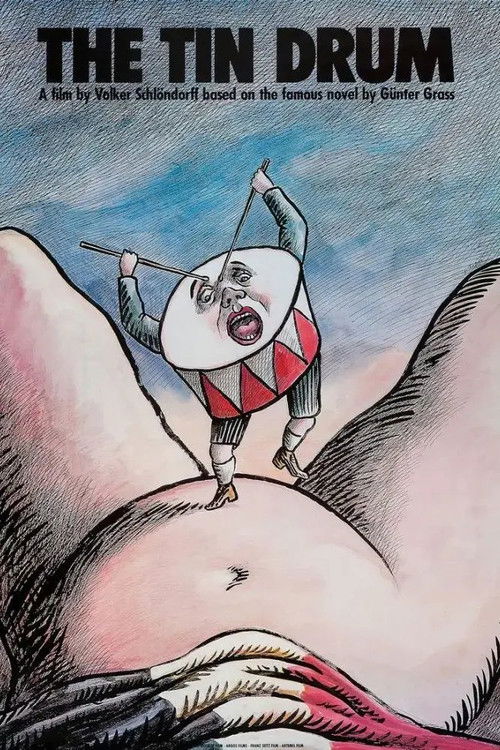
The Tin Drum1979
Both three-hour epics using a single family across generations to embody the catastrophe of modern European history. Both place a powerless observer at the center.
Volker Schlöndorff's phantasmagoric German epic about a boy refusing to grow during the Nazi era. Where Sunshine is restrained and accumulative, this is surreal and grotesque—but it's the same ambition to contain twentieth-century European history in a family saga, told through a figure who witnesses everything.
But It's provocative, sexually graphic, and deeply strange. Some find it brilliant; others find it gratuitous. The magical-realism register is a far cry from Sunshine's austere realism.
Tokyo Story1953
Both films believe that cinema's deepest power lies in attending to how people simply live and endure. Both are meditative and unsentimental about loss.
Ozu's achingly gentle film about an elderly couple visiting their son's family in post-war Tokyo. It's a completely different register and culture from Sunshine—there's almost no plot, just the texture of lives lived around each other. But it has the same faith that patient observation of small moments can express the largest truths, and the same way of making time itself the subject.
But It's utterly quiet and domestic. If you want the historical sweep and catastrophe that drew you to Sunshine, this offers the opposite: the everyday world after history has passed through.

People
Cast
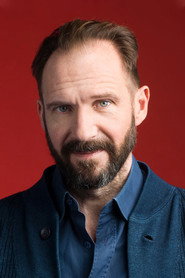 Ralph FiennesIgnatz / Adam / Ivan Sors
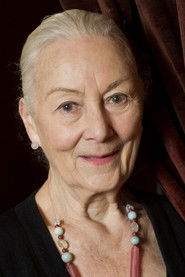 Rosemary HarrisValerie Sors
 Rachel WeiszGreta
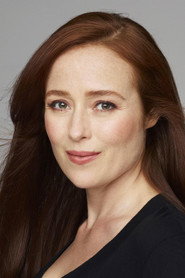 Jennifer EhleValerie Sonnenschein
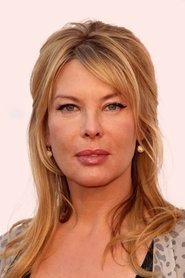 Deborah Kara UngerCarole Kovacs
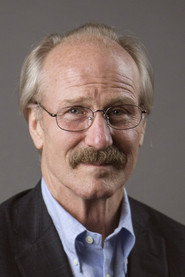 William HurtAndor Knorr
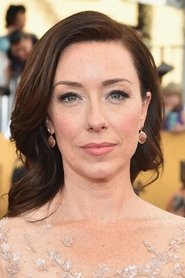 Molly ParkerHannah Wippler
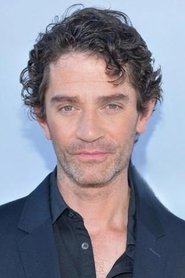 James FrainGustave Sonnenschein
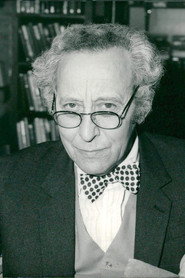 David de KeyserEmmanuel Sonnenschein
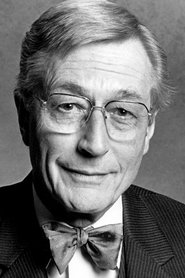 John NevilleGustave Sors
 Miriam MargolyesRose Sonnenschein
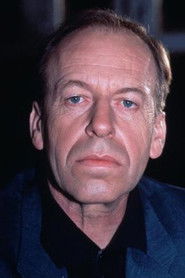 Rüdiger VoglerJakofalvy
Directing
- István SzabóDirector
- Gábor GajdosFirst Assistant Director
- Gabriella WinklerScript Supervisor
- Kerric MacdonaldSecond Assistant Director
- Mariann UngiSecond Assistant Director
Writing
- Israel HorovitzScreenplay
- István SzabóScreenplay
- István SzabóStory
Production
- Deirdre BowenCasting
- Leo DavisCasting
- Jonathan DebinExecutive Producer
- Rainer KölmelExecutive Producer
- András HámoriProducer
- Robert LantosProducer
Recommended by
The English Patient, Pitch Black, Prometheus, Serenity, Apollo 18, Marvin's Room, Pandorum, Grabbers, The Cloverfield Paradox, The Tattooist of Auschwitz, The Last Days on Mars, The Cage, Space Cases, Supernova, Red Planet, Europa Report, Containment, The Shape of Things to Come, Alien: Romulus, National Theatre Live: Leopoldstadt, Alien Resurrection, Stranded, 28 Years Later: The Bone Temple