
Film
Phoenix
- Drama
- Very dark
A haunting post-war psychological thriller about identity and betrayal. Nelly, a cabaret singer scarred by Auschwitz, returns to Berlin surgically transformed. When her husband fails to recognize her, she infiltrates his life to test his fidelity and uncover dark truths. A tense, morally complex film about the masks we wear and the monsters we become.
Should you watch it?
Watch it if you like postwar stories told through restraint, where a single look carries more weight than a monologue, and a suspense plot is quietly reshaping your sense of who people are.
Skip it if you need brisk momentum or clear direction, since it moves at a patient, withheld pace and stays emotionally cool for much of its running time.
What it asks of you: a steady, unhurried 98 minutes of watching faces and reading silences, with its darkness kept muted rather than wallowed in, so attention pays off slowly.
Not sure? Find tonight's pick in a minute.
If you liked this
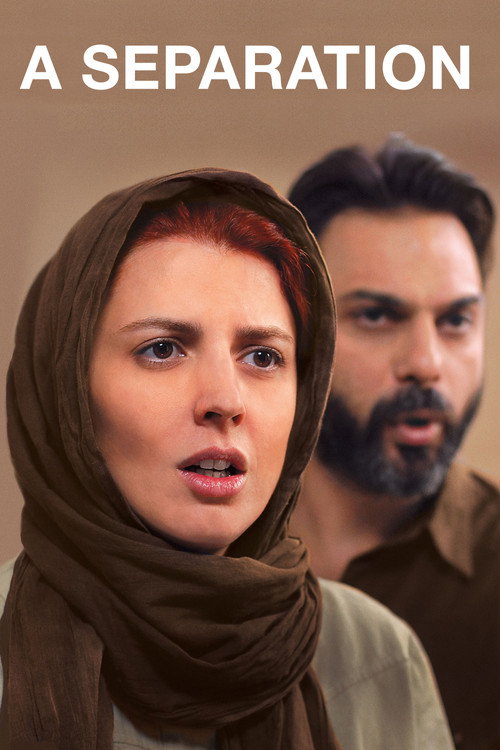
A Separation2011
Like Phoenix, this Iranian masterpiece examines moral ambiguity through intimate family fracture. Every scene reveals new layers of betrayal and self-deception, building unbearable tension without easy villains or solutions.
But Deliberately paced and emotionally exhausting. There's no catharsis, only the slow collapse of certainty and the recognition that everyone has betrayed someone.
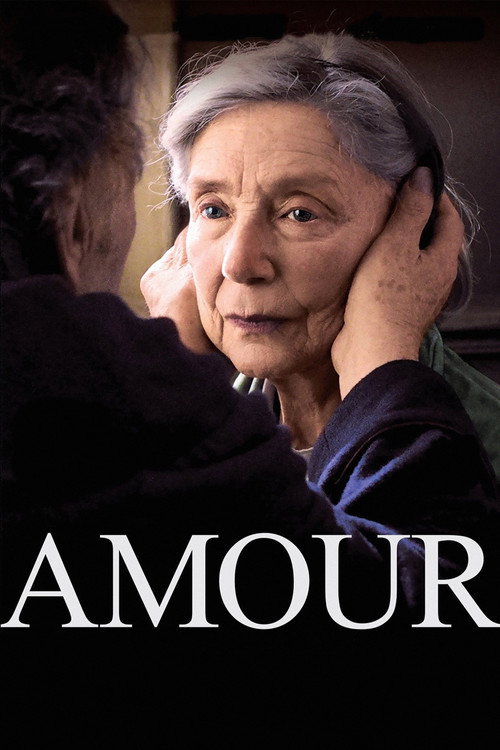
Amour2012
Both films confront the wreckage left behind by history and time on those who survive. This observes love and loyalty tested by illness with the same unflinching eye Phoenix trains on post-war trauma and deception.
But Watching it is like holding your breath. Michael Haneke finds no consolation in his story, only dignity and quiet despair.
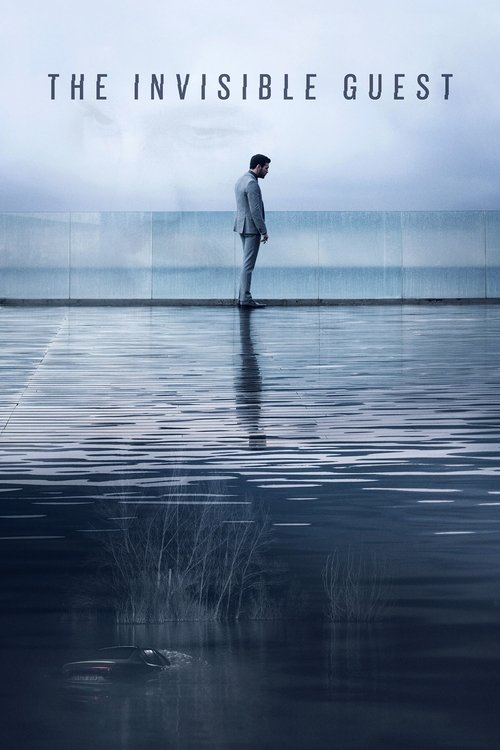
The Invisible Guest2017
A thriller that shares Phoenix's obsession with unreliable identity and the possibility of betrayal hiding in plain sight. Twists accumulate without feeling cheap, earning their sting through careful construction.
But Spanish crime thriller that relies on plot mechanics some will find manipulative. If you watch for character depth alone, the machinery shows.
Not sure tonight? Get a pick in a minute, starting from Phoenix
The wildcard
Something you would not have found on your own.
Lady Vengeance2005
Both use a woman's reconstructed or hidden self as a tool for testing male betrayal. Both ask whether becoming a weapon against someone restores you or hollows you out entirely.
Park Chan-wook's final revenge film, about a woman who orchestrates the ruin of the man who destroyed her. Like Phoenix, it's about infiltration, disguise, and the question of whether revenge restores identity or erases it further. Far more visually baroque and operatic—a high-wire act of style and cruelty.
But Graphic violence and a moral register that celebrates cunning over redemption. Much prettier and pulpier than Phoenix, which puts some viewers off its seriousness.

More like this (8)
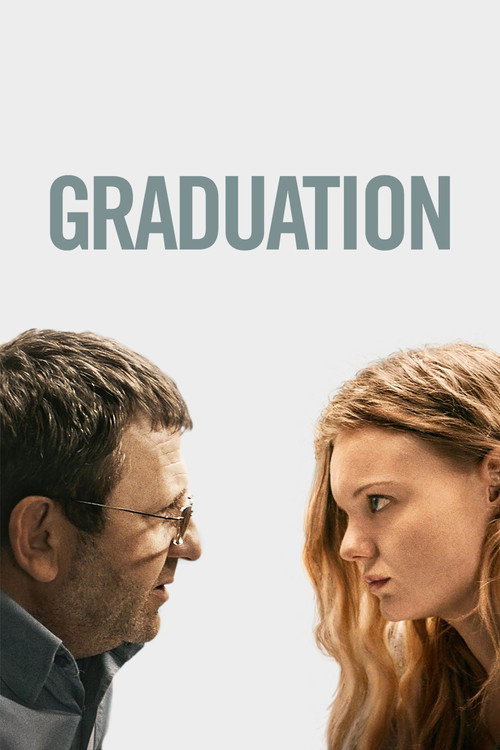
Graduation2016
Another Cristian Mungiu examination of corruption and compromise in the aftermath of dictatorship. A man's complicity creeps forward inch by inch, mirroring Phoenix's slow poisoning of trust and self-knowledge.
But Glacially slow and designed to make you uncomfortable rather than moved. Mungiu withholds warmth as a method, which some find punishing.
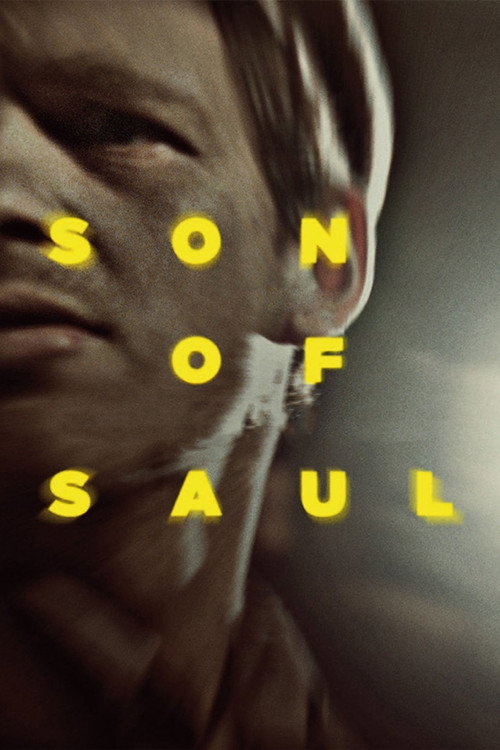
Son of Saul2015
Set inside Auschwitz itself, this Hungarian film shares Phoenix's refusal to sentimentalize survival. Both understand that trauma doesn't resolve; it refracts through everything that comes after, poisoning even love.
But Unbearably difficult subject matter rendered with unflinching directness. The cinematography keeps you trapped in physical horror; there's no distance to hide behind.
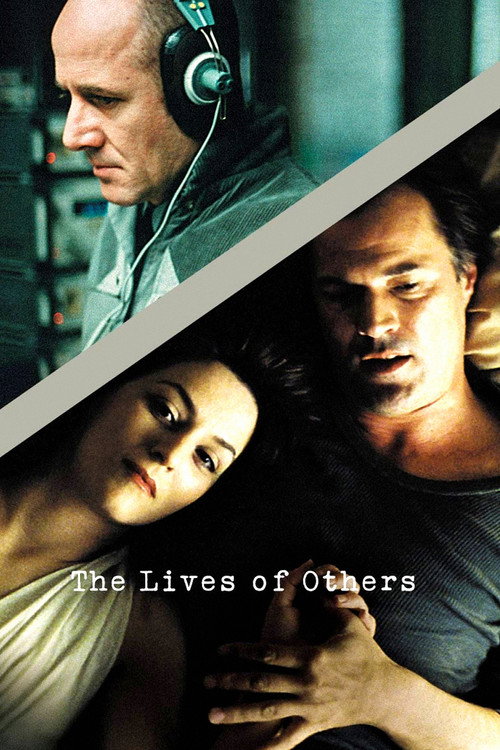
The Lives of Others2006
A Berlin-set spy thriller built on observation and the question of whether anyone can be trusted. Like Phoenix, it's about surveillance as a form of intimacy and the moral vertigo of knowing too much.
But Cold War espionage can feel dated now. Some viewers find the redemptive turn in the third act unearned after the careful moral ambiguity that precedes it.
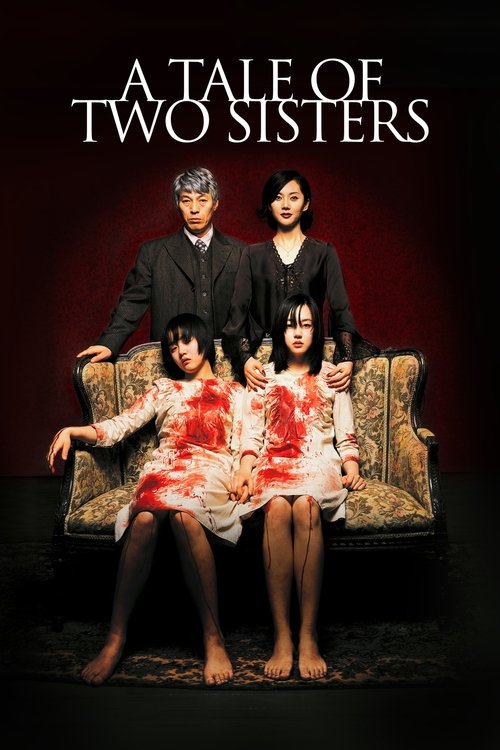
A Tale of Two Sisters2003
A South Korean psychological horror that, like Phoenix, uses the unreliable narrator to trap you in subjective terror. Identity fractures; you can never quite trust what you're seeing or who is real.
But Horror conventions will alienate drama purists. The final twist divides viewers sharply—some find it profound, others feel cheated.
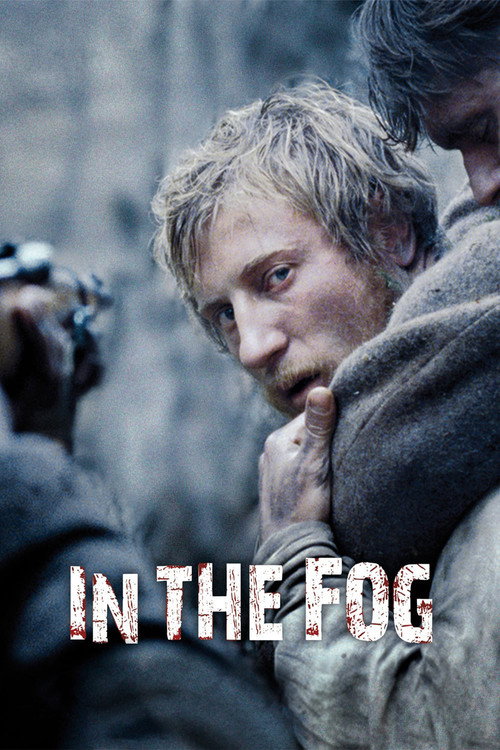
In the Fog2012
A Belarusian WWII film about a man suspected of collaboration, wrestling with suspicion and proof. Like Phoenix, it understands that survival sometimes requires becoming someone you despise, and that your accusers might be right.
But Arrives with minimal distribution history in English-speaking countries. Visually stark and demanding, refusing to guide you toward moral comfort.
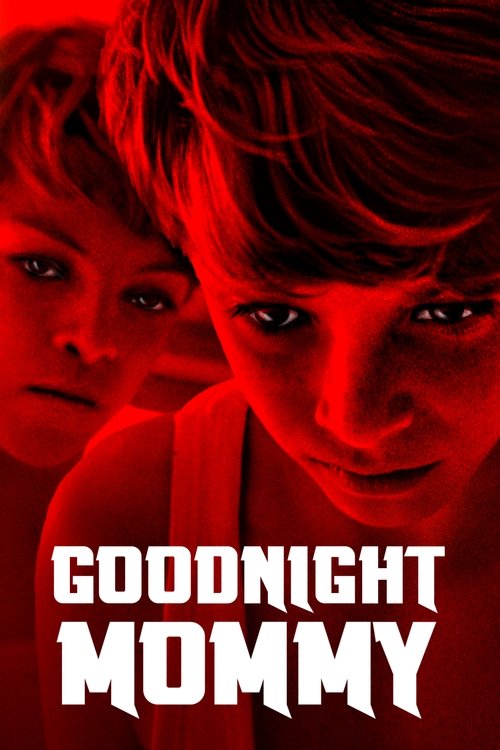
Goodnight Mommy2015
An Austrian psychological horror released the same year as Phoenix, exploring identity through a mother's post-surgical transformation. Like Phoenix, it weaponizes the familiar made strange and asks whether we can ever truly know anyone.
But Leans hard into genre shock and body horror. The twist polarizes—some find it brilliant, others feel the film has been dishonest with you.
The Ascent1977
Both are post-war meditations on what remains of the soul after survival. Both refuse to distinguish sharply between victims and perpetrators, seeing only human beings ground down by history.
Andrei Tarkovsky's film about two Soviet resistance fighters in occupied Belarus, wrestling with faith, loyalty, and collaboration. No plot machinery—just men confronting impossible moral choices while moving through a ravaged landscape. Apocalyptic and transcendent.
But A 1970s Soviet film by a demanding avant-garde director. It's austere, glacial, and offers no reassurance. Many will find it forbidding; most viewers will not complete it.

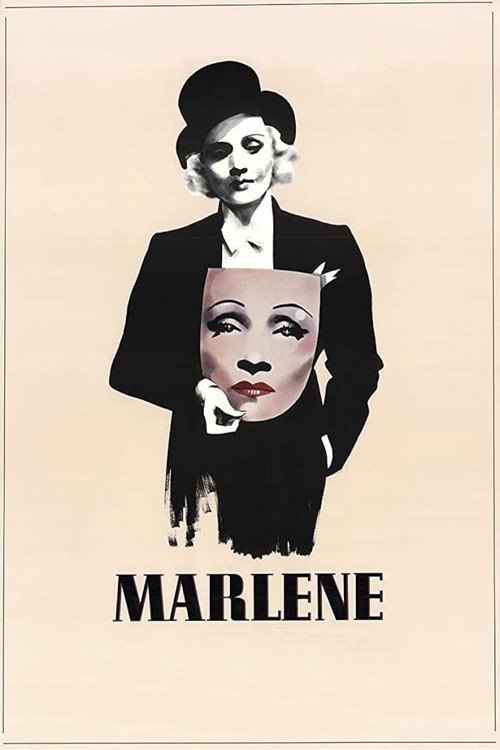
Marlene1984
Both explore what it means for a woman to reconstruct herself after catastrophe, using the mechanics of performance and disguise. Both understand that survival sometimes means becoming unrecognizable, even to yourself.
A documentary about Marlene Dietrich structured as a one-sided phone conversation, made by Maximilian Schell. Like Phoenix, it's about a performer who reinvented herself after exile, told through absence and implication rather than exposition. A meditation on fame, survival, and what happens when identity becomes performance.
But A documentary presented as an experimental audio piece. No images of Dietrich after the 1960s; you only hear her voice and see black and white archives. Some find it unbearably tedious; others find it hypnotic.
People
Cast
 Nina HossNelly Lenz
 Ronald ZehrfeldJohnny Lenz
 Nina KunzendorfLene Winter
 Trystan PütterSoldat an Brücke
 Michael MaertensArzt
 Imogen KoggeElisabeth
 Felix RömerGeiger
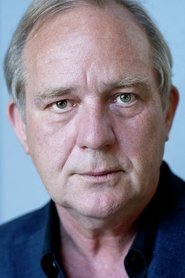 Uwe PreussClubbesitzer
 Valerie KochTänzerin
 Eva BayTänzerin
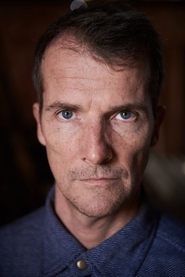 Jeff BurrellSoldat im Club
 Nikola KastnerJunge Frau
Directing
- Ires JungAssistant Director
- Christian PetzoldDirector
- Frederic MorietteScript Supervisor
Writing
- Harun FarockiCo-Writer
- Hubert MonteilhetNovel
- Christian PetzoldScreenplay
Production
- Simone BärCasting
- Jacek GaczkowskiExecutive Producer
- Piotr StrzeleckiExecutive Producer
- Florian Koerner von GustorfProducer
- Michael WeberProducer
- Dorissa BerningerProduction Manager
Recommended by
Son of Saul, Ida, Sunshine, Nagasaki: Memories of My Son, Barbara, Turtles Can Fly, Song Without a Name, Splash Splash Love, I Love You Phillip Morris, The Memory Thief, The Night Train, Before the Fall, A Thousand And One Nights in Bohemia