
Film
Barbara
- Drama
- Slow-burning
A German film set in 1980s East Germany about a doctor exiled to a remote clinic for her political dissent. It's a slow-burn psychological thriller wrapped in the mundane textures of hospital routine—fluorescent lights, forged smiles, paranoia that might be justified. Quietly devastating. For anyone who loved the moral claustrophobia of le Carré but wants it even colder.
Should you watch it?
Watch it if you like films that build tension out of glances, silences and small gestures, where a withheld face tells you more than dialogue ever could.
Skip it if you want warmth or a brisk plot; this is cool, clipped and deliberately withholding, and its suspense runs on watching rather than on events.
What it asks of you: Patience with long, unhurried takes and a lot of quiet, where the meaning sits in what goes unsaid across a single scene.
Not sure? Find tonight's pick in a minute.
If you liked this
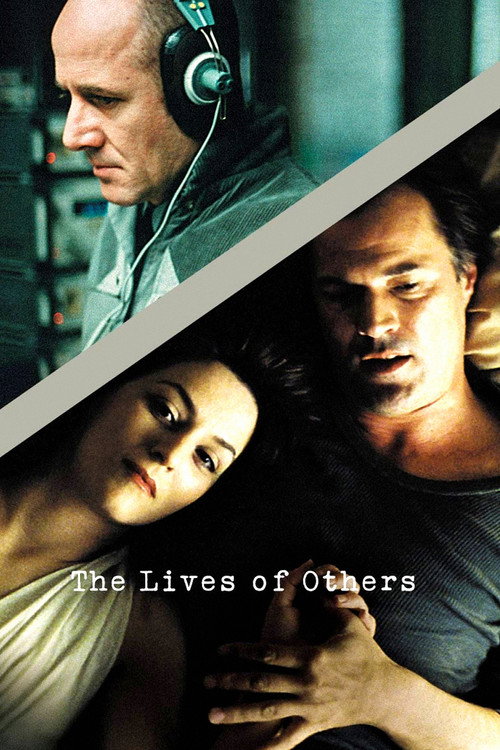
The Lives of Others2006
Another East German spy story, but told from the watcher's perspective. Ulrich Mühe is extraordinary as the Stasi officer who begins to question his work. It has the same suffocating atmosphere and the same question: who can you trust?
But Somewhat more conventional in structure than Barbara, and the emotional arc is more clearly signposted. Less ambiguity, more catharsis.
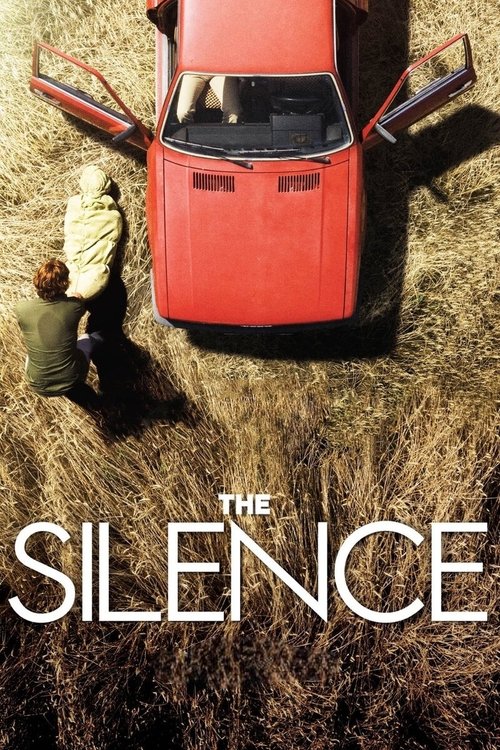
The Silence2010
Polish drama about a priest taking a vow of silence during Communist-era Poland. Like Barbara, it explores how totalitarianism warps human connection through the smallest, quietest gestures of resistance and capitulation.
But Religious themes. Slower than slow. The payoff is philosophical rather than narrative.
Stalker1979
Tarkovsky's masterpiece about a guide leading strangers through a mysterious zone. The paranoia and the moral weight of Barbara exist here too, but in a science-fiction key. Meditative, hypnotic, unforgettable.
But 163 minutes of almost nothing happening in a visual sense. You must be willing to sit in ambiguity and let the film work on you rather than grab you.

Not sure tonight? Get a pick in a minute, starting from Barbara
The wildcard
Something you would not have found on your own.
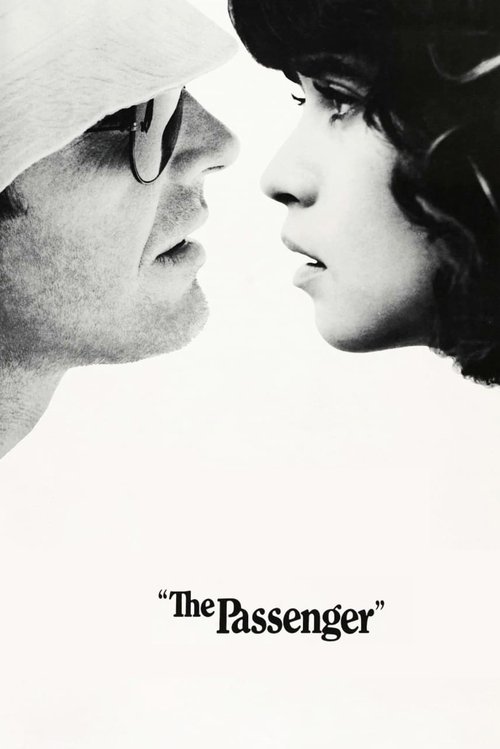
The Passenger1975
Both films explore identity as performance under duress. Both refuse to resolve the protagonist's interior moral crisis. Both are visually austere and emotionally precise about isolation.
Michelangelo Antonioni's film about a man assuming another identity—the inverse of Barbara's situation. Where she's forced into a false identity and must maintain caution, he chooses it and dissolves into it. Same thematic core: who are we when we're watched, or when we watch ourselves? A masterpiece of alienation that moves like a dream.
But Nearly three hours of 1970s existentialism. The plot barely exists. Jack Nicholson's minimalism may feel like inertia if you're expecting conventional drama.
More like this (5)
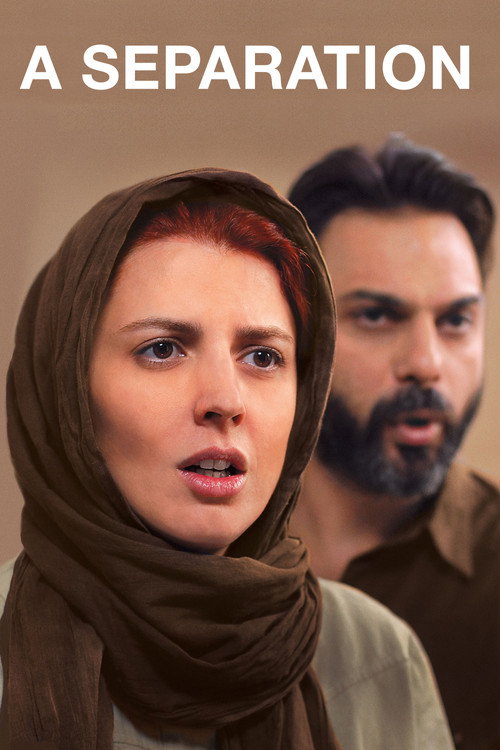
A Separation2011
An Iranian drama where every conversation becomes a battleground. People speaking past each other, lying, half-truthful. The architecture of trust collapsing in close-up. Morally intricate in ways that match Barbara's refusal to offer easy judgments.
But Considerably more plot-driven. Some find the ending too neat, too resolved. Less ambiguous than Barbara.
Come and See1985
A Soviet film about a boy during WWII. The atmosphere of dread and contamination is total. Where Barbara is quiet horror, this is screaming horror, but the DNA is the same: how do ordinary people survive extraordinary cruelty?
But Brutal and relentless. Genuinely traumatic. Not a film you watch for pleasure in any traditional sense.

Phoenix2014
Also German, also about identity and trust after catastrophe. A woman returns from the dead, or nearly. Ambiguity about whether she's believed, whether she's real, whether anything is as it seems. Stylish where Barbara is austere, but kindred in mood.
But More genre-inflected noir. Some viewers find it precious or overly designed. Less naturalistic than Barbara's approach.

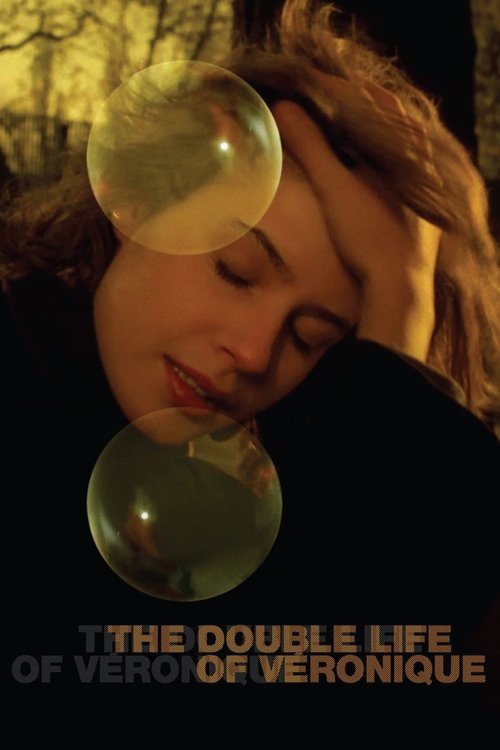
The Double Life of Véronique1991
Both films use a second presence (André, the double) to interrogate identity and the self. Both employ remarkable female performances anchoring philosophical unease. Both trust the viewer to sit with discomfort.
A Polish-French film where a woman encounters her exact double. It sounds fantastical but functions as intimate psychological drama. Kieslowski creates an atmosphere of fate and doubling that mirrors Barbara's paranoia—is this woman your ally or your mirror? Are you even yourself? Gorgeously composed.
But Operates in a semi-magical register. Some viewers find it obscure or precious. Requires patience with ambiguity and visual poetry over plot momentum.
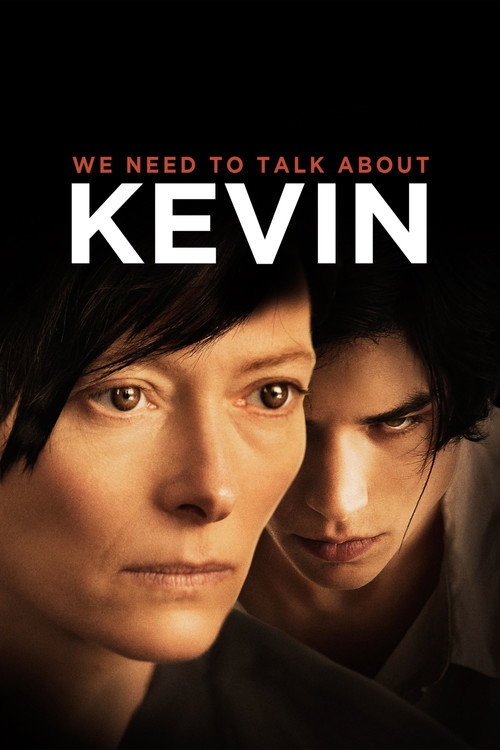
We Need to Talk About Kevin2011
Both examine trust and distance within relationships that should be intimate. Both refuse to let the protagonist off the hook morally. Both use formal precision to convey internal chaos. Both are about the gap between what we think we know and what is actually true.
Lynne Ramsay's film about a mother and a son fractured by violence. It's formally experimental—looping time, fragmented narrative—in ways Barbara is not, but it shares the same interrogation: how do we live with doubt and guilt and the impossibility of knowing another person? Tilda Swinton is magnificent.
But Visually aggressive and formally difficult. The subject matter is unbearable. Not a comfort film by any measure. Far less restrained in its emotional register than Barbara.
People
Cast
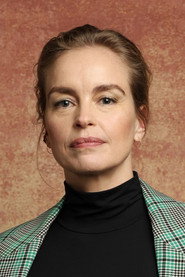 Nina HossBarbara
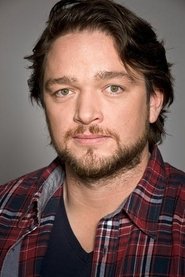 Ronald ZehrfeldAndré
 Rainer BockKlaus Schütz
 Christina HeckeAssistenzärztin Schulze
 Claudia Geisler-BadingStationsschwester Schlösser
 Peter WeissMedizinstudent
- Carolin HauptMedizinstudentin
- Deniz PetzoldAngelo
 Rosa EnskatHausmeisterin Bungert
 Jasna Fritzi BauerStella
 Peer-Uwe TeskaKellner im Ausflugslokal
 Elisabeth LehmannJunge Kellnerin
Directing
- Christian PetzoldDirector
- Ires JungFirst Assistant Director
- Frederic MorietteScript Supervisor
- Madita SelasSecond Assistant Director
Writing
- Christian PetzoldScreenplay
- Harun FarockiWriter
Production
- Barbara PillingAssistant Unit Manager
- Ronny EngelAssistant Unit Manager
- Simone BärCasting
- Michael WeberExecutive Producer
- Madita SelasExtras Casting
- Matthias RuppeltLocation Manager
- Michael SegebarthLocation Manager
- Anne EvenProducer
- Florian Koerner von GustorfProducer
- Katija BerottProduction Accountant
- Clarice de CastroProduction Assistant
- Badr ZouhirProduction Driver
- Jack HofmeisterProduction Driver
- Marlene WoznickiProduction Driver
- Dorissa BerningerProduction Manager
- Alexandra FaussierPublicist
- Florence AlexandrePublicist
- Joshua JasonPublicist
- Marcin J. SobczakPublicist
- Richard LormandPublicist
- Angelika GötzResearcher
- Matthias RuppeltUnit Manager
Recommended by
The Lives of Others, Good Bye, Lenin!, The Maid, The Life and Times of Rosie the Riveter