
Film
Nagasaki: Memories of My Son
- Magical realism
- Drama
- Science fiction
- Slow-burning
A Nagasaki midwife is visited by the ghost of her son, killed in the atomic bombing three years prior. This is a film about grief that refuses easy catharsis, finding instead a strange, almost magical equilibrium between loss and presence. Quiet, patient, and deeply Japanese in its restraint—for those willing to sit with sorrow and find grace in it.
If you liked this
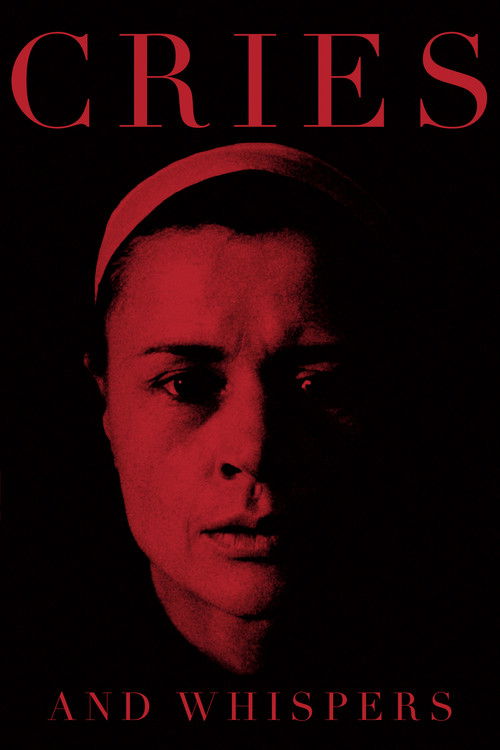
Cries and Whispers1972
Bergman's masterpiece about female bonds and mortality across generations. Like Nagasaki, it finds visual and emotional beauty in suffering without diminishing it, and trusts the camera to observe rather than explain.
But Bleak, slow, and visually austere. The unrelenting focus on pain with minimal plot or conventional drama can feel punishing rather than moving.
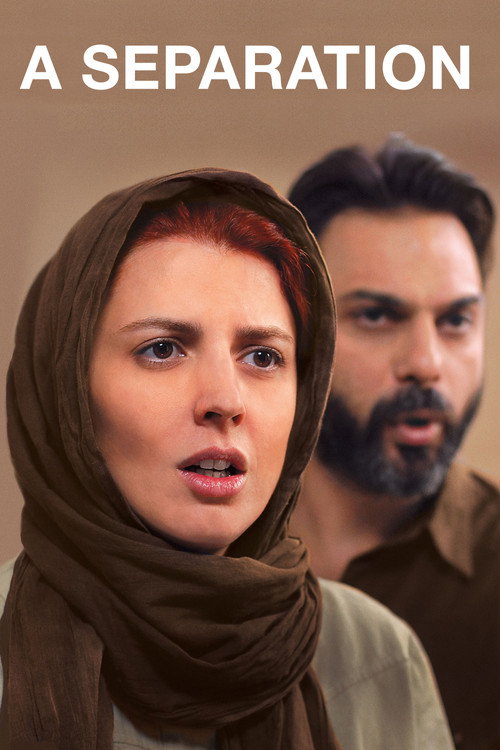
A Separation2011
Iranian domestic drama of devastating moral complexity. Shares Nagasaki's commitment to human contradiction, refusing to let any character become simply right or wrong, and treating quiet moments as profoundly as confrontations.
But No cathartic resolution; the ambiguity about what's just or true may feel unresolved. Long sequences of dialogue in a language some viewers don't speak can test patience.
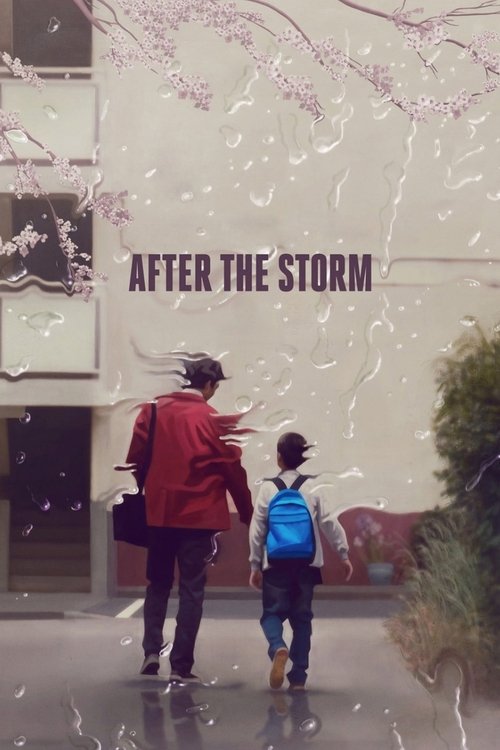
After the Storm2016
Kore-eda's portrait of a family fractured by accident and time, held together by small kindnesses. The supernatural element—memory made tangible—echoes Nagasaki's blend of reality and something beyond it, and the tenderness is devastating.
But Structurally meandering and plot-light. Some will find it precious rather than profound; patience with quietness is essential.
Not sure tonight? Get a pick in a minute, starting from Nagasaki: Memories of My Son
The wildcard
Something you would not have found on your own.
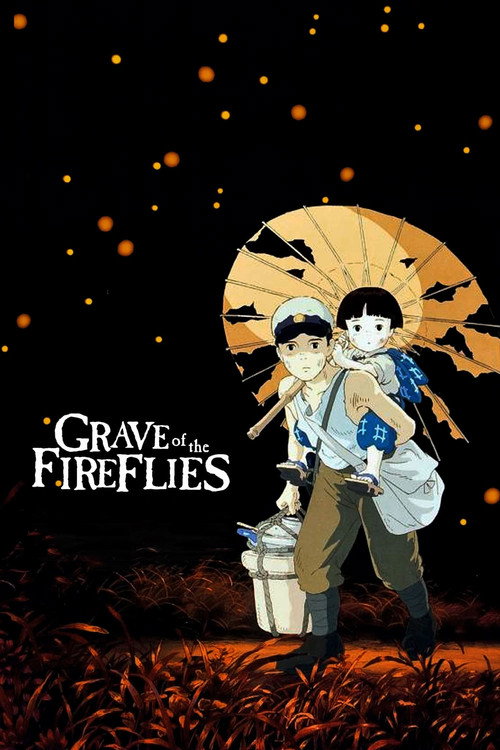
Grave of the Fireflies1988
Both examine the specific Japanese experience of nuclear war and loss through intimate family bonds rather than historical overview. Both treat the dead as present, and present as incomplete without them.
An animated film about two orphaned siblings in wartime Japan, one gradually dying from malnutrition. It is perhaps the most devastating depiction of atomic war's aftermath ever made, sharing Nagasaki's refusal to turn suffering into lesson or sentiment. Watch it once. You will not need to again.
But Emotionally annihilating. This is not a film you watch for pleasure; it is a moral experience that some viewers cannot or should not undertake.
More like this (8)
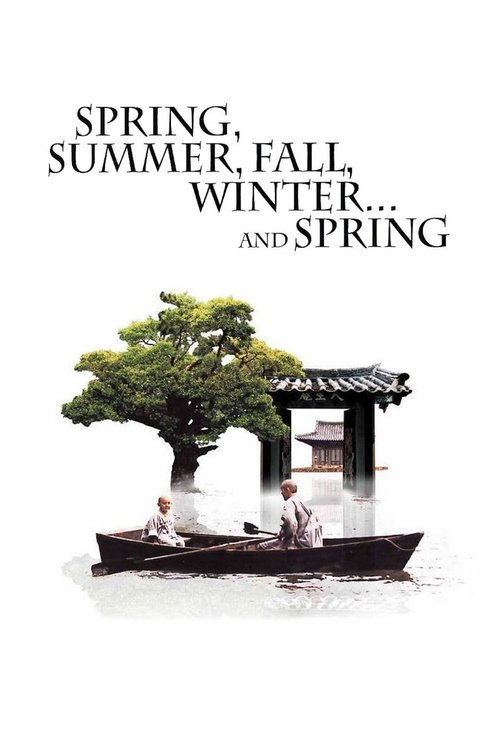
Spring, Summer, Fall, Winter... and Spring2003
A Buddhist monk's cycle of life, loss, and return on an isolated lake. Like Nagasaki, it uses stillness and recurrence to explore grief and acceptance, with visual poetry that never tips into sentimentality.
But Extremely slow and allegorical. It's as much a meditation as a narrative, which can feel oblique or even impenetrable on first viewing.
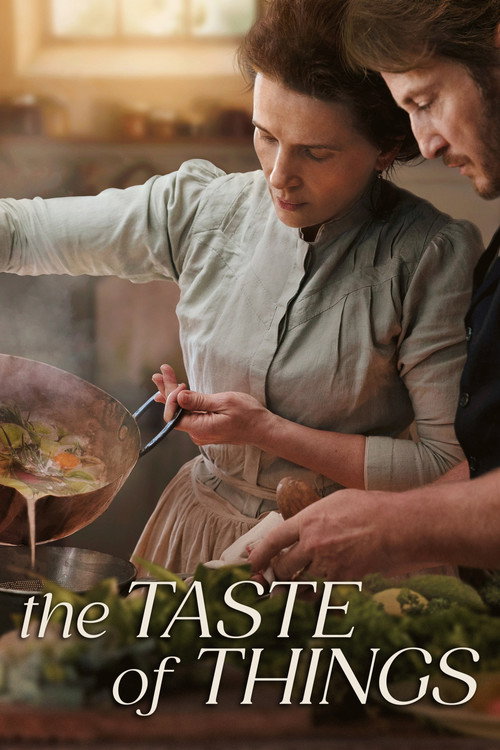
The Taste of Things2023
A French chef's life after his partner's death, told through food and small gestures. Shares Nagasaki's understanding that love persists in ordinary rituals, and that presence—even absence—can be felt and savored.
But Deliberately paced. The film moves at the speed of grief, which is slow, and some viewers want more external conflict or momentum.
Ikiru1952
Kurosawa's portrait of a dying man finding meaning in legacy. A Japanese masterpiece about mortality and what we leave behind, with the same moral seriousness and visual restraint as Nagasaki, and it will stop your heart.
But Released nearly 70 years ago, and it shows. The pacing is deliberate to the point of severity; modern viewers accustomed to faster editing may struggle.

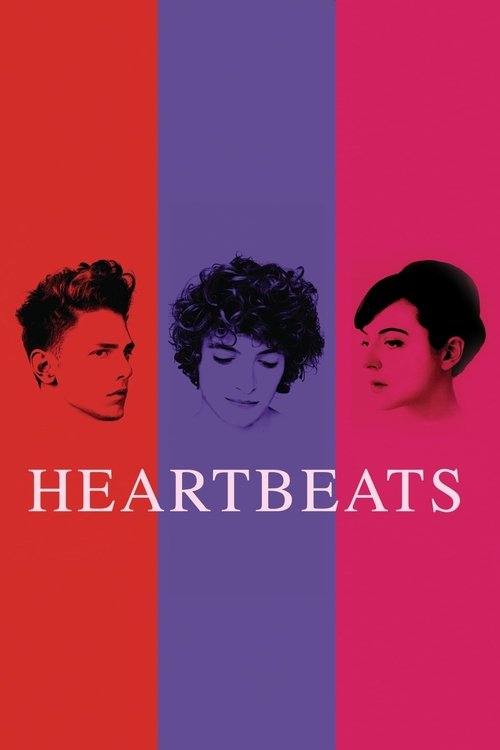
Heartbeats2010
Xavier Dolan's debut about desire and loss among three young friends. Despite the generational gap with Nagasaki, it shares the film's understanding that love and grief are not separate—they're the same force from different angles.
But Dolan's formal experiments—sped-up sequences, primary color blocking, arch voiceover—can read as stylistic excess. Some find it self-conscious rather than moving.
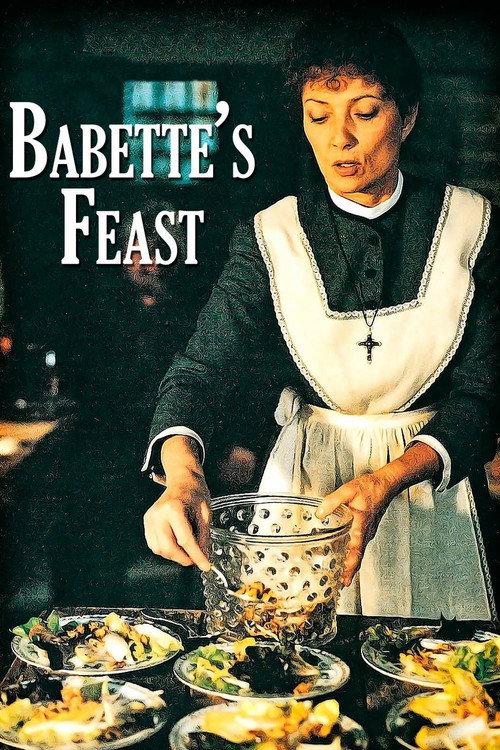
Babette's Feast1987
A French chef prepares one magnificent meal for an austere religious community. Like Nagasaki, it finds the sacred in the material world and in acts of giving; it's about how love persists even when unacknowledged.
But The first two-thirds are slow-burn establishment. If you need immediate emotional payoff, the long setup may feel precious rather than worthwhile.
Phoenix2014
A German woman, scarred by the Holocaust, returns to her husband who may or may not recognize her. The film's exploration of identity and whether we can truly be known by those we love connects to Nagasaki's central haunting.
But Morally unsettling and sexually uncomfortable. The ambiguity about what the protagonist should do—and what we should want for her—offers no comfort.

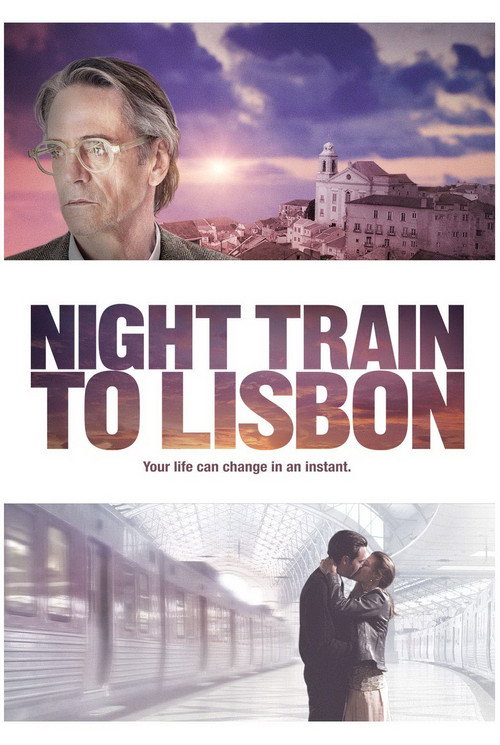
Night Train to Lisbon2013
Both use the supernatural or the uncanny—a ghost, a stranger's inexplicable appearance—as a portal into questions about knowledge, intimacy, and what we owe to the dead.
Based on Pascal Mercier's novel, it's a philosophical mystery about an older man's pursuit of answers after a chance encounter with a stranger's memoirs. Like Nagasaki, it's interested in how the past surfaces unexpectedly and whether we can ever truly understand another person's interior life.
But Literarily ambitious and sometimes ponderous. The film reaches for profundity and doesn't always land; some will find it pretentious or overstuffed.
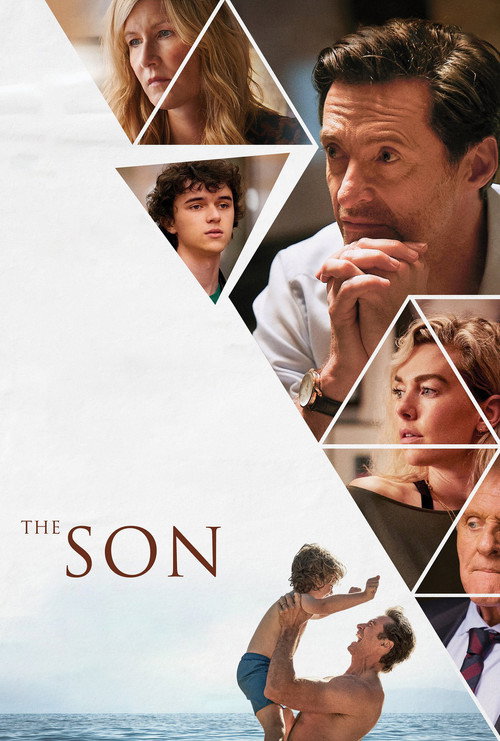
The Son2022
Both explore the unbridgeable distance between parent and child—one mourning a death, one watching a living death. Both ask whether presence is ever enough, or if some gaps cannot close.
Florian Zeller's film about a father noticing his son is slipping into depression. It's formally inventive, shifting perspective and time without warning, which mirrors the disorientation of watching someone you love become unreachable. The grief here is prospective and confused rather than settled.
But The fractured narrative can feel gimmicky. Some viewers will find the formal experiment more interesting than the emotional truth, or vice versa.
People
Cast
 Sayuri YoshinagaNobuko Fukuhara
 Kazunari NinomiyaKoji Fukuhara
 Haru KurokiMachiko Sata



- Wade ReedAmerican Weapons Officer
Directing
- Yoji YamadaDirector
Writing
- Emiko HiramatsuScreenplay
- Yoji YamadaScreenplay
Production
- Nozomu EnokiProducer