
Film
In This Corner of the World
A tender, exactingly researched animated portrait of one ordinary woman's life in wartime Kure and Hiroshima, told through domestic detail rather than battlefield spectacle. Suzu's small joys and improvisations against scarcity make the encroaching catastrophe land harder when it finally does. Gentle pacing, watercolour-soft visuals, and a devastating final act — for anyone who wants war seen from the kitchen table, not the front line.
If you liked this
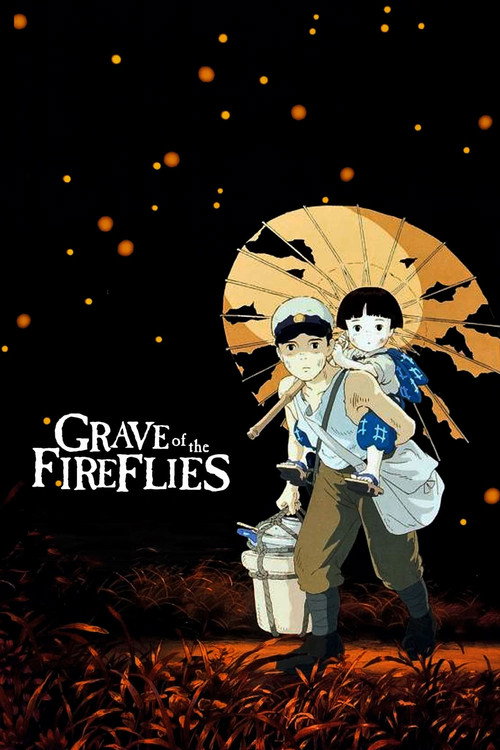
Grave of the Fireflies1988
Also tells World War II from a child's-eye civilian view rather than the battlefield, and pairs beautifully with In This Corner's slow build toward loss — the same lineage of unflinching, gorgeous grief.
But It offers almost none of the warmth or resilience that carries Suzu through — this is despair without much relief.
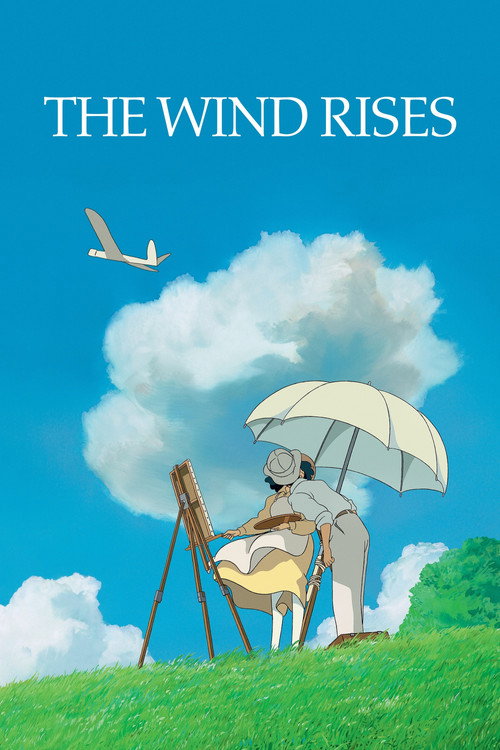
The Wind Rises2013
Miyazaki's fictionalised biopic of the man who designed the Zero fighter shares the same historical moment and the same instinct to find beauty inside catastrophe, dreamlike and elegiac throughout.
But Its protagonist is complicit in the war machine, which makes it a colder, more ambivalent watch than Suzu's story.
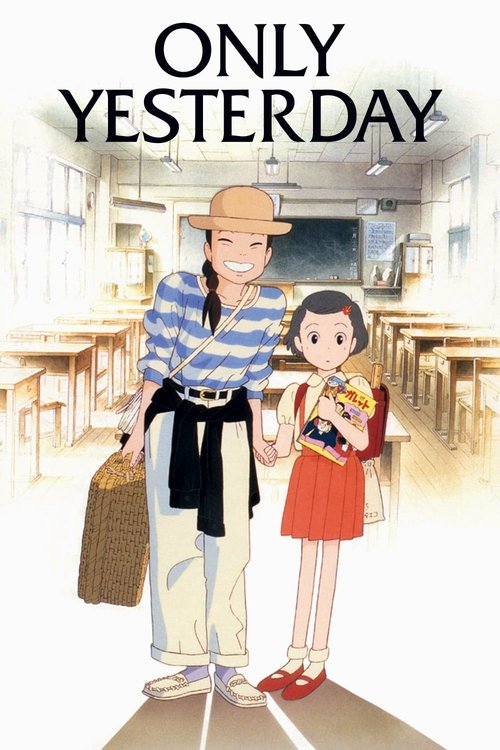
Only Yesterday1991
Takahata's earlier film obsesses over the exact same textures — food, chores, small rituals — that make In This Corner sing, minus the war, all nostalgia and quiet regret.
But There's no historical urgency here, just a woman remembering her adolescence — it can feel slight by comparison.
The wildcard
Something you would not have found on your own.
Twenty-Four Eyes1954no page yet
Made by people who'd actually lived through the war, it invented the exact move In This Corner borrows decades later: tracking history through a schoolroom or kitchen instead of a battlefield.
A 1954 Japanese classic that follows a village schoolteacher and her pupils through the same war years, watching history arrive in the form of empty desks rather than headlines.
But It's black-and-white, unhurried, and openly sentimental in a way modern audiences sometimes find syrupy.
More like this (8)
The Boy and the Heron2023no page yet
Miyazaki's most recent film returns to wartime Japan and childhood loss with the same tenderness toward ordinary domestic life amid catastrophe, wrapped in strange, wondrous fantasy imagery.
But It swerves hard into surreal fantasy partway through, which some find magical and others find a total change of subject.
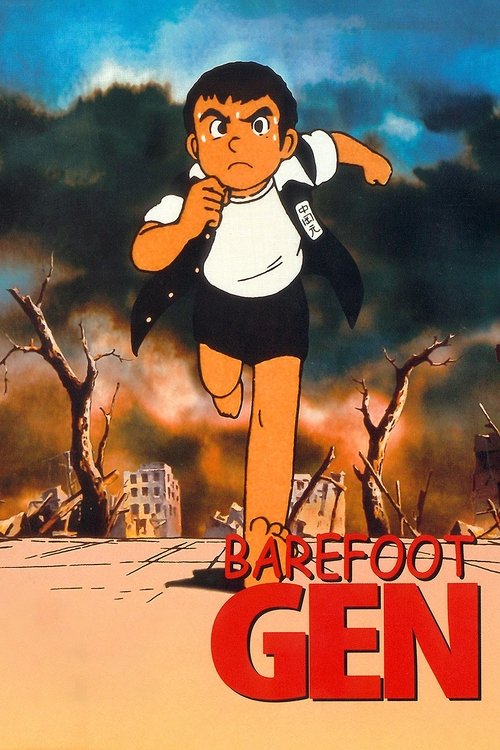
Barefoot Gen1983
Where In This Corner edges toward Hiroshima, this earlier animated film walks straight into it, following a boy through the bombing and its aftermath with unsparing honesty.
But The animation is cruder and the imagery far more graphic — this is a much harder, more punishing watch.
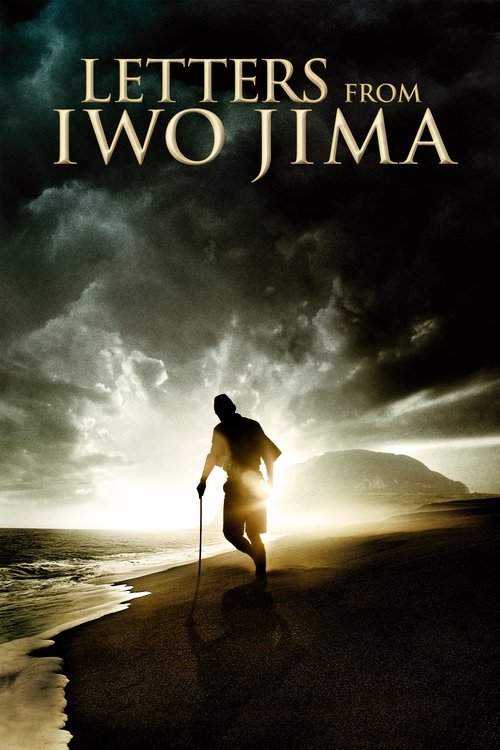
Letters from Iwo Jima2006
Eastwood's film gives the Japanese side of the Pacific War a rare, sympathetic hearing, following soldiers rather than civilians but with the same insistence on individual humanity over nationalism.
But It's a battlefield film through and through — none of the domestic detail or female perspective that defines Suzu's story.
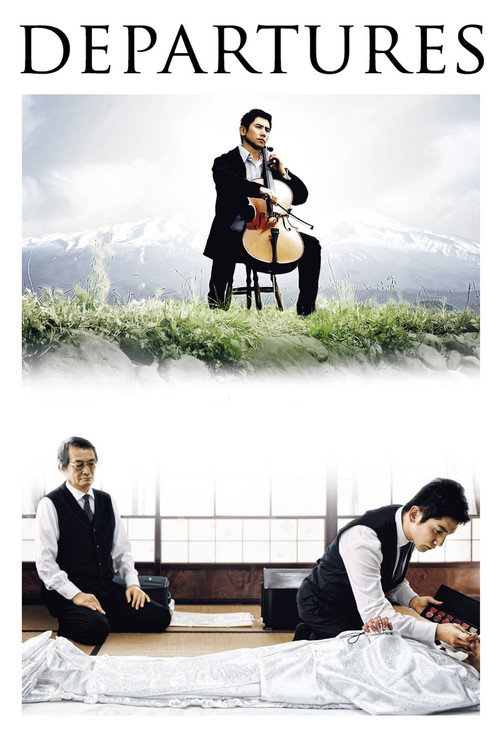
Departures2008
Not about war at all, but this quiet Japanese drama shares the same patient attention to ritual, craft and the dignity of small daily acts in the face of death.
But The connection is tonal rather than historical — if you wanted more WWII specifically, this won't scratch that itch.
Nagasaki: Memories of My Son2015no page yet
A quieter, live-action companion piece: a mother in postwar Nagasaki visited by the ghost of her son, grief processed through the same unhurried domestic rhythms as Suzu's world.
But It's slow and melancholic even by this genre's standards, and its ghost-story premise won't appeal to everyone.
The Cranes Are Flying1957no page yet
A Soviet classic from 1957 that does for Leningrad what Suzu's story does for Kure — a woman's home-front endurance rendered with astonishing, restless visual bravado.
But Black and white, subtitled, and stylistically from another era entirely — some viewers will find the melodrama heightened.
Mai Mai Miracle2009no page yet
Same director, same obsession with a specific, real place rendered lovingly down to the last detail — just aimed at nostalgia instead of catastrophe.
Made by the same director seven years before In This Corner, this is a gentler, sunnier film about a girl in 1950s rural Japan imagining her town's past — same eye for place, less grief.
But There's no war here at all, and the whimsical time-slipping tone is a big shift from what you just watched.
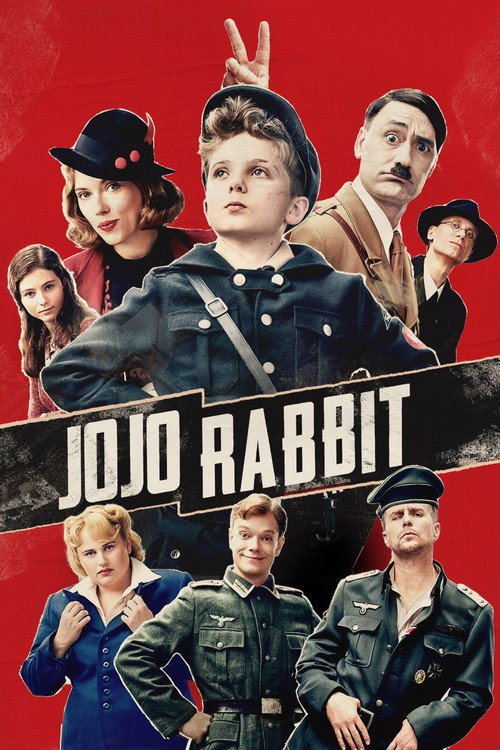
Jojo Rabbit2019
Both watch fascism's costs land inside an ordinary home rather than on a battlefield, just through opposite registers — one elegiac, one absurdist — proving the structure works either way.
A satirical, brightly coloured child's-eye view of Nazi Germany that seems to have nothing in common with Suzu's story until you notice it's asking the same question: how do ordinary households survive inside an ideology?
But It's a comedy first, with an imaginary Hitler as comic relief — tonally about as far from In This Corner as possible.
People
Cast
 NonSuzu Hojo (voice)
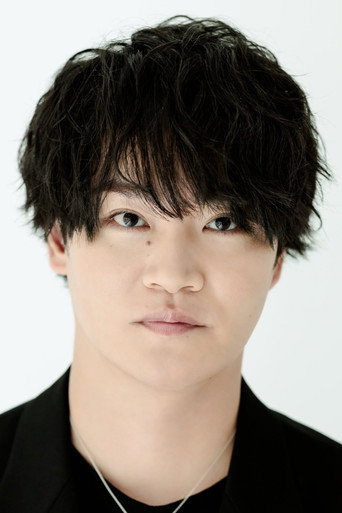 Yoshimasa HosoyaShusaku Hojo (voice)
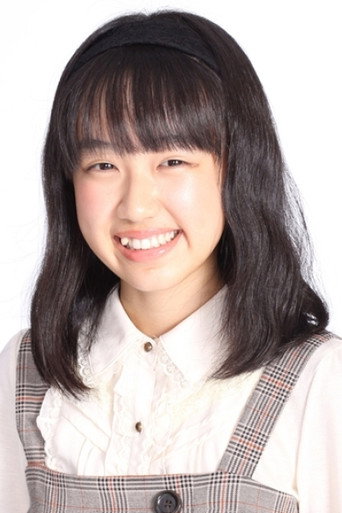 Natsuki InabaHarumi Kuromura (voice)
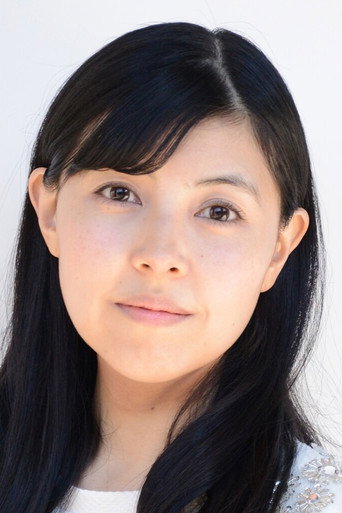 Minori OmiKeiko Kuromura (voice)
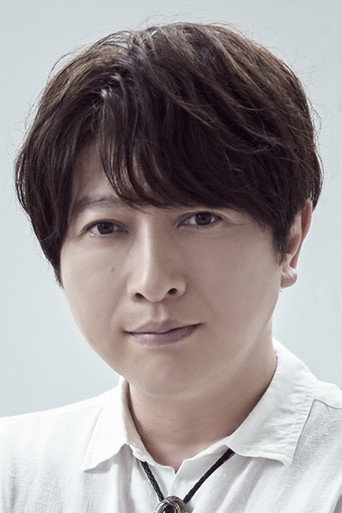 Daisuke OnoTetsu Mizuhara (voice)
 Megumi HanSumi Urano (voice)
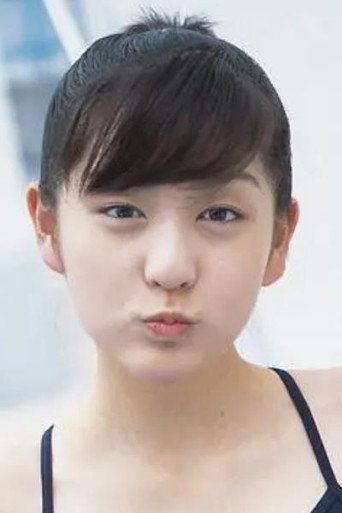 Nanase IwaiRin Shiraki (voice)
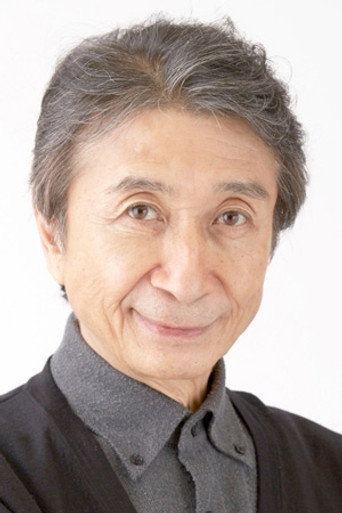 Shigeru UshiyamaEntaro Hojo (voice)
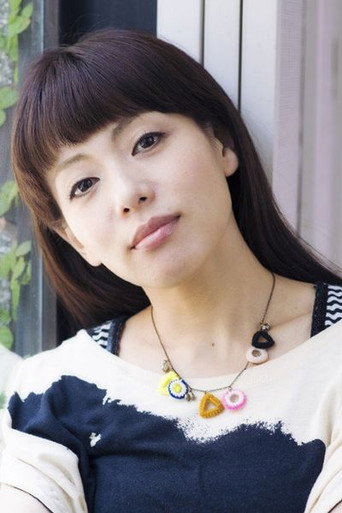 Mayumi ShintaniSan Hojo (voice)
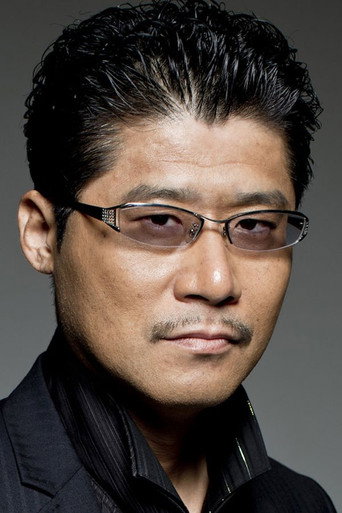 Tsuyoshi KoyamaJuro Urano (voice)
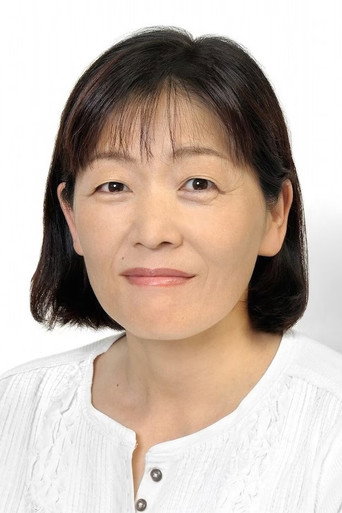 Masumi TsudaKiseno Urano (voice)
 Kanata OmoriYoichi Urano (voice)
Directing
- Chie UrataniAssistant Director
- Sunao KatabuchiDirector
- Kanji MiyakeSecond Unit First Assistant Director
- Kenta NomuraSecond Unit First Assistant Director
- Takeru SatoSecond Unit First Assistant Director
Writing
- Fumiyo KounoComic Book
- Sunao KatabuchiScreenplay
Production
- Hiroto YonemoriAssociate Producer
- Yukie AbeAssociate Producer
- Masao MaruyamaProducer
- Taro MakiProducer
- Yoshito AshinoProduction Coordinator
- Fuko NodaProduction Manager
- Masato MatsunagaProduction Manager