
Film
Twenty-Four Eyes
- Period drama
- Slow-burning
A Japanese masterpiece spanning two decades as a village teacher watches her twelve students grow, marry, suffer loss, and navigate war. It's patient, accumulative storytelling that builds from daily classroom moments into something devastating. For anyone who believes cinema's greatest power is showing us how ordinary people endure.
Should you watch it?
Watch it if you are drawn to slow, patient films that trace a small community's life across decades, where a gentle teacher's warmth matters more than plot twists.
Skip it if you find measured pacing and open sentiment hard going, since it runs nearly two and a half hours and rarely hides its tears.
What it asks of you: A slow, patient shape across village seasons and classroom days, with feeling gathering gradually rather than arriving in sharp jolts.
Not sure? Find tonight's pick in a minute.
If you liked this
Ikiru1952
Kurosawa's portrait of a man confronting mortality through small acts of kindness. Like Twenty-Four Eyes, it finds profound meaning in humble gestures and the persistence of the human spirit against time's indifference.
But At 143 minutes, it moves quietly and demands patience. Some find its pacing glacial; others find it hypnotic.

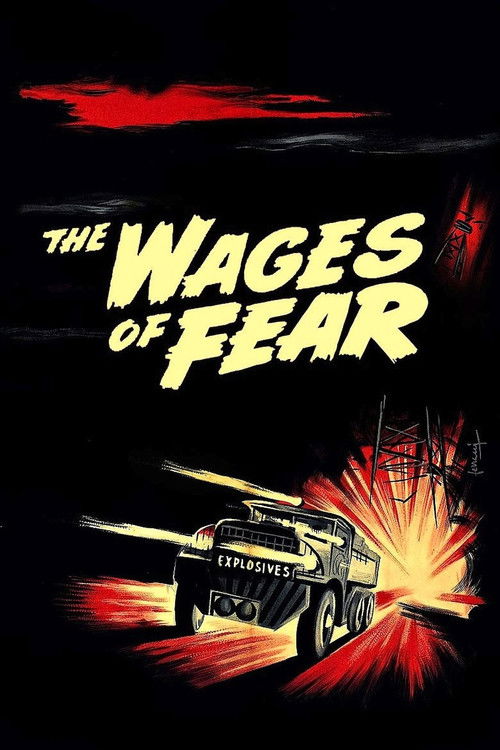
The Wages of Fear1953
Clouzot's four-hour epic about desperate men hauling explosives across a nightmare landscape. Both films span long stretches and locate tragedy in the gap between ordinary people's hopes and what history actually grants them.
But Brutally bleak. There's no comforting distance—you're trapped in grinding anxiety and moral compromise for most of its length.
Tokyo Story1953
Ozu's tender observation of an aging couple visiting Tokyo and their sprawling family. Like Twenty-Four Eyes, it finds the profound in the quotidian—the weight of time, separation, and love expressed through glances and silences.
But Almost nothing happens. If you need plot momentum or emotional crescendos, this may feel like watching paint dry.

Not sure tonight? Get a pick in a minute, starting from Twenty-Four Eyes
The wildcard
Something you would not have found on your own.
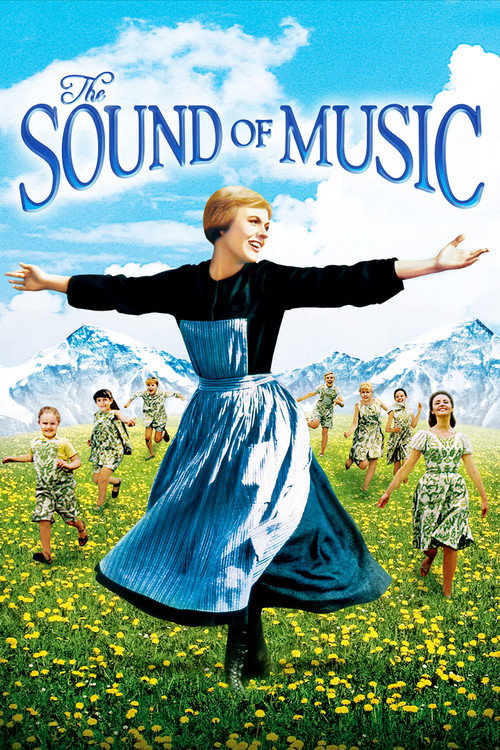
The Sound of Music1965
Both use the relationship between a teacher and her students as a lens to watch how war rewrites lives—one toward escape and redemption, one toward acceptance and loss.
A nun becomes a governess to seven Austrian children on the eve of Nazi occupation. Both films track children and a teacher figure across war's shadow, but Wise's film chooses hope and music where Kinoshita chooses quiet endurance. Watching them together shows two different truths about the same historical moment.
But If you know it only as kitsch, the earnestness may feel cloying. The film is genuinely sentimental, not ironic about it.
More like this (8)
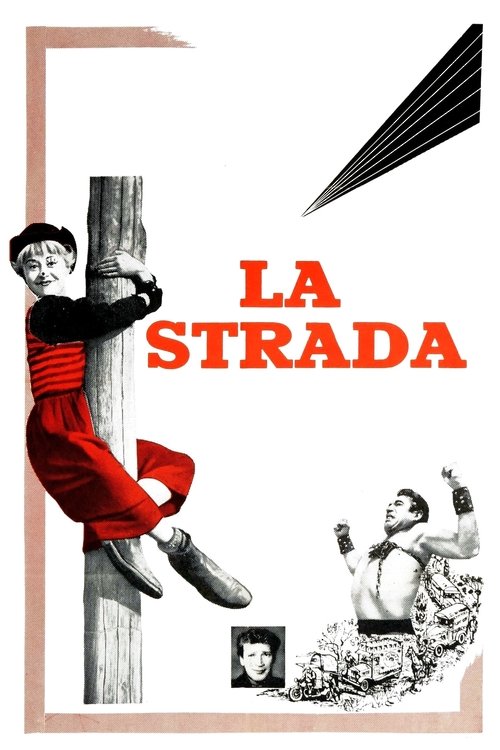
La Strada1954
Fellini's story of a young woman sold to a travelling strongman. Both films track lives across years, watching circumstances wear people down, their hopes narrowing in ways that break your heart quietly.
But Grim and episodic. The abuse on screen, though not graphic, is relentless and difficult to sit with.
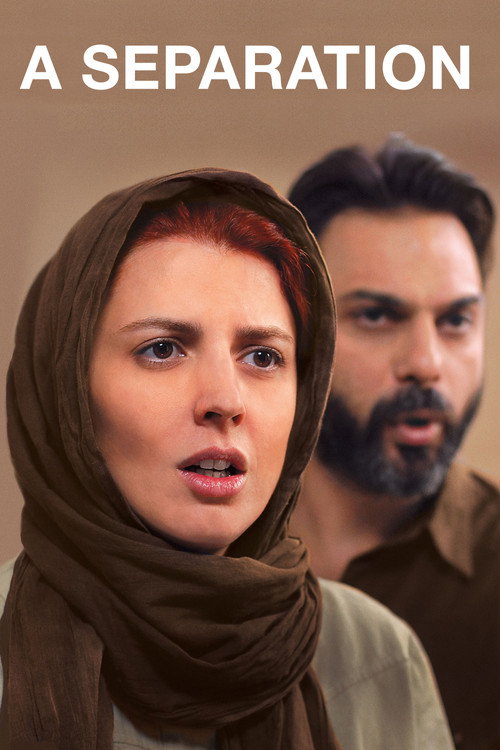
A Separation2011
Farhadi's modern Iranian drama about a family fracturing under economic pressure and moral uncertainty. It shares Twenty-Four Eyes' conviction that personal devastation is inseparable from historical and social forces beyond individual control.
But Deliberately ambiguous about guilt and blame. If you want to know who was right, you won't get a clear answer.
Stalker1979
Tarkovsky's meditative science-fiction film about a guide leading seekers through a mysterious zone. Shares the slow, accumulative power to move you—both films trust that watching attentive people over long stretches can be transcendent.
But 163 minutes of deliberate, contemplative pacing. Entire sequences pass with minimal dialogue. Demands the kind of attention most films don't ask for.

Moonlight2016
Barry Jenkins' portrait of a Black boy becoming a man across three time periods. Like Twenty-Four Eyes, it finds beauty and ache in how circumstances shape destinies, tracking a life through accumulated small moments and glances.
But Formally experimental and fragmented. If you need linear clarity or explicit emotional catharsis, its quietness may feel evasive.

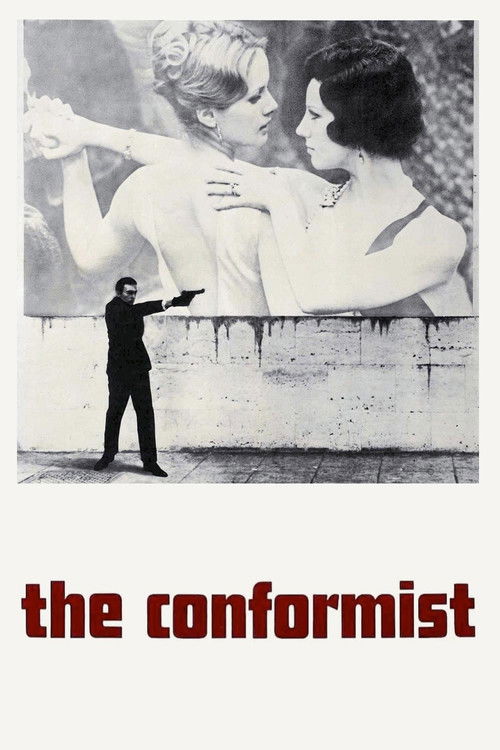
The Conformist1971
Bertolucci's stunning study of a man's moral compromise under fascism. Both films explore how political history invades personal life—how ordinary people become complicit, how conscience wars with survival.
But Dense, visually intricate, and morally murky. The narrative isn't straightforward, and the protagonist's choices are deeply uncomfortable to watch.
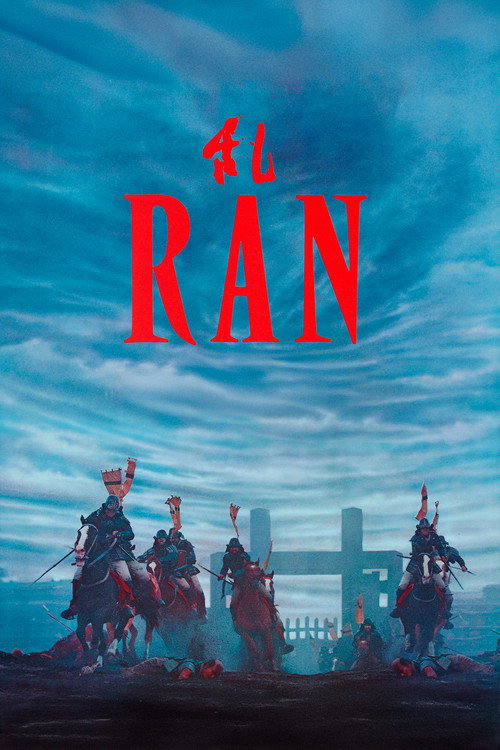
Ran1985
Kurosawa's late epic about an aging warlord dividing his kingdom among his sons, leading to catastrophe. Both films contemplate aging, loss, and the way one person's decisions ripple through decades, destroying those they love most.
But Three hours of elaborate, brutal violence. The scale is immense but bleak—there's no redemption, only consequences.
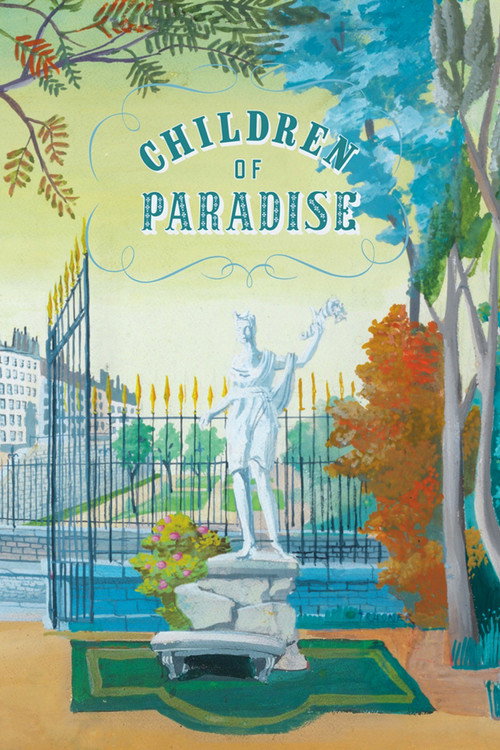
Children of Paradise1945
Both are humanist epics made in or about occupied nations, using ordinary lives to argue for the worth of people the state devalues.
Carné's masterpiece, made during Nazi occupation, about theatre performers and street life in 19th-century Paris. Like Twenty-Four Eyes, it spans years and multiple lives, finding nobility in ordinary people and the art they make together despite poverty and circumstance.
But Nearly three hours in French without subtitles if you're not careful. The narrative is sprawling and sometimes feels digressive; it rewards patience but won't grab you immediately.
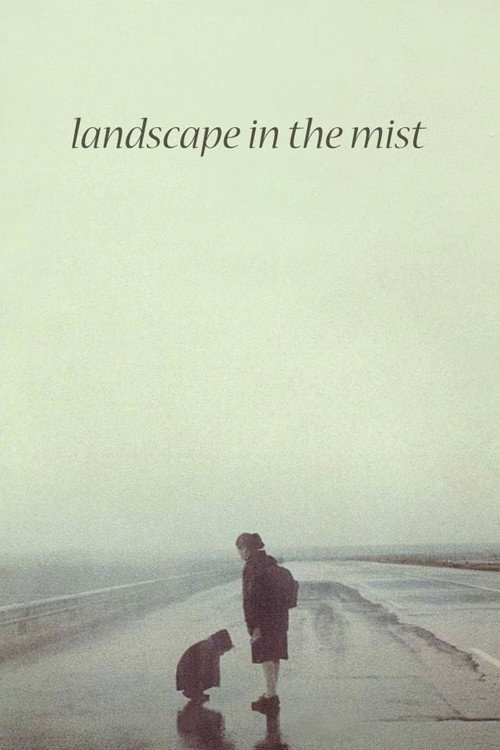
Landscape in the Mist1988
Both are post-war meditations on childhood interrupted by history, using long takes and minimal dialogue to convey the weight of events on small lives.
Angelopoulos' haunting film follows two children walking toward Germany in the years after the Greek civil war. Like Twenty-Four Eyes, it documents how political violence distributes suffering across generations, finding poetry in wandering and displacement rather than home.
But Bleak and extremely slow, shot in grainy 16mm. There's no plot resolution—it ends ambiguously and heartbreakingly, offering no catharsis or answers.
People
Cast
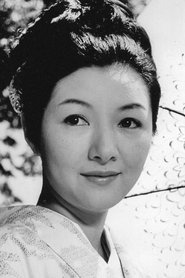 Hideko TakamineÔishi Sensei
- Hideki GôkoIsokichi Okada - Bunkyôjô Jidai
- Itsuo WatanabeTakeichi Takeshita - Bunkyôjô Jidai
- Makoto MiyagawaKichiji Tokuda - Bunkyôjô Jidai
- Takeo TerashitaTadashi Morioka - Bunkyôjô Jidai
- Kunio SatôNita Aizawa - Bunkyôjô Jidai
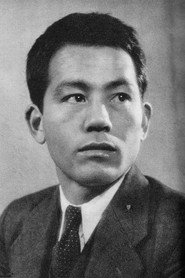 Chishū RyūOtoko Sensei
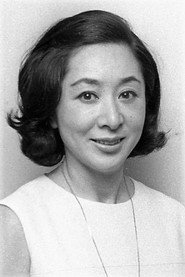 Yumeji TsukiokaMasuno
 Takahiro TamuraIsokichi
 Toshiko KobayashiSanae
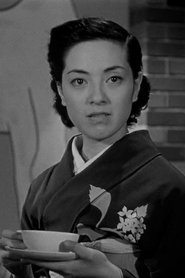 Kuniko IgawaMatsue
 Shizue NatsukawaÔishi Sensei no Haha
Directing
- Yoshiro KawazuAssistant Director
- Keisuke KinoshitaDirector
Writing
- Sakae TsuboiNovel
- Keisuke KinoshitaScreenplay
Production
- Ryōtarō KuwataProducer
- Masaharu KokajiProduction Supervisor