
Film
Landscape in the Mist
Theo Angelopoulos's contemplative masterpiece follows two children walking through Greece in search of their absent father. A film of long takes, mythic imagery, and profound silence—less plot than pilgrimage. It's meditative, sometimes austere, and rewards patience with moments of devastating beauty. For viewers who believe cinema can be poetry.
Should you watch it?
Watch it if you love slow, painterly films where a journey's bleak landscapes carry as much feeling as the characters, and you don't mind long, patient shots that let the road do the talking.
Skip it if you need plot momentum or brisk scenes, since this moves at a deliberate, meandering pace and its wandering can feel like it's going nowhere for long stretches.
What it asks of you: Roughly two and a half hours of unhurried, hazy-lit watching, with silences and wide frames you have to sit inside rather than skim past.
Not sure? Find tonight's pick in a minute.
If you liked this
Come and See1985
Elem Klimov's unflinching chronicle of childhood destroyed by war. Like Landscape, it uses a child's journey to strip away illusions and reveal humanity's cruelty. Visually and morally shattering.
But Relentlessly bleak and graphic. One of cinema's most punishing films—not cathartic, just true.

The Seventh Seal1957
Bergman's knight plays chess with Death while wandering a plague-stricken landscape. The same sense of existential pilgrimage, mythic resonance, and characters moving through a world indifferent to their suffering.
But Deliberately paced and abstract. If you need plot momentum, this will feel like watching someone else's philosophy essay.

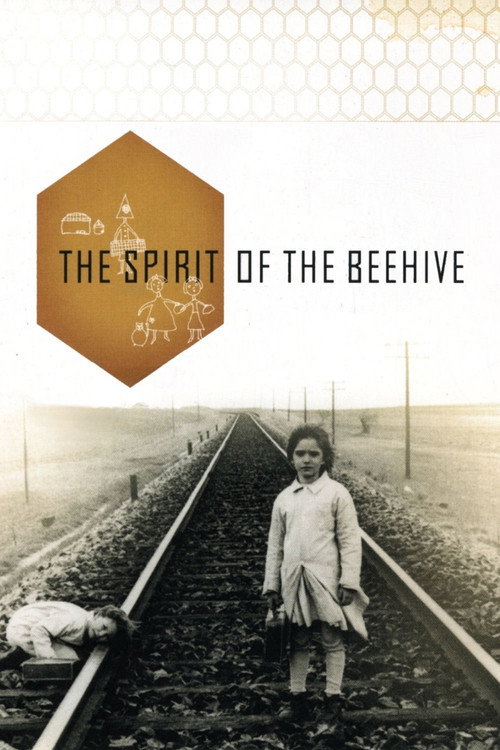
The Spirit of the Beehive1973
Víctor Erice's haunting study of a girl in post-Civil War Spain. Both films use a child's perspective to explore loss, isolation, and a landscape heavy with history. Equally quiet, equally profound.
But Minimal dialogue and plot. Some find it glacially slow; others find that's precisely the point.
Not sure tonight? Get a pick in a minute, starting from Landscape in the Mist
The wildcard
Something you would not have found on your own.
Umberto D.1952
Both use sustained observation of a journey through space to explore powerlessness and dignity in an uncaring world.
De Sica's old man and his dog wander Rome, facing eviction and indifference. Like Landscape, it's a film about displacement and walking, but where Landscape is mythic and poetic, this is ruthlessly social-realist. Both use a journey to ask: how do the vulnerable survive?
But Italian neorealism can feel slow and formless. The 'plot'—an old man's daily humiliations—is unglamorous and repetitive.

More like this (8)
Stalker1979
Tarkovsky's three men walking through a mysterious zone. Shares Landscape's faith in long takes, pilgrimage as structure, and the idea that cinema's real subject is time itself and how we move through it.
But Three hours of contemplative walking. Requires surrender; resists engagement on conventional terms.

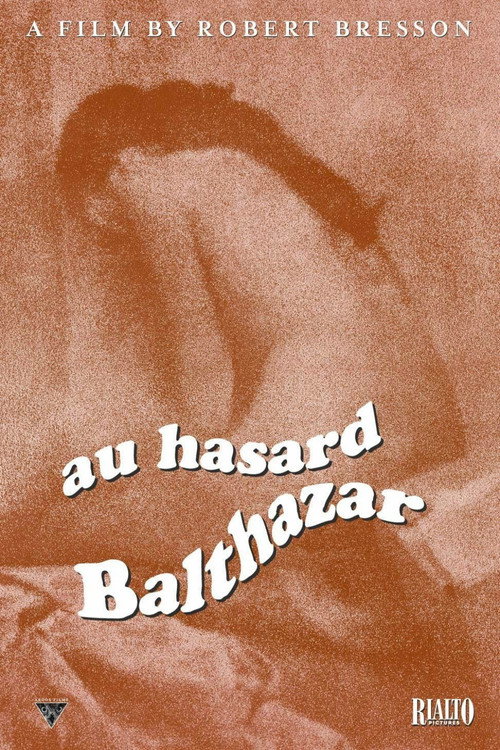
Au Hasard Balthazar1966
Bresson follows a donkey through a wretched world. Like Landscape, it finds grace in suffering and uses a journey to explore how innocence collides with cruelty. Formally austere and emotionally devastating.
But The 'plot' is minimal and bleak. Bresson's style is so stripped-down it can feel cold even when it's heartbreaking.
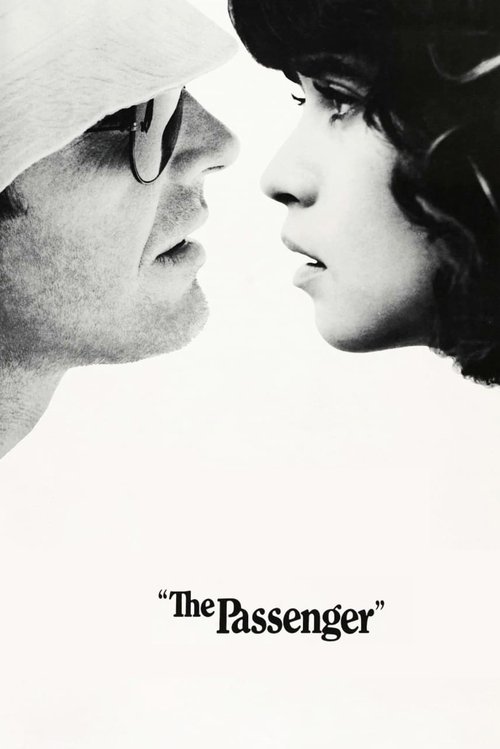
The Passenger1975
Antonioni's man assumes another identity and travels through Spain and Africa. Shares the sense of a protagonist adrift, searching for something intangible, in a world that won't answer back.
But Deliberately obscure and self-contained. The mystery is never solved. The ending is ambiguous to the point of opacity.
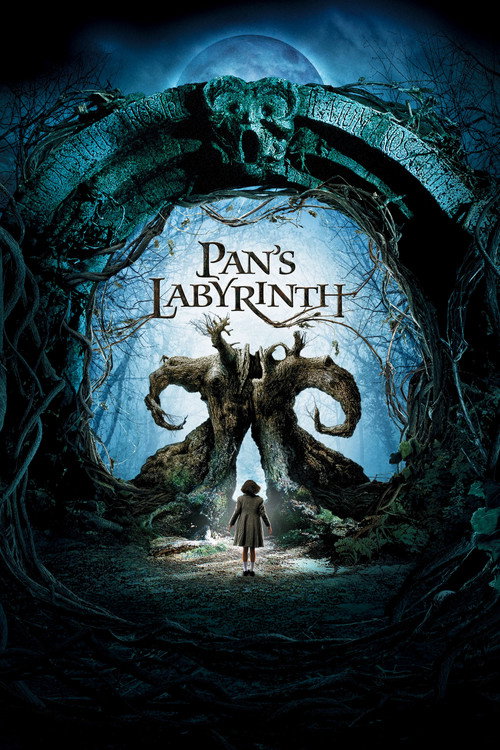
Pan's Labyrinth2006
Guillermo del Toro's child navigates a brutal world—Spanish Civil War—through myth and fantasy. Like Landscape, it uses a child's journey to confront darkness, but it's more narrative-driven and visually sumptuous.
But The fantasy elements might feel at odds with the historical horror. Some find the tonal mix jarring.
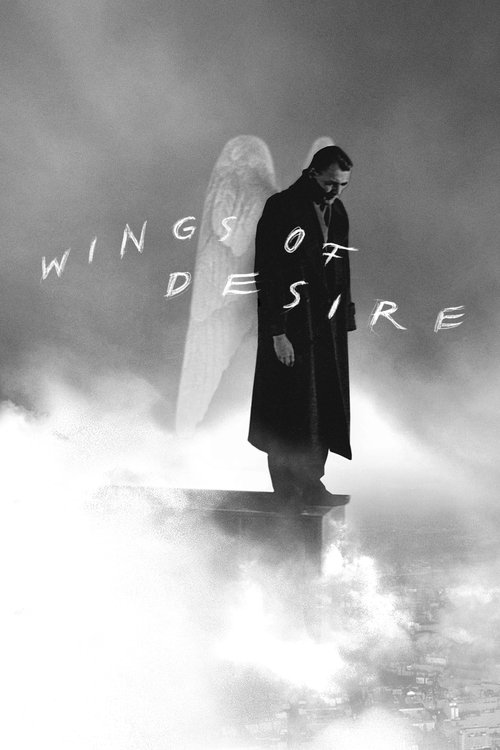
Wings of Desire1987
Wim Wenders's angels observe Berlin. Both films are fascinated by ordinary moments, human longing, and the distance between desire and fulfillment. Poetic rather than plot-driven.
But Abstract and diffuse. If you're looking for narrative propulsion, you'll be disappointed.
The Night of the Hunter1955
Charles Laughton's only film: children flee down a river from a pursuing killer. Like Landscape, it's a dark journey-film with expressionist imagery and a child's perspective on an incomprehensible adult world.
But The tone is Gothic and melodramatic. Laughton's performance is theatrical—it can feel unreal to modern viewers.

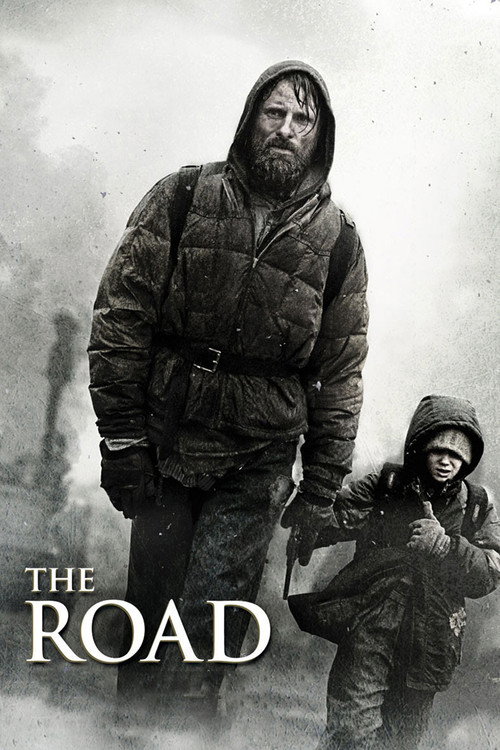
The Road2009
Both pit a child's vulnerability against a indifferent landscape; both refuse easy comfort.
John Hillcoat's adaptation of McCarthy's novel: a father and son walk through apocalyptic America. Same structure—a pilgrimage toward an uncertain goal—but radically different register: post-apocalyptic rather than mythic, American rather than European, desperate rather than contemplative.
But Bleak, violent, and emotionally punishing. The ending offers no redemption, and the journey feels futile. Some will find that truthful; others will find it unbearable.
Pather Panchali1955
Both find tragic poetry in poverty and displacement; both believe cinema's job is to observe human endurance with tenderness and truth.
Satyajit Ray's poor family struggles to survive in rural Bengal. Not a dramatic journey but a slow disintegration—yet it achieves what Landscape achieves: making the everyday mythic, finding beauty in deprivation, and using a child's eyes to measure the distance between longing and reality.
But Bengali cinema from 1955; subtitled; no plot in the conventional sense. Patience required. But the reward is total immersion in another world.

People
Cast
- Michalis ZekeAlexandros
 Tania PaleologouVoula
 Stratos TzortzoglouOrestis
 Eva KotamanidouActress
 Aliki GeorgouliActress

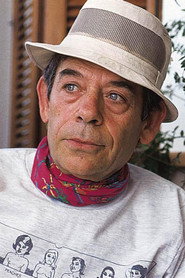 Ilias LogothetisSeagull

Directing
- Takis KatselisAssistant Director
- Theo AngelopoulosDirector
- Dimitris FragoulisSecond Assistant Director
- Eleni PetrakiSecond Assistant Director
Writing
- Thanasis ValtinosScreenplay
- Theo AngelopoulosScreenplay
- Tonino GuerraScreenplay
- Theo AngelopoulosStory
Production
- Nikos SekerisAssistant Production Manager
- Amedeo PaganiProducer
- Éric HeumannProducer
- Stéphane SorlatProducer
- Theo AngelopoulosProducer
- Aimilios KonitsiotisProduction Director
Recommended by
Twenty-Four Eyes, Red Desert, Nocturama, Ultra Violet, My Father's Glory, The Decameron, Retablo, Prodigal Son, General Della Rovere, Delta, Radio On, Eureka, Occupation in 26 Pictures, Memories of Prison, My Happy Family, The Best Way to Walk, Gardeners' World, The Year My Parents Went on Vacation