
Film
My Father's Glory
- Coming-of-age
- Light-hearted
- Slow-burning
A tenderly observed memoir film about a boy's awakening to wonder and friendship in turn-of-century Provence. Yves Robert's adaptation of Pagnol's beloved novel is unhurried and deeply sensory—less plot-driven than atmospheric. It's a film about the specific magic of childhood summers, the allure of the wild, and how a child's admiration for his father shapes everything. For anyone who treasures atmosphere over incident.
Should you watch it?
Watch it if you love gentle, observational coming-of-age stories where small rituals, a boy's admiration for a brilliant father, and sunlit country days carry more weight than plot.
Skip it if a brisk plot or a clear dramatic engine is what you need, because this drifts episodically and runs on mood rather than tension.
What it asks of you: Settle into a leisurely hour and three-quarters of unhurried scenes, country walks and family chatter; it rewards patience and a taste for small, warm details.
Not sure? Find tonight's pick in a minute.
If you liked this
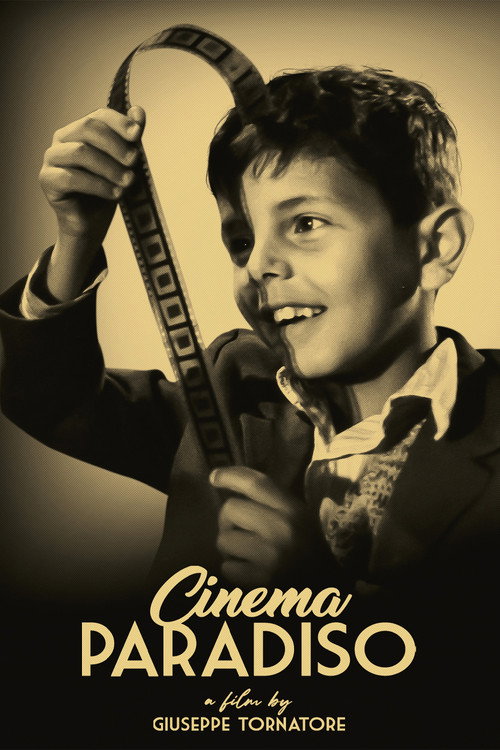
Cinema Paradiso1988
Another Italian meditation on memory, cinema, and how formative experiences shape a life. Tornatore's film has the same bittersweet warmth and devotion to evoking a specific time and place with sensory precision.
But It's nearly three hours long, moves at a deliberate pace, and its sentimentality can tip toward the cloying if you're not in the mood.
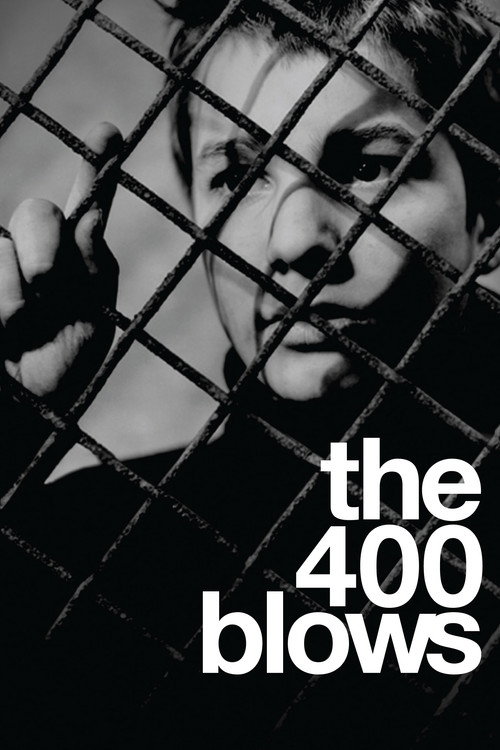
The 400 Blows1959
Truffaut's portrait of a misfit boy in Paris captures childhood with the same poetic naturalism. Both films understand that a child's inner life is as dramatic as any plot, and both trust their audience to watch closely.
But The tone is melancholic rather than celebratory. If you want reassurance or resolution, this won't provide it in traditional ways.
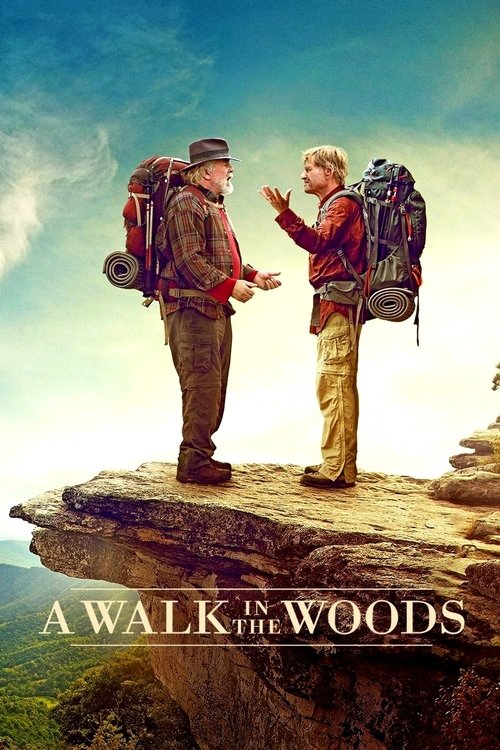
A Walk in the Woods2015
A companion piece in spirit—another Yves Robert film about rural France, family bonds, and a child discovering the natural world. It shares the same gentle pacing and visual poetry as My Father's Glory.
But It's quiet and genuinely slow-moving. Expecting plot propulsion will leave you frustrated.
Not sure tonight? Get a pick in a minute, starting from My Father's Glory
The wildcard
Something you would not have found on your own.
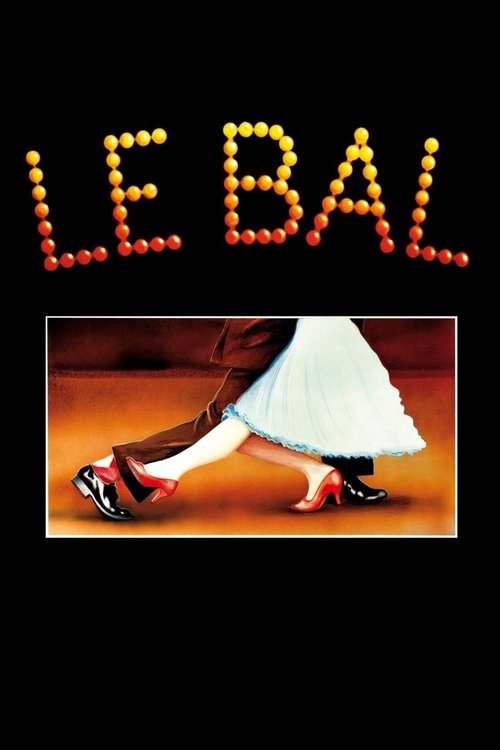
Le Bal1983
Both films are love letters to France told through bodies and spaces rather than dialogue. Scola trusts the viewer's eye the way Robert trusts the viewer's emotional attentiveness.
Ettore Scola's extraordinary film: a single ballroom across fifty years of French history, told without dialogue, through dance and gesture. A completely different formal experiment, but it shares Pagnol's faith in the poetic power of French landscape, bodies, and time itself.
But Wordless narrative cinema is a high-wire act. If you need dialogue and plot clarity, this will feel impenetrable and pretentious.
More like this (8)
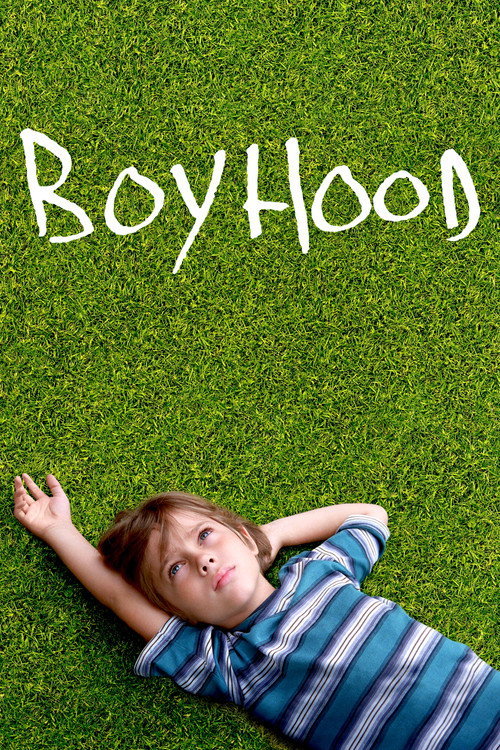
Boyhood2014
Linklater's twelve-year chronicle of boyhood shares an obsessive commitment to temporal specificity and the texture of ordinary life. Both films ask: what is childhood actually like to live through?
But At three hours and nearly plotless, it demands patience and a particular appetite for watching time pass on screen.
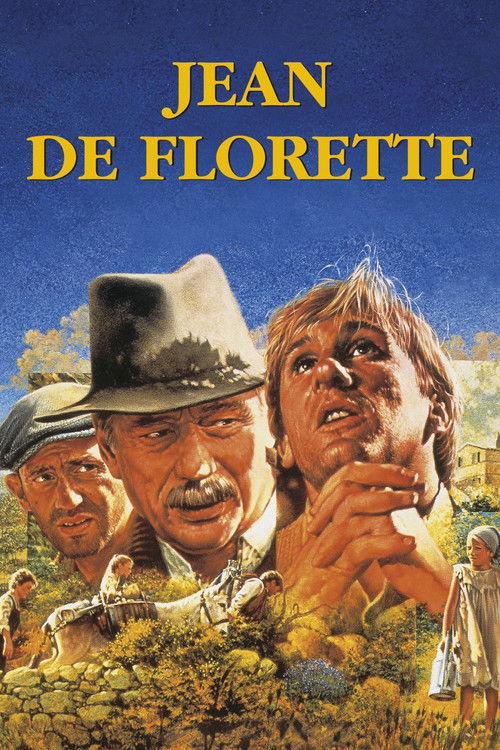
Jean de Florette1986
Another adaptation of Pagnol's own work, set in the same Provence landscape. While more dramatically complex, it shares the film's sense of place and an outsider arriving in rural France with naïveté and wonder.
But It's a tragedy with a darker moral core. The tone is considerably less warmhearted than My Father's Glory.
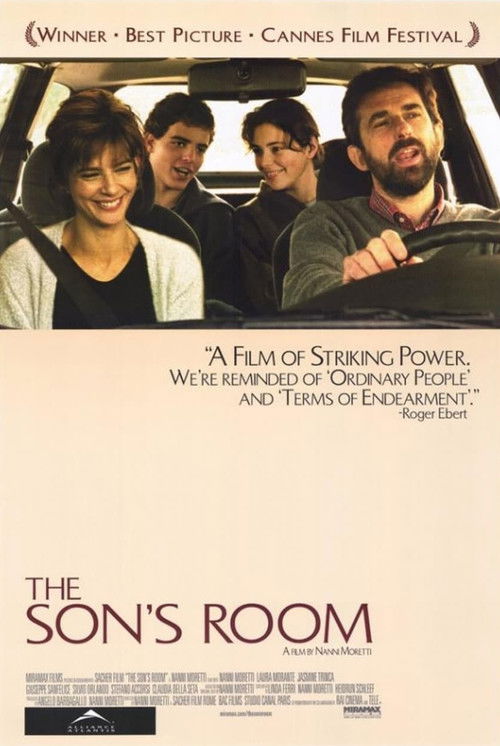
The Son's Room2001
Guadagnino's profound meditation on family and loss moves with the same deliberate, observational rhythm. Both films trust viewers to feel their way through rather than being told what to feel.
But It's heavy and unresolved. A family drama about grief—not an escape into nostalgia.
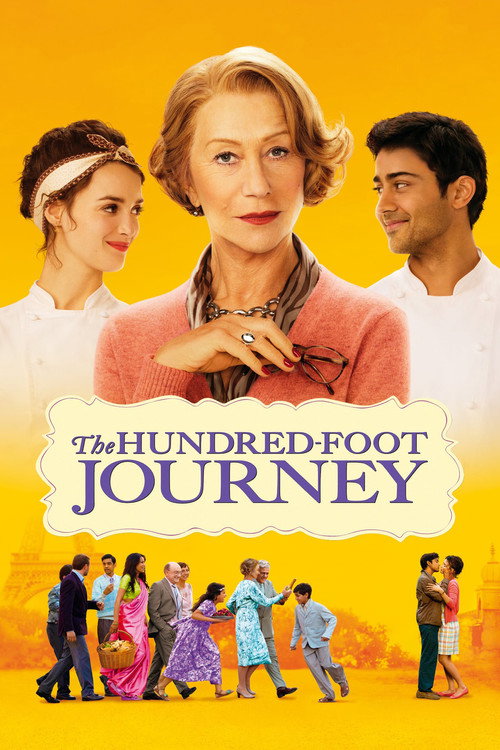
The Hundred-Foot Journey2014
A lighter-touch French rural drama about cultural collision and learning across difference. Easier on the viewer while maintaining the countryside setting and themes of crossing boundaries.
But It's considerably more conventional and predictable. Some will find it sentimental where My Father's Glory has earned its emotion.
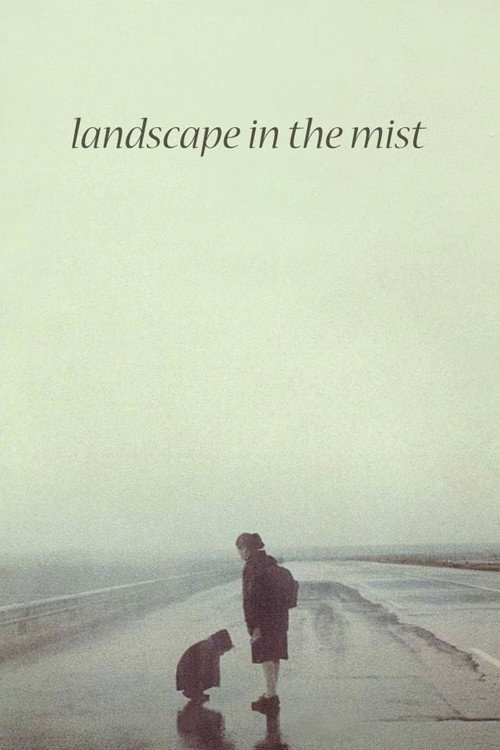
Landscape in the Mist1988
Angelopoulos's film about two children journeying through the Balkans has the same poetic, episodic structure and belief that childhood discovery deserves visual poetry.
But It's abstract, sometimes difficult to parse, and ends ambiguously. Not a comfortable viewing experience.
The Ballad of Little Jo1993
A less obvious companion—still rooted in landscape, still about identity and belonging, though with a very different register and historical setting. Proves there's emotional depth in quietly observational cinema.
But It's quite minor despite its merits. Some viewers will feel they've seen better films spend two hours in very similar terrain.

Kes1970
Both films center a boy's friendship with something wild and the dignity of that bond. Both resist plot in favor of mood and observation.
Loach's film about a working-class Yorkshire boy taming a hawk has the same episodic warmth, the same belief that a child's relationship to nature is profound and real. British and grittier, but spiritually aligned—another cinema of attention.
But It's in black and white, shot in a documentary register, and has little sentimentality. The boy's life is constrained and sometimes harsh. Not picturesque.

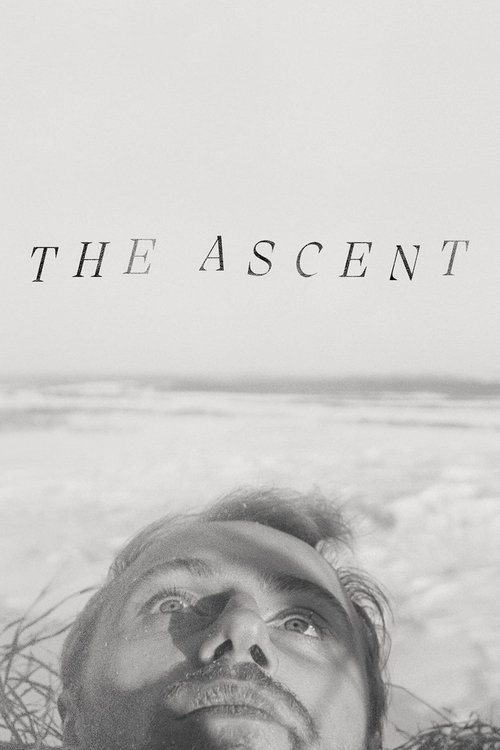
The Ascent1977
Both films understand that landscape is not scenery but a character with its own consciousness. Both trust silence and visual language over plot. Both are about the soul's education through space and time.
Tarkovsky's film about two Soviet partisans climbing a white landscape is formally radical—long, demanding, and filmed like a poem. But its core is identical: how childhood memory and spiritual awakening are inseparable from landscape and time.
But Seventy minutes of monks, snow, and extremely slow camera movements. It's metaphysical and difficult. Most viewers will find it punishing.
People
Cast
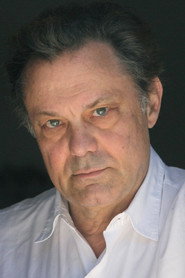 Philippe CaubèreJoseph Pagnol
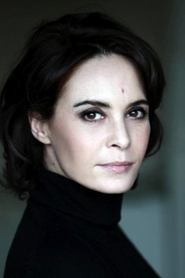 Nathalie RousselAugustine Pagnol
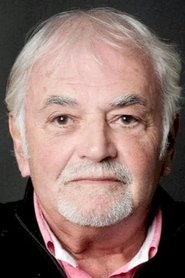 Didier PainUncle Jules
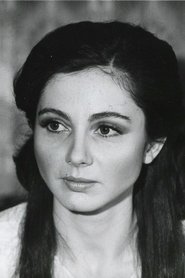 Thérèse LiotardAunt Rose
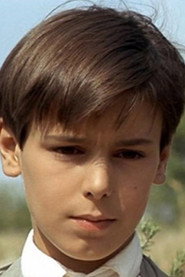 Julien CiamacaMarcel Pagnol, 11 years old
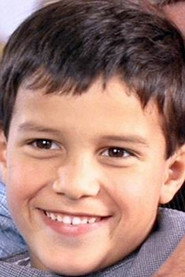 Victorien DelamarePaul Pagnol, 5 years old
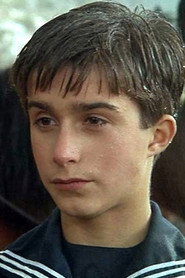 Joris MolinasLili des Bellons
- Benoit MartinMarcel Pagnol, 5 years old
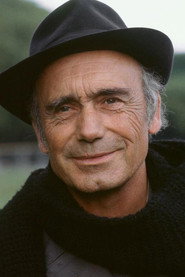 Paul CrauchetEdmond des Papillons, aka Mond des Parpaillouns
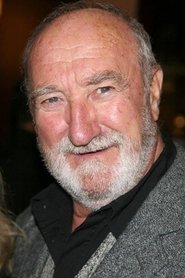 Pierre MaguelonFrançois, father of Lili
 Michel ModoPostman
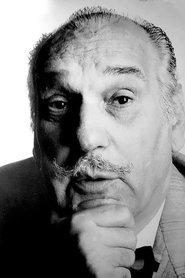 Jean RougerieBergougnas, secondhand dealer
Directing
- Yves RobertDirector
- Jean-Claude VenturaFirst Assistant Director
Writing
- Marcel PagnolNovel
- Jérôme TonnerreWriter
- Louis NucéraWriter
- Yves RobertWriter
Production
- Gérard MoulévrierCasting
- Alain PoiréProducer
Recommended by
Monsieur Ibrahim, My Mother's Castle, The Burning Secret, Conversations with My Gardener, Tuck Everlasting