
Film
The Burning Secret
A prewar Viennese melodrama about a charming man who exploits a boy's loneliness to seduce his mother at a Swiss hotel. It's elegant, poisonous, and quietly modern—a story about manipulation and the discovery that adults are not who you thought. For anyone drawn to psychological intrigue without explosions.
Should you watch it?
Watch it if you are drawn to quiet, observant psychological stories about how adults' charm and vanity look through a child's eyes, and you don't mind a slow, elegant build.
Skip it if you want brisk pacing, since this is a stately, dialogue-led piece from the early sound era whose restrained, old-fashioned style can feel stiff.
What it asks of you: Ninety-odd minutes of patient attention, with long stretches of looks and silences rather than action, and a discomfort that builds slowly rather than arriving with a jolt.
Not sure? Find tonight's pick in a minute.
If you liked this
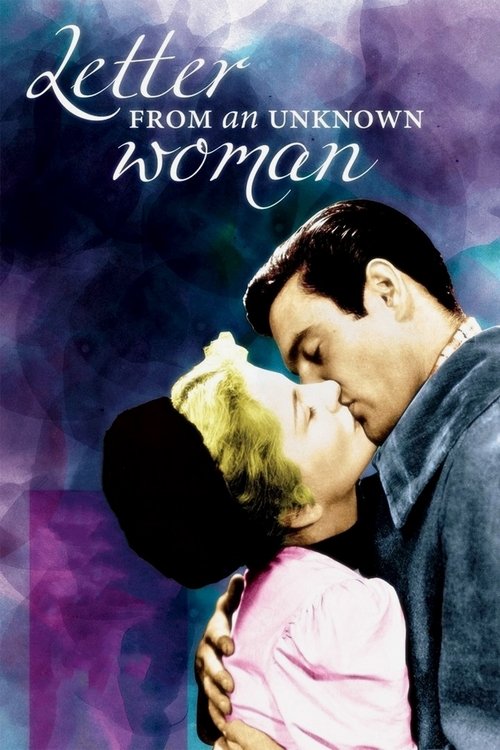
Letter from an Unknown Woman1948
Ophüls' masterpiece of romantic obsession and regret, with the same Vienna-to-Swiss-resort geography and a protagonist undone by someone else's hidden design. Heartbreaking and immaculate.
But The pacing is glacial by modern standards, and the emotional resolution may feel passive if you want drama to punch rather than accumulate.
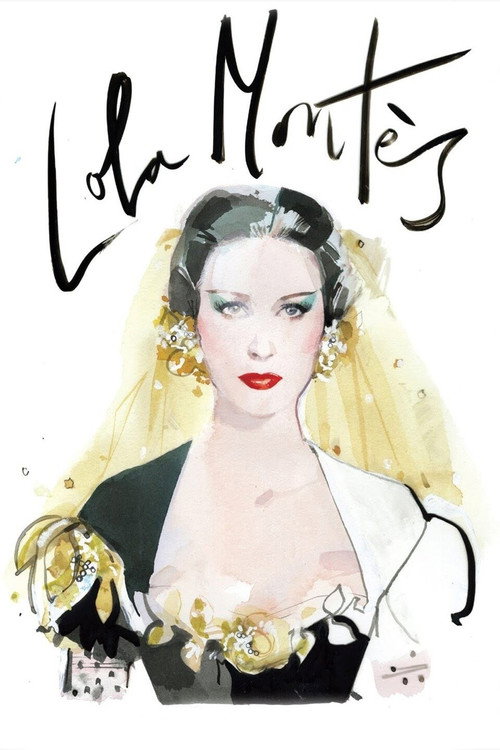
Lola Montès1955
Ophüls again, this time about a woman's life told in reverse. Dazzling formal invention and a bitter meditation on how men consume and discard the women they claim to adore.
But It's genuinely difficult—fractured chronology, overwhelming visuals, and a deliberately artificial tone that some find exhausting rather than revelatory.
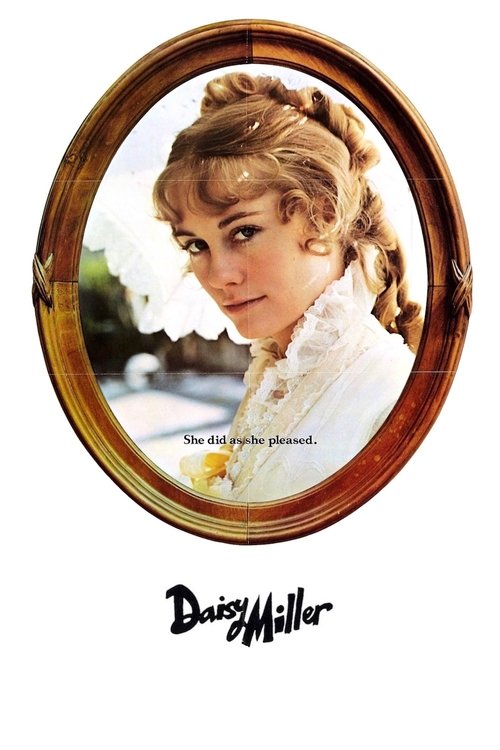
Daisy Miller1974
Bogdanovich's adaptation of Henry James captures the same world of bourgeois seduction and innocent betrayal. Cybill Shepherd is luminous as a girl who doesn't know the game being played around her.
But The pacing is deliberate to the point of opacity. If you need plot momentum, you'll find it glacial.
Not sure tonight? Get a pick in a minute, starting from The Burning Secret
The wildcard
Something you would not have found on your own.
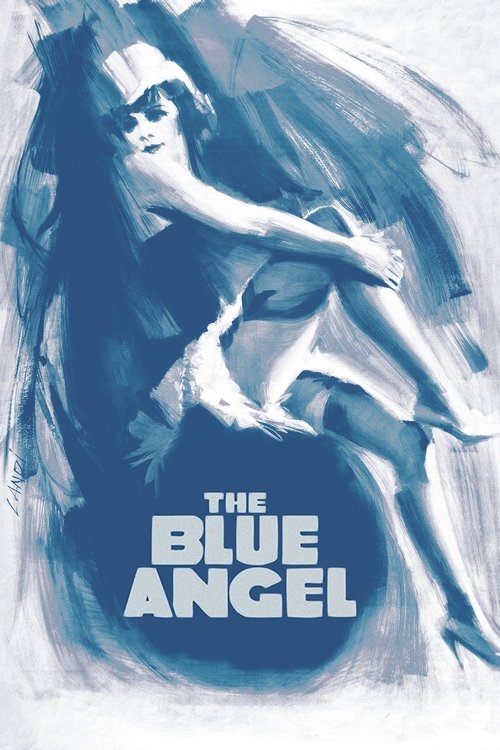
The Blue Angel1930
Both explore how desire blinds the respectable into complicity. Both are Weimar cinema at its most psychologically astute, before everything fell apart.
Sternberg's German masterpiece, released just before *Burning Secret*. A prestigious professor destroyed by infatuation with a cabaret singer. It's the same era, same language, same psychology of seduction—but the camera is infinitely more sophisticated.
But The prints are often poor, and the pacing is hypnotic rather than dramatic. Emil Jannings' performance can read as overwrought to modern eyes.
More like this (8)
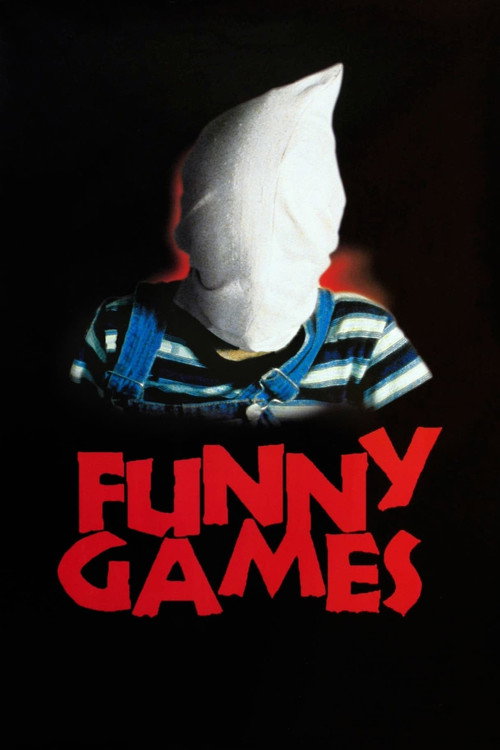
Funny Games1997
Michael Haneke's remake of his own film: two killers torment a family at a Swiss villa. It's about complicity and the audience's appetite for cruelty—a genuine provocation with a sharp intellectual spine.
But It's aggressively unpleasant and designed to make you uncomfortable. The deliberate artificiality may feel like a lecture rather than a story.
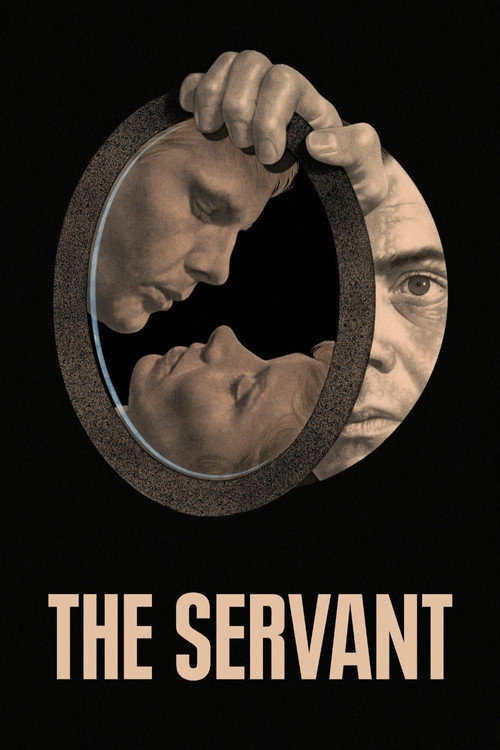
The Servant1963
Joseph Losey's film about power inversion—a servant slowly dominates his employer through psychological manipulation. The same machinery as *Burning Secret*, refurbished for modern London.
But It's theatrical and a bit schematic. The performances are broad, and the film sometimes plays like a diagram of its own ideas.
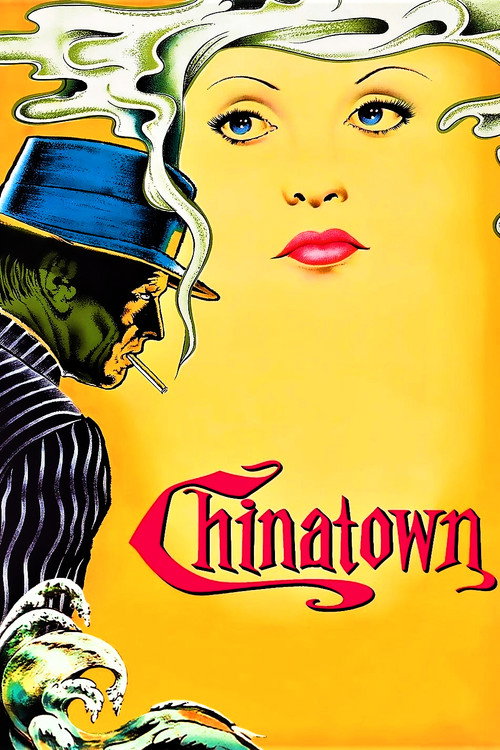
Chinatown1974
A detective gradually discovers he's been played by a man more powerful and corrupt than he imagined. The moment of betrayal has the same sting—innocence meeting a ruthless sophisticate.
But It's baroque and cynical. If you prefer clarity and hope, the film's moral murk will feel like a waste of your time.
The Third Man1949
Carol Reed's Vienna thriller. A man discovers his old friend is a black-market profiteer. The postwar city is a character, morality is fungible, and manipulation is the only language that matters.
But It can feel like a period piece now. The plot has aged into something more familiar than shocking.

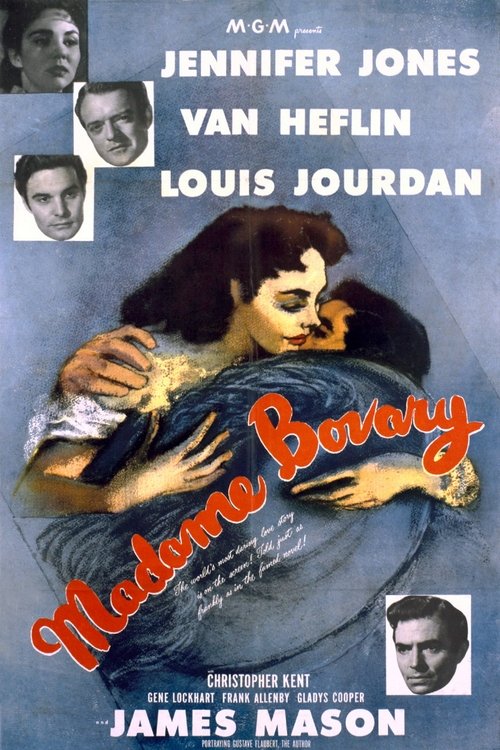
Madame Bovary1949
Minnelli's adaptation captures a woman destroyed by the gap between her romantic fantasy and the men around her. Emma Bovary is a more sympathetic Edgar—deceived not by one manipulator but by a whole world.
But The film is quite lush and sometimes precious. Some viewers find the Technicolor artificiality at odds with the story's sadness.
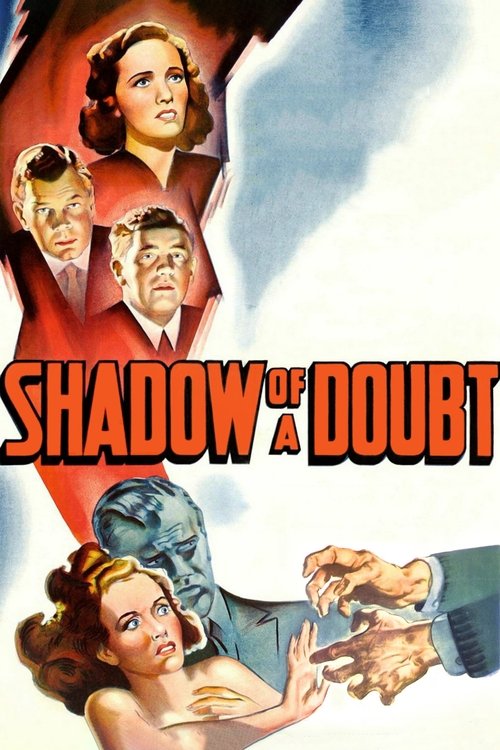
Shadow of a Doubt1943
Hitchcock's film about a beloved uncle revealed as a serial killer. Innocence shattered by proximity to monstrosity—a small American town instead of a Swiss resort, but the same cold recognition.
But It takes a while to build. Hitchcock prioritizes mood over momentum, and some scenes will feel slow if you're hunting for thrills.
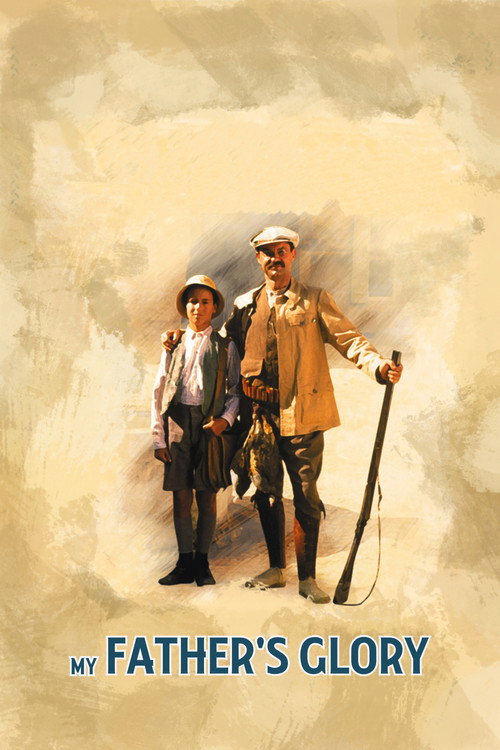
My Father's Glory1990
Both use a holiday setting as the stage for a child's loss of innocence. The difference is that this film mourns what's lost with affection rather than bitterness—a completely different emotional register, same architecture.
Yves Robert's film about a boy on holiday in Provence, narrated by the older man he becomes. It's a love letter to childhood memory and landscape, but with the same alertness to how adults disappoint. Warmth instead of poison, but the same precise observation of awakening.
But It's gentle to the point of quietness. There's no melodrama, no betrayal that stings—just the everyday losses that come with growing up. Some will find it too mild.
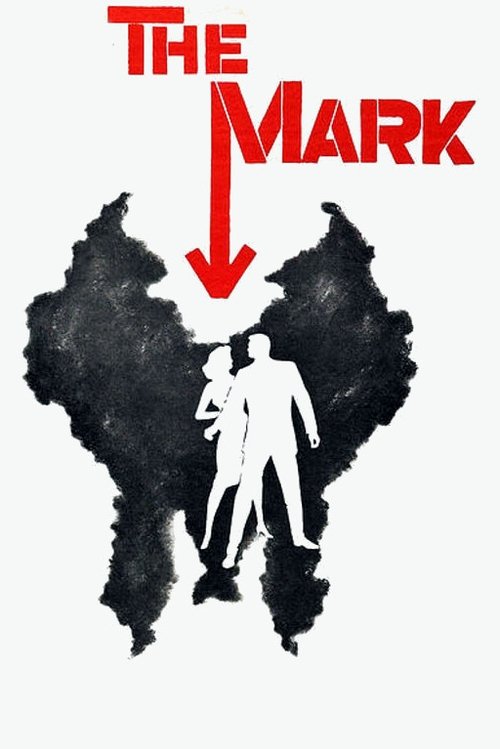
The Mark1961
Both examine the architecture of manipulation and how charm masks appetite. But where *Burning Secret* is seen through the child's eyes, this forces you into the manipulator's head. The same game, played from the other side.
Stuart Heisler's film about a man released from prison for child abuse, attempting to rebuild. It's the inverse of *Burning Secret*—what if you could see the predator's interior, his hunger to seem human? Uncompromising and rare.
But It's viscerally uncomfortable. The film doesn't flinch from the subject or offer easy catharsis. Many will find it simply unbearable to watch.
People
Cast
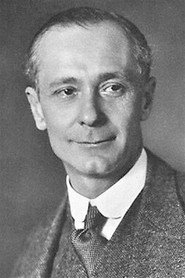 Alfred AbelDer Mann
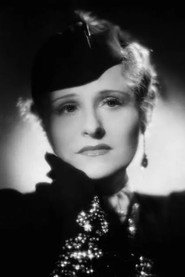 Hilde WagenerDie Frau
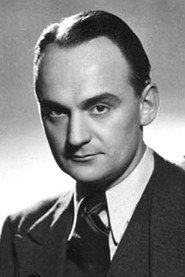 Willi ForstHerr von Haller, Rennfahrer
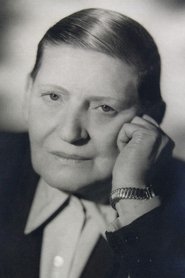 Lucie HöflichMutter der Frau
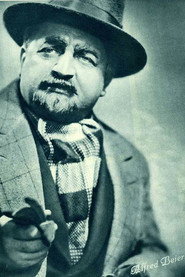 Alfred BeierleMüller, Hoteldetektiv
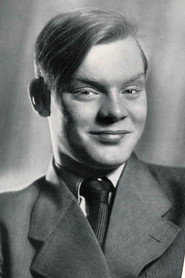 Hans RichterFritz, Page
 Rina MarsaFräulein de la Roche
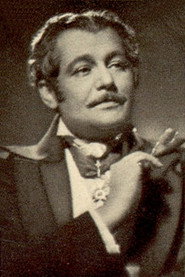

Directing
- Robert SiodmakDirector
Writing
- Frederick KohnerNovel
- Stefan ZweigNovel
- Alfred PolgarScreenplay
- Robert SiodmakScreenplay
Production
- Alfred SternProducer