
Film
Daisy Miller
Peter Bogdanovich's 1974 adaptation of Henry James's novella, starring Cybill Shepherd as the irrepressible American heiress who scandalized European society. A comedy of manners with real bite—light in touch but cutting about how quickly propriety becomes cruelty, how easily desire becomes judgement. For anyone who likes their romance tinged with social satire.
Should you watch it?
Watch it if you enjoy old-fashioned social comedy where manners, misreadings and a flirtatious American girl in Europe do most of the work, and a gently satirical eye on propriety appeals more than plot.
Skip it if you want fast momentum or a modern sensibility; the pace is leisurely, the humor is polite and understated, and the romance unfolds through conversation and social glances rather than action.
What it asks of you: Ninety-one minutes of talky, sunlit scenes that reward patience and close attention to who says what at which dinner, with little physical excitement to carry you along.
Not sure? Find tonight's pick in a minute.
If you liked this
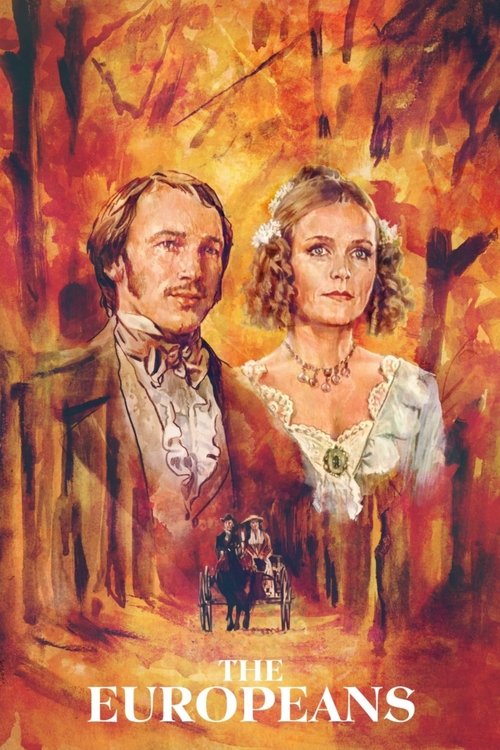
The Europeans1979
James adapted again, this time by merchant Ivory, exploring similar tensions between American openness and European restraint. Exquisite performances and a more generous ending than Daisy Miller offers.
But Slower, more diffuse, without Shepherd's comic energy. The period detail can feel more museum than lived-in.
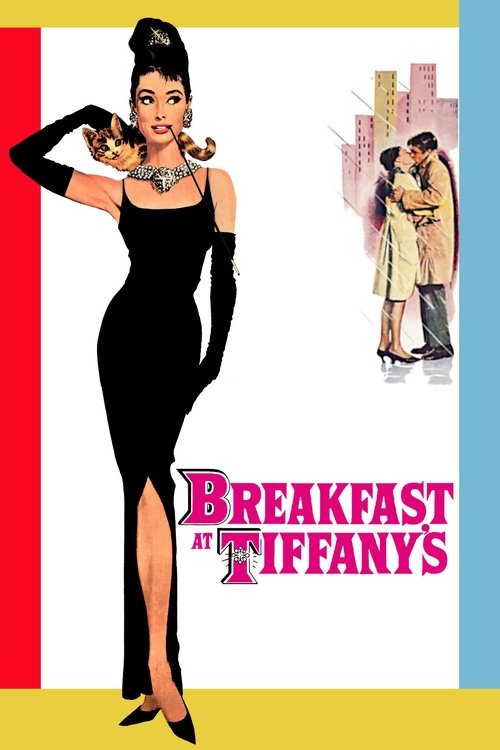
Breakfast at Tiffany's1961
Another American woman abroad who doesn't follow the rules—a charming eccentric who bewilders everyone around her. Audrey Hepburn's Holly Golightly is Daisy's spiritual cousin, lighter in tone but just as defiant.
But The racial politics haven't aged gracefully, and it skews romantic rather than satirical. Easier to enjoy than to examine.
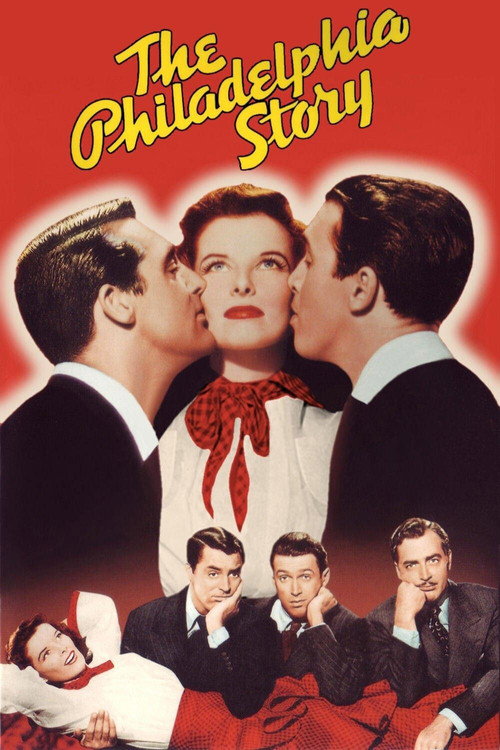
The Philadelphia Story1940
High society comedy that shares Daisy's fascination with how people perform for each other and how badly they read one another. Wrier, more sophisticated, but cut from the same cloth—manners as warfare.
But Very much a stage play adapted for film. Cary Grant and James Stewart's screen time might leave you wanting more Hepburn.
Not sure tonight? Get a pick in a minute, starting from Daisy Miller
The wildcard
Something you would not have found on your own.
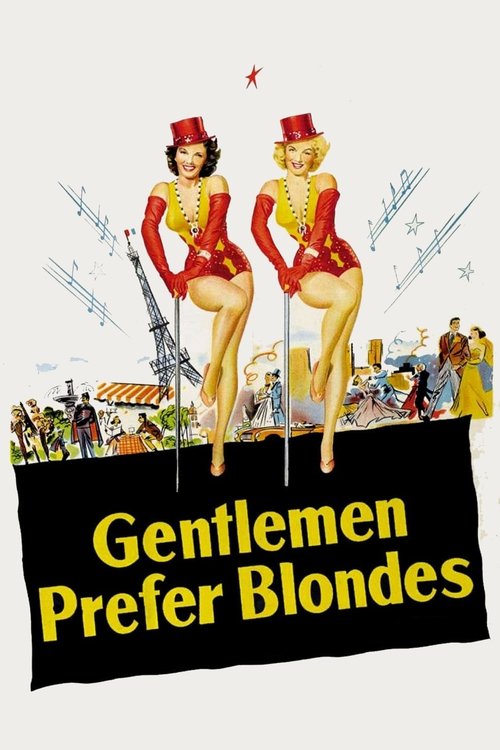
Gentlemen Prefer Blondes1953
Both explore what happens when women reject society's script, but where Daisy pleads innocence, Monroe and Russell refuse the innocence entirely. Daisy is tragedy; this is liberation comedy.
Jane Russell and Marilyn Monroe as American women who know exactly what society thinks of them and weaponize it anyway. Daisy was punished for her refusal to conform; these women profit from it. Radical in register—trashy, exuberant, completely unrepentant.
But The film celebrates exactly what Daisy condemns Daisy for. It's camp pastiche dressed as musical comedy, not meant to feel real. You have to want the artifice.
More like this (7)
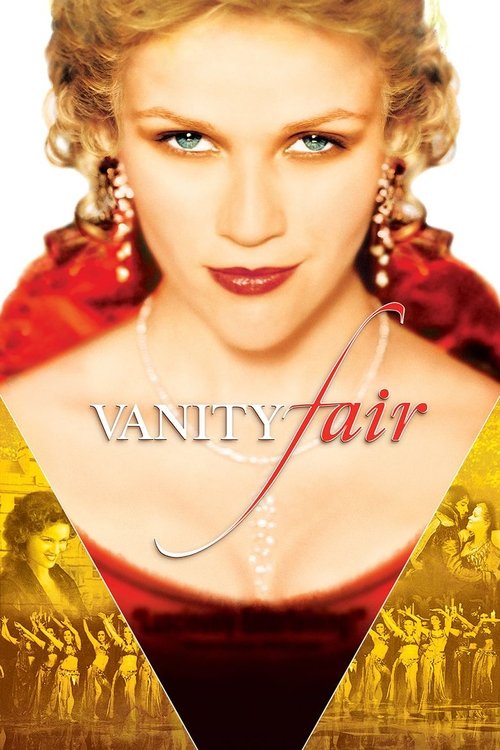
Vanity Fair2004
Thackeray's novel has the same plot engine: an ambitious outsider navigating rigid society, romance doomed by social calculation. Reese Witherspoon's Becky Sharp has Daisy's determination but none of her innocence—darker, sharper, more modern.
But Tries to be both intimate drama and sprawling social satire and doesn't quite land. Some scenes feel rushed, others overstretched.
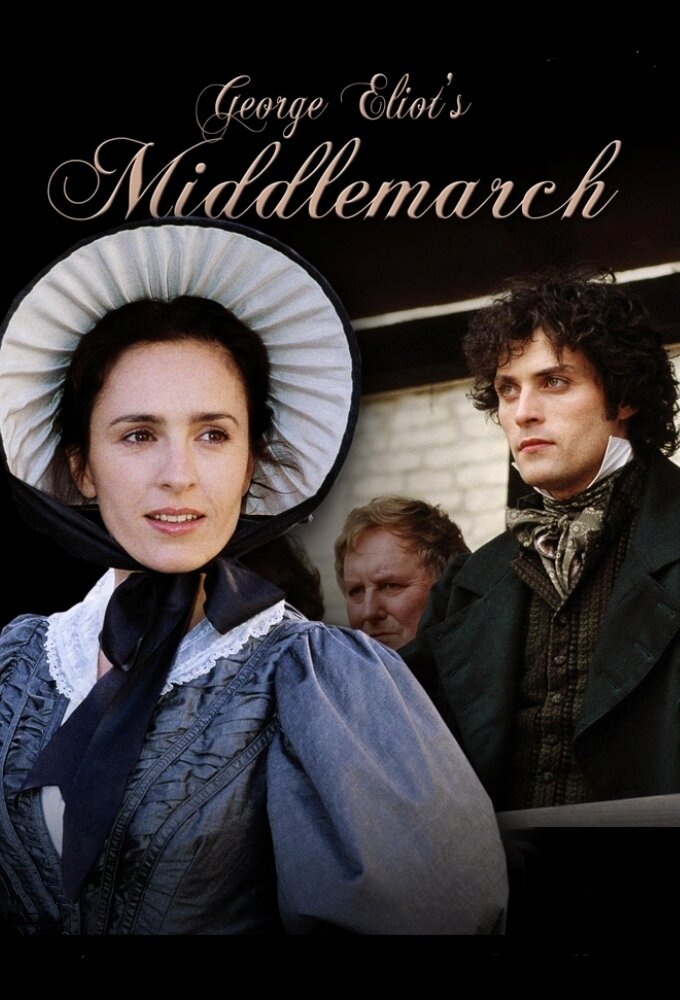
Middlemarch1994
BBC adaptation of George Eliot's masterpiece about small-town society, mismatched marriages, and the gap between what people are and what they seem. Daisy's tragedy plays out in smaller key here, but the anatomy of social judgment is identical.
But Six hours long and intentionally paced. The provincial English setting won't have the glamour of European capitals.
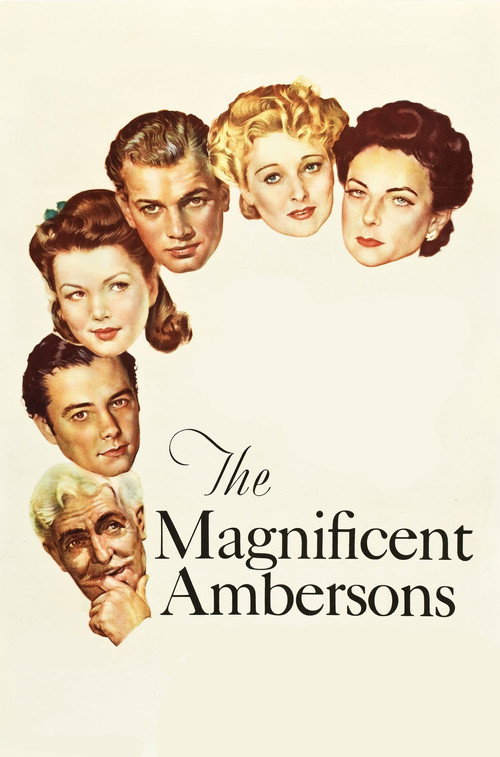
The Magnificent Ambersons1942
Welles filming Booth Tarkington on the American nouveau riche offending European sensibilities. A story about how quickly the world moves on from people it's decided to dismiss. Formally dazzling.
But The studio cut is mutilated by the studio; Welles's intention is lost. Murky cinematography and uneven pacing.
All the President's Men1976
Not obvious, but both are 1970s films fascinated by how institutions protect themselves and how the powerless are destroyed by what others assume about them. Different world, same machinery of judgment and ruin.
But Political thriller with no romance. If you want more Bogdanovich, this isn't the film to make that connection with.

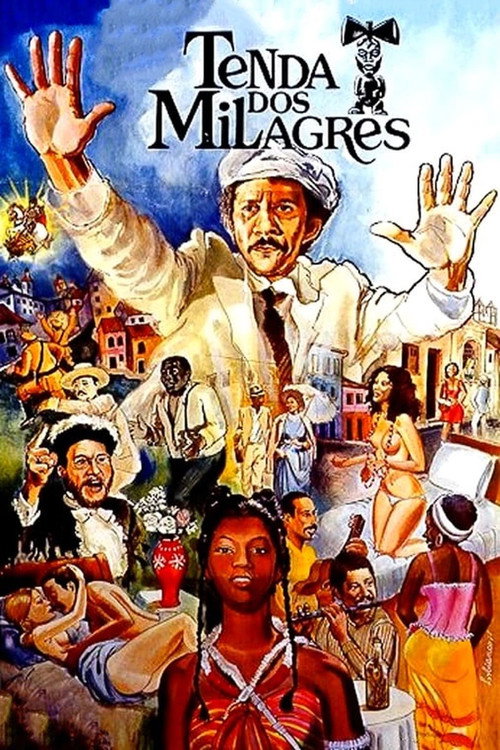
Tent of Miracles1977
Brazilian film about an outsider man and a woman who doesn't fit society's expectations, set in a permissive, sensual world—the inverse of Daisy's repressive Europe. Same romantic conflict, different moral universe.
But In Portuguese with subtitles. Looser, stranger structure than Western narrative. Sensuality might feel explicit if you're expecting James's restraint.
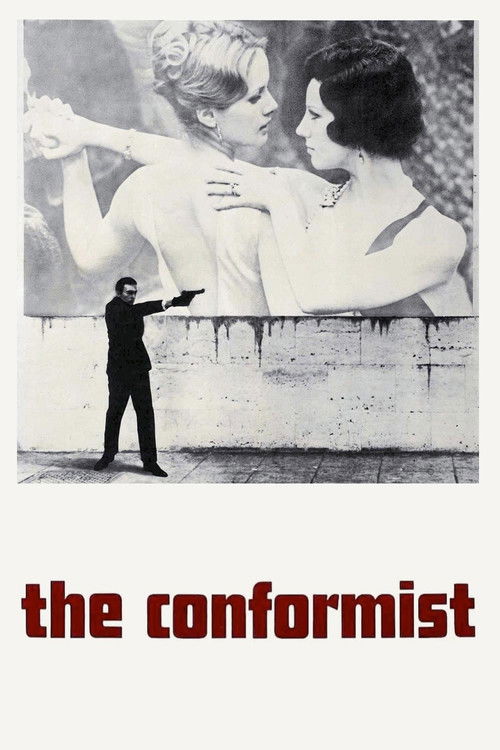
The Conformist1971
Both are about protagonists undone by trying to belong to a system that will never accept them regardless of what they do. The difference is Daisy never knew it was a system; this man cannot admit that it is.
Bertolucci's masterpiece about a man destroyed by his attempts to belong, to follow the rules everyone else follows, to be correct. Shot in geometric perfection that makes conformity look like a razor trap. Completely different in period and gender, but structurally and morally identical.
But Italian, philosophical, slow-burn fascist nightmare rather than drawing room satire. Daisy's tragedy rendered as visual fever dream. You need patience and darkness.
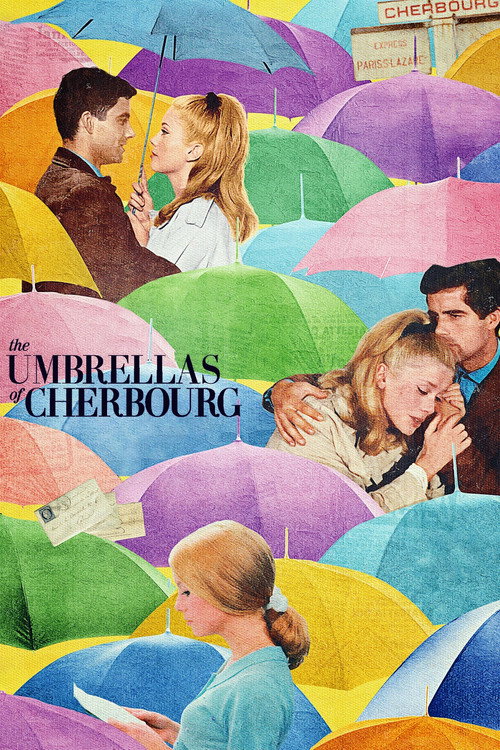
The Umbrellas of Cherbourg1964
Same moral engine: two people who love each other destroyed not by bad luck or bad character but by the indifference of the social machinery grinding around them. Daisy learned this in 91 minutes of drawing room observation; Demy shows it through color and song.
Demy's achingly beautiful French musical about lovers kept apart by circumstance and social expectation. No dialogue about propriety—just color, music, and the quiet destruction of a love that violates the social order. Daisy's tragedy, drained of comedy, rendered in Technicolor and tears.
But A musical in a melancholic minor key. The romance ends because it has to, not because it's resolved. If you're watching for a happy ending, you will leave heartbroken and angry at the film.
People
Cast
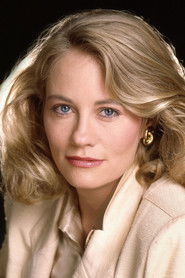 Cybill ShepherdDaisy Miller
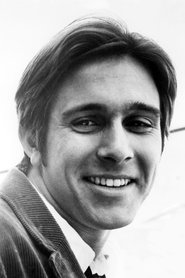 Barry BrownFrederick Winterbourne
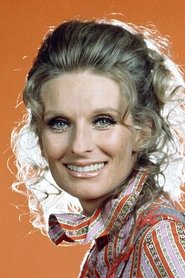 Cloris LeachmanMrs. Ezra Miller
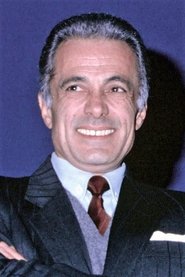 Duilio Del PreteMr. Giovanelli
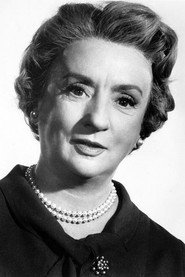 Mildred NatwickMrs. Costello
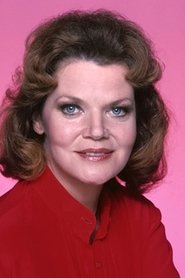 Eileen BrennanMrs. Walker
- James McMurtryRandolph Miller
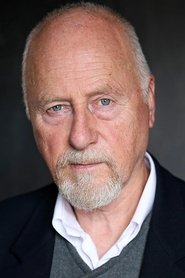 Nicholas JonesCharles
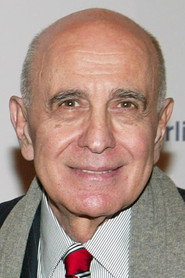 George MorfogenEugenio
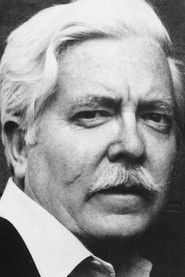 Richard DunneOpera Patron
 Corinne DunneOpera Patron
- Andrea EsterhazyDoctor
Directing
- Tony BrandtAssistant Director
- Peter BogdanovichDirector
- Anita BorgiottiScript Supervisor
- Mario JurisicSecond Assistant Director
Writing
- Henry JamesNovel
- Frederic RaphaelScreenplay
Production
- Frank MarshallAssociate Producer
- Enzo GuglielmiLocation Manager
- Peter BogdanovichProducer
- Maurizio LucciProduction Assistant
- Luciano PipernoProduction Manager
- Lanfranco DiotalleviUnit Manager
- Mario OlivieriUnit Manager
Recommended by
Anna Karenina, The Great Gatsby, The Burning Secret, Intermezzo: A Love Story, Great Expectations