
Film
The Europeans
James' novel of Americans returned from Europe to shake up their provincial New England cousins. Formal, restrained, and deeply concerned with manners, money, and the gap between continental sophistication and Puritan restraint. A small film that lets silences do the work. For patient viewers who like social friction played at a low boil.
Should you watch it?
Watch it if you love a gentle comedy of manners where the wit hides in polite conversation, the stakes are quietly social, and the drama of who marries whom feels like a chess game.
Skip it if you want brisk plot or big emotional fireworks, since this is talky and restrained, and a 91-minute film built on hesitation and unspoken feeling can feel slight.
What it asks of you: Expect patience over payoff: it moves at a courteous, deliberate pace, lets scenes breathe, and asks you to read faces and pauses as closely as dialogue.
Not sure? Find tonight's pick in a minute.
If you liked this
The Remains of the Day1993
Hopkins as a repressed English butler navigating duty, class, and the cost of emotional distance. Like James, it's about what people don't say, and how that silence shapes lives.
But Measured to the point of glacial. If you need plot momentum or emotional catharsis, this will feel like watching paint dry.

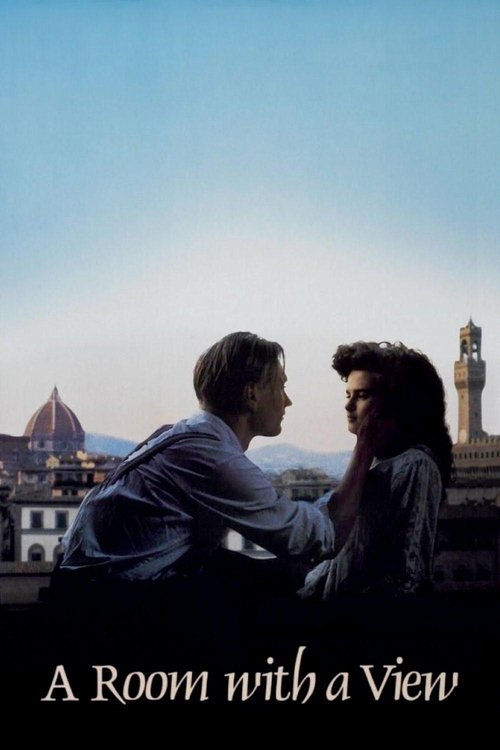
A Room with a View1986
Merchant-Ivory's sunlit take on another James contemporary exploring passion versus propriety. Similar era, similar tensions, but warmer and more visually generous than The Europeans.
But The romantic resolution is almost too neat, and the film's prettiness occasionally overwhelms the moral complexity underneath.
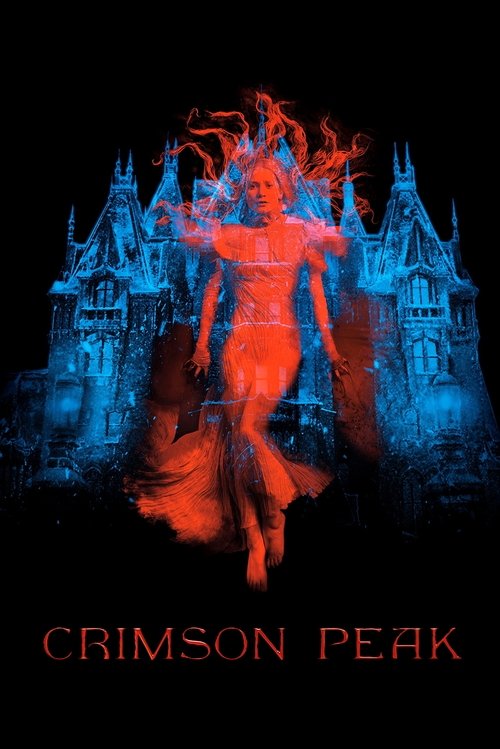
Crimson Peak2015
Del Toro's Gothic take on James-adjacent themes: a foreign seducer, an American heiress, European decadence as dangerous allure. The visual spectacle sells what The Europeans implies.
But Swings hard toward melodrama and horror. If you want ambiguity and restraint, this is the opposite.
Not sure tonight? Get a pick in a minute, starting from The Europeans
The wildcard
Something you would not have found on your own.
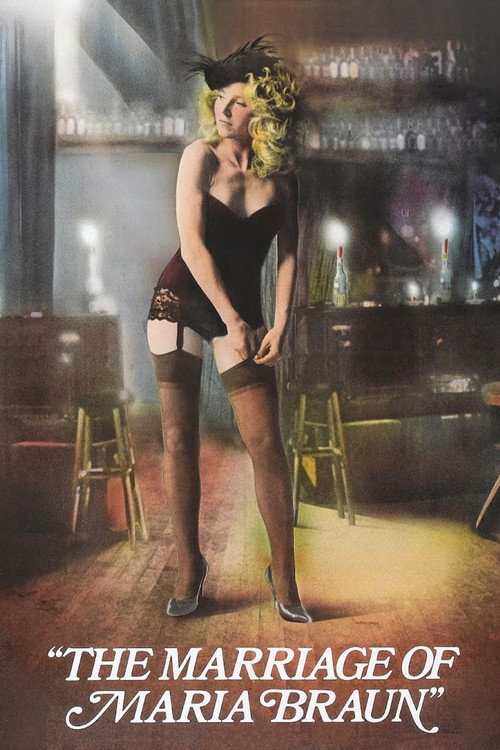
The Marriage of Maria Braun1979
Both pit a calculating woman against a provincial society. Both suggest that seduction and calculation are tools for survival in worlds indifferent to sentiment.
Released the same year as The Europeans, Fassbinder's film shares its skeleton: a woman using romance as economic calculation in a world that has just finished destroying itself. Eugenia's desperation translated into postwar German rubble.
But German New Cinema intensity and formal rigor. This is no comfort film—it's about complicity, survival, and the self-deception required to live through history.
More like this (7)
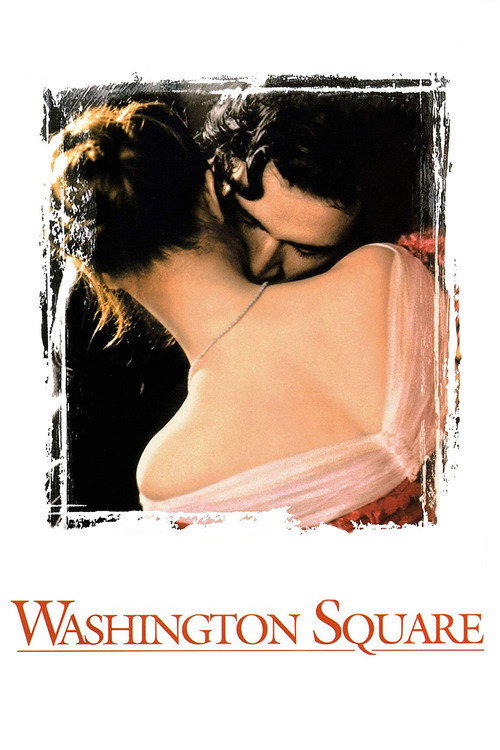
Washington Square1997
Another James adaptation with similar DNA: family pressure, economic calculation masquerading as romance, a young woman caught between worlds. Agatha Christie-level plotting wrapped in period decorum.
But The ending punishes the heroine in ways that feel dated and bleak, even by James standards.
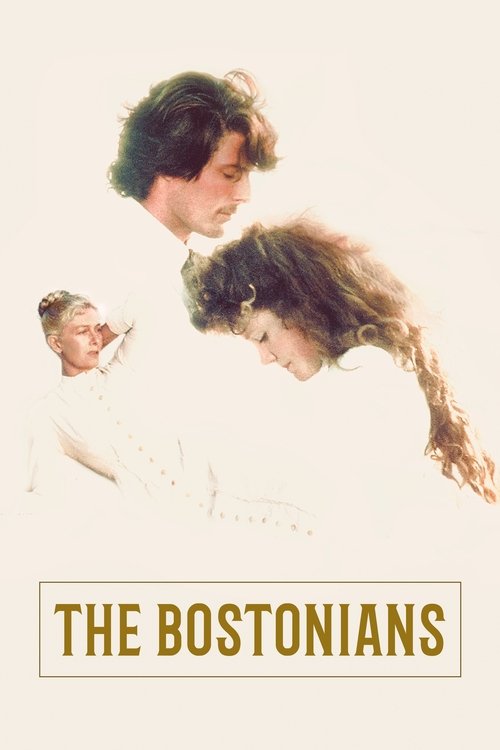
The Bostonians1984
Ivory's other James adaptation, equally concerned with ideology clashing with desire. A triangle of wills in 19th-century America. Cerebral and richly textured.
But The pacing is deliberately slow and the characters often frustratingly self-deluded. Requires active patience.
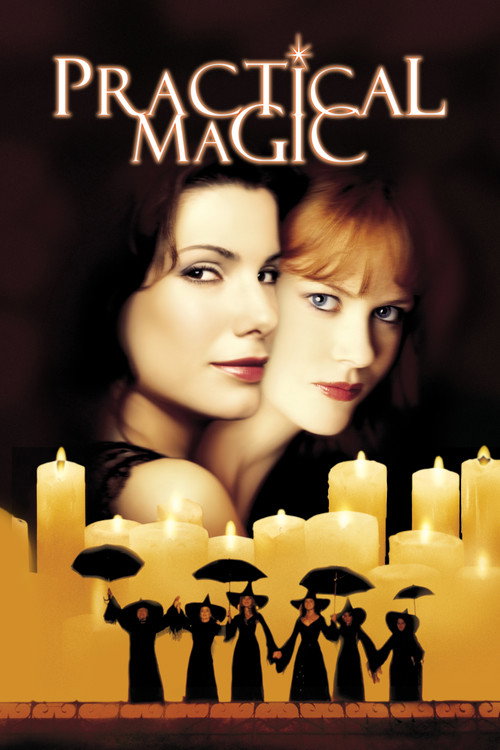
Practical Magic1998
Two sisters, family curses, and romance tangled with obligation. Trades James's realism for magical realism but keeps his interest in how women navigate limited choices.
But Tonal whiplash between dark and bubbly. The plot thirsts for resolution in ways The Europeans resists.
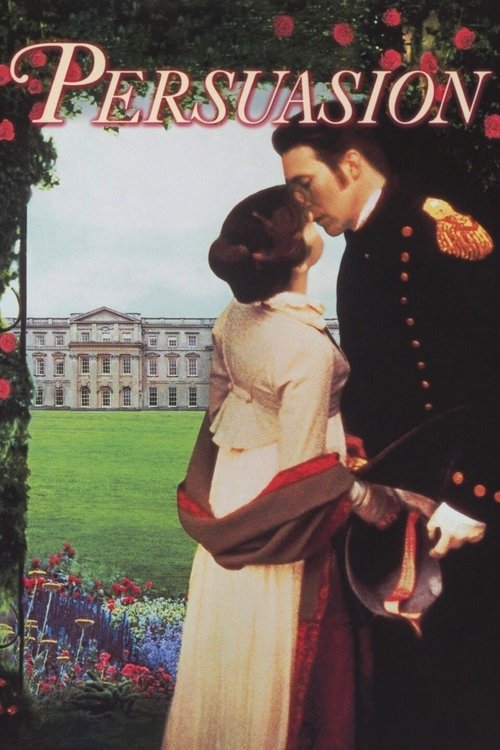
Persuasion1995
Austen, not James, but the DNA is identical: second chances, delayed love, social pressures, and the quiet intensity of people who've learned to hide what they feel.
But If Austen doesn't speak to you, this won't convert you. It's a faithful adaptation of something fundamentally modest in scale.
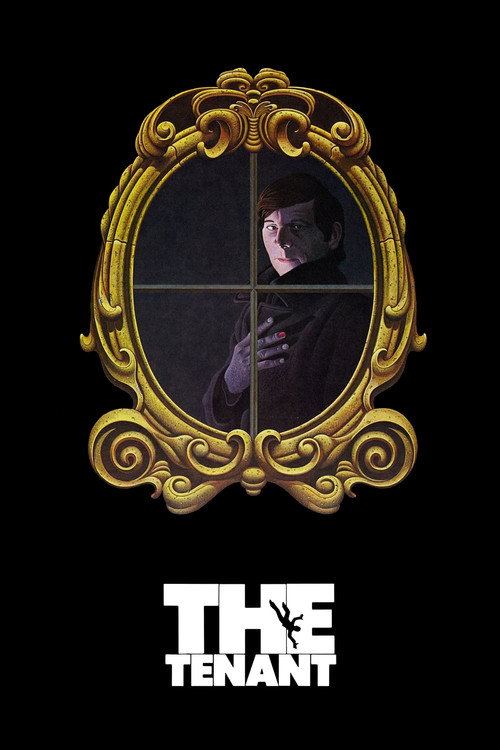
The Tenant1976
Polanski's paranoid drama about an outsider trying to assimilate into a Parisian apartment building. Like The Europeans, it's about the violence of not belonging and the cost of trying to fit in.
But Deeply unsettling and surreal. This is psychodrama, not drawing-room politeness, and it ends badly.
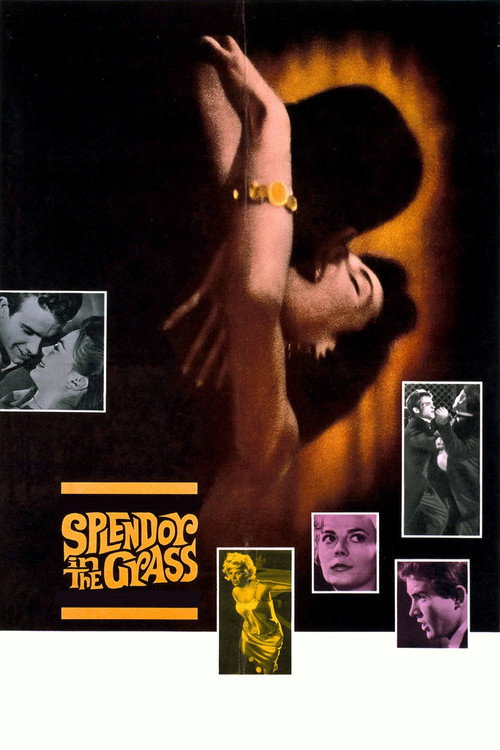
Splendor in the Grass1961
Both explore how social position and family expectation strangle romance before it begins. Both end with characters accepting diminished versions of what they wanted.
A century later, still wrestling with the same James-adjacent questions: class, desire, family pressure, and whether love can survive social reality. Warren Beatty and Natalie Wood as star-crossed lovers in 1920s Kansas.
But It's earnest and emotional where The Europeans is cool and contained. The American melodrama registers very differently than James's irony.
Stalker1979
Both are films about people moving through space toward something they think they want, only to discover the real obstacle is internal. Both trust you to think instead of feel.
Also 1979, Tarkovsky's three-hour philosophical epic about a guide leading two men through a mysterious zone toward a room that might grant wishes. Shares The Europeans' fascination with desire, whether it's real, and what happens when we finally face what we want.
But Soviet science fiction, 163 minutes, almost no plot, mostly conversation and meditative long shots. The opposite of conventional narrative. Tests your patience deliberately.

People
Cast
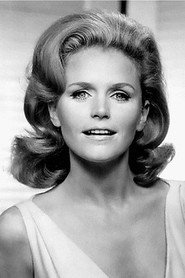 Lee RemickEugenia Young
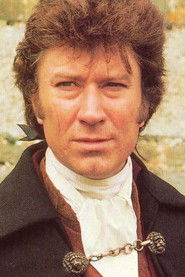 Robin EllisRobert Acton
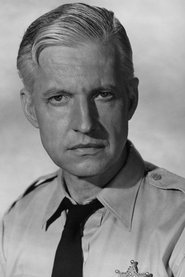 Wesley AddyMr. Wentworth
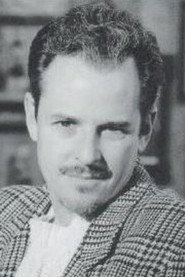 Tim ChoateClifford
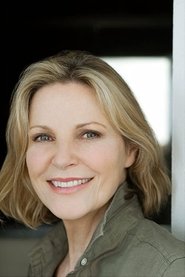 Lisa EichhornGertrude
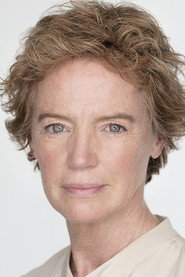 Kristin GriffithLizzie Acton
- Nancy NewCharlotte
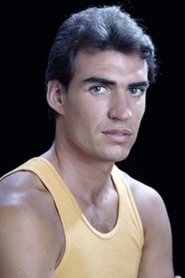 Norman SnowMr. Brand
 Helen StenborgMrs. Acton
 Tim WoodwardFelix Young
- Gedda PetryAugustine
Directing
- James ManiolasAssistant Director
- Jane BuckContinuity
- James IvoryDirector
- Christine FoxSecond Assistant Director
Writing
- Henry JamesNovel
- Ruth Prawer JhabvalaScreenplay
Production
- Connie KaisermanAssociate Producer
- Judy AbbottCasting
- Ismail MerchantProducer
- Joyce HerlihyProduction Manager
- Peter KeanUnit Manager