
Film
Washington Square
A crisp 1870s melodrama about an heiress caught between her controlling father and a charming suitor whose motives remain beautifully ambiguous. It's a chamber piece—intimate, perfectly acted, full of quiet wounds. For anyone who finds themselves drawn to stories where the real drama is internal, where a glance says more than a speech, and where being right doesn't make you happy.
Should you watch it?
Watch it if you love slow-burning period dramas where the real drama is in glances, silences and a father's cold judgment, and a quiet story about a plain woman finding her spine lands harder than any big set piece.
Skip it if you want brisk plotting or a romance with warmth and chemistry front and centre, since the tone is restrained and the mood can feel chilly for long stretches.
What it asks of you: It takes its time, settling into measured rooms and clipped conversations across under two hours, and it rewards patience more than quick reactions.
Not sure? Find tonight's pick in a minute.
If you liked this
The Remains of the Day1993
A similar study of restraint and duty suffocating desire. Anthony Hopkins and Emma Thompson are magnificent, and like Washington Square, it asks what you've sacrificed by always doing the correct thing.
But Slow and deliberately quiet. There's minimal plot and the emotional climax is a barely suppressed sob. It demands patience.

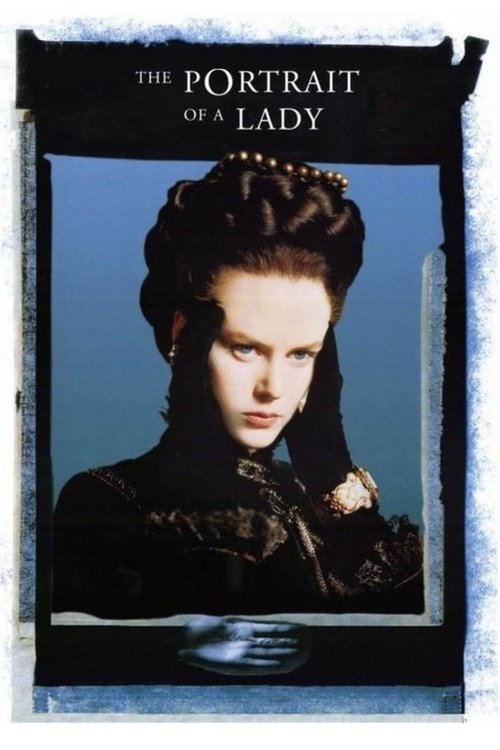
The Portrait of a Lady1996
Another Henry James adaptation with the same moral complexity: a woman with fortune learns that money doesn't protect you from making terrible choices. Nicole Kidman is extraordinary.
But The pacing is unhurried and the ending deliberately offers no comfort. Some find it frustrating rather than moving.
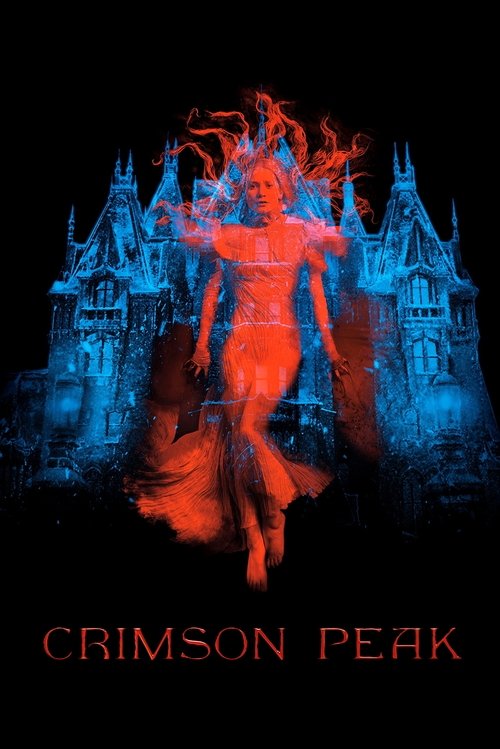
Crimson Peak2015
Guildhall Guildhall shifts the dynamic—here the woman suspects the beautiful man's motives from the start—but it has the same Gothic tension and the same question: how do you know if you're being loved or used?
But It leans more toward Gothic horror-romance than psychological drama. If you want realism, this is theatrical.
Not sure tonight? Get a pick in a minute, starting from Washington Square
The wildcard
Something you would not have found on your own.
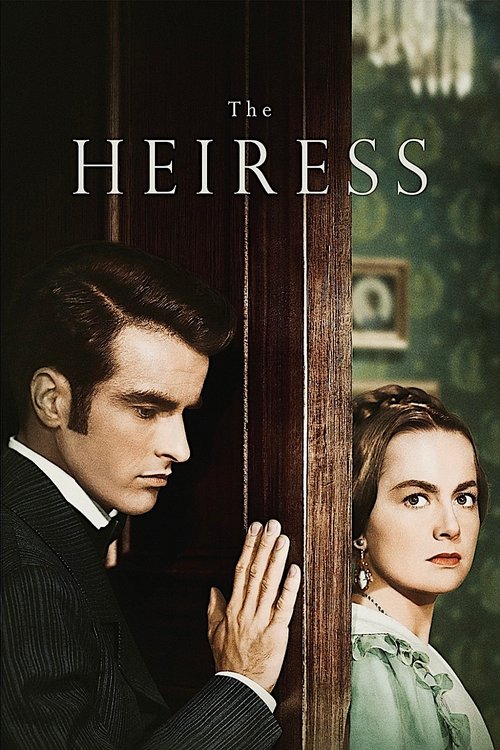
The Heiress1949
Identical source material, radically different emotional conclusions. Both ask the same question but answer it differently—a master class in adaptation.
The previous adaptation of Henry James's novel, made nearly fifty years earlier with Olivia de Havilland and Montgomery Clift. It's sharper, colder, and ends with a revenge so quiet it's almost a whisper. See the evolution of how the same story can be told.
But The 1949 version is more overtly hostile to Morris. If you appreciate the ambiguity in the 1997 film, this one's certainty might feel simplistic.
More like this (7)
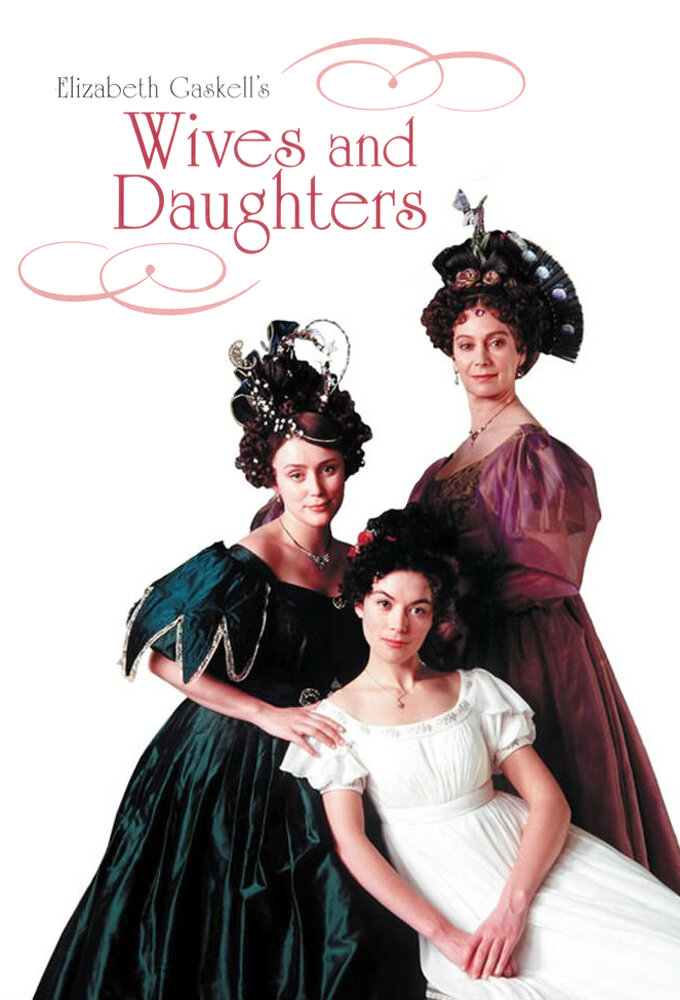
Wives and Daughters1999
An Elizabeth Gaskell adaptation (the other great novelist of frustrated female desire). It has Washington Square's intelligence about marriage as economy, and a similar heroine learning painful lessons.
But It's a six-hour commitment. And the social detail, while exquisite, can feel slow if period drama isn't your language.
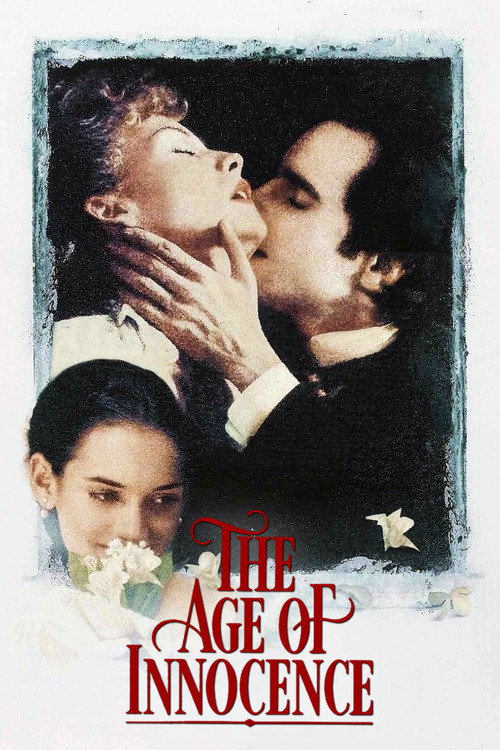
The Age of Innocence1993
Scorsese's Edith Wharton: another gilded cage, another woman caught between duty and desire, another perfect period film that's really about the violence of social expectation.
But Starts glacially and the emotional payoff is that nothing happens. You're watching people perform restraint for two hours.
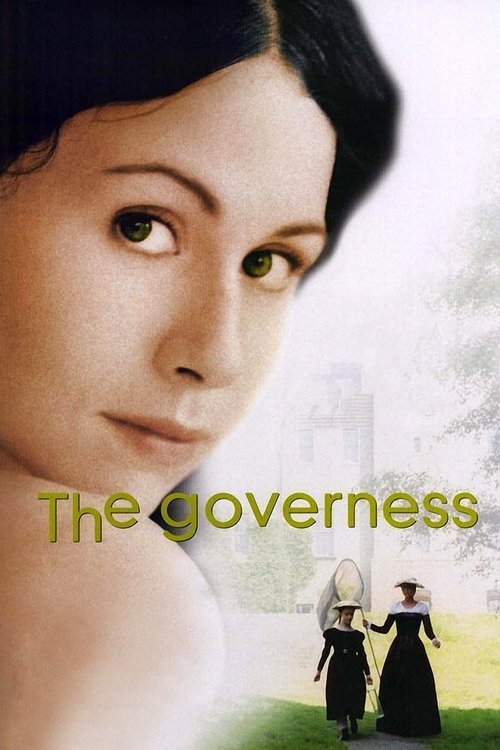
The Governess1998
Another period romance built on deception and class anxiety. Minnie Driver is luminous, and like Catherine, her character discovers that being clever doesn't protect you from being used.
But Less famous than it deserves to be, which means less visible. And the ending is bleaker than many want.
Beloved1998
Jonathan Demme's adaptation of Morrison's novel shares Washington Square's interest in how the past and family obligation can trap you. Oprah Winfrey in a role of real depth and sorrow.
But Structurally fractured and genuinely haunting in ways that can feel destabilizing. Not a comforting watch.
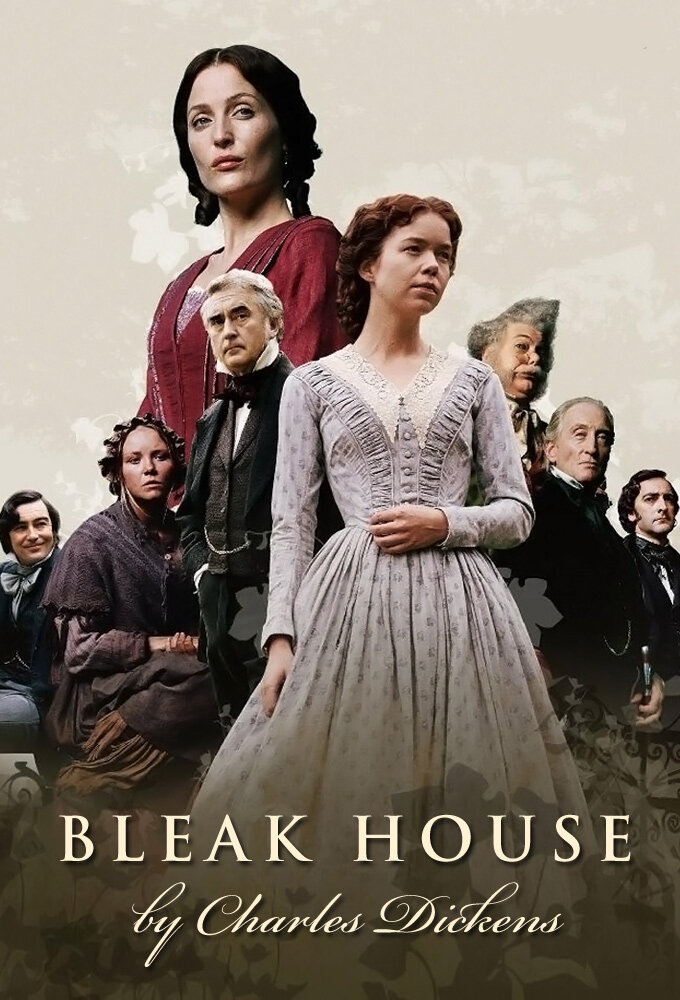
Bleak House2005
Dickens on the BBC, full of characters trapped by circumstance and law. If you love the social atmosphere of Washington Square, this explores similar themes on a grander scale.
But Fourteen episodes. You're committing to Dickens' worldview, which is dark and not resolved by the ending.
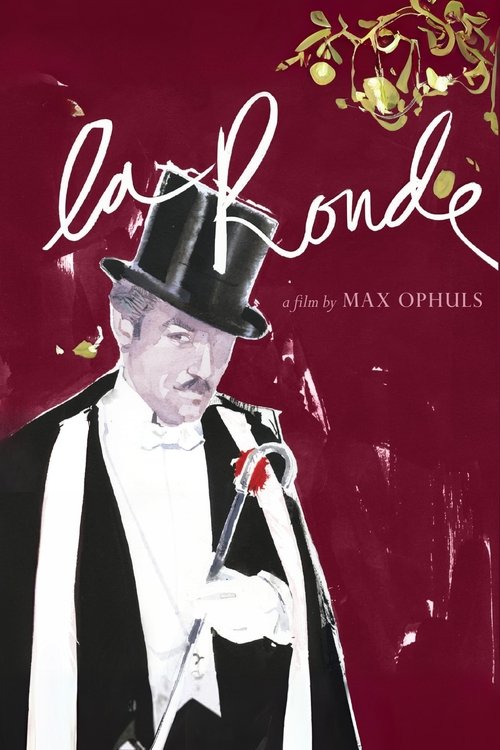
La Ronde1950
Both are about how economic desperation masquerades as love in polite society. One is American and tragic; the other is Austrian and cynical.
Ophüls' elegant waltz through Viennese society, where everyone is always trying to seduce or deceive everyone else. It has the same ball-gown atmosphere and the same bitter wit about desire and money, but as carousel rather than tragedy.
But It's French-language, formally very mannered, and the 'whole world is corrupt' philosophy can feel exhausting. Also, technically brilliant but emotionally cold.
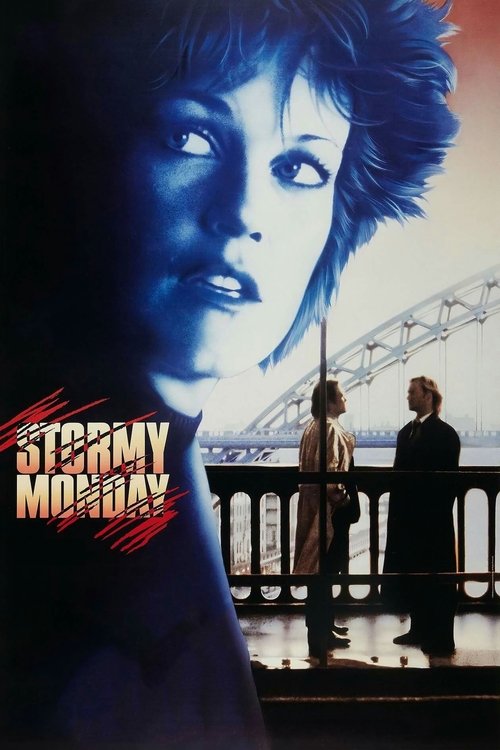
Stormy Monday1988
Inverts the power dynamics (here the woman has the money but no institutional power), but keeps the same central ambiguity: is this man genuine, or just a beautiful liar?
A contemporary noir (set in Newcastle, not 1870s Manhattan) where Tommy Lee Jones as a suave American businessman courts Sean Bean's working-class hero. Same plot—beautiful man with hidden motives—but transplanted to Gorbachev-era Britain and played like jazz. Visually stunning and morally murky.
But Elliptical and stylised. The plot is almost secondary to the mood, and some will find it more interested in looking good than in clarity. Not a plot-driven film.
People
Cast
 Jennifer Jason LeighCatherine Sloper
 Albert FinneyDr. Austin Sloper
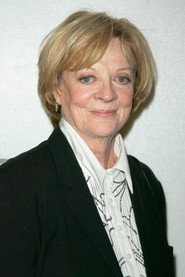 Maggie SmithAunt Lavinia Penniman
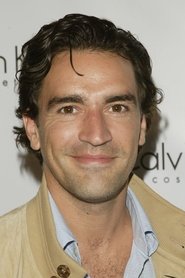 Ben ChaplinMorris Townsend
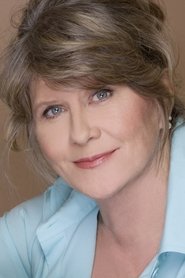 Judith IveyAunt Elizabeth Almond
- Arthur LaupusMr. Almond
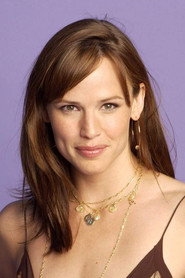 Jennifer GarnerMarian Almond
 Robert StantonArthur Townsend
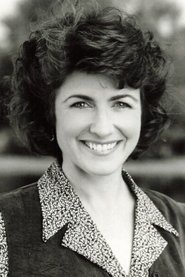 Betsy BrantleyMrs. Montgomery
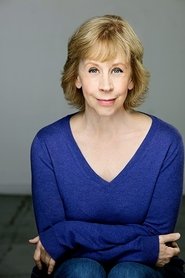 Nancy DalyMaureen (Maid)
- Sara RuzickaYoung Catherine Sloper
- Rachel Layne SacreySarah Almond
Directing
- Agnieszka HollandDirector
- J. Miller TobinFirst Assistant Director
- Alice TompkinsScript Supervisor
- Carol DePasqualeScript Supervisor
- Mary-Jane AprilSecond Assistant Director
Writing
- Henry JamesNovel
- Carol DoyleScreenplay
Production
- Chrisann VergesAssociate Producer
- Debra ZaneCasting
- John StrawbridgeCasting Associate
- Randy OstrowExecutive Producer
- Julie Bergman SenderProducer
- Roger BirnbaumProducer
- Chrisann VergesUnit Production Manager
Recommended by
The Age of Innocence, The House of Mirth, The Heiress, The Europeans, The Wings of the Dove