
Film
The Wings of the Dove
Iain Softley's adaptation of Henry James is a lush, byzantine romance about a young woman caught between love and social necessity. Kate Croy juggles a secret engagement with a poor journalist and a dying American heiress, spinning an increasingly tangled scheme to have both. It's elegant, morally thorny, and gorgeously shot—for viewers who relish period drama with real psychological complexity and aren't afraid of ambiguity.
Should you watch it?
Watch it if you love slow-burning period dramas where the real story is what people refuse to say, and where costume and candlelit rooms carry the tension of a card game.
Skip it if you want brisk plotting or a clear moral compass, since its characters move with patience and its schemes unfold in long, murmured conversations that many find stalling.
What it asks of you: Settle in for a tight 102 minutes of restrained looks and loaded silences; it rewards close attention and asks you to read faces rather than follow action.
Not sure? Find tonight's pick in a minute.
If you liked this
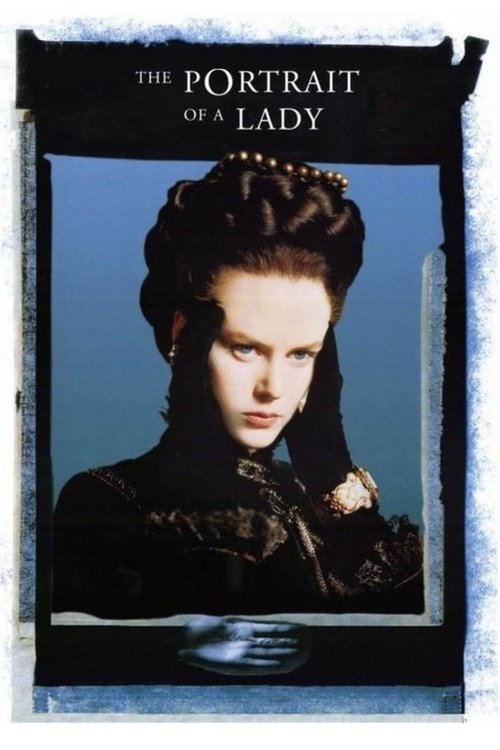
The Portrait of a Lady1996
Isabel Archer, like Kate, is intelligent and trapped by circumstance, navigating between romantic desire and financial precarity across European landscapes. Jane Campion's direction is restless and inventive, the moral stakes as high as they come.
But It's nearly two hours and James doesn't resolve things neatly. The pacing is deliberate, sometimes frustrating, and the ending will feel incomplete if you want closure.
The Remains of the Day1993
Merchant-Ivory perfection about duty, longing, and what we don't say. Anthony Hopkins plays a man who, like Kate, sacrifices love for a code he can't quite break. It's heartbreaking precisely because nothing dramatic happens.
But The emotional payoff is muted. If you need your tragedy loud and clear, this film's restraint will feel like withholding.

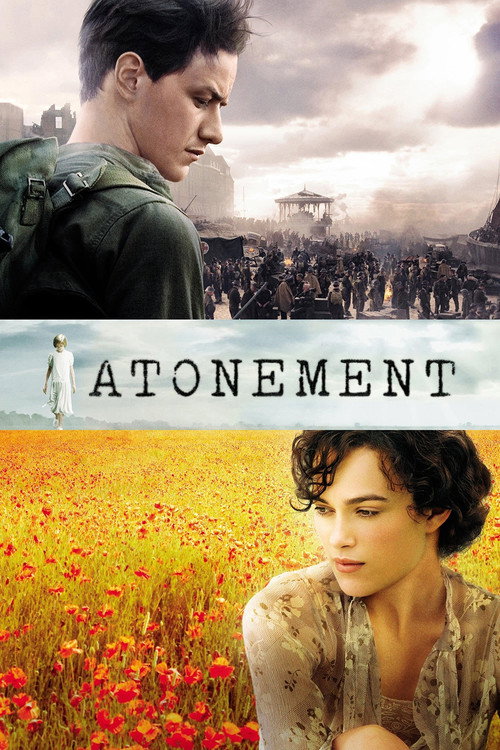
Atonement2007
Two lovers kept apart by circumstance and secrets, with the same formal elegance and the same willingness to make their central characters morally compromised. Joe Wright's direction is confident and the tragedy feels inevitable.
But It's manipulative in the final act—some find the twist cheap rather than earned. The first half is also much stronger than the second.
Not sure tonight? Get a pick in a minute, starting from The Wings of the Dove
The wildcard
Something you would not have found on your own.
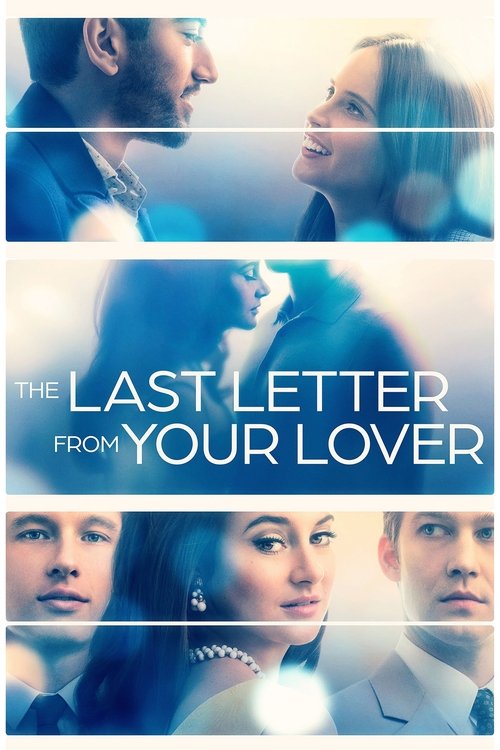
The Last Letter from Your Lover2021
Both films refuse to make their central love story a triumph. Both ask whether desire justifies deception, and both answer: sometimes, but there's a cost, and you pay it.
Nominally a rom-com, but structured as a double mystery: a journalist piecing together a decades-old love affair while living out her own. It's lush and melancholic in ways most romances refuse, and it shares *Wings*' conviction that love and selfishness aren't opposites.
But Genre expectations clash with the film's real interests. Marketed as a feel-good, it's anything but, and that tonal dissonance can feel like deception.
More like this (8)
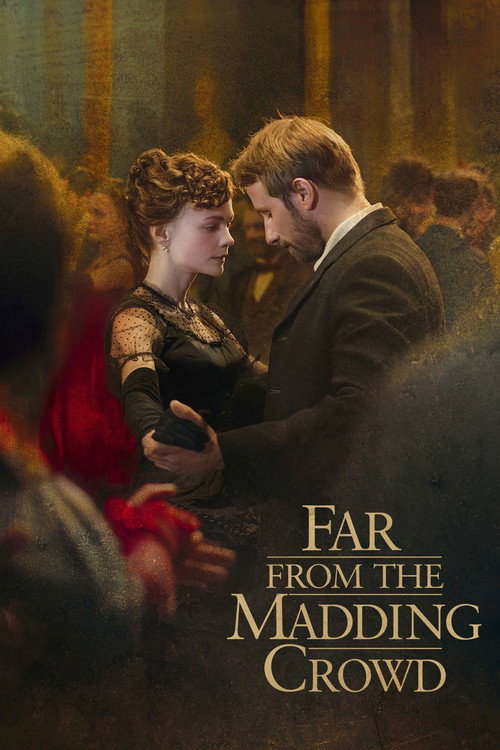
Far from the Madding Crowd2015
Bathsheba Everdene has options and agency, but uses them badly, triangulating between men she can't quite choose. The cinematography is sumptuous and the moral ambiguity is front and center.
But Thomas Vinterberg's version divides viewers sharply. Some find it too heavy-handed; others think it gutted the novel's complexity.
Dangerous Liaisons1988
Courtly intrigue, elaborate schemes, and the cold calculus of seduction. Like *Wings*, it's about intelligent people making themselves miserable through manipulation, and it moves like a knife.
But It's less interested in psychology than in style. If you want interior emotional depth over surface brilliance, this will feel cold.

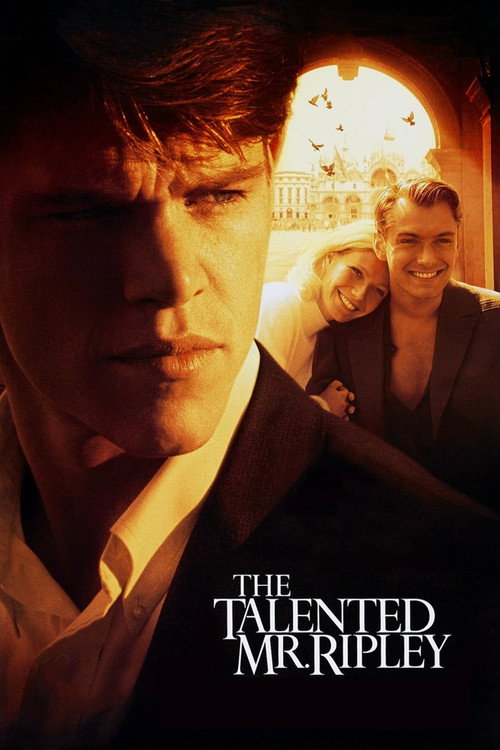
The Talented Mr. Ripley1999
Lush European settings, beautiful people with ugly schemes, and moral decay wrapped in Highclere and sunlight. Anthony Minghella finds the same tension between elegance and corruption.
But It's a thriller, which means it's more interested in plot momentum than James's psychological stillness. The tone is much less conflicted about its characters' sin.
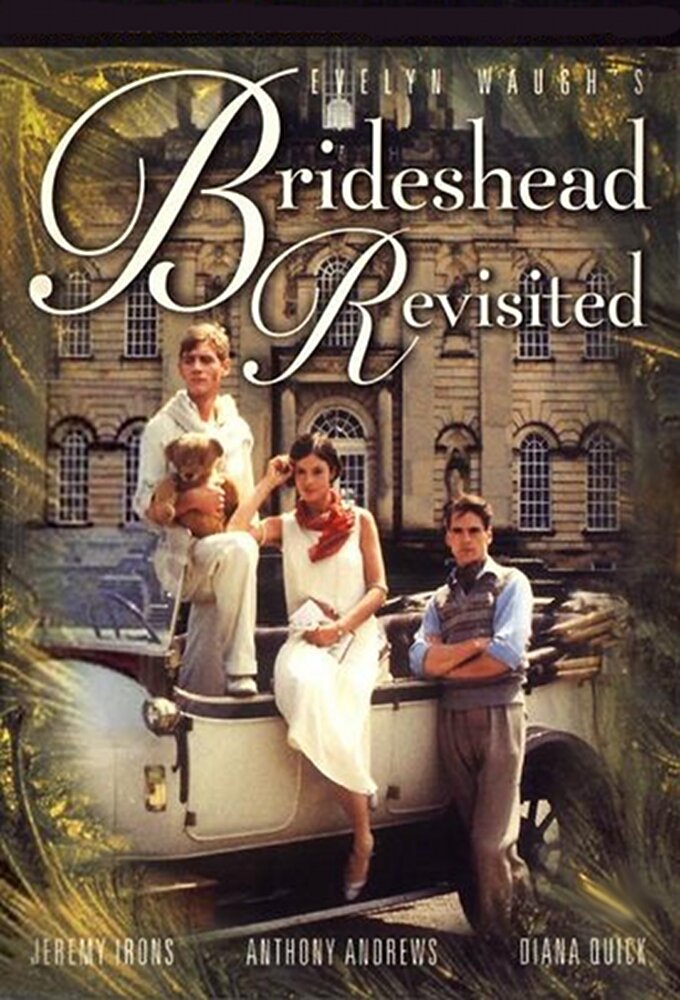
Brideshead Revisited1981
An entire universe built from longing, faith, and the impossibility of having what you want. Like Kate, Charles is in thrall to beauty and wealth and pays a price for both. It's immersive and devastating.
But It's eleven hours, which is a commitment. Also, Evelyn Waugh's Catholicism is woven through everything, and if religious guilt leaves you cold, so will half the tragedy.
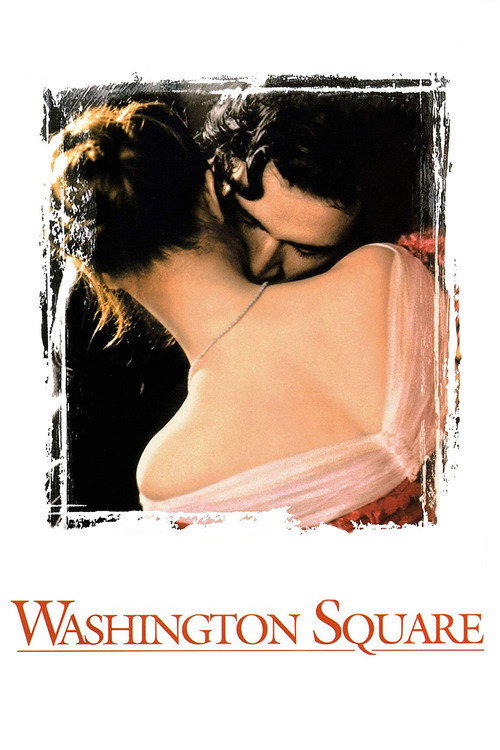
Washington Square1997
Released the same year, with Jennifer Jason Leigh as Catherine, another James heroine trapped between love and money. It's bleak, sharp, and shorter, so the emotional punch lands harder.
But It's grimmer than *Wings* and offers almost no comfort. Catherine's defeat is thorough. If you want any romantic redemption, you won't find it.
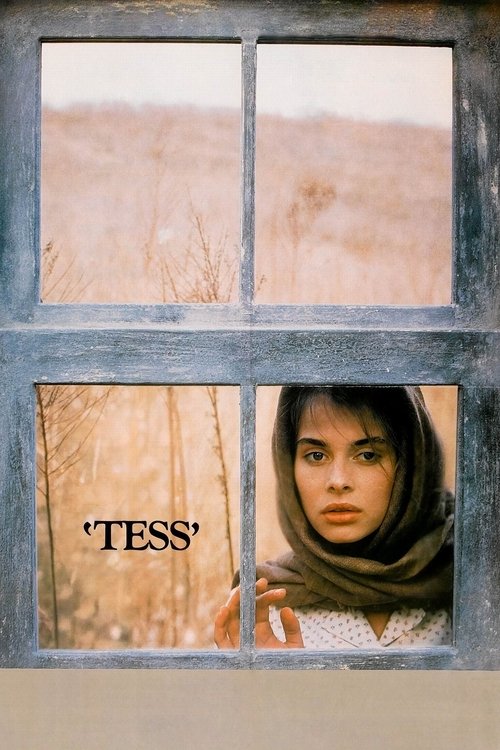
Tess1979
Roman Polanski's doomed heroine moves through a world that won't let her win. The fatalism is hypnotic, the cinematography breathtaking, and the sense of being trapped is palpable.
But It's nihilistic—not one character acts with clear conscience, and the film offers no quarter for any of them. Some find it punishing rather than tragic.
The Leopard1963
Both films are fascinated by what surfaces—clothes, houses, manners—as proof of a character's inner life. Both treat money and beauty as a kind of fate. Both are long, gorgeous elegies.
Luchino Visconti's Sicilian epic runs three hours and moves at the pace of decay. Its hero is a nobleman watching his world vanish, but what matters is the sensory immersion in dying beauty—palazzo, ball gowns, the weight of inevitability. Like *Wings*, it treats class and money as inescapable architecture.
But It's slow cinema about historical forces, not plot. If you need narrative momentum or English-language clarity, this is an endurance test.

Mulholland Drive2001
Both films make their central plot—what actually happened?—less important than the psychology of feminine ambition and betrayal. Both trust viewers to sit with moral discomfort rather than resolve it.
Lynch's fragmented Hollywood fever dream is nothing like *Wings* on the surface, but both films are built on the same engine: a woman's secret agenda, her manipulation of another woman, the collapse of certainty about who's lying and why. The moral vertigo is absolute.
But It's deliberately confusing and can't be solved. The more you search for coherence, the worse it gets. If you need a narrative you can trust, this will infuriate you.

People
Cast
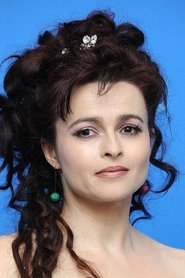 Helena Bonham CarterKate Croy
 Linus RoacheMerton Densher
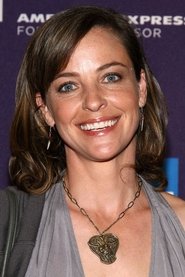 Alison ElliottMillie Theale
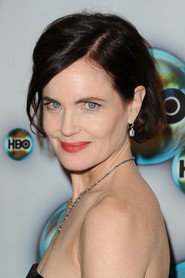 Elizabeth McGovernSusan Stringham
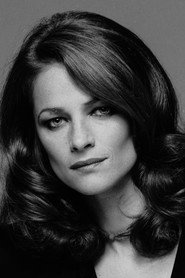 Charlotte RamplingAunt Maude
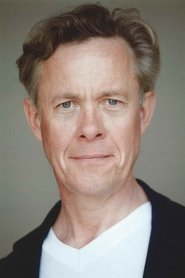 Alex JenningsLord Mark
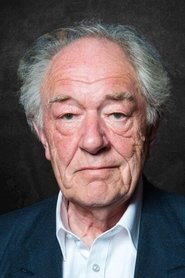 Michael GambonLionel Croy
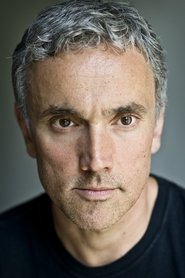 Ben MilesJournalist 1
 Philip WrightJournalist 2
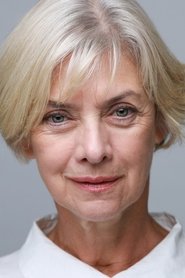 Diana KentMerton's Party Companion
- Alexander JohnButler
- Shirley ChantrellOpium Den Lady
Directing
- Iain SoftleyDirector
- Anna WorleyScript Supervisor
Writing
- Henry JamesNovel
- Hossein AminiScreenplay
Production
- Caroline WoodAssociate Producer
- Billy HopkinsCasting
- Kerry BardenCasting
- Michelle GuishCasting
- Suzanne Smith CrowleyCasting
- Bob WeinsteinExecutive Producer
- Harvey WeinsteinExecutive Producer
- Paul FeldsherExecutive Producer
- Mark CooperLine Producer
- David ParfittProducer
- Stephen EvansProducer