
Film
Macunaima
- Fantasy
- Strange
Macunaíma is a visionary 1969 Brazilian film—part myth, part satirical comedy—following a man who transforms from Black to white, travels from jungle to São Paulo, and discovers that the city's material promises mean nothing. It's hallucinogenic, funny, and genuinely strange: a film that rewrites fairy tale logic for post-colonial Brazil. Essential viewing for anyone interested in how cinema can think.
If you liked this
One Hundred and One Dalmatians1961
Like Macunaíma, this Disney film is anarchic beneath its surface—playful, visually inventive, and completely unconcerned with behaving like a conventional narrative. Both feel alive in a way most films don't.
But It's animated and appears whimsical; the deeper subversions aren't obvious. You have to let the strangeness work on you rather than demanding clarity.

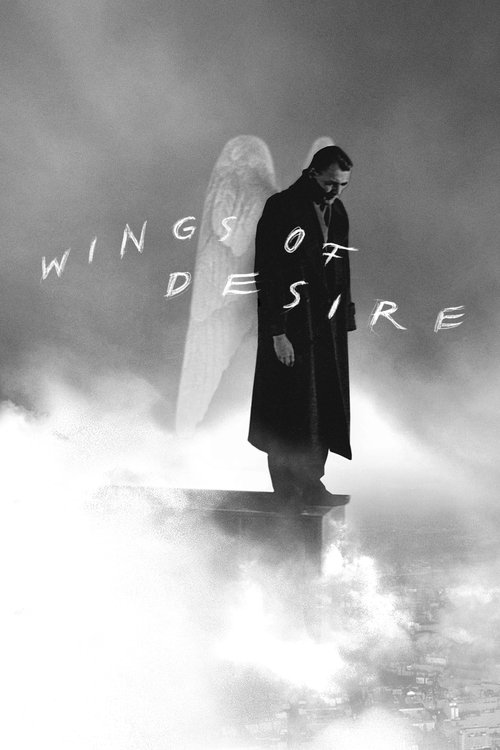
Wings of Desire1987
Wim Wenders made a film about transformation, displacement, and what the city does to the soul. Like Macunaíma, it asks whether modern life enriches or diminishes. Gorgeously melancholy.
But It's slow and meditative. If you want plot momentum, you'll find yourself frustrated by the contemplation.
Stalker1979
Andrei Tarkovsky's masterpiece about a journey into mystery shares Macunaíma's dreamlike structure and its refusal to resolve neatly. Both films trust the viewer to sit with uncertainty.
But 163 minutes of very deliberate pacing. Tarkovsky moves at the speed of thought, which can feel glacial if you're not prepared for it.

Not sure tonight? Get a pick in a minute, starting from Macunaima
The wildcard
Something you would not have found on your own.
Valerie and Her Week of Wonders1970
Both are late-60s/early-70s films from smaller film industries that used fantasy and metamorphosis to explore desire and power in ways mainstream cinema wouldn't touch. Both are visual riddles.
Jaromil Jires' Czechoslovak film shares Macunaíma's dreamlike logic, its casual eroticism, and its trust that cinema can be genuinely strange. A girl's coming-of-age becomes a hallucinogenic descent. Utterly unique.
But It's occasionally grotesque and its sexual politics are antique. The dream-narrative approach means plot coherence is beside the point.

More like this (7)
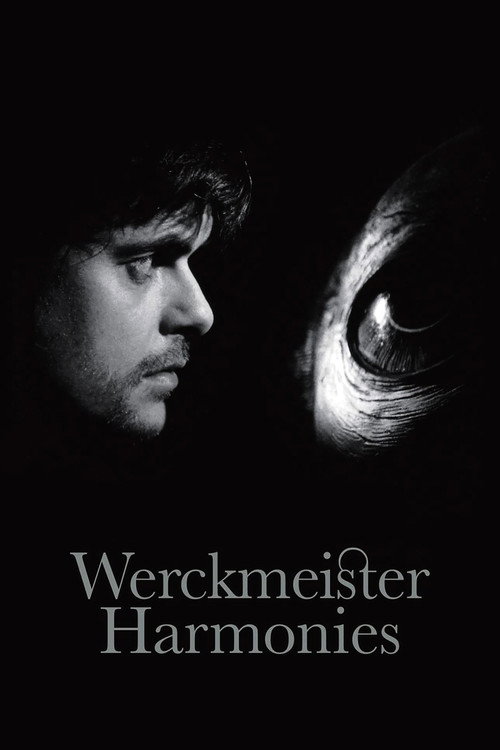
Werckmeister Harmonies2001
Béla Tarr's black-and-white epic captures that same sense of arrival and dislocation—a man encounters something transformative in the city and nothing is quite right afterward. Hypnotic and unsettling.
But It's visually austere, shot in stark monochrome, and the narrative is oblique. Comfort and clarity are not on offer.
Topsy-Turvy1999
Mike Leigh's film about creating The Mikado celebrates artistic chaos and cultural transformation. It has Macunaíma's irreverent spirit—nothing is sacred, everything can be remade.
But At 160 minutes, it's a commitment. The theatrical world may feel too specific if you're not already invested in Gilbert and Sullivan.

Mulholland Drive2001
David Lynch's Los Angeles is as disorienting as Macunaíma's São Paulo—a city that promises transformation and delivers fracture. Both films use their settings as characters.
But The narrative deliberately doesn't cohere. If you need a film to make logical sense, this will enrage you.

The Holy Mountain1973
Alejandro Jodorowsky's surrealist epic is as visually audacious and symbolically dense as Macunaíma. Profound, bizarre, impossible to forget—cinema as direct experience rather than story.
But Deliberately obscene and provocative. It demands that you not look away from discomfort, which most viewers reasonably don't want from their evening.

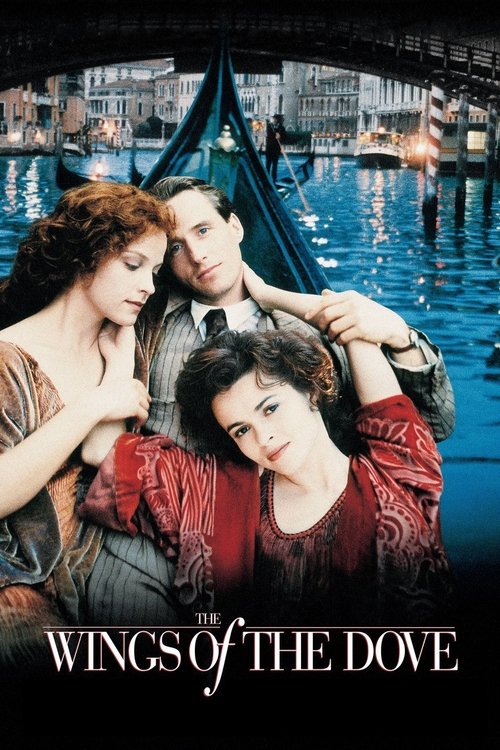
The Wings of the Dove1997
Iain Softley's adaptation captures the seduction and corruption of city life with genuine intelligence. Like Macunaíma, it asks what we become when we chase what the world values.
But It's a period piece that can feel slow and mannered. The emotional stakes take patience to locate.
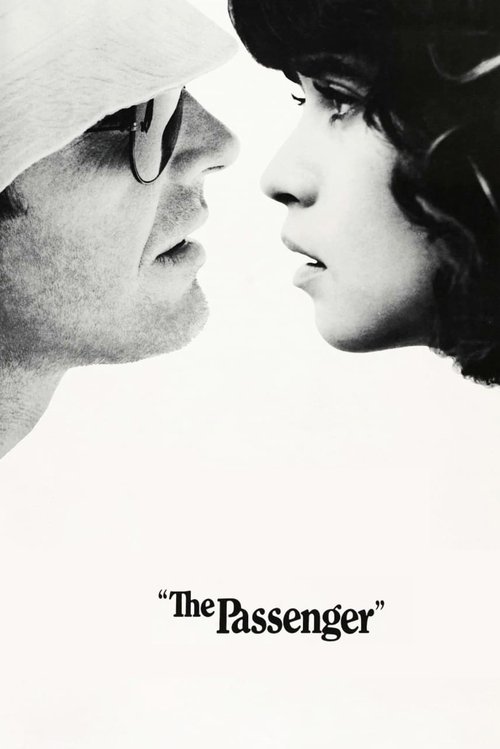
The Passenger1975
Michelangelo Antonioni's film about identity-shifting and travel shares Macunaíma's fascination with what happens when you try to become someone else. Subtle, intelligent, achingly beautiful.
But Very 1970s in its pacing and ambivalence about narrative. Some will find it emotionally distant.
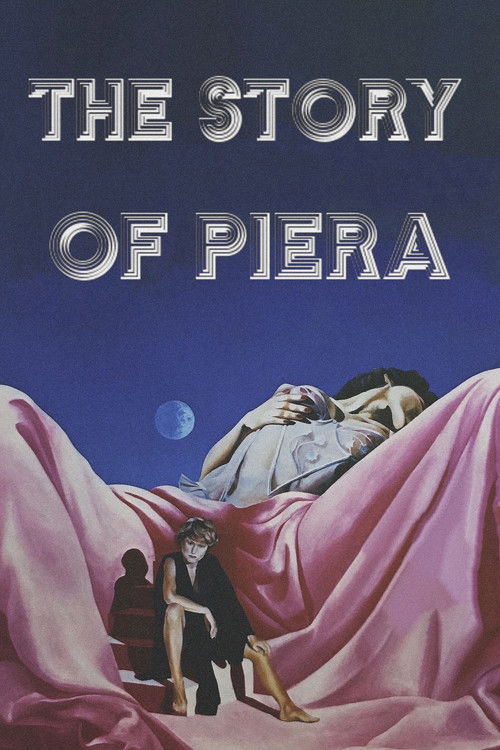
The Story of Piera1983
Both films use the body as a text—its transformation, its desires, its refusal to stay fixed—to argue about identity and family and what we're born into versus what we choose.
Marco Ferreri's film about a mother and son relationship becomes a philosophical essay on transformation, bodies, and what we inherit. It has Macunaíma's weird eroticism and its refusal of sentimental certainty. Genuinely shocking and moving.
But It's sexually explicit and the relationship is incestuous. It's not transgression for its own sake—it serves the film's argument—but it will alienate viewers looking for comfort.
People
Cast
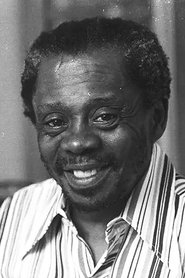 Grande OteloBlack Macunaíma / Macunaíma's son
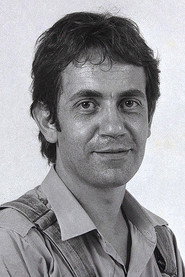 Paulo JoséWhite Macunaíma / Macunaíma's mother
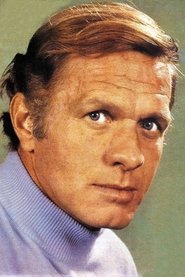 Jardel FilhoVenceslau Pietro Pietra
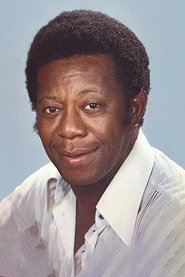 Milton GonçalvesJiguê
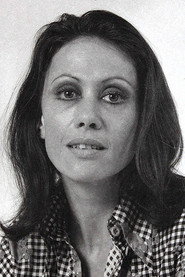
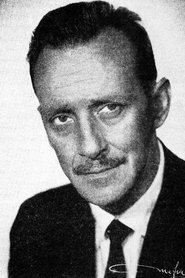 Rodolfo ArenaMaanape
 Joana FommSofara
 Maria do RosárioIriqui
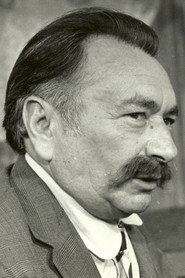 Rafael de CarvalhoCaipora
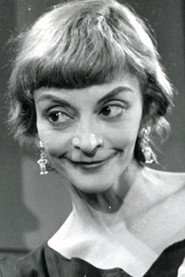 Zezé MacedoThin woman
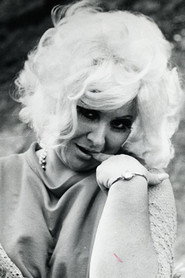 Wilza CarlaFat woman
Directing
- Carlos Alberto Prates CorreiaAssistant Director
- Joaquim Pedro de AndradeDirector
Writing
- Mário de AndradeNovel
- Joaquim Pedro de AndradeScreenplay
Production
- K.M. EcksteinExecutive Producer
- Joaquim Pedro de AndradeProducer