
Film
Tent of Miracles
Nelson Pereira dos Santos' 1977 film follows a U.S. Nobel laureate's arrival in Salvador, Bahia, which ignites the city's reckoning with a forgotten intellectual and his radical ideas about race, mixing, and human progress. It's a dense, politically engaged drama that uses historical resurrection to interrogate Brazil's complex relationship with its own Black identity and colonial legacy. For viewers seeking cinema that thinks.
If you liked this
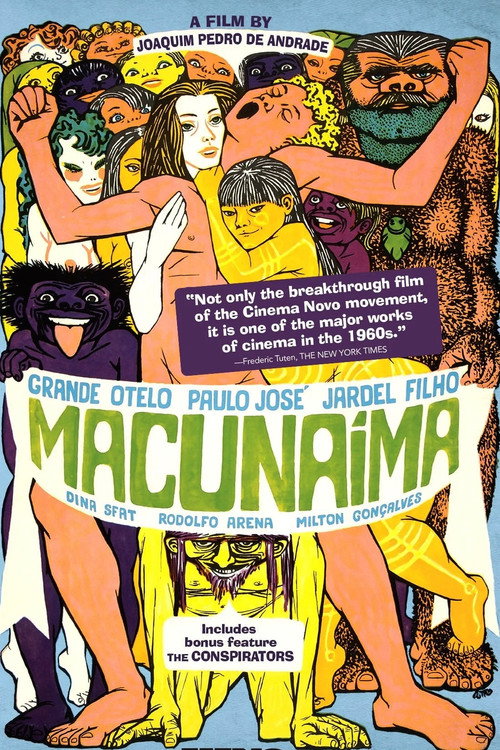
Macunaima1969
Joaquim Pedro de Andrade's hallucinogenic masterpiece also mines Brazilian mythology and national identity through surrealist storytelling. A companion piece in formal audacity and political ambition, equally unafraid to be strange.
But Its structure is deliberately fragmented and dreamlike—if you want narrative clarity, this will frustrate you. The cultural references are deeply Brazilian, which can feel opaque.
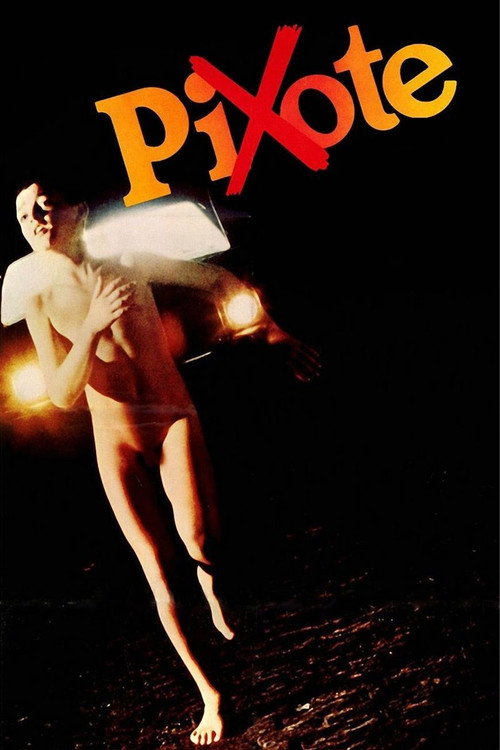
Pixote1980
Héctor Babenco's devastating look at abandoned children in São Paulo shares Tent's unflinching portrait of Brazil's forgotten margins and systemic cruelty. Raw, morally complex, formally controlled despite its brutality.
But It's extremely bleak with graphic depictions of child exploitation and violence. The pace is slow and the ending offers no comfort.
Dona Flor and Her Two Husbands1976
Bruno Barreto's magical-realist romance is also set in Bahia and explores Brazilian sexuality, tradition, and desire with warmth and complexity. A film that loves its setting as much as Tent does, though far lighter in touch.
But It's much sunnier and more sensual than Tent—if you're looking for ideological fire, this prioritizes pleasure and entertainment instead.

Not sure tonight? Get a pick in a minute, starting from Tent of Miracles
The wildcard
Something you would not have found on your own.
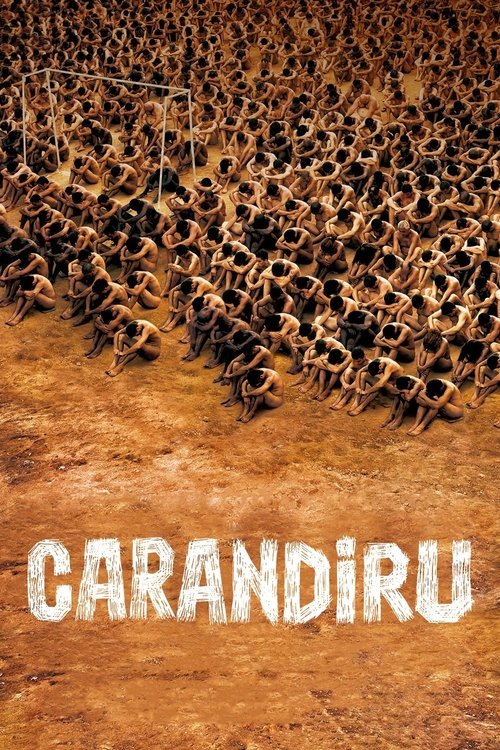
Carandiru2003
Both use singular locations and institutional settings to excavate how power erases human dignity. Both refuse victimhood narratives in favor of complexity and agency.
Hector Babenco directed this adaptation of the São Paulo prison memoirs by Drauzio Varella. Like Tent, it is a narrative vehicle for examining systemic invisibility and the lives society discards, but through real testimony rather than historical allegory.
But It's explicitly violent and harrowing in depicting prison brutality. The documentary-adjacent testimonial form may feel less 'constructed' as art than Tent's more literary approach, which some viewers prefer.
More like this (7)
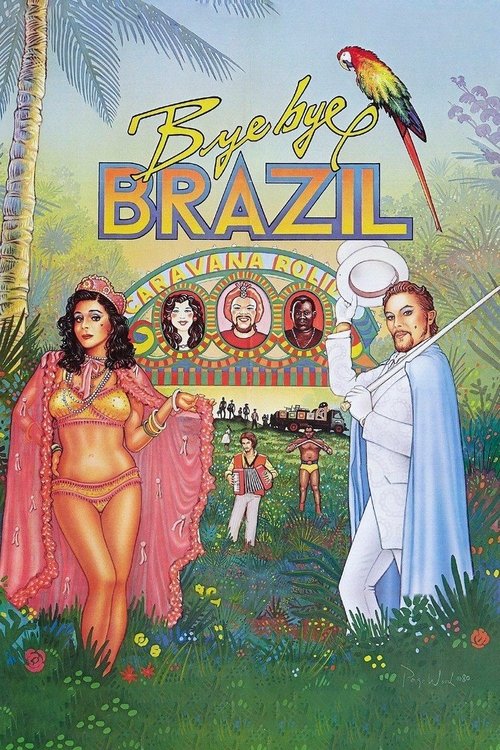
Bye Bye Brazil1980
Carlos Diegues follows a traveling circus through Brazil's interior, capturing the collision between tradition and modernity. Another post-dictatorship film grappling with what Brazil is becoming, with visual brilliance and underlying melancholy.
But Its episodic road-movie structure lacks the thematic focus of Tent. Some may find it meandering or self-consciously stylish.
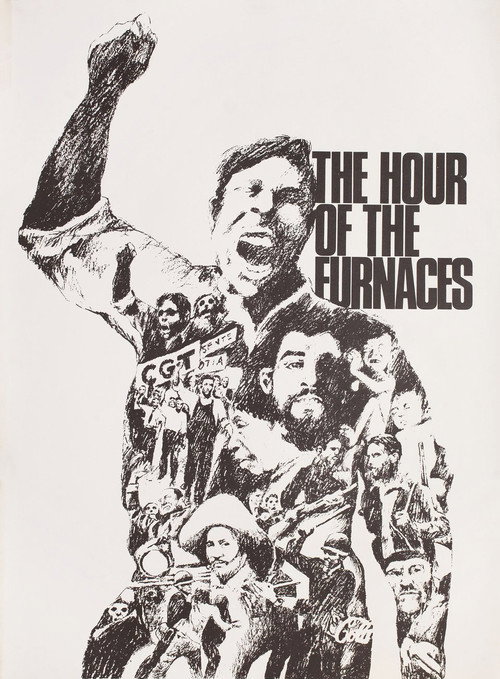
The Hour of the Furnaces1968
Pino Solanas and Octavio Getino's Argentine epic is similarly committed to using cinema as a tool for political consciousness-raising about colonialism and identity. Dense, urgent, and uncompromising in its demands on the viewer.
But It's over four hours long with minimal narrative arc. It reads more like a manifesto than a drama, which will exhaust some viewers.
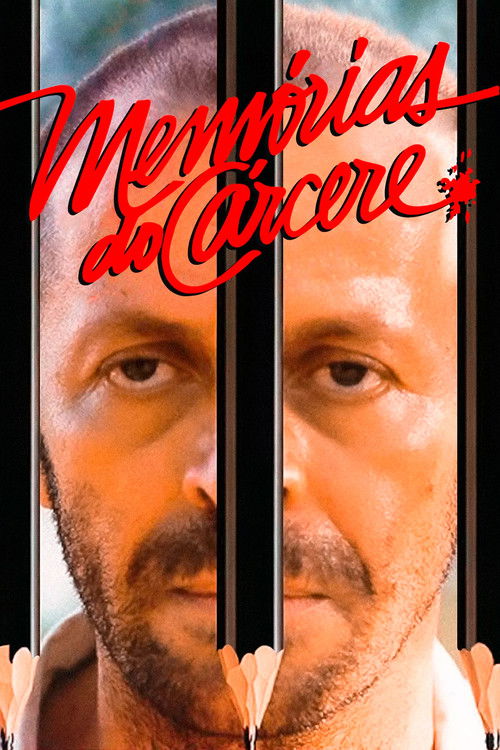
Memories of Prison1984
Nélson Pereira dos Santos himself made this film about the dictatorship's impact on intellectuals. A companion to his own formal concerns with how power silences thought and reinvention of historical memory.
But It's introspective and slow-moving. As a meditation on repression rather than action, it can feel static if you're expecting plot momentum.
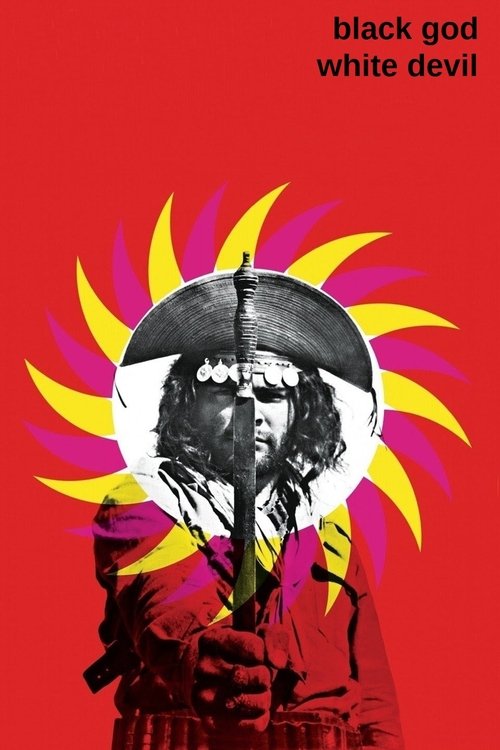
Black God, White Devil1964
Glauber Rocha's radical manifesto-film also concerns itself with Brazilian mythology, messianism, and resistance. If Tent intrigued you politically, this is essential viewing—formally more daring, thematically adjacent.
But Its aesthetic is jagged and deliberately anti-conventional. The black-and-white cinematography and fragmented narrative are challenging, not accessible.
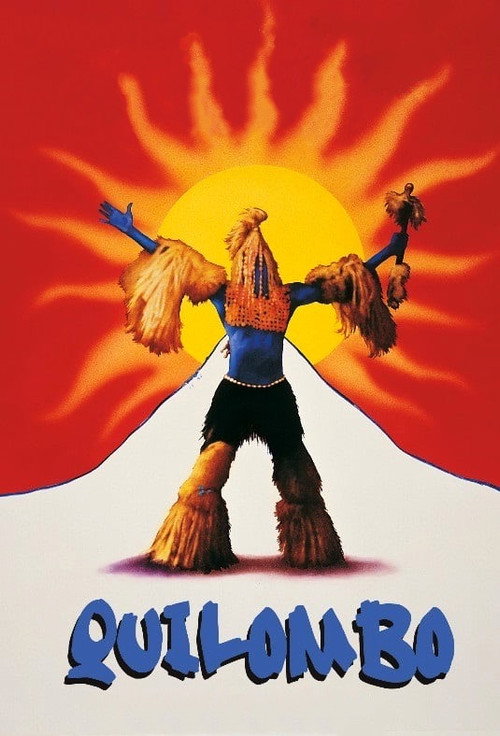
Quilombo1984
Carlos Diegues' historical epic centers the story of Zumbi and maroon resistance to slavery in colonial Brazil. Directly addresses Black Brazilian history that Tent engages with, told with spectacle and passion.
But It compresses history for drama and can feel like a conventional period film compared to Tent's intellectual interrogation. Some will find it too straightforward.
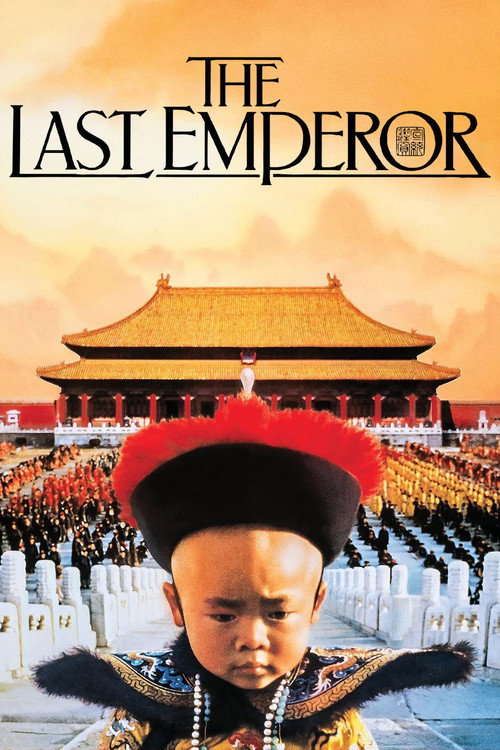
The Last Emperor1987
Bernardo Bertolucci's exploration of a man caught between worlds and historical systems has thematic kinship with Tent's treatment of legacy, identity, and the individual against vast historical forces.
But It's a visually sumptuous spectacle rather than a cerebral investigation. The grandeur and romance can feel at odds with Tent's more austere inquiry.
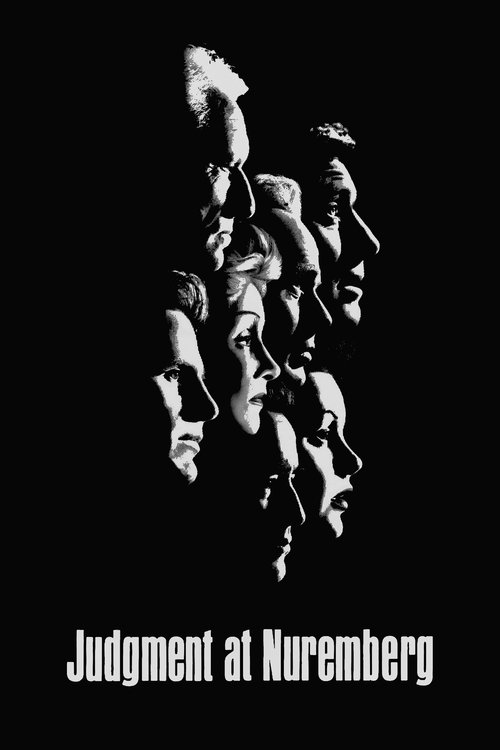
Judgment at Nuremberg1961
Both films stage a resurrection and trial of forgotten or buried history. Both ask whether naming injustice is the same as changing it, and arrive at troubled answers.
Stanley Kramer's courtroom drama concerns itself with how nations reckon with their own atrocities and how intellectuals become complicit in systemic evil. It shares Tent's deep skepticism about whether consciousness-raising can actually change institutional power.
But It's American, conventional in form, and aesthetically conservative compared to Tent. Its moral certainty may feel simpler than Tent's more ambivalent humanism.
People
Cast
 Hugo CarvanaFausto Pena
- Sônia DiasAna Mercedes
 Anecy RochaDra. Edelweiss
- Wilson MelloDr. Zezinho Pinto
- Geraldo FreireGastão Simas
- Laurence R. WilsonJames D. Linvingston
- Severino DadáDadá
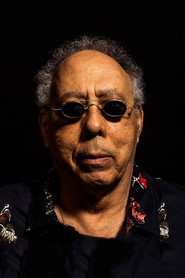 Jards MacaléPedro Archanjo (jovem)
- Juarez ParaísoPedro Archanjo (adulto)
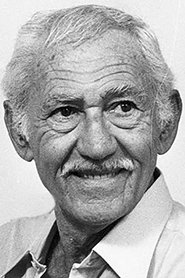 Jofre SoaresCoronel Gomes
 Jurema PennaTia Eufrásia
- Washington FernandesDelegado Pedrito Gordo
Directing
- Agnaldo Siri AzevedoAssistant Director
- Ana Maria MirandaAssistant Director
- Emmanuel CavalcantiAssistant Director
- Nelson Pereira dos SantosDirector
Writing
- Jorge AmadoNovel
- Nelson Pereira dos SantosWriter
Production
- Ney SantannaExecutive Producer