
Film
Memories of Prison
A Brazilian political prisoner's descent into the hell of 1930s Ilha Grande penitentiary, based on Graciliano Ramos's own memoir. Unflinching and glacially paced, it renders institutional dehumanization not as spectacle but as a suffocating daily reality. For viewers who prize psychological precision over catharsis.
If you liked this
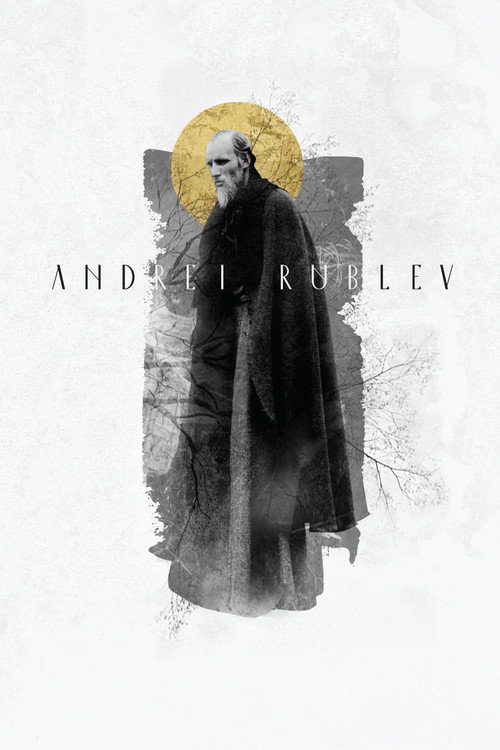
Andrei Rublev1966
Tarkovsky's portrait of an artist under totalitarian pressure, where spiritual conviction meets bureaucratic annihilation. Three hours of visual and moral poetry about what the state does to the soul.
But Glacially slow, dialogue-sparse, and emotionally remote in ways that demand total surrender. Not everyone wants to sit with that kind of patience.
Kiss of the Spider Woman1985
Two political prisoners in a South American cell: one tortured, one gay, both slowly undone by confinement and power. Tender and devastating, humanist without being sentimental about suffering.
But The melodrama of the films-within-the-film can feel tonal whiplash after long stretches of realism. Some viewers find the romantic arc distracting rather than redemptive.

Memories of Murder2003
Bong Joon-ho's masterpiece about institutional corruption and state violence in 1980s Korea. A serial killer investigation that becomes an anatomy of how power destroys conscience.
But Blends procedural tension with long, quiet scenes of moral decay. The pacing prioritizes mood over momentum, which can feel frustrating if you're expecting a thriller.

Not sure tonight? Get a pick in a minute, starting from Memories of Prison
The wildcard
Something you would not have found on your own.
Nosferatu1922
Both films treat memory and the archive as sites of political struggle, asking what remains of a person after the state has tried to eliminate them.
An Estonian experimental film that reconstructs a historical death through shadow, performance, and archival traces. Like Memories, it's about the state's archive, memory, and what gets erased. A profound meditation on how we recover lost lives.
But Almost a piece of visual art rather than narrative cinema. Black-and-white, slow, often opaque. Requires willingness to sit with ambiguity and abstraction as content.

More like this (8)
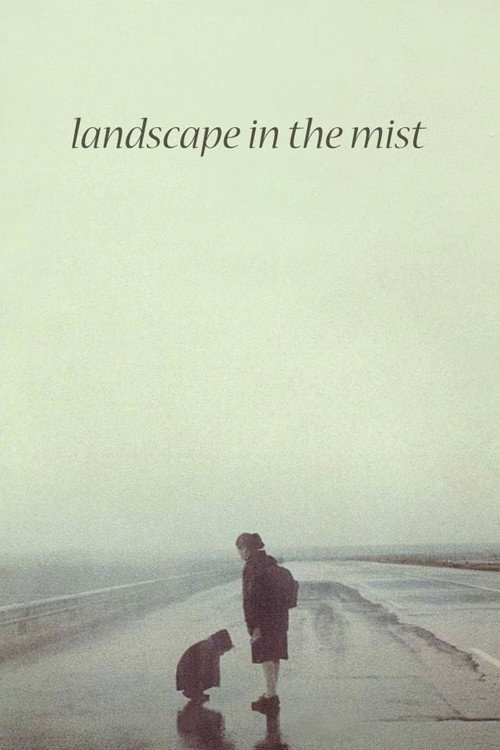
Landscape in the Mist1988
Angelopoulos's meditation on displacement and institutional indifference across Greece. Formally austere, ethically complex—about what happens to people the state forgets.
But Extremely slow, shot in long takes, with minimal plot. The philosophical heaviness can feel hermetic if you're not already attuned to its wavelength.
Come and See1985
A Soviet film about a teenage partisan's destruction during WWII. Not a war film—a trauma document. Shows how institutions and violence erase childhood and innocence.
But Genuinely punishing to watch. Graphic violence, unbearable sound design, and a refusal to offer any spiritual comfort. Some consider it unwatchable rather than profound.

The Battle of Algiers1966
A revolutionary nationalist film about colonial occupation and resistance. Shot with documentary urgency, it treats political prisoners with the same unblinking realism as guards.
But Now-dated tactics and technical choices can feel didactic. Some read it as propaganda rather than art, which affects how much patience viewers extend.

Stalker1979
Tarkovsky's allegorical journey into a mysterious zone. Like Memories of Prison, it's about desire, control, and the self under pressure in a closed system.
But Abstract, metaphysical, and hostile to narrative. If you need plot momentum or answers, you'll be frustrated for two hours.

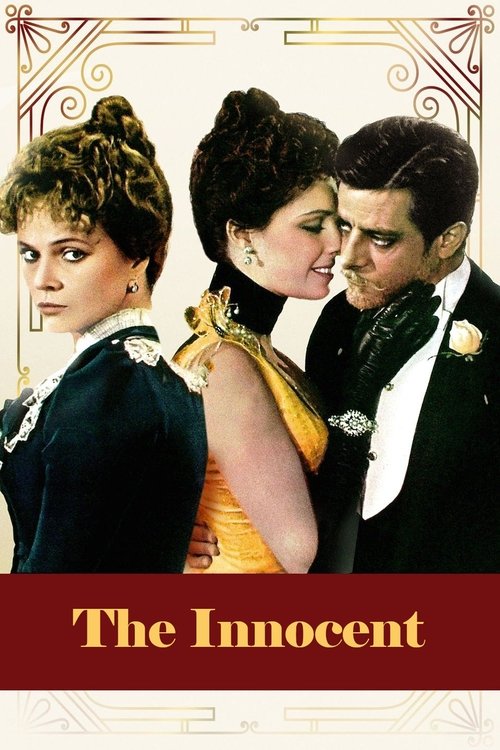
The Innocent1976
Visconti's final film about a man destroyed by pride and circumstance. Luchino Visconti's examination of how the social order grinds down the individual.
But Operatic and digressive, with narrative threads that feel secondary to mood and visual composition. Can read as indulgent rather than profound.
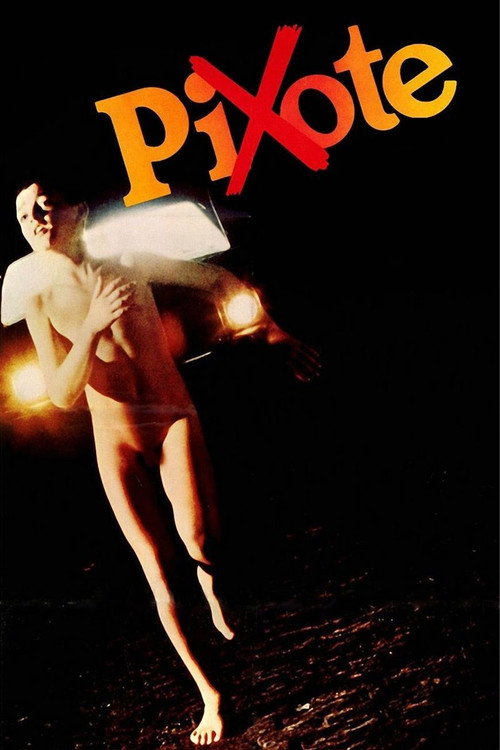
Pixote1980
Brazilian cinema's unflinching portrait of street children and institutional abandonment. Like Memories, it refuses to look away from state cruelty and its deforming effects.
But Harrowing and sometimes exploitative in its subject matter. The real documentary elements can feel voyeuristic, and the tragedy feels unrelenting without reprieve.
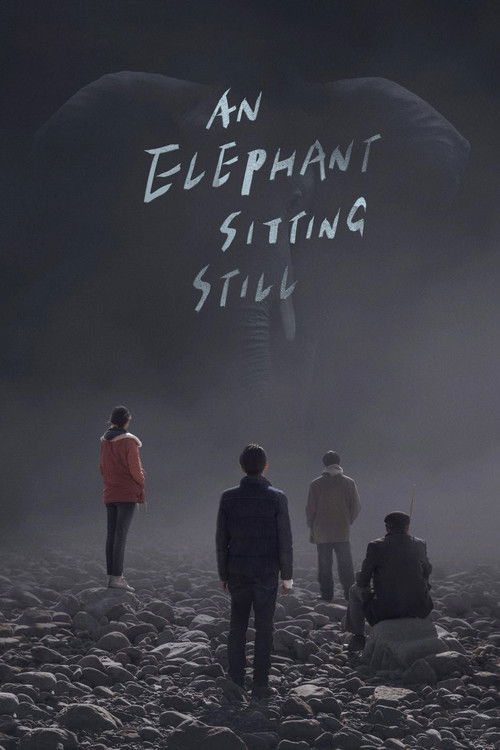
An Elephant Sitting Still2018
Both see the individual as fundamentally powerless against systems larger than themselves. Same aesthetic: austere, morally serious, resistant to sentiment.
Hu Bo's four-hour Chinese epic about four people crushed by indifference and economic collapse. Shot in long takes, it's a portrait of institutional and social pressure identical to Memories' register—slow, brutal, without resolution.
But Genuinely grueling. Four hours of escalating despair with no catharsis. The film's refusal to offer hope or meaning can feel nihilistic rather than honest.
The Ascent1977
Both are political films animated by spiritual questions: what remains of human dignity after the state has done everything to destroy it.
Larisa Shepitko's spiritual apocalypse about two Soviet partisans captured and interrogated. A black-and-white allegory about faith, torture, and the soul's persistence under state violence. Stunning and metaphysically urgent.
But Deeply religious allegory, some find it heavy-handed or inaccessible if you're not tuned to that register. The metaphysics can overshadow the material suffering, which bothers some viewers.

People
Cast
 Carlos VerezaGraciliano Ramos
 Glória PiresHeloísa
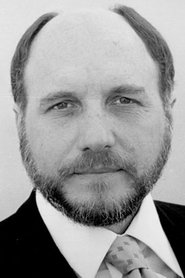 Nildo ParenteEmanuel
 José DumontMario Pinto
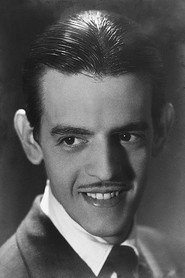 Wilson GreyGaúcho
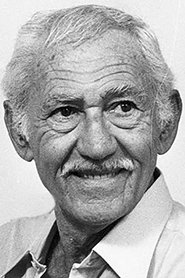 Jofre SoaresSoares
 Fábio BarretoSiqueira Campos
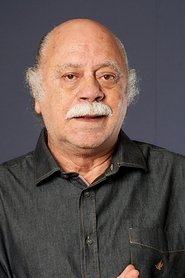 Tonico PereiraDesidério
 Nelson DantasDr. Sarmento
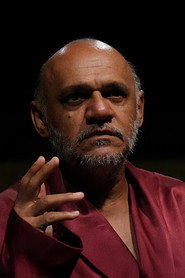 Chico AssisTenente
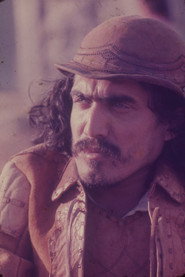 Gilson MouraCapitão Mota
- David PinheiroCapitão Lobo
Directing
- Carlos del PinoAssistant Director
- Jayme del CuetoAssistant Director
- Luelane CorrêaAssistant Director
- Ney SantannaAssistant Director
- Waldir OnofreAssistant Director
- Nelson Pereira dos SantosDirector
Writing
- Graciliano RamosNovel
- Nelson Pereira dos SantosWriter
Production
- Lucy BarretoExecutive Producer
- Maria Da SaleteExecutive Producer
- Luiz Carlos BarretoProducer
- Nelson Pereira dos SantosProducer