
Film
The Innocent
Other titles called The Innocent: the 2022 film.
Luchino Visconti's final film follows a decadent Roman aristocrat whose marriage collapses into jealousy, desire, and recrimination. Glacially paced and visually opulent, it's a portrait of wealth and vanity corroding from within. For those who find beauty in moral emptiness and can sit with characters who deserve nothing.
Should you watch it?
Watch it if you love lush, unhurried period drama where cruelty is dressed in silk and every candlelit room carries moral weight, the way Visconti builds it.
Skip it if you want brisk plotting or sympathetic heroes, since its husband is a vain, controlling man and the film lingers over his self-regard for most of its two-plus hours.
What it asks of you: It asks for patience with long, quiet scenes and a willingness to stay with a man's jealousy and vanity, at a deliberate, almost stately pace.
Not sure? Find tonight's pick in a minute.
If you liked this
The Leopard1963
Visconti's masterpiece about Sicilian nobility navigating change. Alain Delon as a young opportunist moving through a dying world, with the same visual grandeur and fatalism that defines The Innocent.
But Nearly three hours of aristocratic ennui. If you need a plot to propel you, this will feel like watching paint dry in a palazzo.

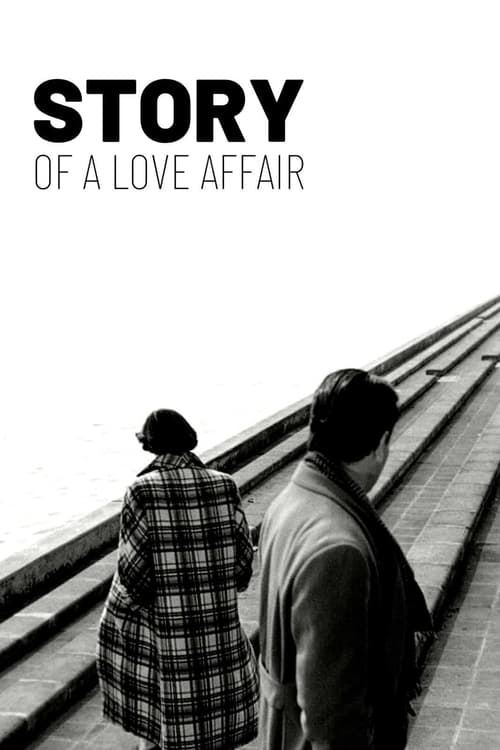
Story of a Love Affair1950
Antonioni's debut about infidelity and middle-class desire in post-war Milan. Obsessive, morally grey, and visually precise—it's the DNA of every sophisticated European chamber drama that followed.
But Black and white, slow-burn pacing, and characters you won't like. The eroticism is suggested rather than shown.
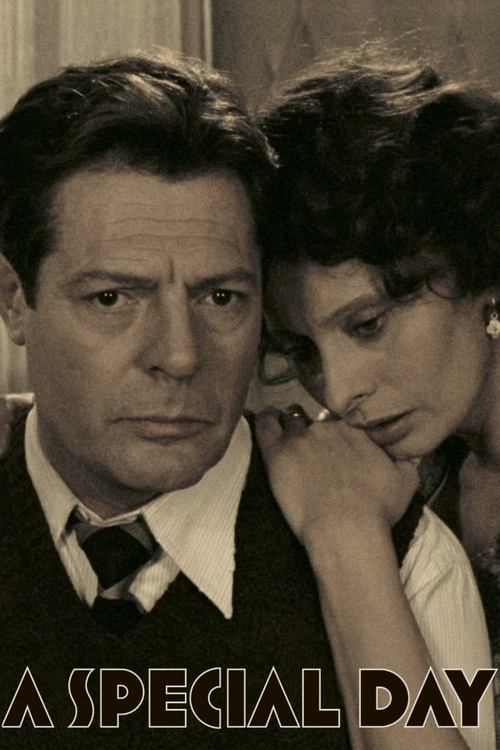
A Special Day1977
Giancarlo Giannini again, this time opposite Sophia Loren, in a single day in Fascist Rome. A hidden affair that's tender, dangerous, and achingly human—everything The Innocent isn't, which is exactly why it matters.
But Heavier themes and more explicit emotion than The Innocent allows. If you want detachment, look elsewhere.
Not sure tonight? Get a pick in a minute, starting from The Innocent
The wildcard
Something you would not have found on your own.
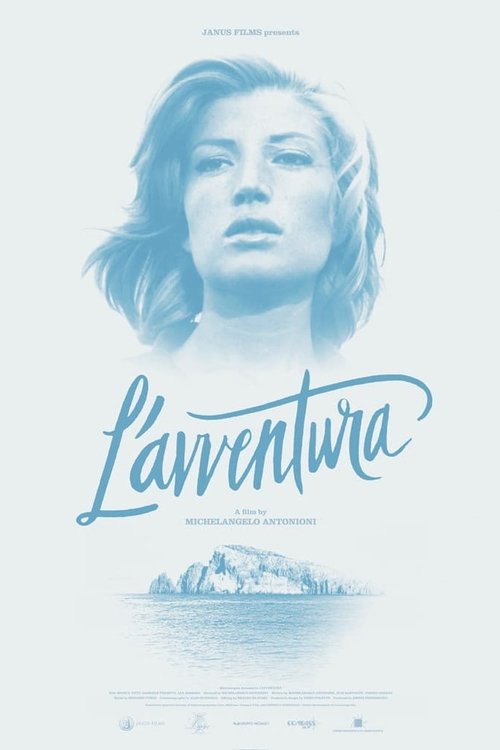
L'Avventura1960
Both films observe the moral vacancy of beautiful people with complete calm. They don't judge; they simply watch desire and selfishness operate without resistance, in spaces of extraordinary beauty.
Antonioni's three-hour meditation on a woman's disappearance and the men who don't look for her. No plot in the conventional sense—just people failing to connect, wandering through Italian landscapes. The tonal ancestor of The Innocent's glacial observation.
But Nothing happens. A woman vanishes in the first twenty minutes and the film doesn't care. If you need closure or momentum, you'll be furious.
More like this (8)
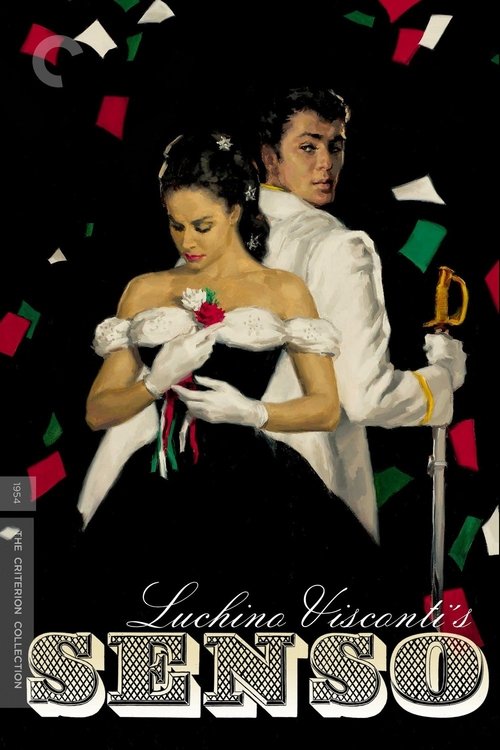
Senso1954
Visconti's Technicolor obsession with a Venetian countess and an Austrian officer during occupation. Romance as betrayal, beauty as moral quicksand, and a colour palette that makes you complicit in every lie.
But It's opera, and not in a subtle way. If restraint is what you want, this will feel hysterical.
Contempt1963
Godard's film about a marriage disintegrating on Capri, with a director, his wife, and a Hollywood producer. Gorgeous, philosophical, and merciless about how desire and ego destroy intimacy.
But Arch and self-conscious. Some find it insufferably clever; some find it's actually about something real.

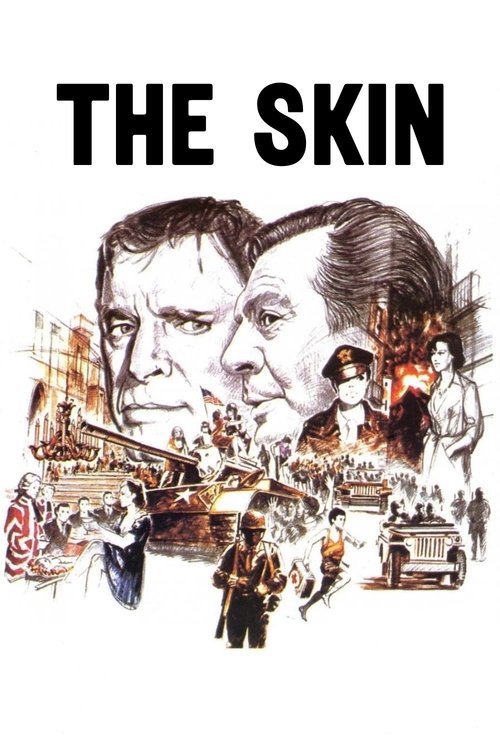
The Skin1981
Cavani's film about an American officer and Italian nobleman in Naples during Allied occupation. Erotic, amoral, visually stunning—what The Innocent might look like if it had conviction about its depravity.
But Explicitly sexual and deeply perverted. Not in a trashy way; in an artful way, which some find worse.
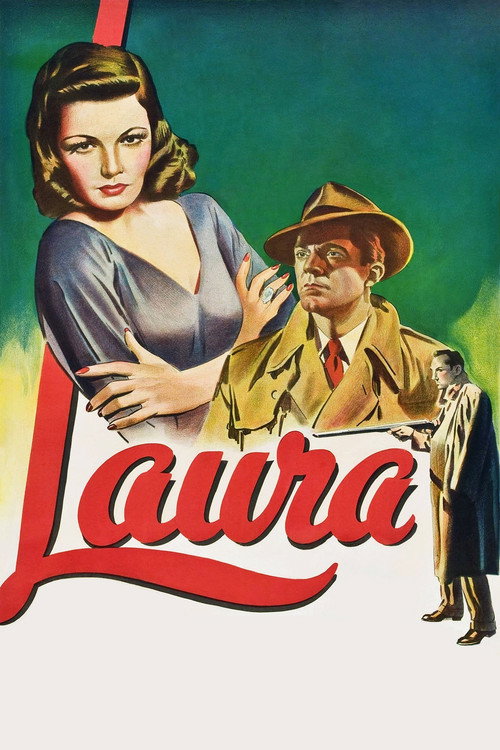
Laura1944
Preminger's noir about obsession and a portrait. A man falls in love with a woman through her image alone. It's smaller and smarter than The Innocent, but animated by the same erotic gravity.
But It's a mystery, and mysteries have resolutions. If you want ambiguity, you're looking at the wrong film.
Identification of a Woman1982
Antonioni's final film, another meditation on desire and the impossibility of knowing another person. Austere, beautiful, and ultimately devastating about the self-deceptions we need to survive.
But Sunken eyes and cigarette smoke. If you need warmth or hope, this isn't your evening.
Les Bonnes Femmes1960
Chabrol's film about four typists in Paris and the violence desire does to them. More acidic than The Innocent, less sympathetic to its victims, but equally convinced that wanting is dangerous.
But The title is patronising and so is the film's view of working women. Its misogyny is the point, which doesn't make it pleasant to sit with.
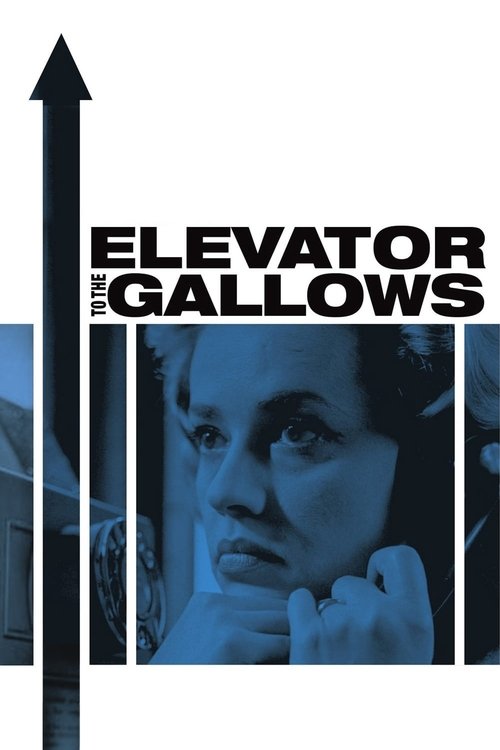
Elevator to the Gallows1958
Both films understand that infidelity in the upper classes is first and foremost about class—the thrill of transgression is inseparable from proximity to servants, to the excluded, to people who don't matter.
Malle's noir about an aristocrat's affair and the murder plot it spawns. Shot in black and white through Paris at night, scored by Miles Davis. A smaller, tenser cousin to The Innocent—desire as crime, rather than merely as waste.
But It's a thriller, which means it has a plot and it moves. If you came for Visconti's glacial pacing, this will feel like a TV episode.
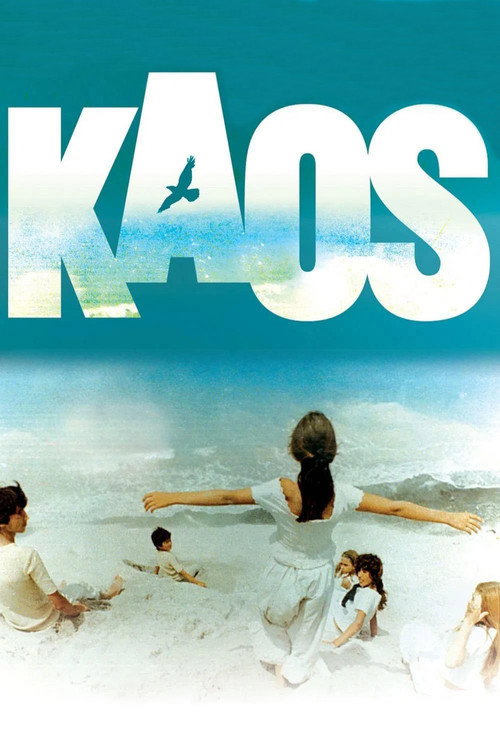
Kaos1984
Both films are built on Pirandello's insight that identity is a performance with an audience of one: ourselves. Both watch people stage elaborate dramas to avoid the truth.
The Taviani brothers' four Pirandello stories shot in Sicily. Each one about self-deception, performance, and the gap between what we believe and what's true. Visually rapturous and morally pitiless, with none of The Innocent's mournful tone.
But It's episodic and philosophical rather than dramatic. If you want characters to learn or change, you're watching the wrong film.
People
Cast
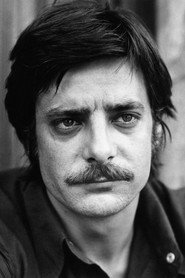 Giancarlo GianniniTullio Hermil
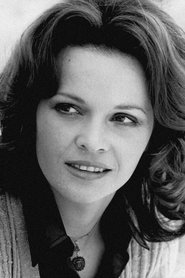 Laura AntonelliGiuliana Hermil
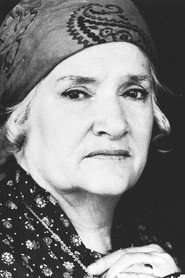
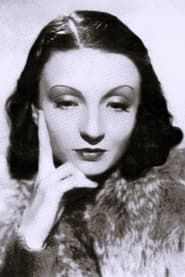 Rina MorelliTullio's Mother
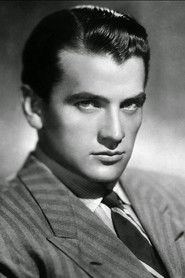 Massimo GirottiCount Stefano Egano
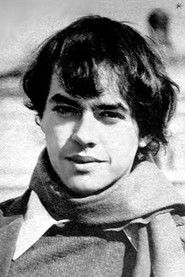 Didier HaudepinFederico Hermil
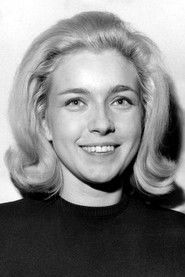 Marie DuboisThe Princess
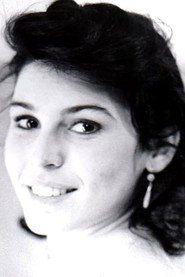 Roberta PaladiniMiss Elviretta
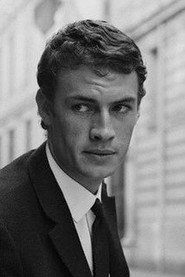 Claude MannThe Prince
- Marc PorelFilippo d'Arborio
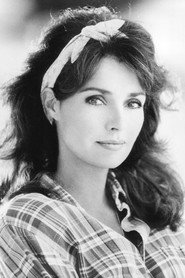 Jennifer O'NeillTeresa Raffo
Directing
- Alessio GirottiAssistant Director
- Luchino ViscontiDirector
- Albino CoccoFirst Assistant Director
- Renata FranceschiScript Supervisor
- Alain Sens-CazenaveSecond Assistant Director
- Giorgio TrevesSecond Assistant Director
Writing
- Gabriele D'AnnunzioNovel
- Enrico MedioliScreenplay
- Luchino ViscontiScreenplay
- Suso Cecchi d'AmicoScreenplay
Production
- Fiore ProfetaAdministration
- Francesco Martino De CarlesAdministration
- Silvana OlasioAdministration
- Andrea RizzoliProducer
- Angelo Rizzoli Jr.Producer
- Giovanni BertolucciProducer
- Jacques LeitienneProducer
- René-Marie BobichonProducer
- Lucio TrentiniProduction Manager
- Federico StaraceProduction Secretary
- Enrico LucheriniPublicist
- Margherita AutuoriPublicist
- Maria RuhlePublicist
- Matteo SpinolaPublicist
- Federico TocciUnit Manager