
Film
Story of a Love Affair
Michelangelo Antonioni's debut feature is a sleek, austere affair about desire and deception in postwar Milan. A bored wife and her former lover reconnect when her jealous husband hires a detective to tail her. It's glacially paced, morally ambiguous, and more interested in lingering glances than plot—perfect for anyone who wants their romance served cold.
Should you watch it?
Watch it if you are drawn to slow-burning, rain-soaked melodrama where desire is worn down by memory and doubt, and where the camera lingers on faces more than on plot machinery.
Skip it if you want a brisk romance with clear momentum; this one is talky and deliberate, and its emotional payoff depends on patience with long, quiet stretches of hesitation.
What it asks of you: Roughly an hour and a half of unhurried, moody storytelling, with dialogue-heavy scenes and a steady, melancholy tone that rewards close attention rather than distraction.
Not sure? Find tonight's pick in a minute.
If you liked this
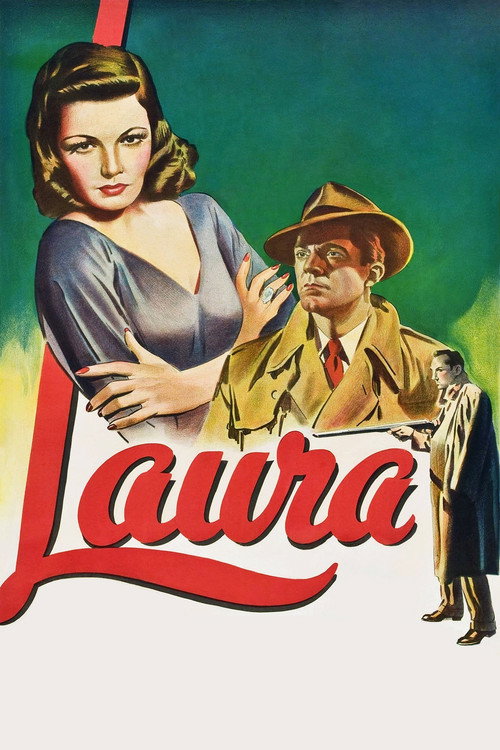
Laura1944
Otto Preminger's detective noir hinges on obsession with an absent woman. Like Antonioni, he makes you feel the weight of desire and suspicion, and finds corruption in the most intimate corners of privilege.
But It's a conventional mystery in structure, and lacks the philosophical distance that makes Story of a Love Affair so unsettling.
In the Mood for Love2000
Wong Kar-wai's masterpiece about two neighbors who suspect their spouses are having an affair. Gorgeously composed, achingly slow, and obsessed with what remains unspoken between people—a direct spiritual descendant of Antonioni.
But The plot is minimal and the film prioritizes atmosphere over momentum. If you need things to *happen*, this will feel like watching paint dry in satin.

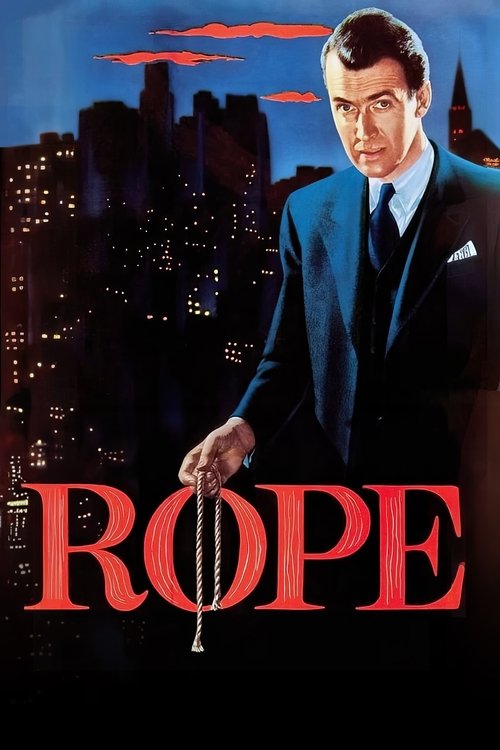
Rope1948
Hitchcock's psychological chamber piece traps you in real time with two murderers and their mounting paranoia. Claustrophobic, morally queasy, and interested in the psychology of guilt rather than the mechanics of crime.
But It's theatrical and occasionally stagebound. The gimmick—one continuous take—is sometimes more clever than the story beneath it.
Not sure tonight? Get a pick in a minute, starting from Story of a Love Affair
The wildcard
Something you would not have found on your own.
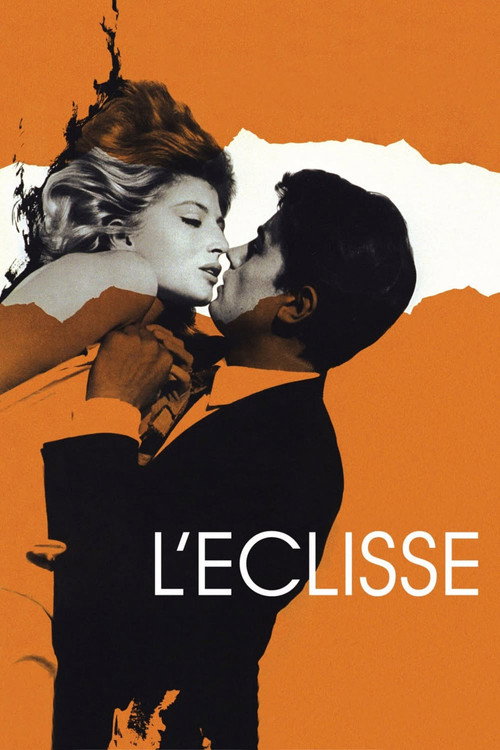
L'Eclisse1962
The natural evolution of his first film—same director, same intellectual ambitions, but with the technical and emotional confidence of a master fully formed.
Antonioni's masterwork about a woman moving between two men and two worlds. Even more austere and meditative than his debut, it's a film about disconnection that disconnects you from narrative itself. Hypnotic and devastating.
But It's ninety-five minutes of almost nothing happening. The ending will either feel profound or infuriating depending on your patience for ambiguity.
More like this (8)
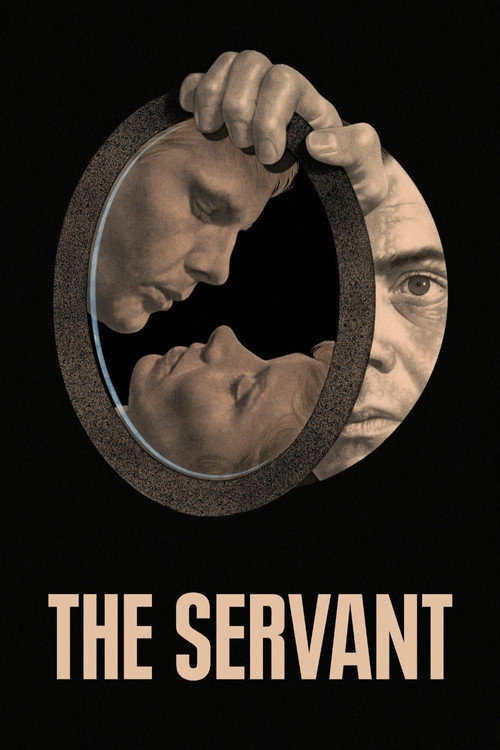
The Servant1963
Joseph Losey charts the slow, sickening power shift between a wealthy employer and his servant in a London townhouse. Poisonous, sexually charged, and painfully funny about class and desire.
But It's deliberately ugly and degrading. The cruelty is the point, which means it's not comfort viewing.
Bitter Lake2015
Damiano Damiani's Italian noir captures postwar moral rot through the eyes of a cynical private detective. Shabby, unromantic, and preoccupied with how desire and money corrupt even the people investigating corruption.
But It's obscure and rarely subtitled well. The pacing is deliberate to the point of opacity, and you'll have to meet it halfway.
The Third Man1949
Carol Reed's Vienna-set noir about a writer searching for his missing friend in the black market underworld. Morally complex, visually stunning, and as interested in mood and geography as in plot mechanics.
But The famous zither score is pretty grating, and the American protagonist is significantly less interesting than everyone around him.

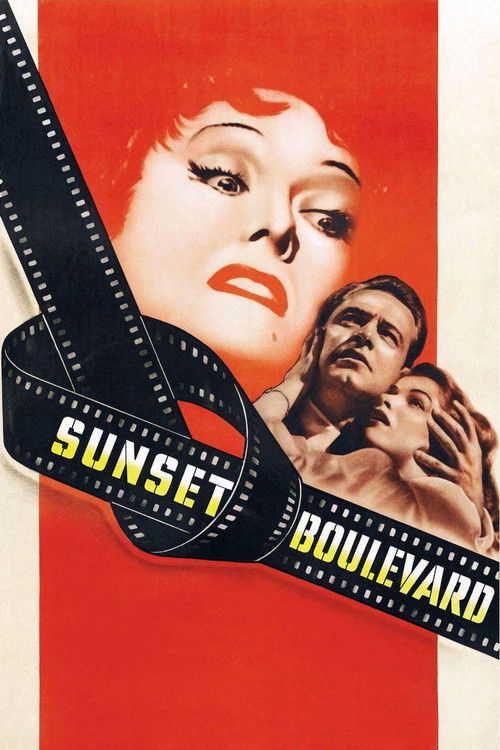
Sunset Boulevard1950
Billy Wilder's Hollywood noir about a desperate screenwriter entangled with a delusional silent film star. Cynical, darkly funny, and unsparingly honest about ambition, beauty, and the people who exploit both.
But It wears its misanthropy heavily. If you want to feel good about human nature, this is the opposite of the film to watch.
The Asphalt Jungle1950
John Huston's heist film is more interested in the criminal underworld as ecosystem than in the heist itself. Ensemble-cast naturalism, precise direction, and a fascination with how people justify their worst choices.
But The heist doesn't arrive until late, and the film's interest in procedure over drama will feel slack if you want traditional narrative momentum.

Johnny Guitar1954
Nicholas Ray's bizarre Western inverts every genre expectation. A woman runs a saloon, two strong-willed rivals circle each other, and the emotional logic matters more than the plot. Weird, bold, and utterly sincere.
But It's genuinely strange—the gender dynamics, the dialogue, the pacing. It doesn't feel like other Westerns, which is the point, but not everyone will want that.

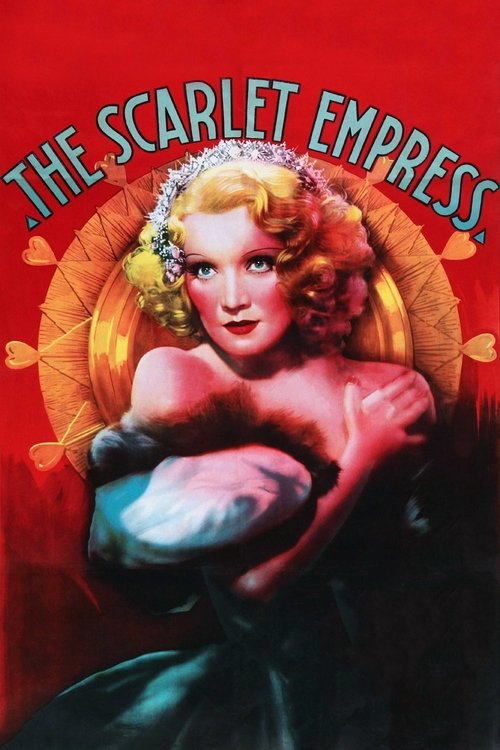
The Scarlet Empress1934
Both films see love as a weapon and a trap. Sternberg's use of seduction and manipulation as central plot engines mirrors Antonioni's dissection of desire as a force that corrupts rather than redeems.
Josef von Sternberg's baroque historical melodrama is surface-all-the-way—costumes, shadows, perverse eroticism, and Marlene Dietrich in a state of constant provocation. A film about desire as pure artifice and power play, centuries apart from Antonioni's aesthetic but twins in obsession.
But It's aggressively artificial and sensual where Story of a Love Affair is cold and austere. The plot is barely coherent, and the eroticism will feel camp to modern eyes.
Mulholland Drive2001
Both films treat a love affair as a structure that collapses under scrutiny. Where Antonioni's coldness keeps everything at arm's length, Lynch floods the frame with desire and loss—different temperatures, same void at the center.
Lynch's Los Angeles fever dream follows two women through a narrative that dissolves into something else entirely. It's about failed connection, the corruption of desire, and the impossibility of knowing who anyone really is. Gorgeous, devastating, and utterly its own thing.
But It's fractured, long, and demands active interpretation. The emotional gut-punch comes at the cost of making you work for coherence.

People
Cast
 Massimo GirottiGuido
 Lucia BosèPaola Molon Fontana
- Gino RossiCarloni
- Marika RowskyJoy, the model
- Ferdinando SarmiEnrico Fontana
 Rubi D'AlmaPaola's friend

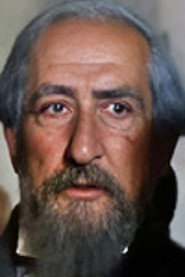
- Rosi MirafioreBarmaid
Directing
- Michelangelo AntonioniDirector
- Francesco MaselliFirst Assistant Director
- Raffaello VianelloScript Supervisor
Writing
- Daniele D'AnzaScreenplay
- Francesco MaselliScreenplay
- Michelangelo AntonioniScreenplay
- Piero TelliniScreenplay
- Silvio GiovaninettiScreenplay
- Michelangelo AntonioniStory
Production
- Stefano CarettaAssociate Producer
- Gino RossiLine Producer
- Franco VillaniProducer
- Armando FranciProduction Manager
- Luigi MontanariProduction Secretary
- Vittorio ManfrinoProduction Secretary
- Paolo LeoniUnit Manager