
Film
L'Eclisse
L'Eclisse is the closing chapter of Antonioni's alienation trilogy, a portrait of a woman who can't seem to fully arrive anywhere — not in love, not in the glass-and-concrete Rome rising around her. Cool, spare, gorgeous to look at, more interested in architecture and silence than plot. For patient viewers who like mood over incident, and anyone who suspects a building can carry as much feeling as a face.
If you liked this
L'Avventura1960
The first film in Antonioni's trilogy, and the one that invented the vocabulary L'Eclisse perfects — a woman vanishes on a yachting trip and nobody, including the film, seems all that interested in solving it.
But Even slower than L'Eclisse, and its refusal to resolve anything famously caused riots at Cannes.

La Notte1961no page yet
The trilogy's middle chapter, with Jeanne Moreau and Marcello Mastroianni drifting through one long night of a marriage quietly dying, in the same glacial, elegant Rome.
But Structurally very close to L'Eclisse — if that mood didn't grab you once, it likely won't again.
Red Desert1964no page yet
Antonioni's first colour film, with Monica Vitti again, turning industrial Italy into a landscape of pure anxiety — smog and machinery standing in for a mind coming apart.
But Even more abstract and interior than L'Eclisse; some find it hypnotic, others find it inert.
The wildcard
Something you would not have found on your own.
L'Atalante1934no page yet
Decades before Antonioni, Vigo used the same trick — testing a marriage against indifferent landscapes and letting images say what the dialogue won't.
A barge honeymoon curdles into loneliness and drift, filmed with a lyrical, dreamlike eye that treats fog and water the way Antonioni treats concrete — as extensions of feeling rather than backdrop.
But Early-sound pacing and a warmer, stranger sensibility; it's tender where L'Eclisse is cold.
More like this (8)
La Dolce Vita1960no page yet
Fellini's take on the same Roman malaise — glamour, emptiness, a city sleepwalking through its own good fortune — but looser, funnier, and far more crowded than Antonioni's austere frames.
But Three sprawling hours of episodic wandering with a very different rhythm; expect spectacle, not stillness.
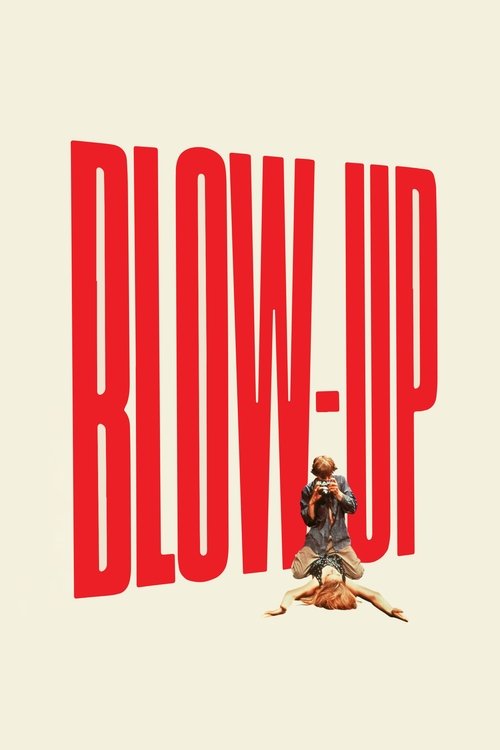
Blow-Up1966
Antonioni's most famous film, moving his interest in perception and doubt to swinging London, where a photographer may or may not have captured a murder on film.
But The mystery goes nowhere on purpose, which some viewers find thrilling and others find maddening.
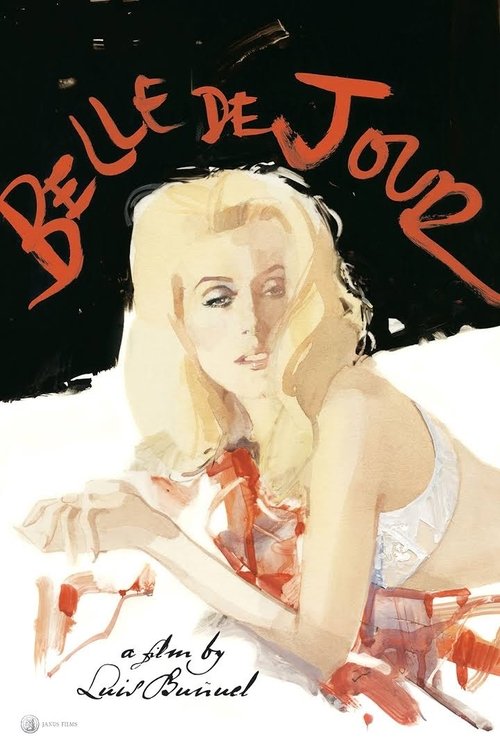
Belle de Jour1967
Buñuel's cool, controlled portrait of a bored bourgeois wife retreating into a secret life — the same fascination with beautiful women who can't name what they want, rendered as dream logic instead of architecture.
But More surreal and sexually frank than anything in Antonioni; a different animal tonally.
The Passenger1975no page yet
Antonioni again, with Jack Nicholson, pushing the trilogy's ideas about identity and disappearance toward something closer to a thriller, ending on one of cinema's great slow-motion vanishing acts.
But Even the plot is mostly texture; if you wanted momentum, this isn't where you'll find it either.
Il Sorpasso1962no page yet
Same year, same Italian economic-boom unease, but told as a wild road-trip comedy that curdles into something sadder than it lets on — a good chaser if L'Eclisse's stillness left you wanting motion.
But Broad and boisterous where Antonioni is hushed; the whiplash is the point, but it is whiplash.
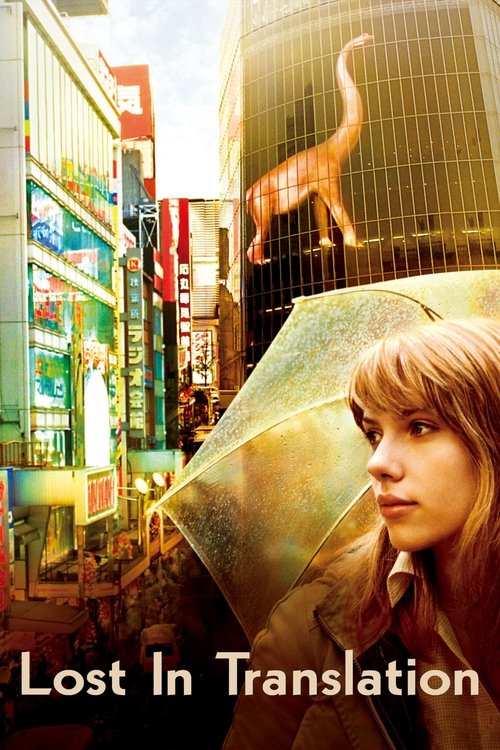
Lost in Translation2003
A gentler, more modern cousin — two people drifting past real connection in a city that dwarfs them, trusting silence and glances over dialogue the way L'Eclisse does.
But Warmer and more forgiving than Antonioni ever allows himself; don't expect the same chill.
Chronicle of a Summer1961no page yet
Made the very same year as L'Eclisse, this documentary catches the identical postwar unease with modern life, just with real faces standing in for Vitti's.
A landmark of cinéma vérité that asks real Parisians 'are you happy?' and gets the same wary, evasive non-answers Antonioni's characters give — proof the disconnection wasn't only his invention.
But Rough, argumentative, occasionally academic in a way fiction usually smooths over; it's a document, not a mood piece.
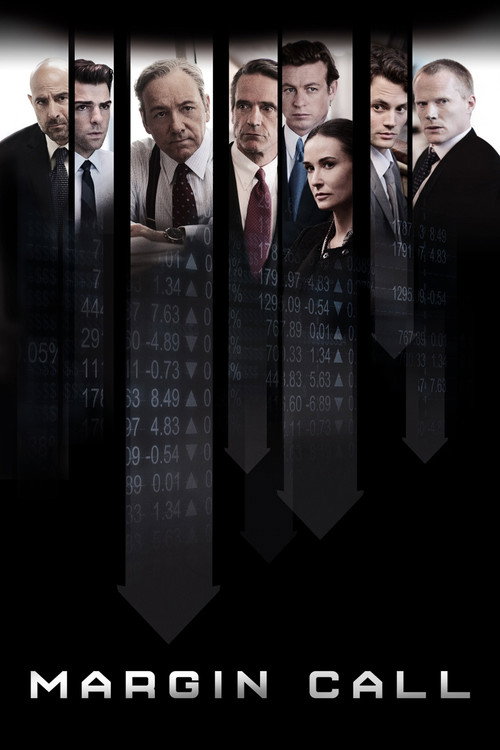
Margin Call2011
Swap Rome's frantic 1962 trading floor for a 2008 bank the night before collapse — the same electric, amoral energy Antonioni captured in L'Eclisse's exchange scenes, now given a plot and a clock.
A tense, talky thriller about people making terrible decisions very calmly, carrying the same sense that money has quietly replaced feeling as the thing everyone is actually chasing.
But A conventional genre film with a script and stars where Antonioni offers only atmosphere; the link is thematic, not stylistic.
People
Cast
 Alain DelonPiero
 Monica VittiVittoria
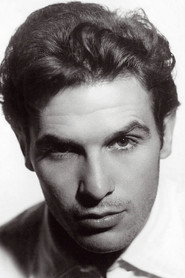 Francisco RabalRiccardo
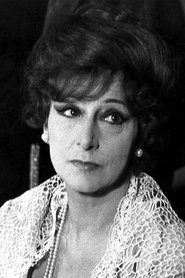 Lilla BrignoneVittoria's Mother
 Rossana RoryAnita
 Mirella RicciardiMarta
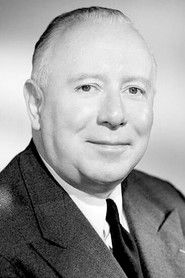 Louis SeignerErcoli
 Cyrus EliasIntoxicated Man (uncredited)
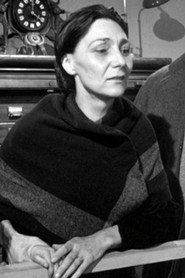 Alba MaioliniWoman at the Stock Market (uncredited)
 Maria TedeschiWoman with Glasses at the Stock Market (uncredited)
Directing
- Michelangelo AntonioniDirector
- Franco IndovinaFirst Assistant Director
- Elvira D'AmicoScript Supervisor
- Gianni ArduiniSecond Assistant Director
Writing
- Elio BartoliniCo-Writer
- Ottiero OttieriCo-Writer
- Michelangelo AntonioniScreenplay
- Tonino GuerraScreenplay
- Michelangelo AntonioniStory
- Tonino GuerraStory
Production
- Raymond HakimProducer
- Robert HakimProducer
- Danilo MarcianiProduction Manager
- Dino Di SalvoProduction Secretary
- Giorgio BaldiUnit Manager