
Film
Red Desert
- Social drama
- Very dark
- Slow-burning
Antonioni's masterpiece of urban alienation and emotional paralysis. Monica Vitti wanders through an industrializing Italian landscape, fractured by an accident she can't quite recover from, while the world around her hardens into steel and concrete. Hypnotic, unsettling, visually extraordinary. For viewers who want cinema as mood and texture rather than plot.
Should you watch it?
Watch it if you love films where mood and color carry the story, and you don't mind a drama that drifts like fog over a polluted harbor instead of marching toward a plot.
Skip it if you need characters to explain themselves or a story that moves briskly; this one is withholding, repetitive by design, and can feel like it is waiting for something to happen.
What it asks of you: It runs just under two hours at a deliberate pace, asking you to sit with long silences, washed-out industrial landscapes and a heroine's unsettled inner weather.
Not sure? Find tonight's pick in a minute.
If you liked this
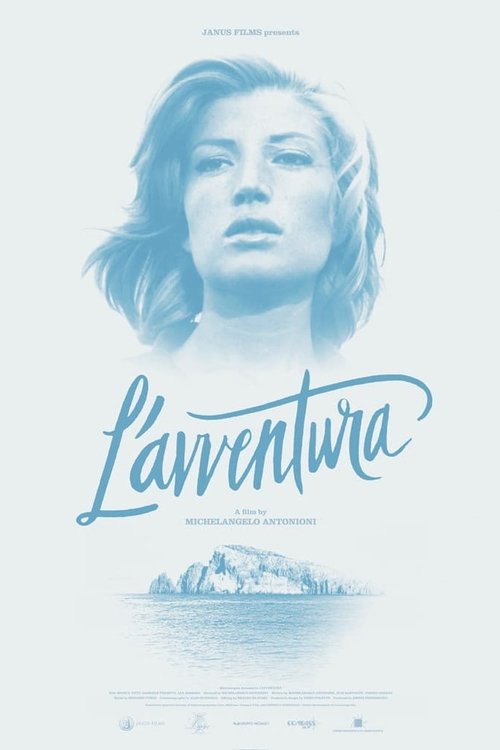
L'Avventura1960
The film that established Antonioni's style: a woman vanishes, and what matters isn't finding her but what the search reveals about desire, faithlessness, and modern listlessness. Essential precursor to Red Desert's deeper alienation.
But Glacially paced and deliberately anticlimactic. The mystery is abandoned without resolution. If you need narrative propulsion, this will feel like nothing happens.
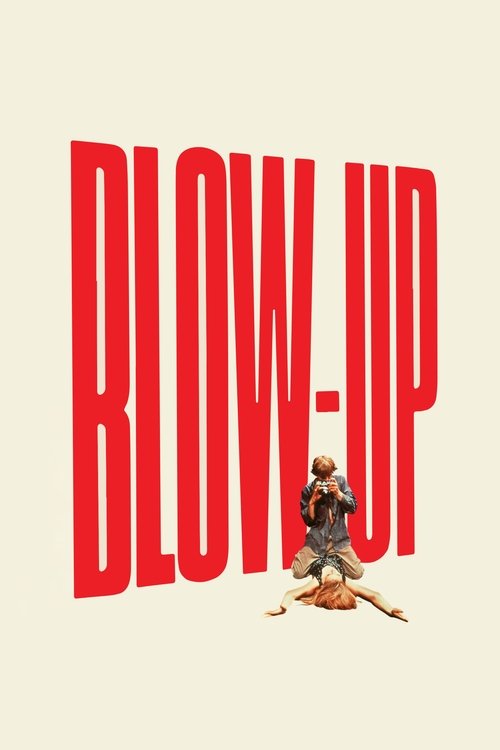
Blow-Up1966
Antonioni's English-language follow-up: a photographer in swinging London obsessively enlarges a photograph that may contain a murder. Equally disorienting, but with more kinetic energy and a famous scene you've definitely seen referenced.
But The psychedelic 1960s style can feel dated in a way that Red Desert's industrial palette doesn't. Some find the detachment cold rather than clarifying.
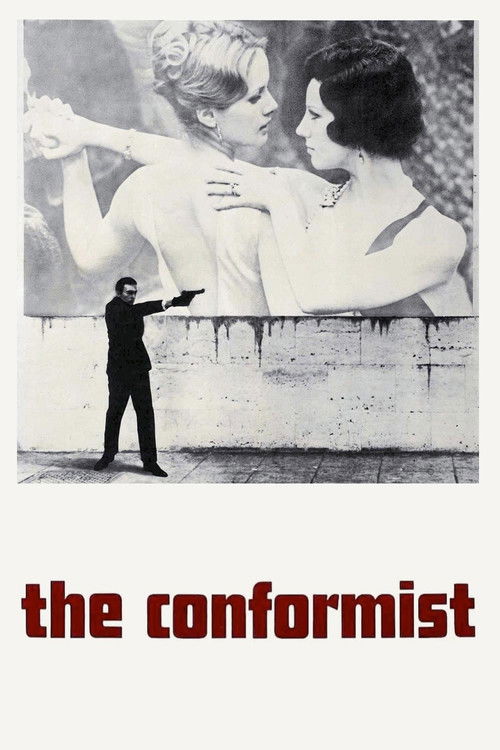
The Conformist1971
Bertolucci's masterpiece of psychological corruption during fascism. Like Red Desert, it uses architectural space and color to map inner damage. Visually sumptuous and morally urgent, with a narrative spine that might feel more graspable.
But Nearly three hours. Dense and demanding about Italian history and Freudian psychology. You need to stay with it; it doesn't come to you.
Not sure tonight? Get a pick in a minute, starting from Red Desert
The wildcard
Something you would not have found on your own.
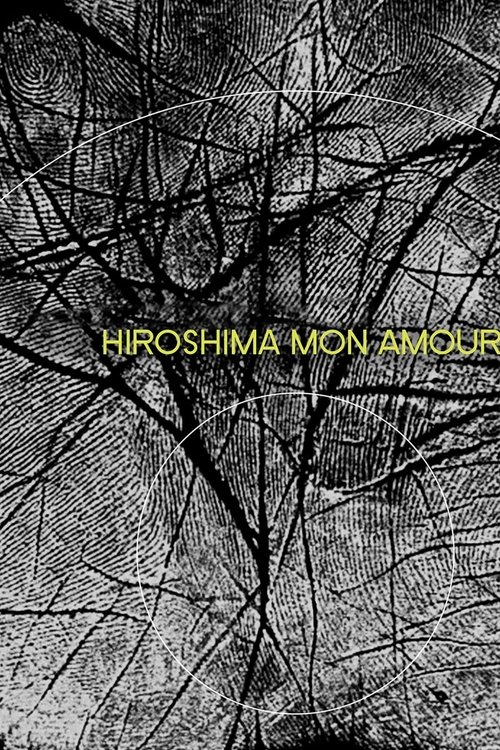
Hiroshima Mon Amour1959
Both use experimental form to externalize internal fracture. Both understand that landscape and architecture are characters. Both were made at the moment modernism became the language for depicting psychological crisis.
Alain Resnais's radical film-poem about two lovers in post-war Japan, interweaving her trauma from WWII with their brief affair. Like Red Desert, it uses fragmented form and visual repetition to map psychological damage. Intimate where Red Desert is alienated, but equally interested in how the past haunts the present through the body and landscape.
But The narrative is deliberately nonlinear and the dialogue poetic rather than naturalistic. Some find the formal playfulness precious. It's also more overtly about trauma and grief—bleaker in register, requiring emotional openness.
More like this (8)
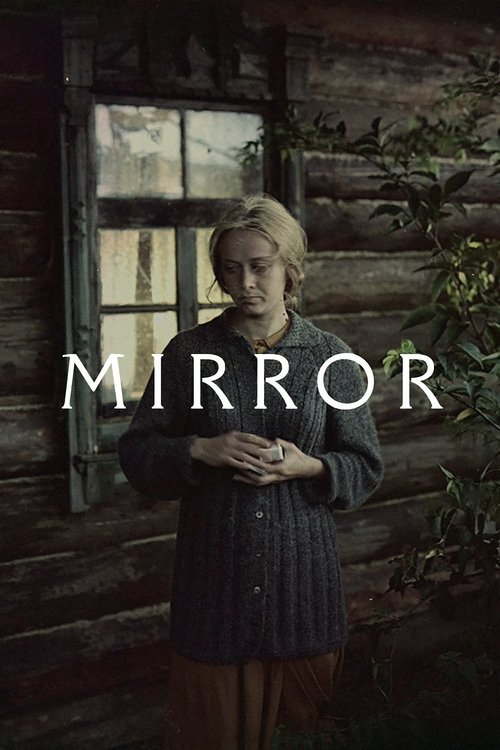
Mirror1975
Tarkovsky's fragmented meditation on memory, cinema, and identity. Like Red Desert, it builds meaning through image and atmosphere rather than plot. Hypnotic if you surrender to it; a portal if you find the frequency.
But Deliberately obscure and structurally chaotic. There is no plot, minimal dialogue, and long static shots. Some call it profound; others call it indulgent.
Stalker1979
Another Tarkovsky film, but more accessible: three men journey through a mysterious zone toward a room that grants wishes. Philosophically complex yet utterly absorbing. Shares Red Desert's sense of landscape as spiritual territory.
But The pacing is meditative to the point of testing. Nearly three hours. If you're watching for plot or action, you'll be frustrated before the end.

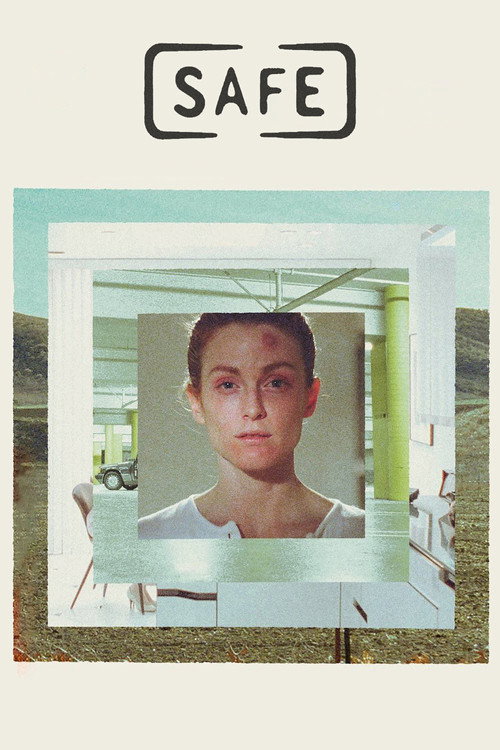
Safe1995
Todd Haynes's contemporary echo of Red Desert: a woman grows mysteriously ill in late-capitalist America, withdrawing from a world she can no longer inhabit. Equally chilly, equally precise about how environments poison us—spiritually and physically.
But Deliberately ambiguous about whether the illness is real or psychosomatic. Some find that maddening rather than provocative. The tone is bleak throughout.
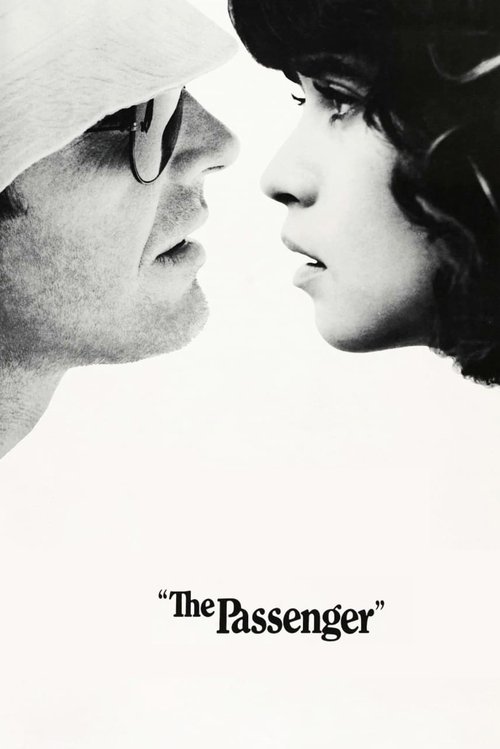
The Passenger1975
Antonioni's final masterpiece: a journalist assumes a dead man's identity and gets pulled into a world of political intrigue and existential drift. More plot-driven than Red Desert but equally obsessed with surfaces, identity, and the impossibility of escape.
But Jack Nicholson can feel miscast and anachronistic. The ending is abstract in a way that might frustrate rather than enlighten. Slow, like all Antonioni.
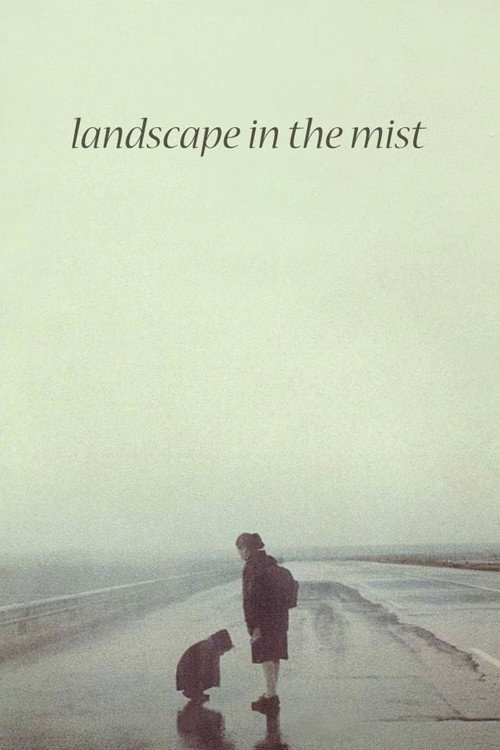
Landscape in the Mist1988
Theo Angelopoulos's poetic odyssey: two children walk across Greece toward Germany, moving through social realism, myth, and political history. Like Red Desert, it finds beauty and meaning in industrial and urban bleakness.
But Deliberately elusive and non-narrative. Long, painterly takes. Requires patience and openness; rewards it lavishly if you have both.
Contempt1963
Godard's film about a marriage collapsing during a film production. Vibrant color, intellectual play, and emotional precision. Shares Red Desert's fascination with how modern life erodes intimate connection.
But More playful and reflexive than Red Desert. If you want emotional immersion rather than formal games, the tone-shifting might keep you at a distance.

Memories of Murder2003
Both films use genre or realist surfaces to explore how modern systems (industrial capitalism, state machinery) hollow out individual agency and certainty. Both understand that looking closely at something doesn't guarantee understanding it.
Bong Joon-ho's serial-killer procedural set in 1980s South Korea. Uses industrial landscape, color, and spatial composition with Antonionian precision. A genre film that's also a philosophical inquiry into knowledge, certainty, and moral paralysis. Gripping plot wrapped in existential dread.
But It's a crime thriller, so expecting catharsis or resolution—you'll be partly disappointed. Dark and long. The tonal shifts between procedural and philosophy might feel uneven on first viewing.

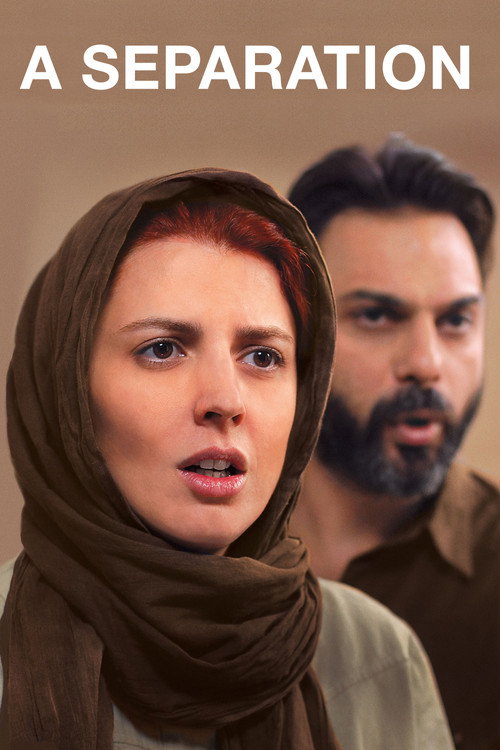
A Separation2011
Both films trust viewers to sit with contradiction. Both understand that paralysis—the inability to act or choose—is the real subject. Both use intimate mise-en-scène to ask whether understanding other people is ever possible. Both are about how systems (social, legal, architectural, psychological) trap us inside ourselves.
Asghar Farhadi's film about an Iranian couple divorcing, their teenage daughter, and a working-class family they entangle themselves with. Formally classical but morally complex: every character is right and wrong simultaneously. Like Red Desert, it's fascinated by how personal crisis plays out through domestic space and small interactions.
But The ambiguity extends to plot details: you won't always know what happened. If you need clear moral answers or satisfying resolutions, the film withholds them. Some find that mature; others find it evasive.
People
Cast
 Monica VittiGiuliana
 Richard HarrisCorrado Zeller
 Xenia ValderiLinda
 Rita RenoirEmilia
- Lili RheimsTelescope Operator's Wife
- Aldo GrottiMax
- Valerio BartoleschiValerio
- Emanuela Pala CarboniGirl in Fable
- Giuliano MissiriniRadio Telescope Operator
Directing
- Michelangelo AntonioniDirector
- Flavio NiccoliniFirst Assistant Director
- Gianni ArduiniFirst Assistant Director
- Serena CanevariScript Supervisor
Writing
- Michelangelo AntonioniScreenplay
- Tonino GuerraScreenplay
- Michelangelo AntonioniStory
- Tonino GuerraStory
Production
- Tonino CerviProducer
- Ugo TucciProduction Manager
- Eros LafranconiProduction Secretary
- Dino Di SalvoUnit Manager
- Rodolfo MartelloUnit Manager
Recommended by
L'Eclisse, La Notte, Contempt, Knife in the Water, Kill Johnny Ringo, Rainer Werner Fassbinder's World on a Wire: Looking Ahead to Today, The Fox, Accident, Identification of a Woman, The Silence, Jerichow, The Art of Getting By