
Film
La Notte
- Drama
- Romantic drama
- Very dark
- Slow-burning
Michelangelo Antonioni's austere masterpiece follows a famous novelist and his wife through one long Milan night, their marriage dissolving in real time amid parties, hospitals, and the unspeakable distance between two people in the same room. It's glacially paced, visually immaculate, and demands patience—a film that watches you as much as you watch it. For those ready to sit with emotional numbness as an art form.
Should you watch it?
Watch it if you are drawn to films where mood, architecture and long silences carry the story, and you don't mind a couple's malaise unfolding without much plot to hold onto.
Skip it if you need brisk momentum or a clear dramatic engine, because very little happens on the surface and the pace is deliberately languid, so restlessness will set in early.
What it asks of you: Settle in for just over two hours of unhurried scenes, where whole sequences pass with people wandering, talking past each other, and the camera lingering longer than feels comfortable.
Not sure? Find tonight's pick in a minute.
If you liked this
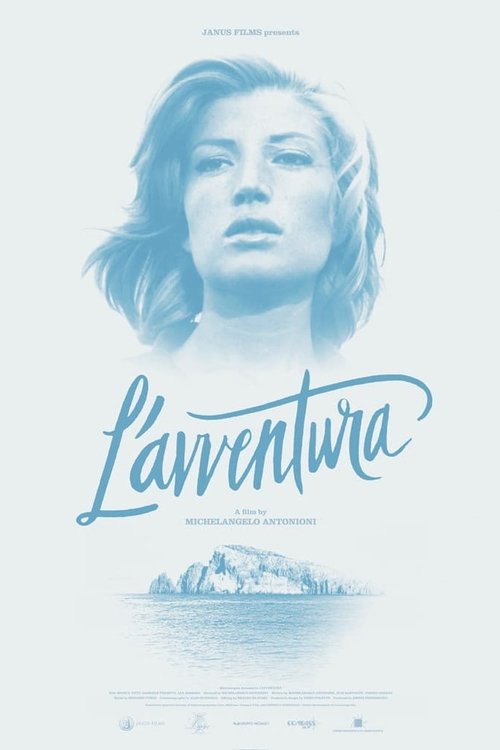
L'Avventura1960
Antonioni again, and even more hypnotic—a woman vanishes and nobody really cares. The landscape matters more than the plot. A complete reimagining of what cinema could be about.
But It's slow. It's cryptic. The woman disappears twenty minutes in and the film keeps going anyway. Some find it punishing rather than profound.
Hiroshima Mon Amour1959
Alain Resnais and Marguerite Duras on memory, desire, and the impossibility of truly knowing another person. Two nights in Japan; the whole war in the background. Fragments instead of scenes.
But Experimental structure and heavy philosophical weight. If you want a story with a shape, this will frustrate you. The repetition might feel tedious on first watch.
Red Desert1964
Antonioni's only colour film—and he uses it like a weapon. A woman unravels in an industrial wasteland. Gorgeous and deeply unsettling, about disconnection from everything.
But Monica Vitti's character is hard to root for. The industrial setting is deliberately bleak and claustrophobic. Again: very, very slow.
Not sure tonight? Get a pick in a minute, starting from La Notte
The wildcard
Something you would not have found on your own.
Tokyo Story1953
Both films are about the unbridgeable distance between people who love each other. Both use stillness and silence to convey profound loneliness. Both refuse melodrama; the tragedy is in what isn't said.
Ozu's masterpiece: two elderly Japanese parents visit their son in Tokyo and observe modern life with bewilderment and grace. Formally perfect, devastating about time passing and people failing to connect across generations.
But Ozu composes in static frames; nothing moves but the actors. Every scene is the same room at different angles. Western viewers often find it boring at first. The emotional impact accumulates slowly.

More like this (8)
Contempt1963
Godard on a marriage collapsing in real time on a Greek island. Bresson appears; Piccoli and Bardot are luminous and tragic. Cinema itself is the third character—meta, gorgeous, devastating.
But Godard's playfulness can feel arch and alienating. The film is aware of its own theatricality in ways that distance you. Brigitte Bardot might feel like stunt casting.

Shadows1960
John Cassavetes' improvisational debut about three African-American siblings navigating identity, class, and desire in New York. Raw, alive, nothing like the slick cinema around it. A revolution whispered.
But Shot on 16mm on an actual budget of nothing, it looks it. The acting veers between brilliant and genuinely uncomfortable. The structure is deliberately loose and may feel formless.
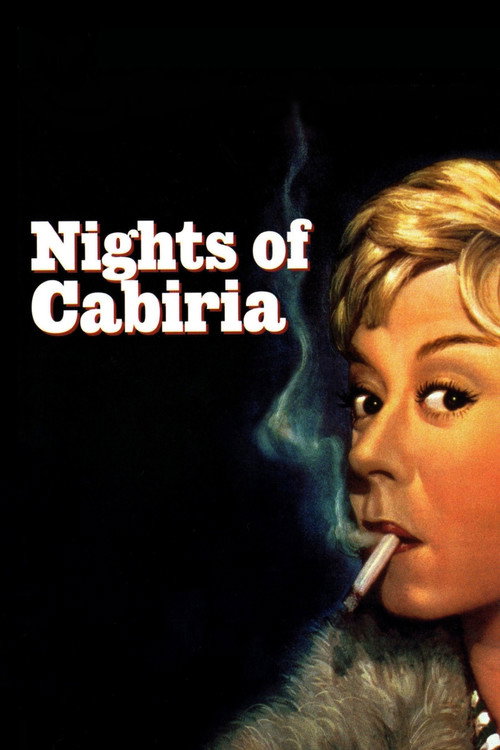
Nights of Cabiria1957
Fellini's gentler masterpiece—a prostitute seeking dignity and love in Rome, episodic but achingly human. Masina is heartbreaking. Less baroque than his other work; no less moving.
But The episodic structure means it meanders. Some sequences feel sentimental now. Watching Cabiria repeatedly failed and betrayed is emotionally exhausting by design.
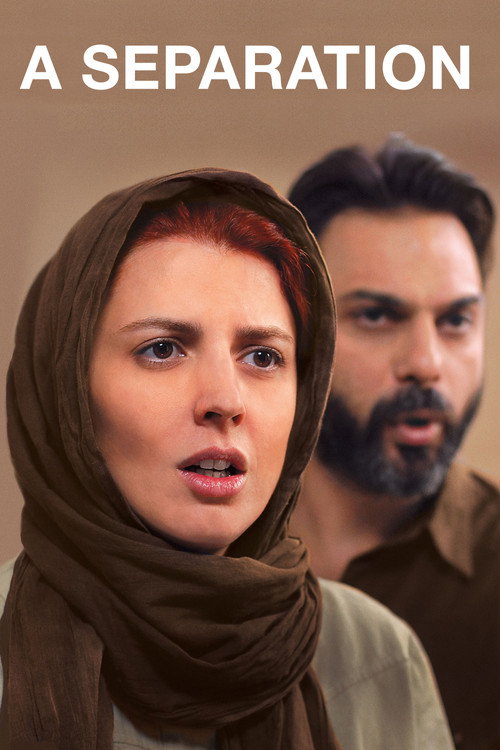
A Separation2011
Asghar Farhadi's modern parallel: a marriage ending in Tehran, two people unable to bridge the gap between them despite enormous love. Precise, agonizing, utterly contemporary in its moral complexity.
But It builds tension through dialogue and legal procedure rather than spectacle. The pacing is deliberate and some find it slow-burn to the point of inertia. Deeply claustrophobic.
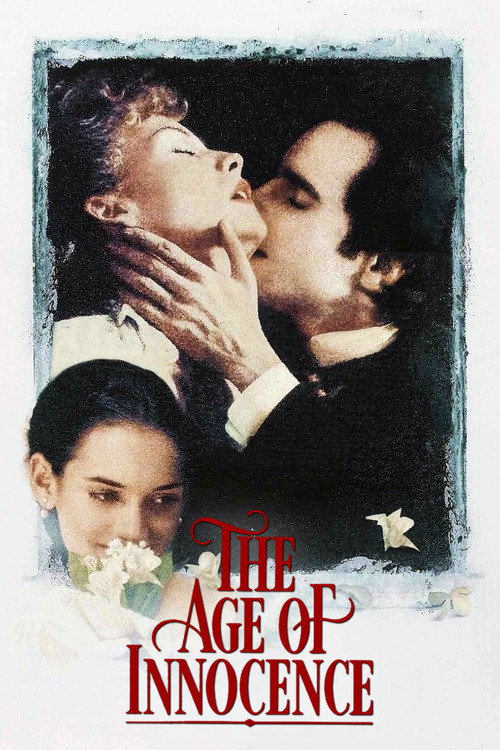
The Age of Innocence1993
Scorsese on desire thwarted by society and self-deception. A man chooses the safe woman and spends a lifetime regretting it. Michelle Pfeiffer and Daniel Day-Lewis smolder without touching.
But It's a period piece about people not doing things. The drama is internal; the film moves at the pace of constraint. Some find all that restraint dull rather than poignant.
Stalker1979
Tarkovsky's three-hour metaphysical walk through a mysterious zone with a guide and two men searching for meaning. Hypnotic, philosophical, about the nature of desire itself. Rewires how you think.
But Three hours of deliberate, meditative pacing. Long takes of people walking through corridors. If you need plot momentum or dramatic gestures, this will feel like punishment. Extremely demanding.

The Leopard1963
Both are about the slow death of a marriage and a way of life. Both Antonioni and Visconti document beauty in decline. Both are fundamentally about observing the end of things rather than trying to change them.
Visconti's three-hour epic on the decline of Italian aristocracy—a prince watches his world die and tries to preserve it by welcoming change. Burt Lancaster at the height of his power; the colour cinematography is painterly.
But It's a formal, stately film about aging and obsolescence. The ball scene is forty minutes long. Genuinely long in a way that tests patience. Not a film that moves; a film you move through.

Mulholland Drive2001
Like La Notte, it tracks the distance between two people—here, a woman chasing a phantom version of herself and her lover. Both films are about the stories we tell ourselves about love and connection, and how they fail. Both use the city as a character that mirrors internal emptiness.
David Lynch on desire, failure, and Hollywood's machinery that grinds dreams into dust. Naomi Watts and Laura Harring create a love story that may or may not be real. Formally audacious and genuinely heartbreaking.
But It doubles back on itself; you may not know what you've watched on first viewing. The second half abandons plot for mood and implication. Some find that either brilliant or infuriating, rarely in between.

People
Cast
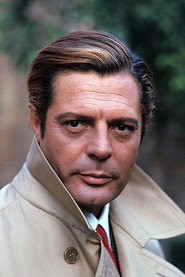 Marcello MastroianniGiovanni Pontano
 Jeanne MoreauLidia
 Monica VittiValentina Gherardini
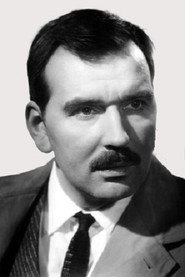 Bernhard WickiTommaso Garani
- Rosy MazzacuratiRosy
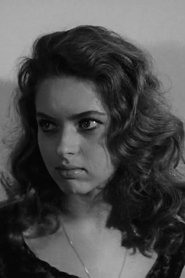 Maria Pia LuziUn'invitata
- Guido A. MarsanFanti
- Vincenzo CorbellaMr. Gherardini
- Ugo FortunatiCesarino
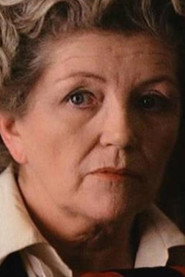 Gitt MagriniSignora Gherardini
- Giorgio NegroRoberto
Directing
- Michelangelo AntonioniDirector
- Berto PelossoFirst Assistant Director
- Franco IndovinaFirst Assistant Director
- Liana FerriScript Supervisor
Writing
- Ennio FlaianoScreenplay
- Michelangelo AntonioniScreenplay
- Tonino GuerraScreenplay
- Ennio FlaianoStory
- Michelangelo AntonioniStory
- Tonino GuerraStory
Production
- Emanuele CassutoProducer
- Paolo FrascàProduction Manager
- Roberto CoccoUnit Manager
Recommended by
L'Avventura, Opening Night, Vicky Cristina Barcelona, L'Eclisse, La Dolce Vita, Contempt, Antonieta, Nathalie Granger, The Marquise of O, Sweet Hunters