
Film
The Age of Innocence
Martin Scorsese's most unexpected film is also one of his most Scorsese: a Gilded Age tragedy where nobody throws a punch, yet the violence of judgment and unspoken rules cuts deeper than any turf war. Lush, meticulous, narrated with cool irony, it's about a man trapped by a world too polite to name what it's doing to him. For lovers of restraint that hurts.
If you liked this
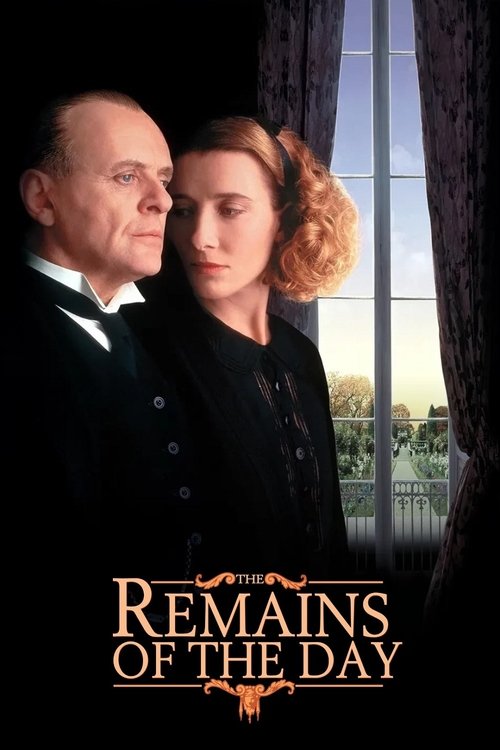
The Remains of the Day1993
Another masterclass in repression, this time an English butler instead of a New York lawyer, with Anthony Hopkins and Emma Thompson quietly devastating each other across decades of missed chances.
But If you found Newland's paralysis frustrating, prepare for Stevens to be even more buttoned-up — some viewers find the restraint maddening rather than moving.
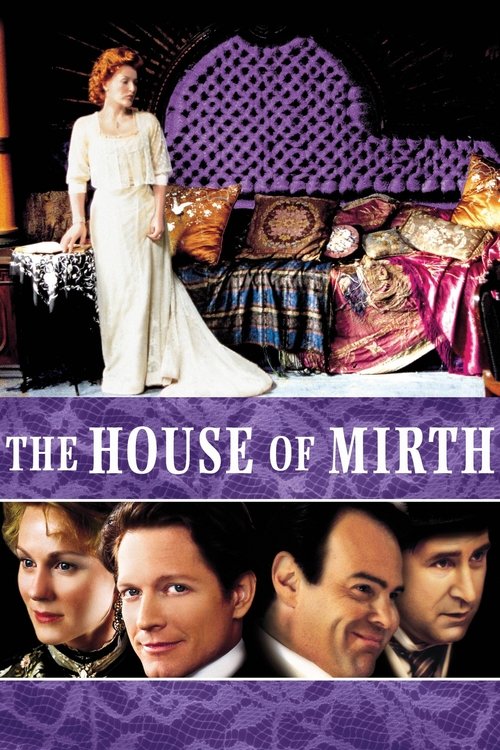
The House of Mirth2000
Another Edith Wharton adaptation, and a bleaker one — Gillian Anderson is superb as a woman whose social missteps become a slow-motion catastrophe in the same claustrophobic New York drawing rooms.
But It's even less forgiving than Age of Innocence; there's no consolation prize here, just a steady, unglamorous fall.
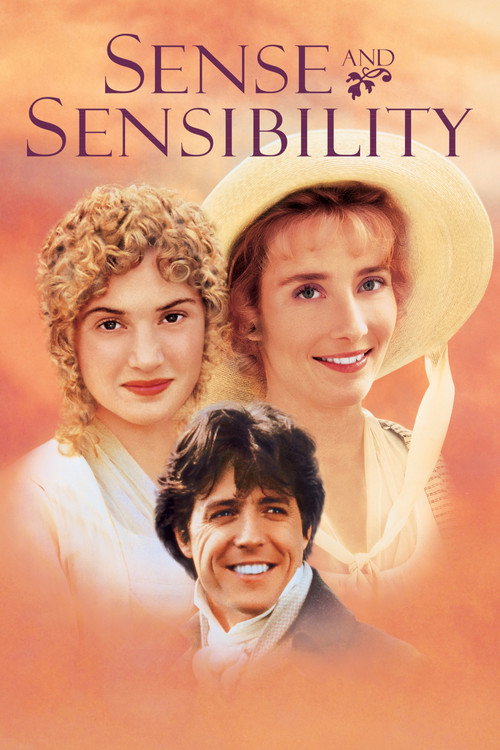
Sense and Sensibility1995
Ang Lee's Austen adaptation shares the same fascination with what people can't say out loud, wrapped in wit and warmth that makes the heartbreak land even harder.
But Austen's world is gentler and funnier than Wharton's — if you wanted more menace under the manners, this may feel too kind.
The wildcard
Something you would not have found on your own.
Letter from an Unknown Woman1948no page yet
Both films use narration and elegant visual surface to mask a wound that never heals; Ophuls' camera and Scorsese's are doing the same emotional work forty-five years apart.
Max Ophuls' masterpiece is the great-grandparent of this kind of film: a love that can never be spoken, told in a single continuous letter, with camera movements so fluid they feel like held breath.
But It's in black and white, from a very different Hollywood, and its melodrama is more overt than Scorsese's cool irony — some will find it old-fashioned rather than timeless.
More like this (8)
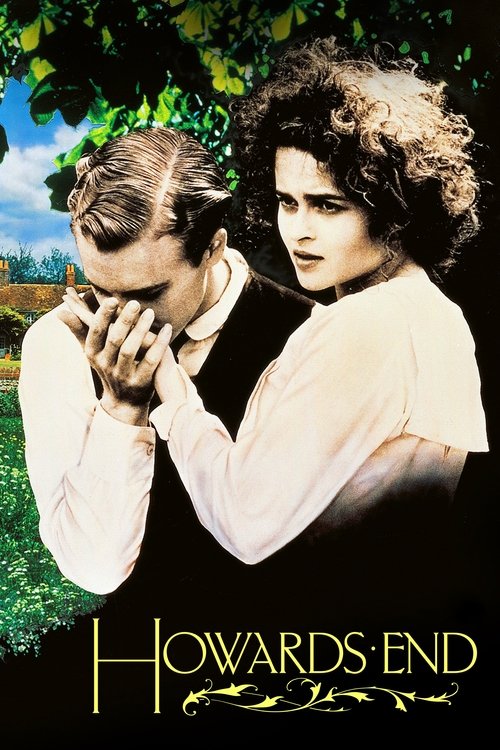
Howards End1992
Merchant Ivory at their best, with Emma Thompson and Anthony Hopkins circling class, money and repressed feeling in a story just as interested in what society decides is proper.
But It's more about class and property than romantic longing — the emotional register is cooler than Age of Innocence.
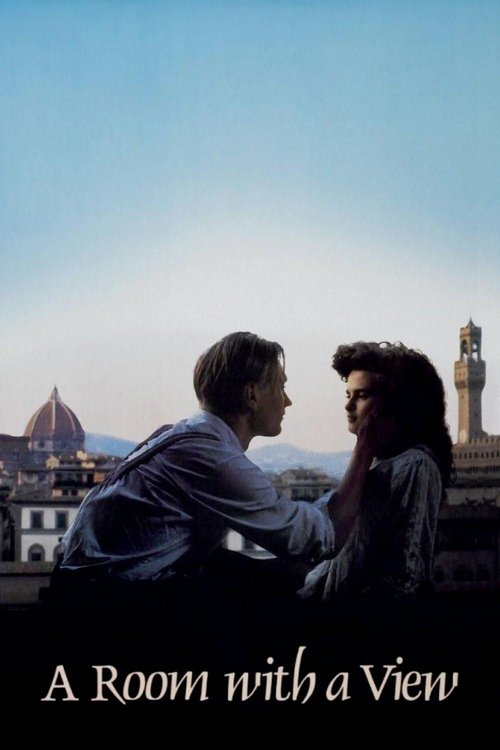
A Room with a View1986
The lighter cousin to all this — same Edwardian manners and stifled desire, but with warmth and a genuinely happy ending, if you need a break from tragedy.
But It's comparatively slight, more comedy of manners than tragedy, so don't expect the same gut-punch.
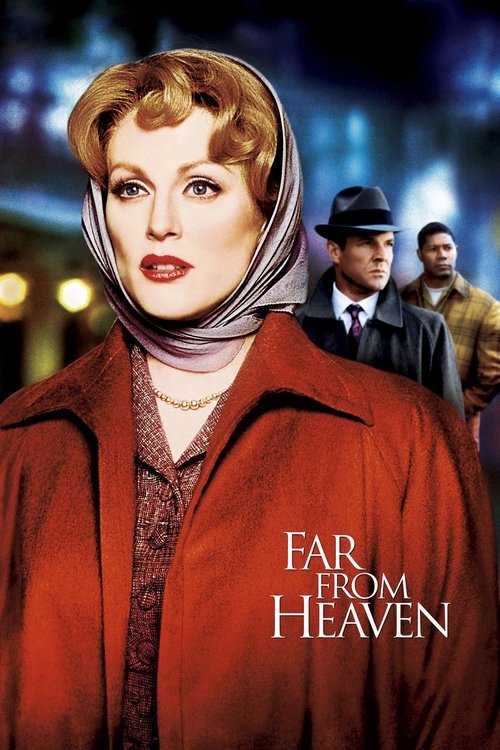
Far from Heaven2002
Todd Haynes transplants the same trap — a woman punished by a society that polices desire — into 1950s suburbia, shot in the lush Technicolor of the melodramas it's echoing.
But The style is deliberately artificial, almost a pastiche; if you want naturalism, this isn't it.
Washington Square1997no page yet
Henry James's New York, another story of a woman constrained by family and money, with Jennifer Jason Leigh quietly heartbreaking in a role that shares Newland's cage of good manners.
But It's smaller and less visually sumptuous than Scorsese's film — more intimate chamber piece than grand tableau.
The Portrait of a Lady1996no page yet
Jane Campion's take on Henry James is stranger and more unsettling — Nicole Kidman's independence gets slowly strangled by the same kind of society that undoes Ellen Olenska.
But Campion pushes into genuinely disturbing territory by the end; it's a colder, more punishing watch.
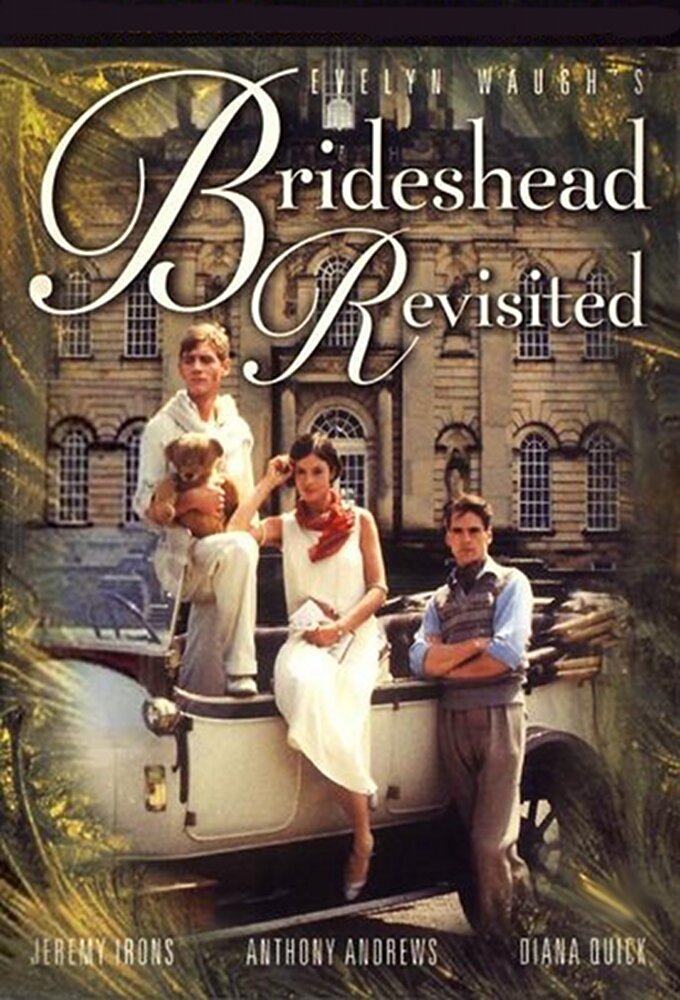
Brideshead Revisited1981
An eleven-hour immersion in doomed longing and the tyranny of class and duty, with the same slow-burn narration and aching sense of a world closing in on its characters.
But It's a serious time commitment, and its pace is even more languid than Scorsese's — this is a sit, not a sitting.
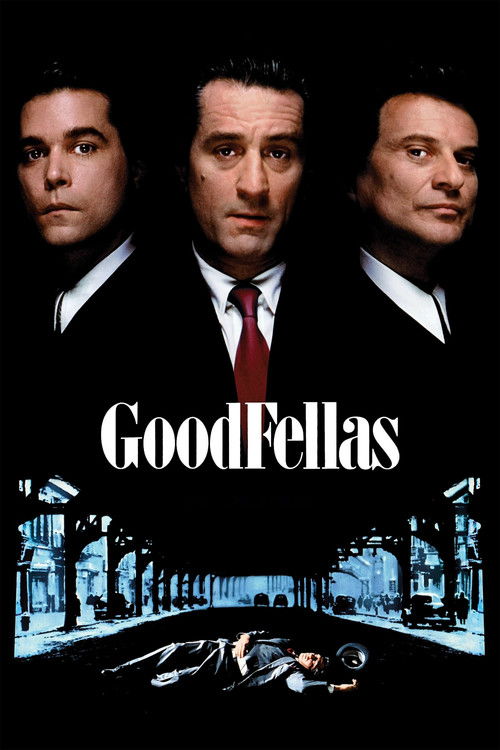
GoodFellas1990
Same director exploring the same idea twice: a closed society with its own laws, where breaking the code gets you destroyed — one time literally, one time socially.
Scorsese himself has called this his most violent film — Newland Archer's world runs on the same tribal rules, punishments and exiles as Henry Hill's, just enforced with dinner invitations instead of bullets.
But If you came to Age of Innocence for its quiet, the sheer noise, speed and body count of this one will feel like a different planet.
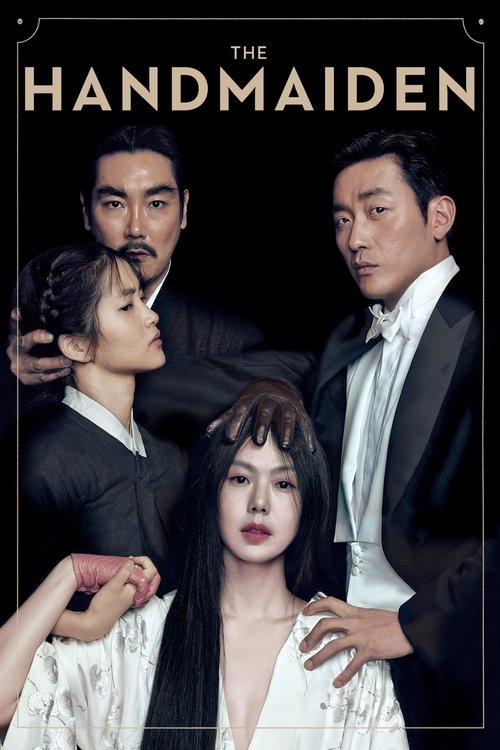
The Handmaiden2016
Both use beautiful surfaces and rigid social hierarchy as instruments of control over desire; The Handmaiden simply lets the repression break open instead of quietly closing over it.
Park Chan-wook's lush, twisting Korean thriller is Age of Innocence with the corset ripped open — the same opulent class world hiding desire, secrets and cruelty, played as sensuous, violent melodrama.
But It's far more explicit, sexually and violently, and its twisty plotting is a world away from the restraint you just watched.
People
Cast
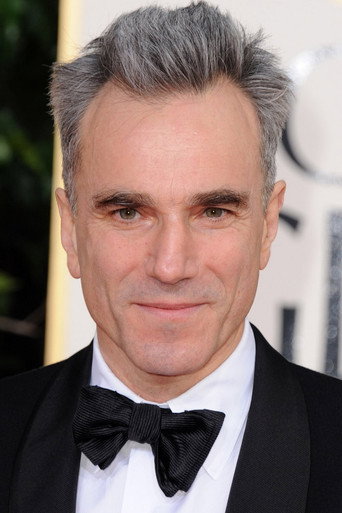 Daniel Day-LewisNewland Archer
 Michelle PfeifferEllen Olenska
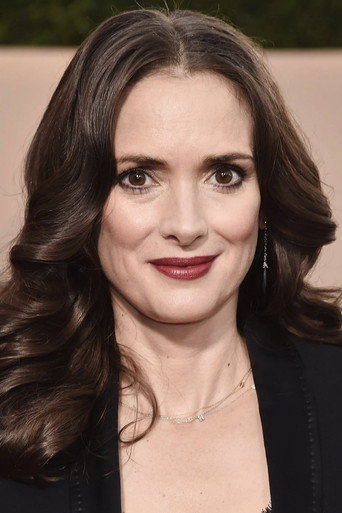 Winona RyderMay Welland
 Alexis SmithLouisa van der Luyden
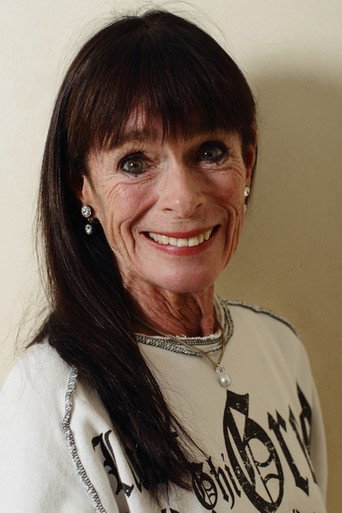 Geraldine ChaplinMrs. Welland
 Jonathan PryceRivière
 Richard E. GrantLawrence "Larry" Lefferts
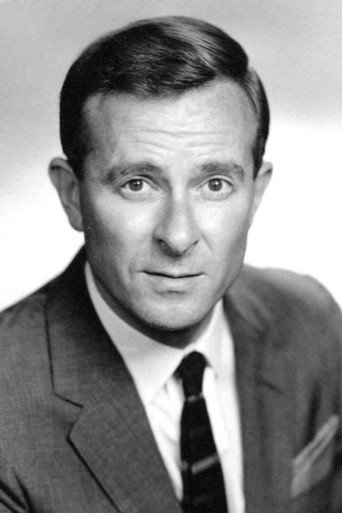 Alec McCowenSillerton Jackson
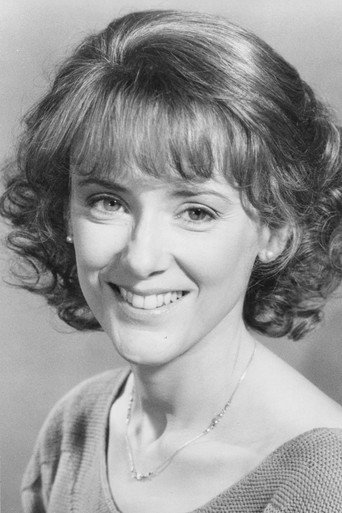 Mary Beth HurtRegina Beaufort
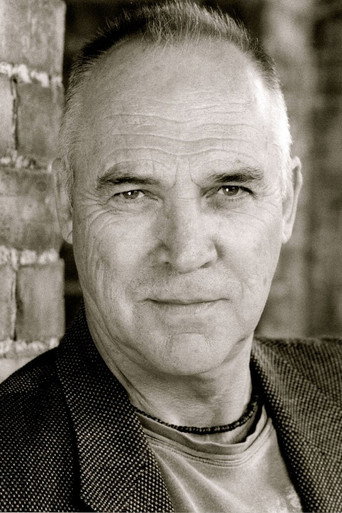 Stuart WilsonJulius Beaufort
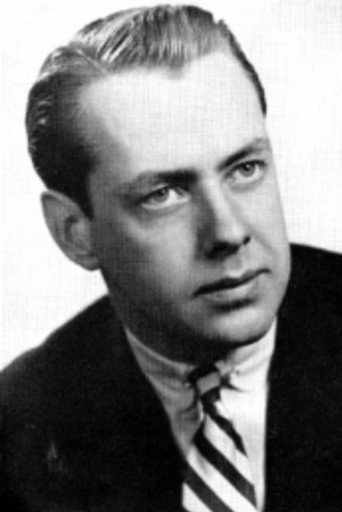 Howard ErskineBeaufort Guest
- John McLoughlinParty Guest
Directing
- Martin ScorseseDirector
- Joseph P. ReidyFirst Assistant Director
- Kay ChapinScript Supervisor
- Joseph R. BurnsSecond Assistant Director
- Susan E. FioreSecond Second Assistant Director
Writing
- Edith WhartonNovel
- Jay CocksScreenplay
- Martin ScorseseScreenplay
Production
- Patricia Anne DohertyAssistant Production Manager
- Joseph P. ReidyAssociate Producer
- Ellen LewisCasting
- Bruce S. PustinCo-Producer
- Patricia Anne DohertyLocation Manager
- Barbara De FinaProducer
- Bruce S. PustinUnit Production Manager
Recommended by
In the Mood for Love, The Leopard, Gangs of New York, The Illusionist, The Gilded Age, Outlander, Little Women, Phantom Thread, Brief Encounter, Little Women, Like Water for Chocolate, Brooklyn, Dangerous Liaisons, Wuthering Heights, Out of Africa, The Piano, All That Heaven Allows, Howards End, Mrs. Dalloway, Lalka, Far from the Madding Crowd, The House of Mirth, Interview with the Vampire, Raise the Red Lantern, The Great Gatsby, Anna Karenina, La traviata, Senso, Romeo and Juliet, The Earrings of Madame de..., The Unbearable Lightness of Being