
Film
Madame Butterfly
Other titles called Madame Butterfly: the 1915 film, the 1954 film, the 1995 film.
- Drama
- Tragic romance
- Very dark
A 1932 adaptation of Puccini's opera about a young Japanese woman abandoned by an American naval officer who married her on shore leave. Sylvia Sidney brings devastating tenderness to a tragedy shaped by colonialism and casual cruelty. It's a film that takes its own heartbreak seriously, made in an era when Hollywood rarely granted such emotional depth to women or non-white characters.
If you liked this
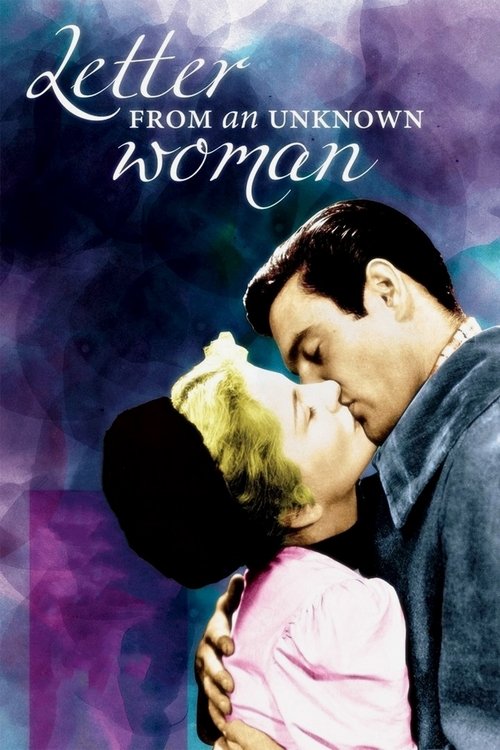
Letter from an Unknown Woman1948
Max Ophüls' masterpiece of romantic devastation: a woman's entire life consumed by love for a man who never knew she existed. The emotional precision and visual grace make suffering feel noble and true.
But It moves slowly, built on restraint rather than incident. If you need plot momentum or a happy ending, this will feel like drowning in velvet.
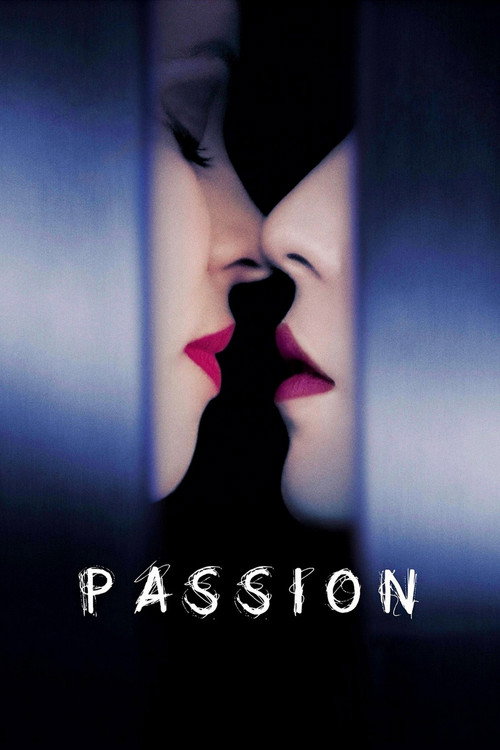
Passion2013
Brian De Palma's film about a woman destroyed by obsessive love and professional humiliation. Technically dazzling, morally complex, and genuinely uncomfortable—it respects the darkness of its own subject.
But De Palma's style is deliberately artificial, sometimes to the point of alienation. The violence is graphic. Some will find it more interested in camera angles than character.
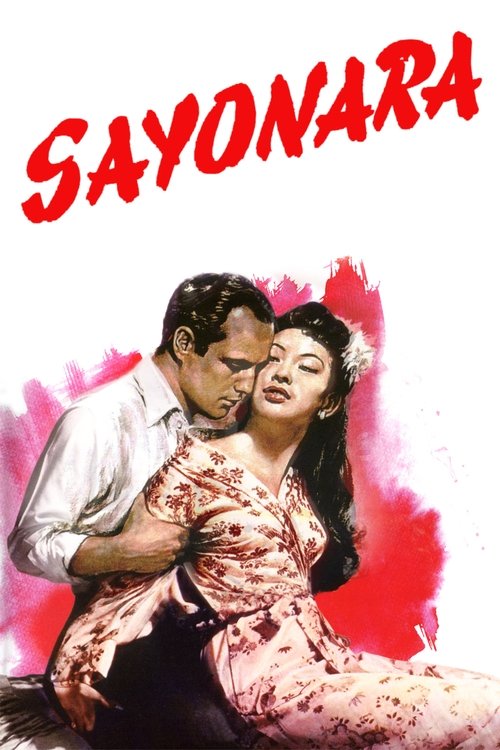
Sayonara1957
An American soldier falls for a Japanese dancer after the war. Far more honest about racism and power imbalance than its era usually allowed. Marlon Brando gives one of his most genuine performances, and it actually interrogates its own colonial gaze.
But It's still a product of 1957 Hollywood, which means some choices feel dated or uncomfortable. The pacing sags in places.
Not sure tonight? Get a pick in a minute, starting from Madame Butterfly
The wildcard
Something you would not have found on your own.
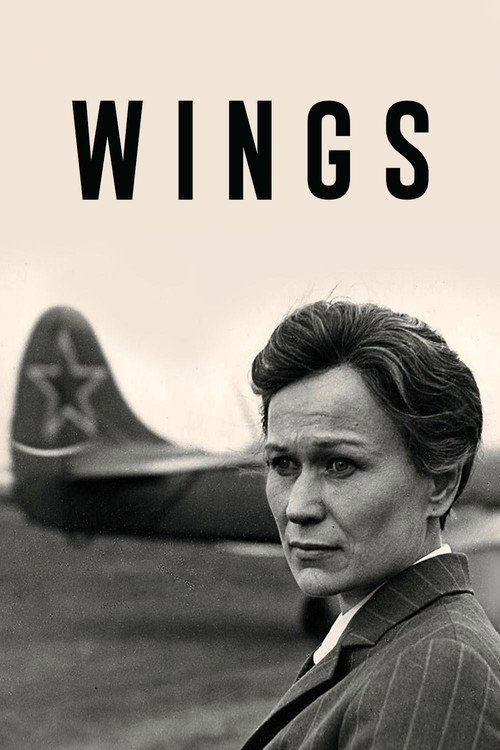
Wings1966
Both feature women destroyed by the collision between personal desire and historical circumstance—but Wings suggests that the damage runs deeper than any single relationship, into the core of identity itself.
Larisa Shepitko's Soviet masterpiece about a woman haunted by her past as a pilot during WWII, now trapped in a mundane present. Shot in black and white with dreamlike precision, it's about trauma, unfulfilled potential, and the self lost to survival. Absolutely hypnotic.
But It's 84 minutes of psychological abstraction without linear plot. Very slow, very difficult, very Russian. Most people will find it demanding and opaque.
More like this (7)
The Ballad of Little Jo1993
A woman passes as a man in the Old West to survive. Like Madame Butterfly, it's about someone trapped by circumstance and doomed by love, but it flips the gender dynamics and finds strange grace in reinvention and quiet resilience.
But It's visually austere and narratively spare. Maggie Greenwald's style prioritizes mood over warmth, which some find cold rather than meditative.

Bitter Lake2015
Adam Curtis's essay-film about how the West's failed interventions in Afghanistan and the Middle East echo through decades. Like Madame Butterfly, it's about the wreckage left behind when powerful nations treat others as disposable.
But It's a 3-hour documentary collage with no conventional narrative. If you want plot or clear answers, this will frustrate you. Requires active attention.
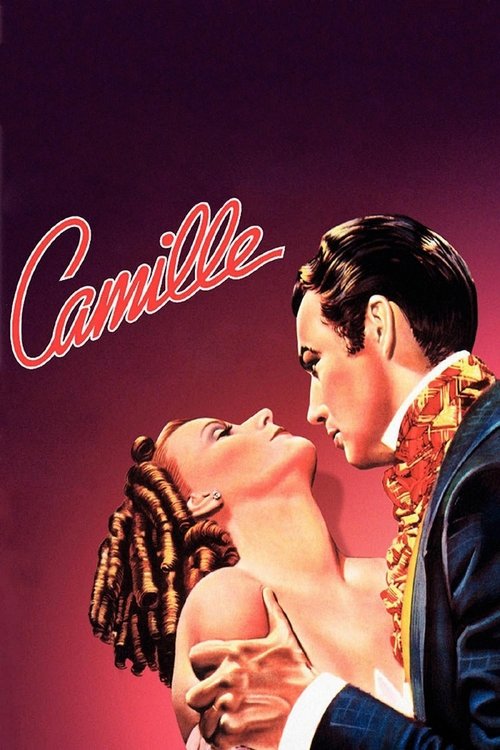
Camille1936
Greta Garbo as a courtesan who loves a man she cannot have, knowing it will destroy her. Garbo's face carries the entire weight of impossible longing. It's melodrama elevated to genuine tragedy through sheer acting grace.
But The pacing is very 1930s, which means long passages of dialogue-heavy scenes. The ending is famously bleak, which some find emotionally exhausting.
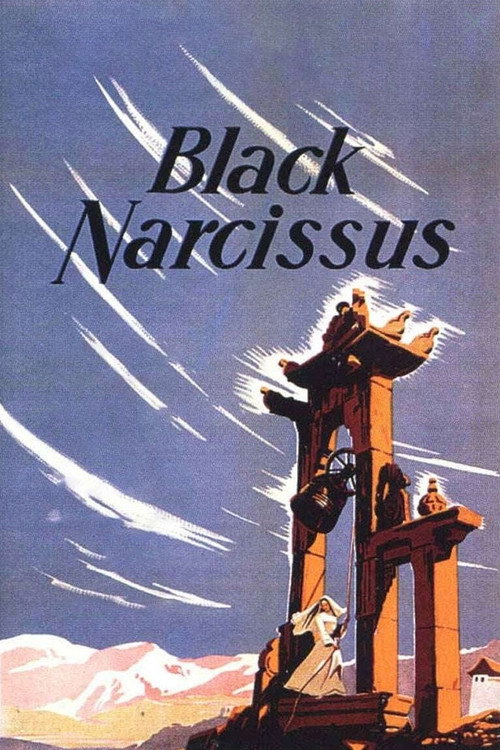
Black Narcissus1947
Powell and Pressburger's film about desire, colonial fantasy, and women undone by circumstance in the Himalayas. Visually ravishing and psychologically acute about how isolation and repression corrode the soul.
But It's lush to the point of artificiality; some find the Technicolor excess distracting. The treatment of sexuality is coded and oblique rather than explicit.
In the Mood for Love2000
Wong Kar-wai's film about two neighbors who discover their spouses are having an affair. Gorgeously composed, achingly romantic despite its melancholy. Every frame is a painting of yearning.
But There's almost no plot. The entire film is mood, color, and the space between two people. If you need story or dialogue-driven drama, this evaporates.

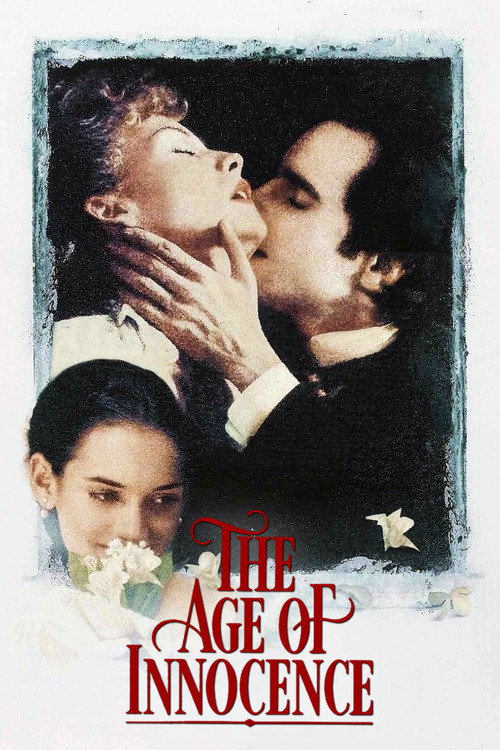
The Age of Innocence1993
Scorsese's portrait of New York society where a man torn between duty and desire chooses the safe life over passion. It's Madame Butterfly from the perspective of someone privileged enough to survive their choice, but no less tragic for it.
But Costume dramas bore many people. The film is deliberately paced, layered with irony and voiceover. Some find it mannered.
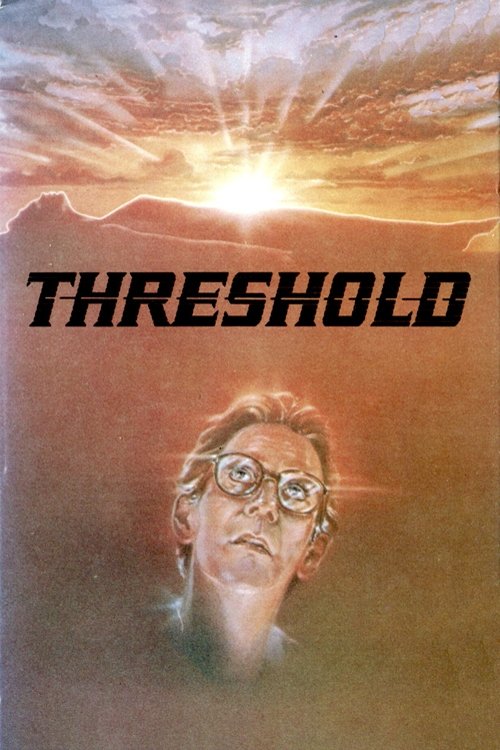
Threshold1981
Like Madame Butterfly, it's about watching someone you love slip away while you're powerless—but it asks whether any intervention, no matter how advanced, can save us from mortality itself.
Richard Pearce's Canadian film about the first artificial heart transplant, shot like a chamber play about love and mortality. The wife watches her husband's body reject the machine meant to save him. It's science fiction about suffering, made with documentary restraint and genuine tenderness.
But It's a medical procedural about dying, made in 1981, which means it's slow and often looks antiquated. There's no catharsis, only failure and grief. Deeply uncomfortable.
People
Cast
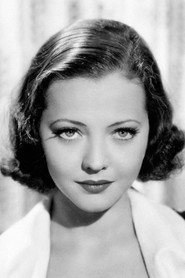 Sylvia SidneyCho-cho San
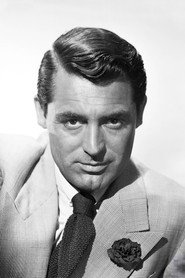 Cary GrantLieutenant Pinkerton
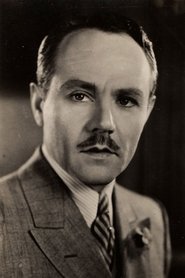 Charles RugglesLieutenant Barton
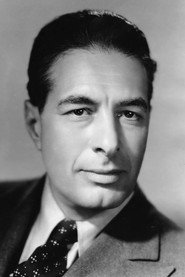 Irving PichelYamadori
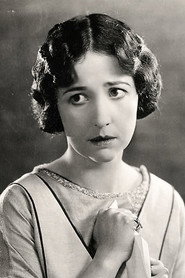 Helen Jerome EddyCho-cho San's Mother
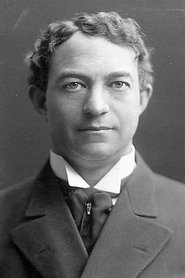 Edmund BreeseCho-cho San's Grandfather
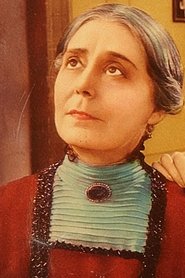 Louise CarterSuzuki
- Sándor KállayGoro
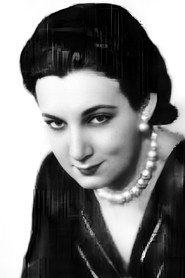 Judith VosselliMadame Goro
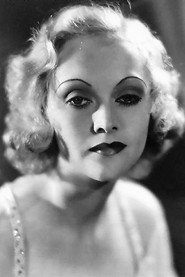 Sheila TerryAdelaide
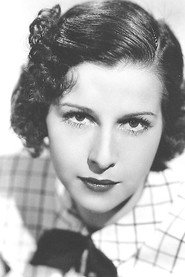 Dorothy LibairePeach Blossom
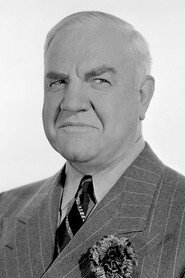 Berton ChurchillMr. Sharpless
Directing
- Marion GeringDirector
Writing
- Joseph Moncure MarchScreenplay
- Josephine LovettScreenplay
- John Luther LongStory
- David BelascoTheatre Play
Production
- B.P. SchulbergProducer