
Film
Shanghai Express
A 1932 Josef von Sternberg masterpiece of visual style and sexual intrigue. Marlene Dietrich is a woman of contested reputation trapped on a train during China's civil war, reigniting a dangerous romance with a man from her past. Gorgeously lit and shot through with tension—less about plot than atmosphere, desire, and the camera's obsession with Dietrich's face.
Should you watch it?
Watch it if you love pre-Code studio glamour, where every frame is lit like a shadowy photograph and the romance crackles through clipped, sardonic dialogue more than through sentiment.
Skip it if you need a modern pace or a fully credible story, since the plot is a creaky vehicle for its stars and the 1932 attitudes toward race and character can grate.
What it asks of you: Under an hour and a half, it moves briskly but talks in long elegant exchanges, so you have to sit still for the stylised atmosphere and listen closely to its wit.
Not sure? Find tonight's pick in a minute.
If you liked this
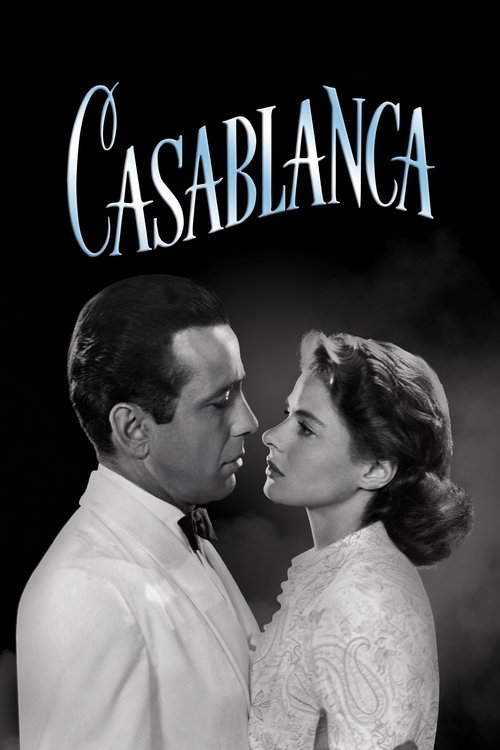
Casablanca1943
Another wartime romance where past lovers collide amid geopolitical chaos, with the same fatalistic elegance and moral ambiguity. Bogart and Bergman have the Dietrich-Brook dynamic: smoldering, doomed, unforgettable.
But It's the most famous film ever made, which can create a strange pressure to love it on command rather than let it work on you naturally.
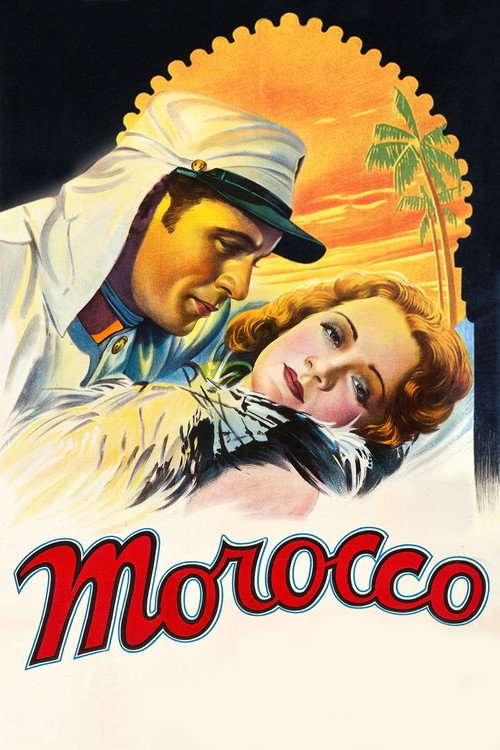
Morocco1930
Sternberg's preceding collaboration with Dietrich, where she plays another woman of the world navigating desire and danger in a colonial setting. If you love Shanghai Express, here's the blueprint—even more visual, even more erotic.
But The pacing is glacial by modern standards, and the emotional stakes can feel distant until you surrender to the film's dream logic.
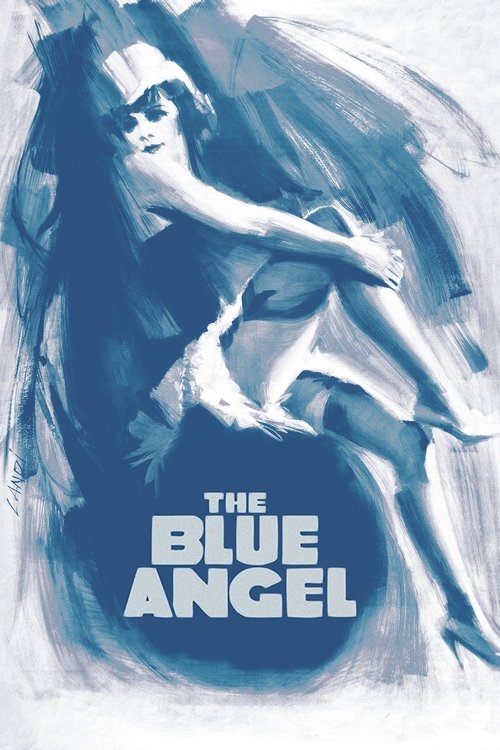
The Blue Angel1930
Marlene Dietrich's debut as Lola Lola, a cabaret singer who destroys a respectable man. Josef von Sternberg directed this too. It has the same intoxicating mix of beauty, corruption, and moral collapse.
But The film's treatment of its male protagonist verges on cruel, and the ending is genuinely bleak in ways that might feel punitive rather than tragic.
Not sure tonight? Get a pick in a minute, starting from Shanghai Express
The wildcard
Something you would not have found on your own.
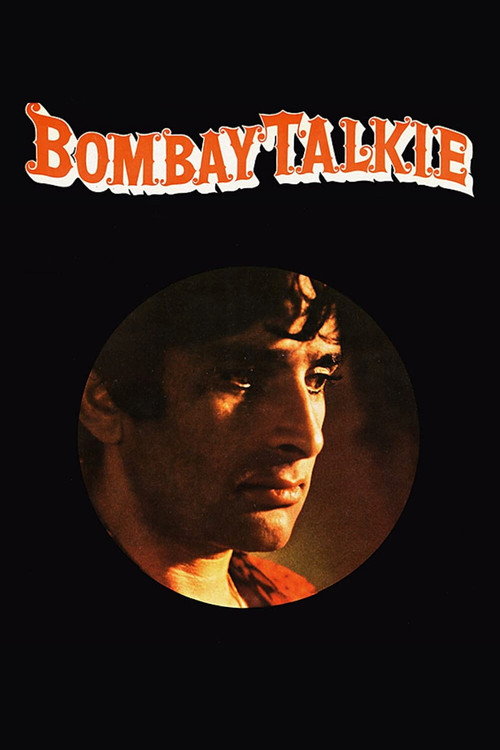
Bombay Talkie1970
Both films use exotic settings and sexual intrigue as windows into colonial power dynamics and the destructive allure of 'the woman the man once knew'—but Bombay Talkie interrogates rather than indulges that mythology.
Ismail Merchant and James Ivory turn the colonial train romance inside out: an American novelist and a British merchant's wife in 1970s India, navigating desire across cultures in a country that's no longer a backdrop but a character. Lush, witty, and genuinely erotic in ways that don't fetishize.
But It's slow-burn and conversational; the seduction happens through talk and glances, not incident. If you want plot momentum, you'll find it frustratingly languid.
More like this (8)
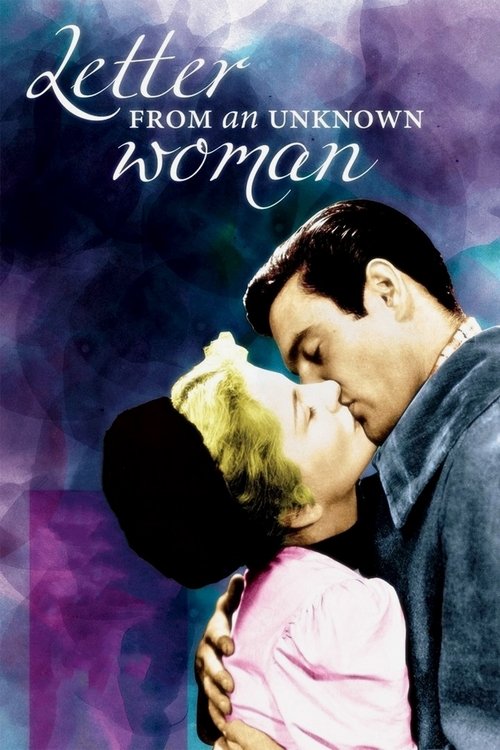
Letter from an Unknown Woman1948
Ophüls captures that same bittersweet ache of lovers separated by circumstance and character. Utterly romantic but unsentimental—memory and desire are the real subjects.
But It's a chamber piece where nothing explodes; if you want incident and drama, this meditation on longing and regret will feel slight.
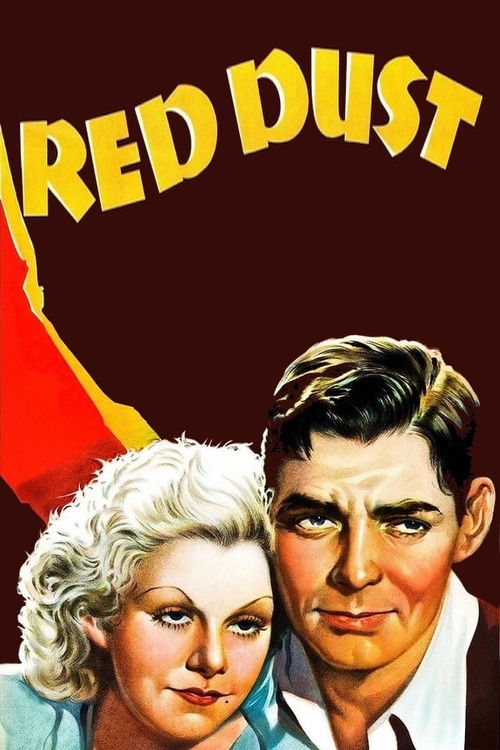
Red Dust1932
Clark Gable and Jean Harlow in the tropics, mixing danger, sexuality, and the collision of past and present. Same year as Shanghai Express, same steamy atmosphere and romantic entanglement.
But Harlow's comic timing can overshadow the genuine erotic tension, making moments feel uneven in tone.
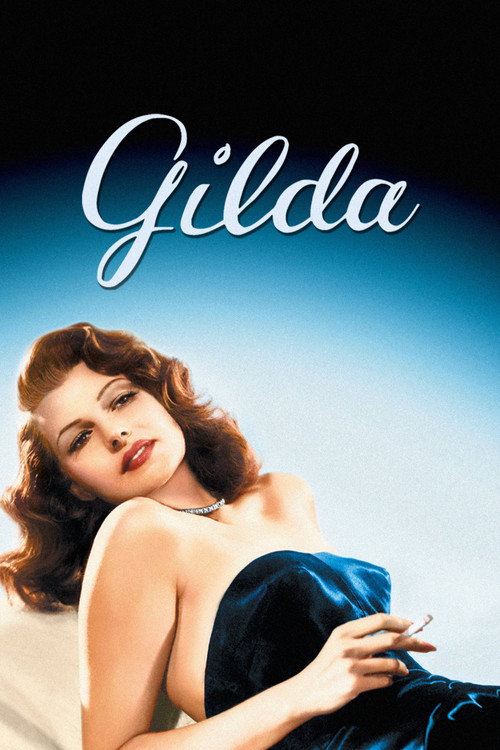
Gilda1946
Rita Hayworth as a woman whose mysterious past and dangerous allure drive the plot. Like Dietrich, she's the camera's obsession—the film is really about the power of her presence and the chaos she creates.
But It's a noir, so the plot mechanics are sometimes clunky, and the ending retreats into moralism that undercuts much of what made the film vital.
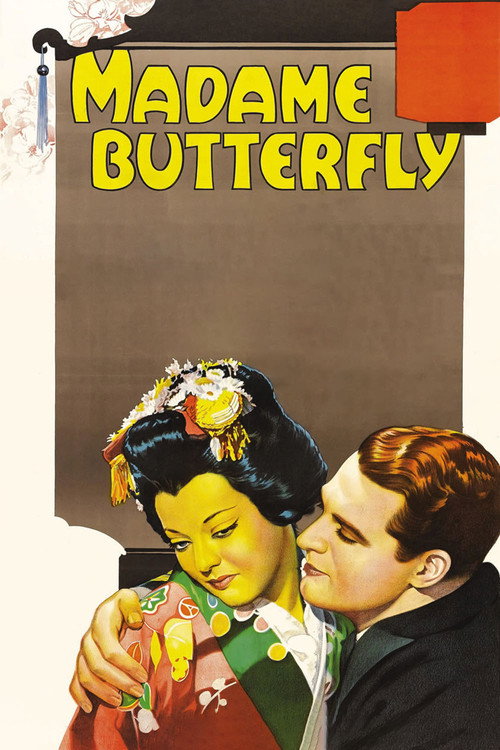
Madame Butterfly1932
Also from 1932, also about a woman of ambiguous morality in the Orient, also gorgeously filmed. Sylvia Sidney carries the same aura of tragic consequence that Dietrich brings to Shanghai Express.
But It's a straightforward tragedy where you can see every beat coming; there's no mystery to compound the sorrow.
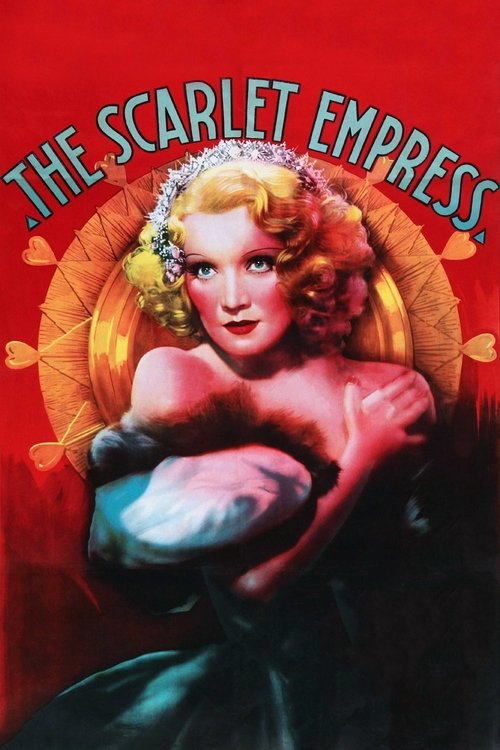
The Scarlet Empress1934
Sternberg and Dietrich's final collaboration. Catherine the Great as a study in ambition and corruption, shot like no other film. If you're drunk on Sternberg's visual language, this is the peak.
But It's almost more spectacle than narrative; the plot dissolves into sheer decadent imagery, which some find intoxicating and others find exhausting.
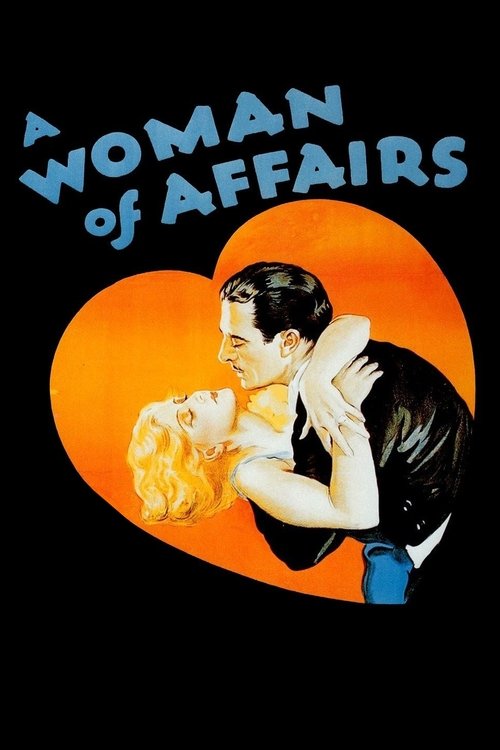
A Woman of Affairs1928
Greta Garbo as a woman undone by love and circumstance, with that same fatalistic European sensibility. Silent, so it relies entirely on performance and composition—pure cinema.
But It's silent cinema from the tail end of the silent era, which demands patience and a willingness to read intertitles and trust the actors' faces.
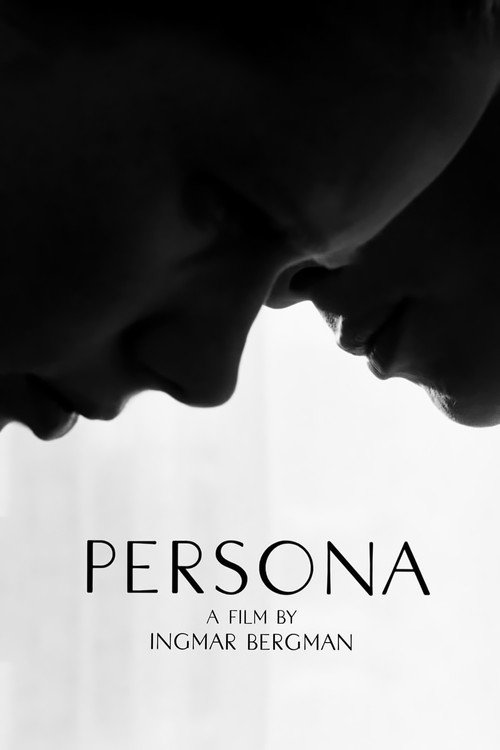
Persona1966
Both are obsessed with female presence as a force that acts on others. Both understand that mystery and silence can be more powerful than explanation.
Bergman's film about two women—one who speaks, one who refuses to—stranded together. Like Shanghai Express, it's about performance, desire, and what happens when two people are forced into intimate proximity. Hypnotic and strange.
But It's abstract and demands active interpretation rather than passive watching. If you go in looking for plot or conventional narrative, you'll feel lost.
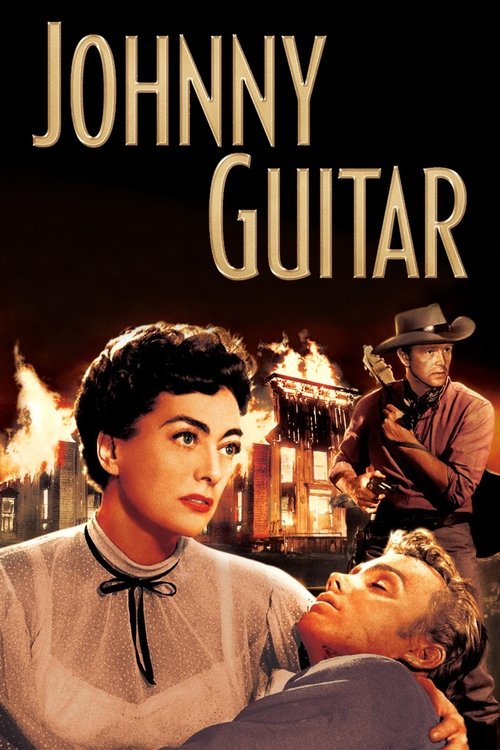
Johnny Guitar1954
Both films make a woman the absolute center of gravity, the still point around which male desire and violence orbit. Both understand that allure and danger are the same thing.
Nicholas Ray's Western where Joan Crawford is the magnetic, dangerous outsider—a woman who runs a saloon and controls every man around her. Gender roles inverted, same erotic tension, gorgeous Technicolor instead of Sternberg's silver-grey cinematography.
But The plot is frankly silly and the action scenes are awkwardly staged. It works as myth, not as realism, which can feel jarring if you're not prepared for it.
People
Cast
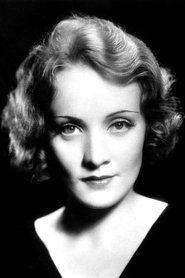 Marlene DietrichShanghai Lily
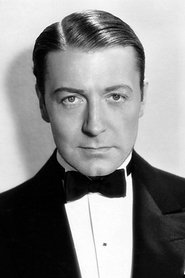 Clive BrookCaptain Donald 'Doc' Harvey
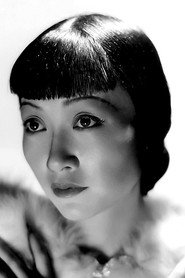 Anna May WongHui Fei
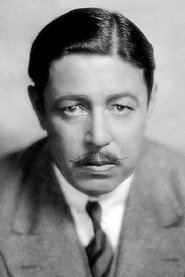 Warner OlandMr. Henry Chang
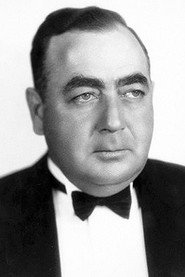 Eugene PalletteSam Salt
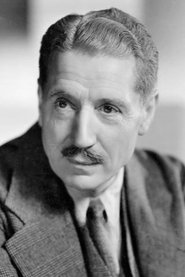 Lawrence GrantReverend Carmichael
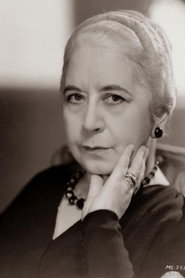 Louise Closser HaleMrs. Haggerty
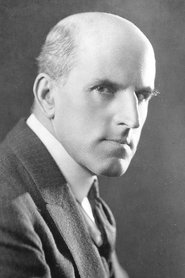 Gustav von SeyffertitzEric Baum
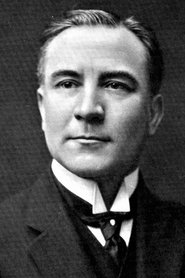 Émile ChautardMajor Lenard
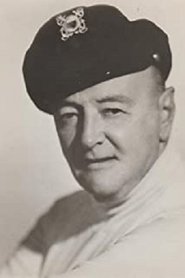 George BlagoiMinor Role (uncredited)
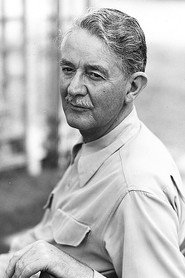 Leonard CareyCarey (uncredited)
- George ChungChinese Soldier (uncredited)
Directing
- Josef von SternbergDirector
Writing
- Howard HawksScreenplay
- Jules FurthmanScreenplay
- Harry HerveyStory
Production
- Adolph ZukorExecutive Producer
- Adolph ZukorProducer
Recommended by
Morocco, Black Sheep, The Painted Veil, Daughter of the Dragon