
Film
The Painted Veil
Other titles called The Painted Veil: the 2006 film.
Greta Garbo at her most luminous plays a restless wife who betrays her husband with a charming diplomat in 1930s Shanghai. When the truth emerges, she's dragged to a cholera-stricken village where she must confront the wreckage of her choices. It's a film about desire meeting consequence, shot through with melancholy and the kind of romantic glamour that only Garbo could carry without irony.
If you liked this
Letter from an Unknown Woman1948
Ophüls wraps a similar story of infidelity and sacrifice in visual poetry. Like *The Painted Veil*, it finds tragedy in the gap between what we want and what we deserve, with a heroine who grows through suffering.
But It's slow and mournful. The emotional payoff requires patience, and the ending will leave you hollowed out rather than comforted.

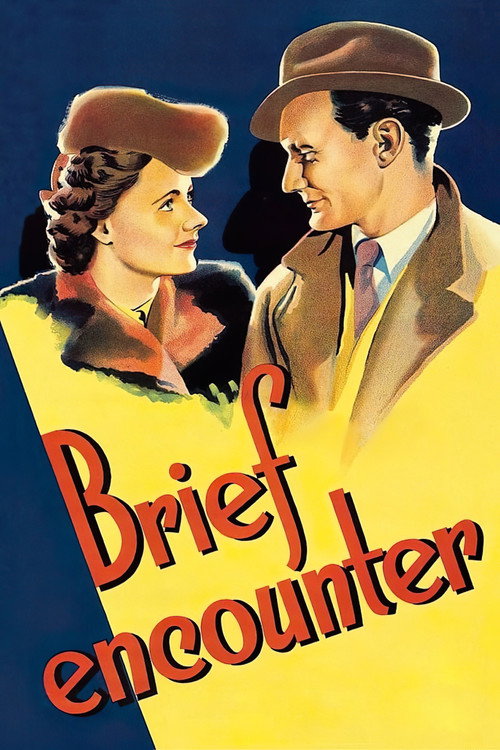
Brief Encounter1945
Coward and Lean catch the exact same electricity—the illicit spark between two people who should know better, the quiet devastation when it collapses. Same era, same moral seriousness about desire.
But The British restraint means passion is conveyed through glances and silences. If you need scenes to spell emotion out, this will feel bloodless.
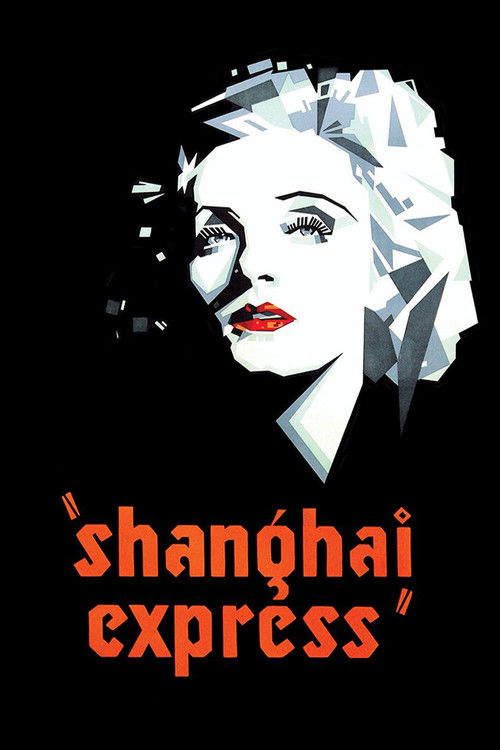
Shanghai Express1932
Sternberg directed this too, with Marlene Dietrich in a similar Shanghai setting. It's got the same fatalism, the same sense of Western characters trapped by their own choices in an indifferent landscape.
But The plot is paperback melodrama. You're watching for atmosphere and star power, not because the story is plausible or particularly clever.
Not sure tonight? Get a pick in a minute, starting from The Painted Veil
The wildcard
Something you would not have found on your own.
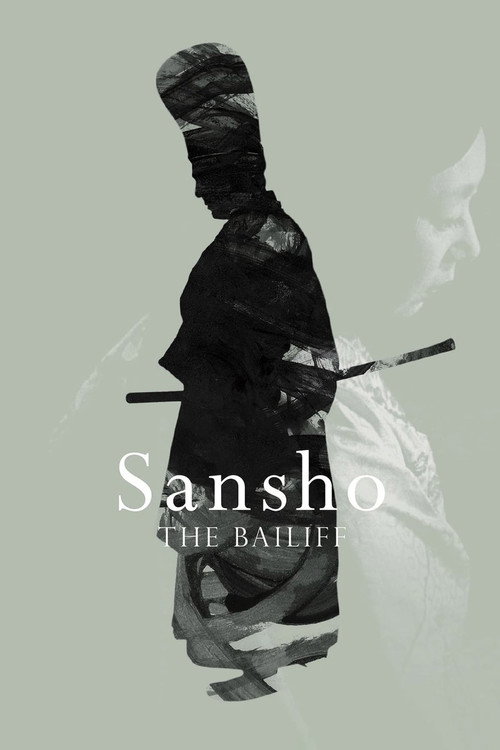
Sansho the Bailiff1954
Both use geographical displacement and confinement to force moral reckoning. Both ask what a person owes to suffering they're powerless to stop. Both end not with redemption but with acceptance.
Mizoguchi's masterpiece is also about a woman trapped by circumstance in a foreign land, forced to witness suffering she cannot fix. It shares *Veil's* structure of moral awakening through helplessness, but places it in feudal Japan with mythic weight. The visual beauty and emotional devastation are unmatched.
But It's a Japanese film from 1954, subtitled and entirely removed from Hollywood idiom. The pacing is deliberate to the point of glacial. Prepare for sadness without catharsis.
More like this (8)
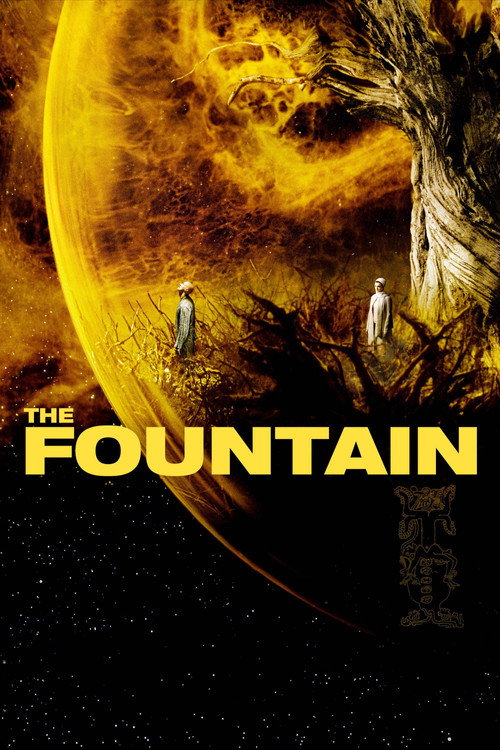
The Fountain2006
Aronofsky's three-timeline meditation on love, loss, and how we fail the people we claim to cherish. It has the same ache as *Veil*—the sense that some mistakes echo across a lifetime.
But It's baroque and demanding. The structure requires active engagement, and some find it self-consciously beautiful rather than genuinely moving.
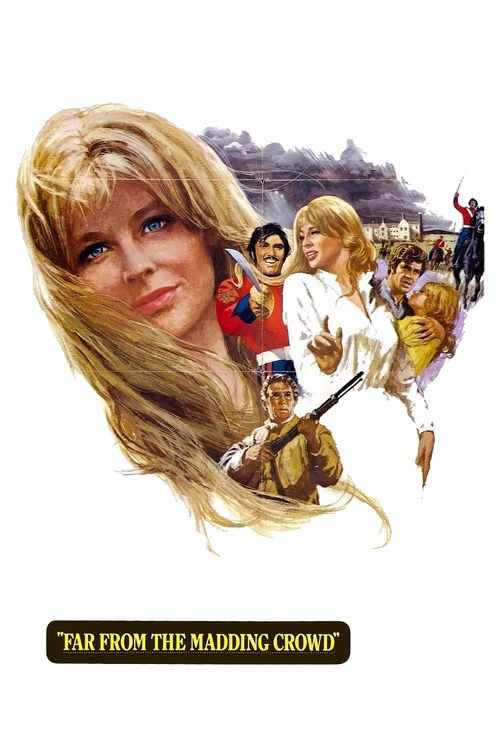
Far from the Madding Crowd1967
Schlesinger catches the same tension between impulse and responsibility in a woman who loves the wrong man, then must build a life from the wreckage. Bathsheba's journey mirrors Katrin's.
But The pacing is measured and literary. It assumes you're willing to sit with character rather than be entertained by plot momentum.
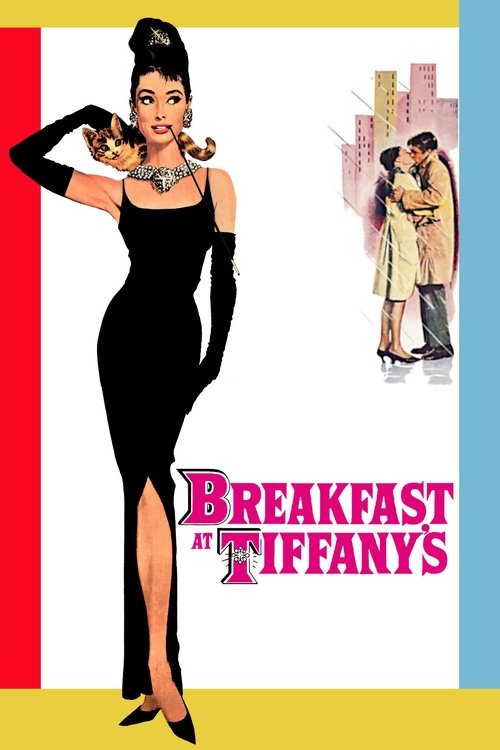
Breakfast at Tiffany's1961
Audrey Hepburn as a woman running from commitment and consequence, charming her way through moral compromise. It's lighter, but the skeleton is the same—flight, capture, forced reckoning.
But Tonally it's a romantic comedy, so the weight Garbo brings feels absent. The ending tries to have it both ways, which some find tidy and others find evasive.
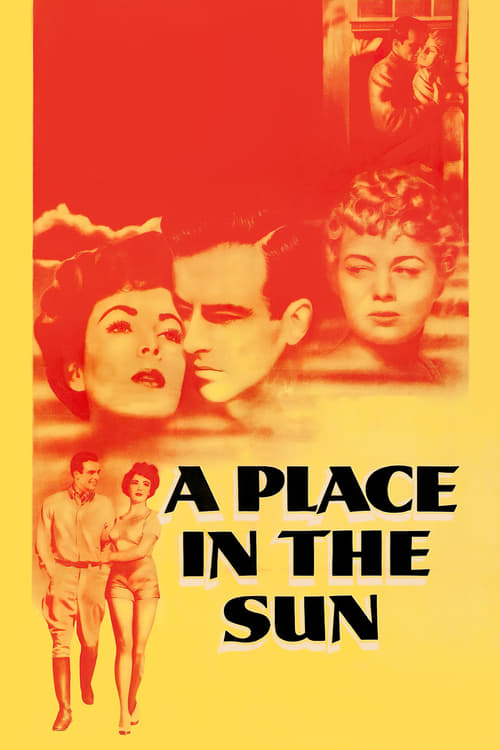
A Place in the Sun1951
Stevens' masterpiece about desire destroying a man, with Elizabeth Taylor as the woman who becomes a dream worth ruining himself for. It's *Veil* from the male perspective, with equal moral clarity.
But It's long, slow, and bleak. There's no moment of grace, no redemption—only the inexorable machinery of consequence grinding forward.
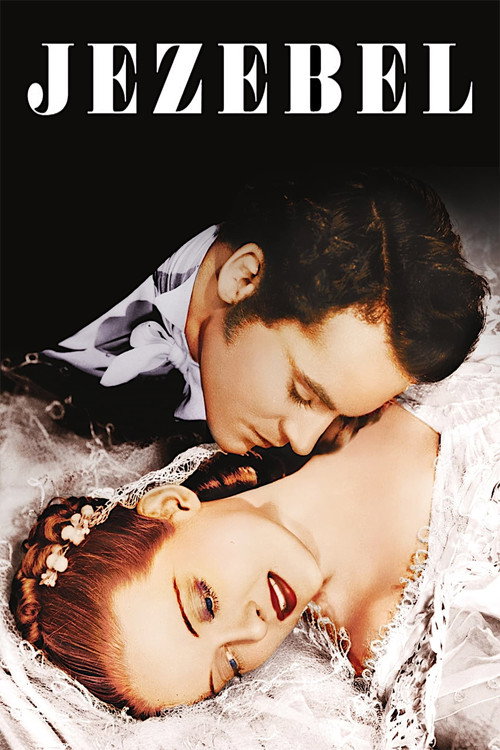
Jezebel1938
Bette Davis as a woman whose recklessness causes real harm, then forces her to atone. Wyler finds beauty in repentance without softening the weight of what was done. The moral architecture is Garbo's.
But Davis dominates every frame. If you prefer supporting players to have space to breathe, her intensity will feel overwhelming.
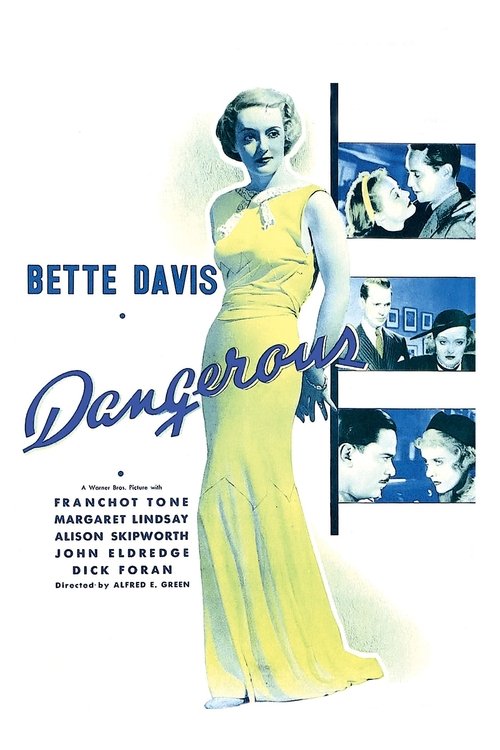
Dangerous1935
Davis again, this time as an actress whose selfishness destroys the men around her. It's pulpy where *Veil* is tragic, but the DNA is there—women who wreck things learning the price.
But It's melodrama without apology, and the plot twists can feel contrived. The film doesn't quite earn the weight it reaches for.
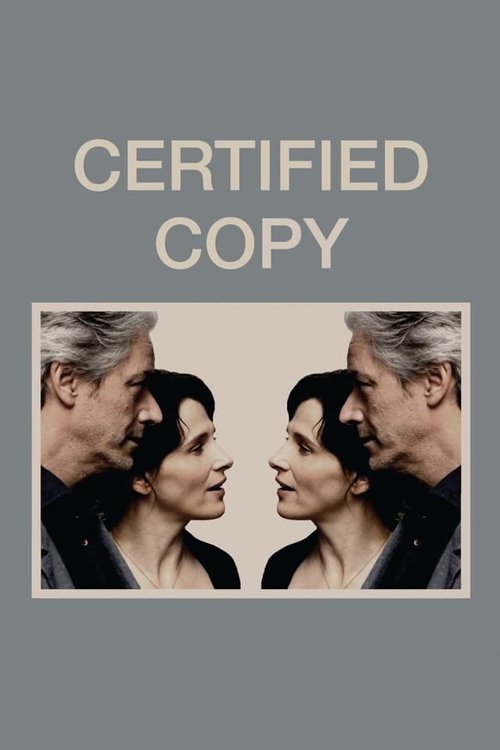
Certified Copy2010
Both are about marital dissolution and the performance of identity. *Veil* asks what happens after you've been caught in a lie. *Copy* asks whether the lie and the truth are even separable. One is tragedy, the other is metaphysical uncertainty.
Kiarostami takes two strangers in an Italian village and builds an entire architecture of performance, authenticity, and the lies we tell ourselves about love. Like *Veil*, it's about the gap between who we pretend to be and who we are, but it asks the question from the opposite angle—what if the performance becomes the truth?
But It's conceptual and abstract. The dialogue is philosophical rather than dramatic. Nothing conventional happens, and the emotional climax is a conversation.
Stalker1979
Both treat desire as a force that warps moral judgment and strips away pretence. Both suggest that running toward what you want is running toward catastrophe. Both are patient enough to let you feel the weight of that knowledge.
Tarkovsky sends three men through a mysterious zone toward a room that grants wishes, but the real film is about desire itself—what we think we want versus what we actually need, and the price of pursuing either. It has *Veil's* moral severity but finds it in science fiction instead of melodrama.
But It's 163 minutes of Russian cinema at its most philosophical and visual. There is almost no plot. Patience isn't optional—it's the entire point.

People
Cast
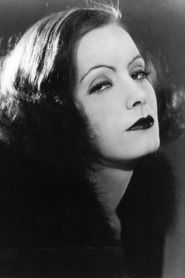 Greta GarboKatrin Koerber Fane
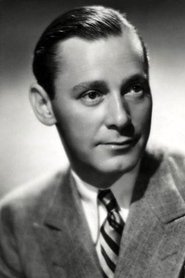 Herbert MarshallWalter Fane
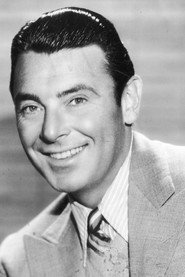 George BrentJack Townsend
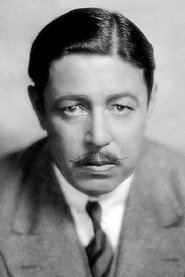 Warner OlandGeneral Yu
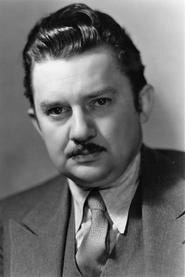 Jean HersholtHerr Koerber
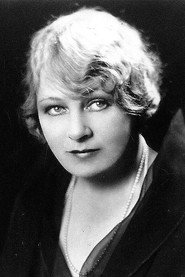 Bodil RosingFrau Koerber
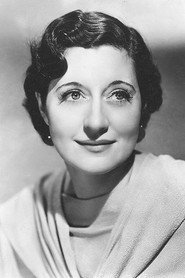 Katharine AlexanderMrs. Townsend
 Cecilia ParkerOlga
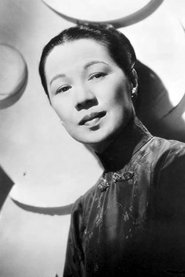 Soo YongAmah
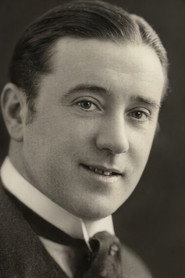 Forrester HarveyWaddington
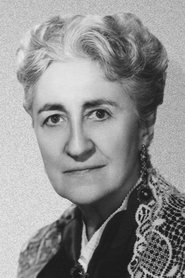 Ethel GriffiesLady Coldchester (uncredited)
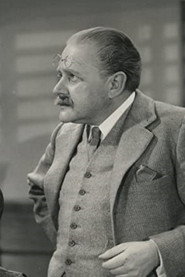 Olaf HyttenDr. Somerset (uncredited)
Directing
- Richard BoleslawskiDirector
Writing
- W. Somerset MaughamNovel
- Edith FitzgeraldScreenplay
- John MeehanScreenplay
- Salka ViertelScreenplay
Production
- Hunt StrombergProducer