
Film
Dangerous
Bette Davis won her first Oscar for this 1935 melodrama about a washed-up actress pulled from the gutter by a wealthy man who sees her potential—and falls dangerously in love. It's gorgeously shot, morally murky, and Davis is magnetic: capable of tenderness and terrible selfishness in the same scene. A portrait of talent, ambition, and the wreckage they can leave behind.
Should you watch it?
Watch it if you love old-Hollywood melodrama built on one fierce performance, where a wounded, theatrical woman's pride and self-destruction carry every scene.
Skip it if you need polished, modern pacing or a plot that keeps surprising you; the 1930s stagecraft and talky, sentimental romance may feel creaky.
What it asks of you: Seventy-nine minutes of mostly talky rooms and heavy emotion, played straight rather than winking at its own melodrama, so it wants your full attention.
Not sure? Find tonight's pick in a minute.
If you liked this
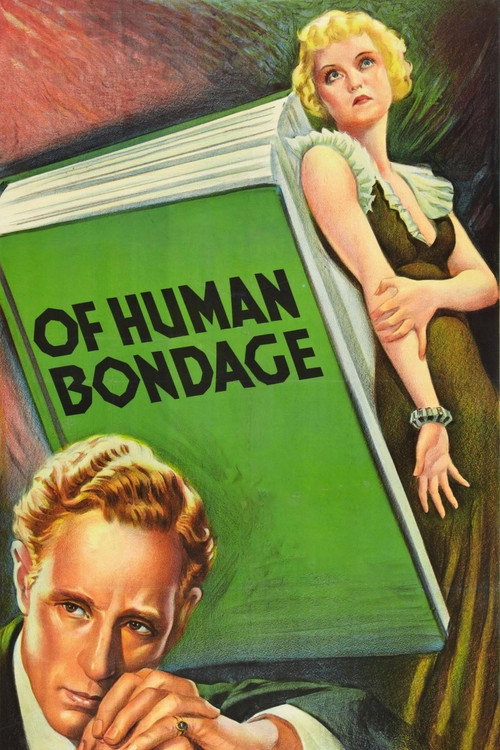
Of Human Bondage1934
Davis is equally mesmerizing as a cruel, magnetic woman who destroys a good man. The dynamic—passion as toxin, beauty as weapon—echoes throughout her career. Leslie Howard is the passive counterweight to her scorching intensity.
But It's bleak and does not offer the catharsis of comeuppance. The ending assumes you're comfortable with tragedy that feels earned rather than resolved.
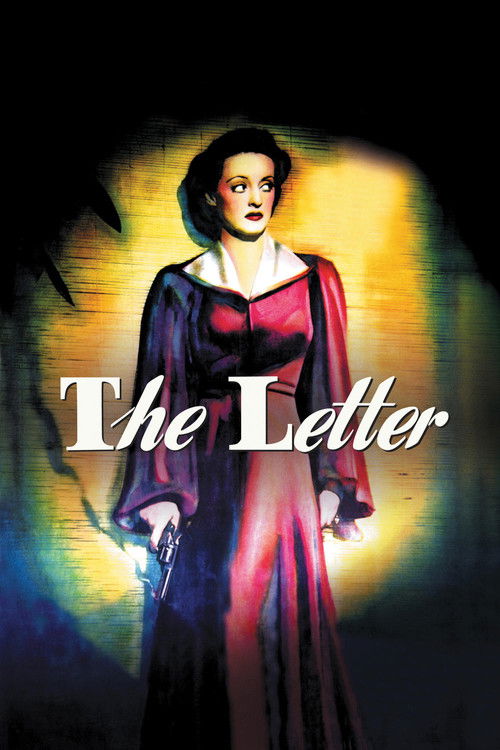
The Letter1940
Davis at her most controlled and dangerous, playing a woman who commits murder and then must live with the consequences. William Wyler's direction is surgical. The moral complexity deepens every viewing.
But It's a slow burn, not a rush. The power is in what's unspoken, which requires patience and attention.
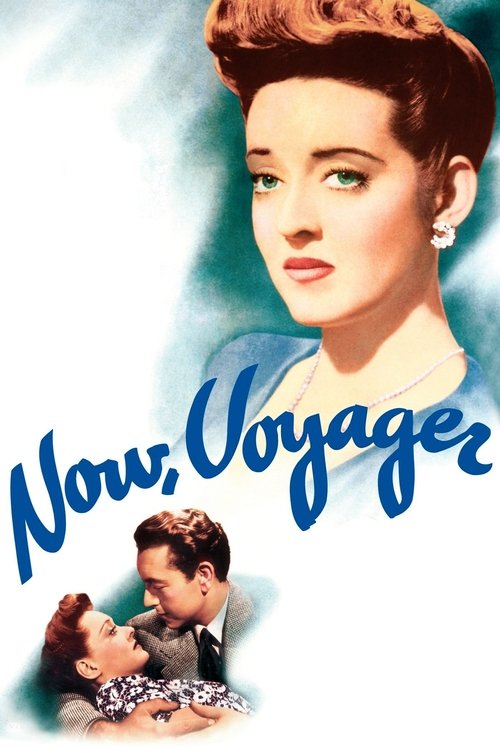
Now, Voyager1942
Davis plays another woman in thrall to a charismatic man, but this time she's the one doing the transforming—of herself. It's romance and female agency in the same breath. Claude Rains is magnificent as the sphinx who changes everything.
But The second half pivots toward melodrama and sentiment after a tough first act. It can feel dated if you're allergic to 1940s romanticism.
Not sure tonight? Get a pick in a minute, starting from Dangerous
The wildcard
Something you would not have found on your own.
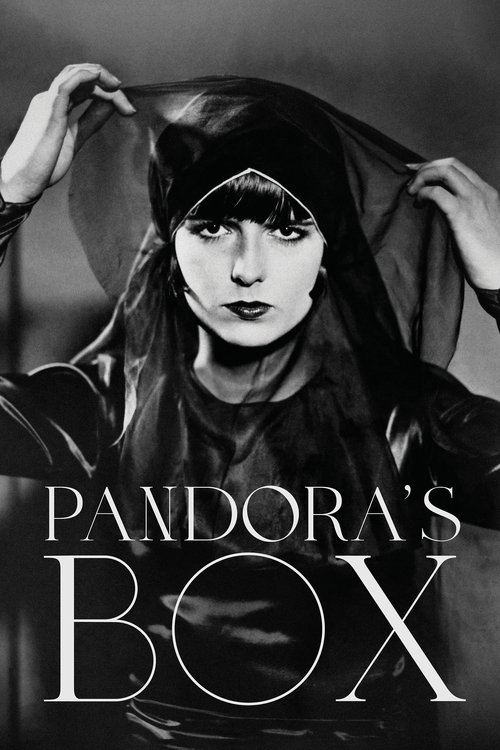
Pandora's Box1929
Both explore how a woman's beauty and ambition function as weapons—and how that power can be both intoxicating and self-annihilating. Lulu is Joyce Heath without the guilt.
Louise Brooks as Lulu, a woman whose erotic magnetism and amorality destroy everyone around her. It predates *Dangerous* by six years and is its spiritual ancestor—more anarchic, more visual, more honest about sex and power. Pabst's direction is hypnotic.
But It's silent film, which means no dialogue to carry you. The print quality varies wildly depending on what you watch. The themes are sexually frank by 1929 standards, which can read as both ahead of and trapped in its era.
More like this (8)
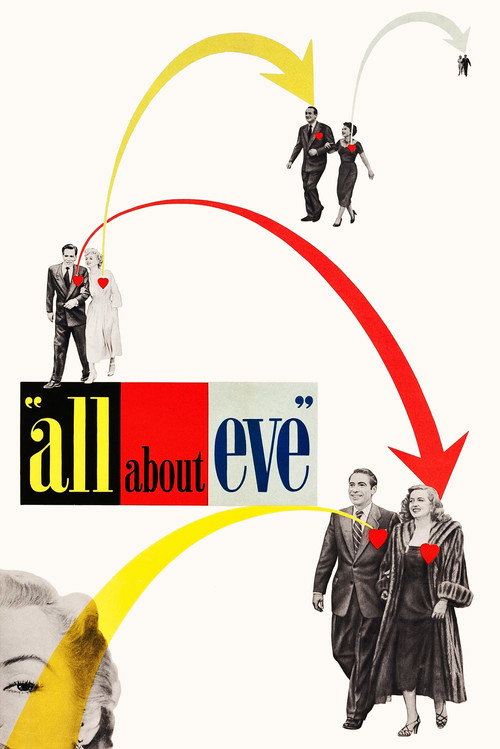
All About Eve1950
Davis is a Broadway star whose protégée turns predator. It's the ultimate film about ambition, performance, and the cost of staying on top. Every line crackles. Every performance is a masterclass.
But It's theatrical in a way that can feel mannered if you're not in the mood. Also, it's so quotable that you might spend the whole time thinking of famous lines instead of experiencing the film.
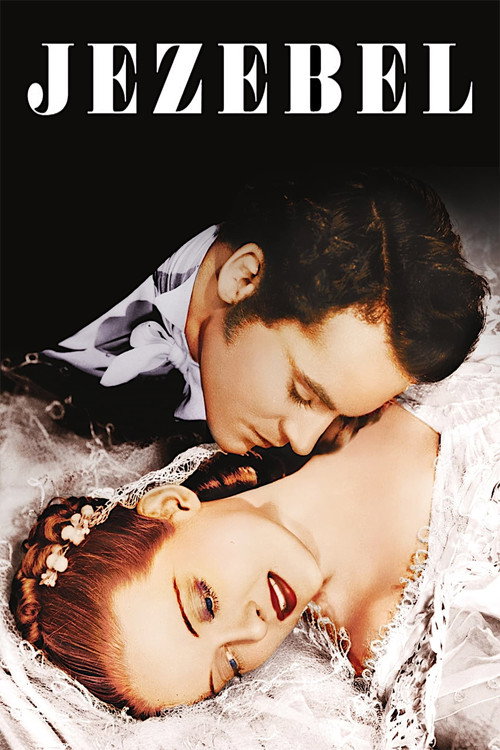
Jezebel1938
Davis plays a Southern belle who manipulates everyone around her and brings catastrophe down on her own head. It's *Dangerous* with a different accent and a clearer moral reckoning. The Yellow Fever subplot hits hard.
But The racial politics are very much of 1938—neither progressive nor subtle. The Southern Gothic melodrama will feel overwrought if you're not a fan of the genre.
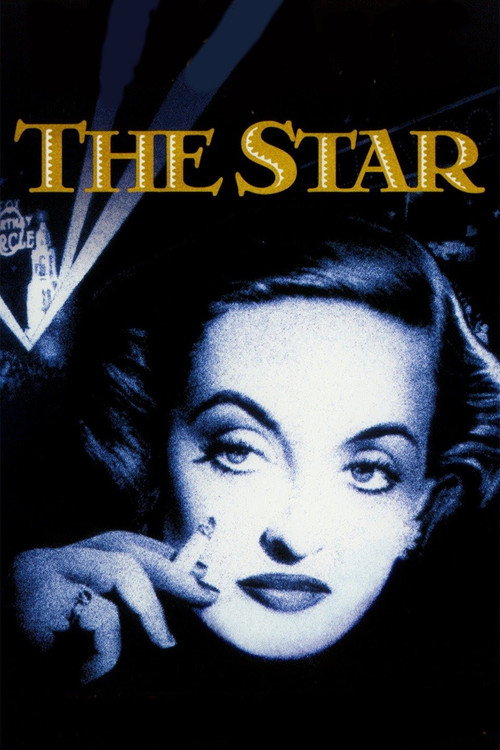
The Star1952
A late-career Davis vehicle about a washed-up actress clawing for relevance. It's rawer and sadder than *Dangerous*, and Davis's willingness to be unglamorous is brutal. Sterling Hayden grounds her chaos.
But It's deeply depressing and offers no redemption. Davis's character is difficult, needy, and ultimately alone. Not a comfort watch.
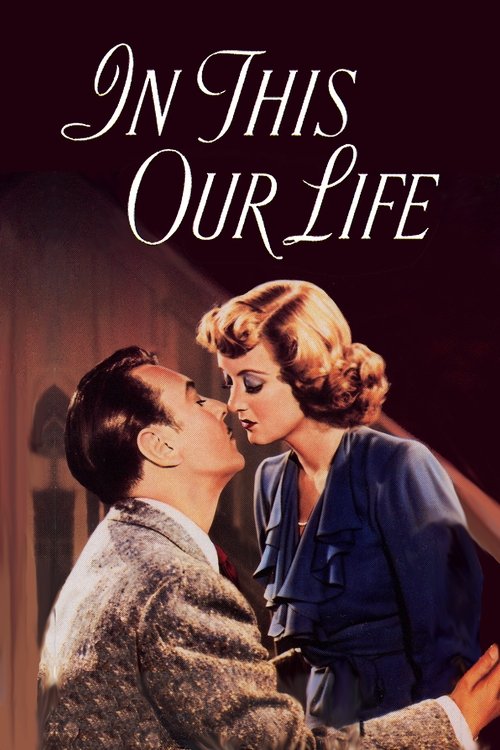
In This Our Life1942
Davis as a selfish woman who destroys her sister's marriage and life. It's *Dangerous*'s spiritual cousin—ambition and desire as corrosive forces. John Huston directed, so the direction is sharp even if the material is pulpy.
But The plot can feel overwrought, even for melodrama. The racial subplot, intended as progressive, now feels tokenistic and awkward.
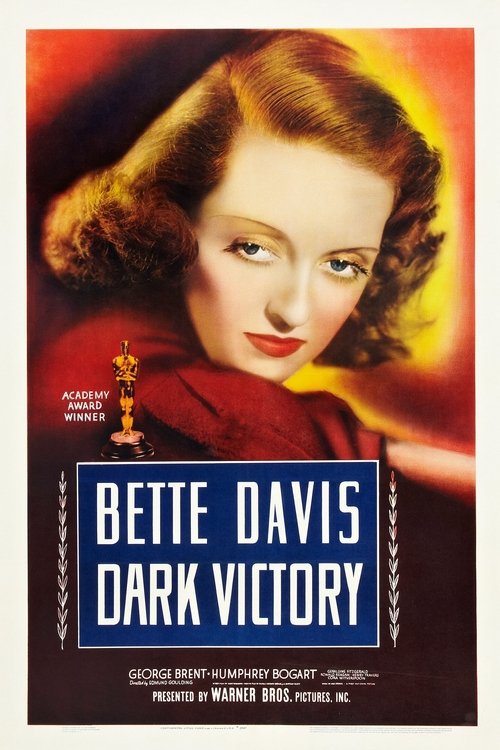
Dark Victory1939
Davis plays a socialite dying of a brain tumor who finds meaning through love and sacrifice. It's the inverse of *Dangerous*: a woman learning to think beyond herself. Humphrey Bogart and George Brent both burn up the screen.
But The sentiment can tip into saccharine. If you can't abide a woman dying beautifully for love, this isn't your film.
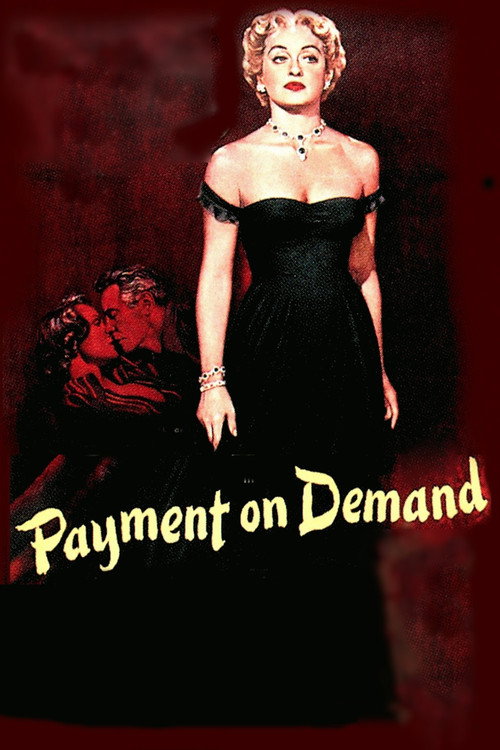
Payment on Demand1951
Davis and Barry Sullivan as a divorcing couple. It examines marriage and ambition with real complexity. Davis is every age at once—girl, woman, wife, ghost of herself. It's smaller and sadder than you'd expect.
But It's genuinely unglamorous and the ending is not happy. Also, the supporting cast is forgettable, which diffuses some of the power.
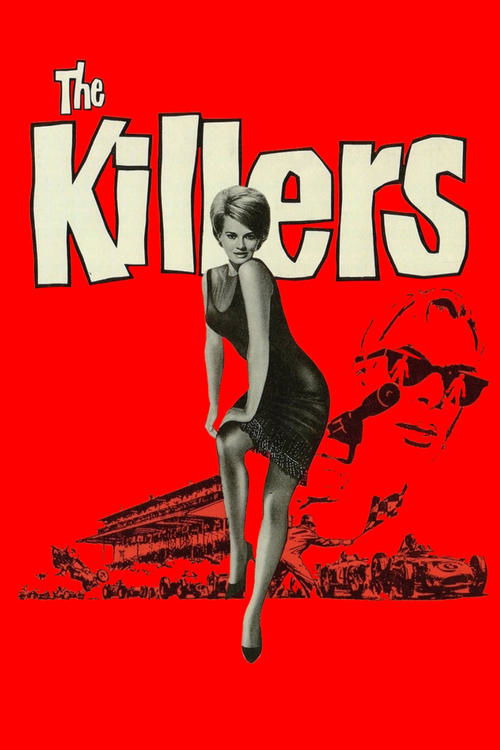
The Killers1964
Both examine how a single person's selfishness and magnetism can destroy multiple lives. But where *Dangerous* is interior, *The Killers* is external—the camera watches from outside as everything burns.
Siegel's brutal masterpiece with Lee Marvin and John Cassavetes as hitmen pursuing a woman who set them up. It's about the wreckage left behind by one seductive act of betrayal. The violence is sudden and unflinching. Everything matters.
But It's violent, especially for 1964. The rape scene is a genuine trigger. It moves fast and doesn't pause to let you feel comfortable. Nothing soft about it.
Autumn Sonata1978
Like Joyce Heath, Bergman's pianist is a woman whose talent has become a wall, not a bridge. But this is about the mother looking back at the damage, not the woman in the moment of destruction. It's what happens when the destroyed becomes the destroyer—and then grows old with it.
Ingrid Bergman and Liv Ullmann as mother and daughter. Two women, two kinds of ambition, two kinds of damage. Bergman, in one of her final films, is a concert pianist whose talent and coldness have poisoned her relationship with her daughter. Bergman's performance is surgical and devastating.
But It's a Bergman chamber piece—long takes, minimal plot, dialogue that goes in circles. If you want narrative momentum, you won't find it. The emotional intensity is relentless and can feel suffocating.

People
Cast
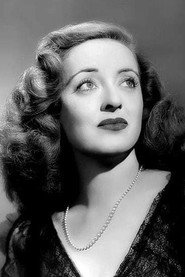 Bette DavisJoyce Heath
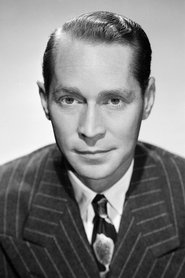 Franchot ToneDon Bellows
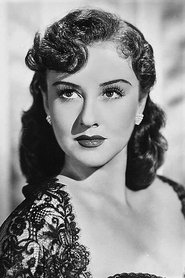 Margaret LindsayGail Armitage
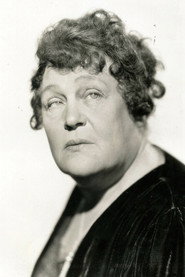 Alison SkipworthMrs. Williams
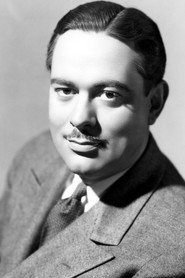 John EldredgeGordon Heath
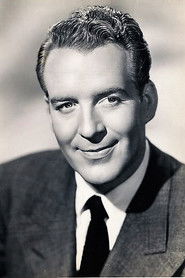 Dick ForanTeddy
- Walter WalkerRoger Farnsworth
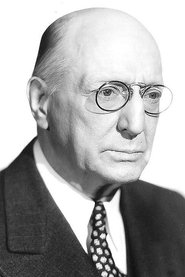 Richard CarlePitt Hanley
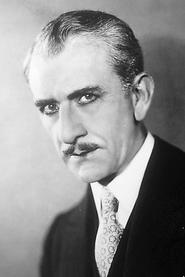 George IrvingCharles Melton
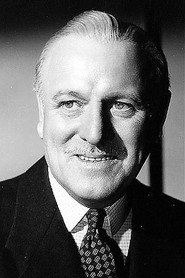 Pierre WatkinGeorge Sheffield
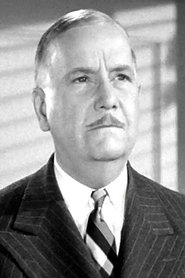 Douglas WoodElmont
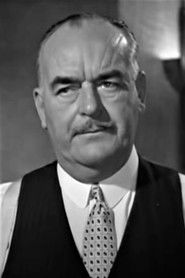 William B. DavidsonReed Walsh
Directing
- Russell SaundersAssistant Director
- Alfred E. GreenDirector
Writing
- Laird DoyleAuthor
- Laird DoyleScreenplay
- Laird DoyleStory
Production
- Hal B. WallisExecutive Producer
- Jack L. WarnerExecutive Producer
Recommended by
Old Acquaintance, Jezebel, The Bad Sister, Torch Singer, In This Our Life, The Painted Veil, Becky Sharp, Merrily We Go to Hell