
Film
Torch Singer
A 1933 melodrama about a woman who surrenders her child to adoption, then builds a career as a torch singer only to spend years searching for the daughter she lost. It's a vehicle for Claudette Colbert's dramatic range and the jazz-age nightclub atmosphere, pitched at audiences who loved big feelings and bigger sacrifices. A genuine emotional workout dressed in evening gowns.
If you liked this
Stella Dallas1937
Another mother forced to give up her child for the child's own good, and the decades of longing that follow. Colbert would have recognized this terrain; it's the emotional core she understood. A soap opera that earns every tear.
But The pacing drags by modern standards, and the class politics feel suffocating now rather than tragic. Patience required.

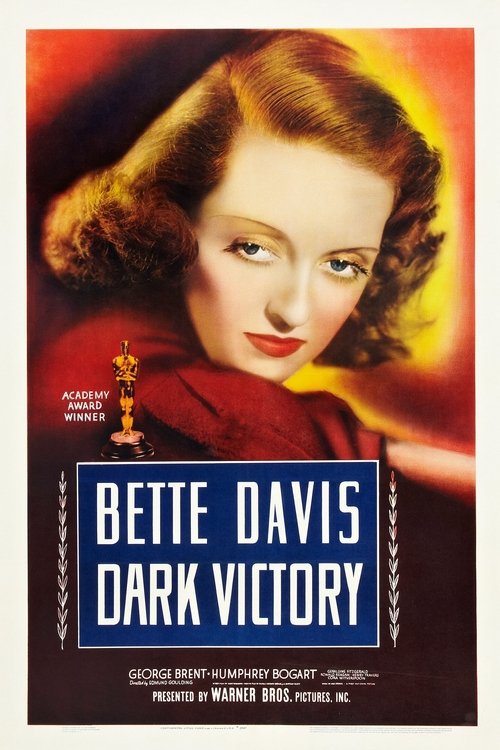
Dark Victory1939
Bette Davis as a woman watching her life narrow as illness takes hold, finding meaning in love and sacrifice rather than survival. Same register of melodrama, same willingness to break your heart without apology.
But The fatalism and the gender politics will frustrate modern viewers. It's built to make you cry, not to challenge you.
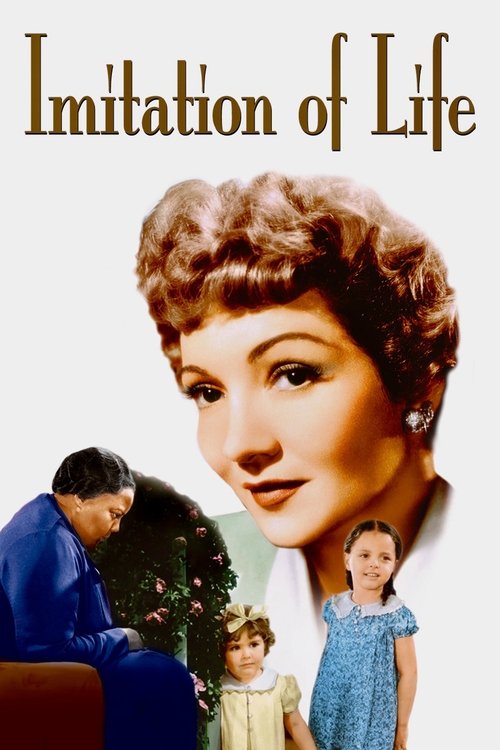
Imitation of Life1934
A woman's impossible choice between ambition and motherhood, between the public self and the private one. Colbert appears here too; same themes, slightly more generous treatment of the sacrifice.
But It's a studio film built to manipulate emotion. If you can smell the machinery, you'll resent it.
Not sure tonight? Get a pick in a minute, starting from Torch Singer
The wildcard
Something you would not have found on your own.
Pandora's Box1929
Both are about women performing in nightclubs and the gap between public persona and private devastation, but Pandora's Box refuses the moral redemption that Torch Singer demands. One absolves; one damns.
Louise Brooks as Lulu, a woman who destroys everyone she touches, including herself—but she owns it, refuses redemption, and walks through the film like a force of nature. This is what Torch Singer could have been if its heroine had less conscience and more rage.
But It's a silent German Expressionist masterpiece from 1929, which means glacial pacing, heavy symbolism, and an ending that's bleak as winter. Brooks' performance can feel glacial too until it suddenly doesn't.

More like this (8)
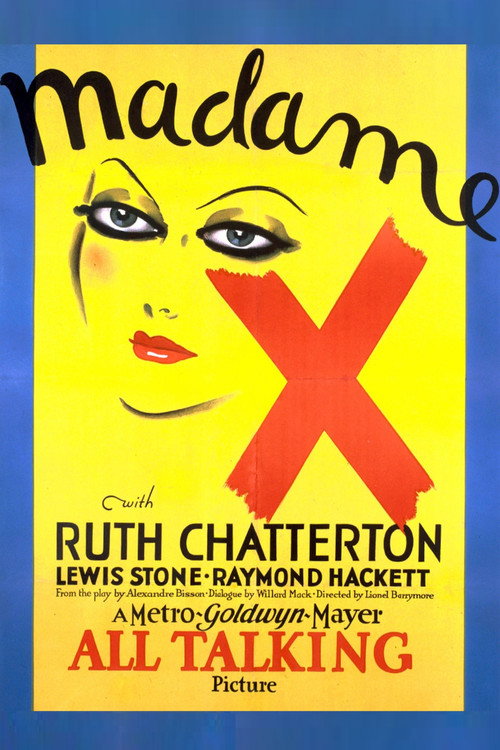
Madame X1929
Ruth Chatterton as a woman abandoned by society and circumstance, rebuilding herself while her past hunts her. Wealthy melodrama about the cost of secrets and the price of survival.
But Pre-Code pacing is glacial. Some scenes repeat their emotional beats until you want to scream.
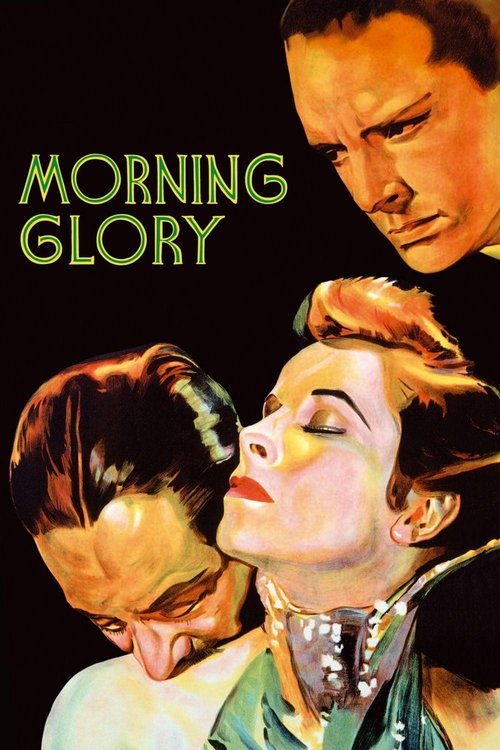
Morning Glory1933
Katharine Hepburn as an aspiring actress willing to sacrifice everything for her art. Released the same year as Torch Singer, it captures that Depression-era hunger for fame and the desperation beneath it.
But Hepburn's performance is mannered and strange. If she doesn't get under your skin, nothing here will.
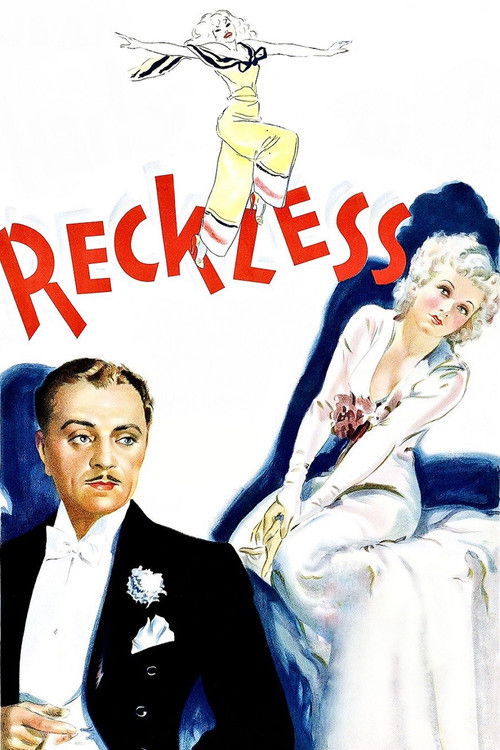
Reckless1935
Jean Harlow as a stage performer whose personal destruction mirrors her professional ambition. It touches the same nexus of nightclub glamour, doomed romance, and self-immolation.
But The film is a mess, shot in pieces and reassembled. Harlow's charisma carries it, but only just.
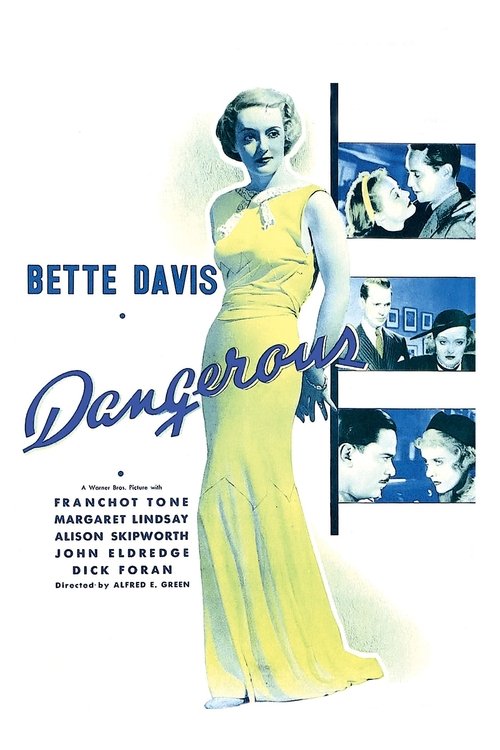
Dangerous1935
Bette Davis as an actress with a gift for destroying everyone around her, including herself. The same nightclub-adjacent world, but from the perspective of someone who chooses poison over penance.
But Davis can feel theatrical even by 1930s standards. Some will find her mannered; others will love exactly that.
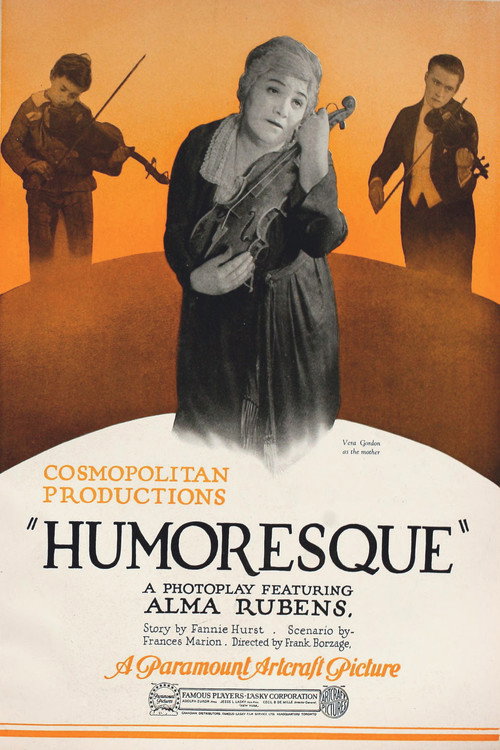
Humoresque1920
An older silent about artistic ambition and the wealthy patrons who both enable and destroy artists. It has the bones of Torch Singer's preoccupation without the sound design.
But It's silent film from a century ago. The emotional register is foreign to modern viewers; you have to meet it halfway.
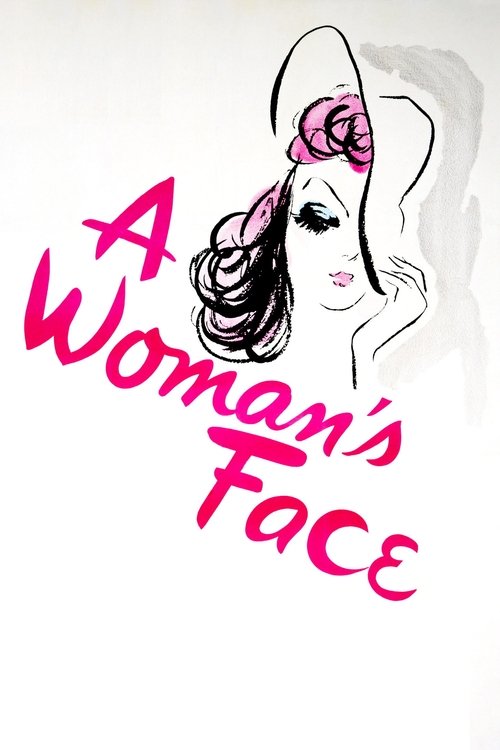
A Woman's Face1941
Joan Crawford as a woman transformed by circumstances and love, forced to reckon with who she's been and who she can become. A slightly tougher take on the same sacrificial heroine.
But It's a thriller wrapped in melodrama, and the genre-mixing doesn't always hold. The ending especially divides audiences.
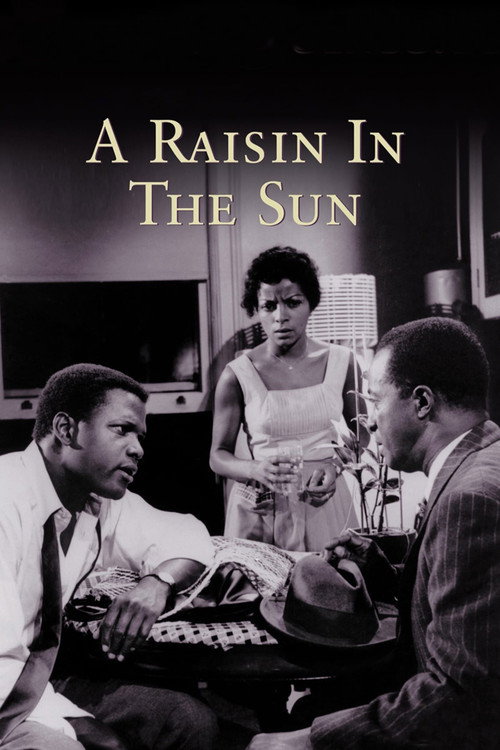
A Raisin in the Sun1961
Both center on a woman's sacrifice and her children, but A Raisin in the Sun reframes sacrifice not as noble but as inevitable and tragic. It's what Torch Singer would look like if it asked harder questions about why women are forced to choose.
A play filmed about a Black family in Chicago negotiating dignity, ambition, and the cost of dreams in a system designed to crush them. It has the same emotional weight and moral seriousness, but roots it in systemic reality rather than personal sacrifice alone.
But It's didactic and occasionally stagey. Some characters exist to make points rather than breathe. And it's fundamentally about a different America than Torch Singer's fantasy version.
Letter from an Unknown Woman1948
Both are obsessed with female longing and the private self hidden behind the public one, but Letter from an Unknown Woman is about the romance of self-erasure, while Torch Singer tries to critique it. Both leave you devastated, but in opposite directions.
Max Ophüls' masterpiece about a woman who loves a man unrequitedly, builds her entire life around him, and dies having never been truly known by him. Melodrama elevated to art through style and camera movement, but the heart is pure ache.
But It's austere and formally brilliant in ways that can feel cold. If you don't respond to Ophüls' aesthetic, you'll feel like you're watching a beautiful machine rather than a story.

People
Cast
 Claudette ColbertSally Trent, aka Mimi Benton
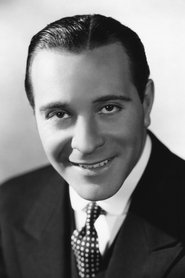 Ricardo CortezTony Cummings
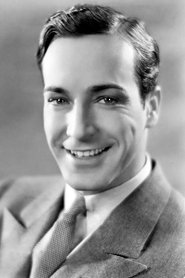 David MannersMichael 'Mike' Gardner
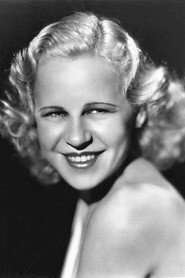 Lyda RobertiDora Nichols
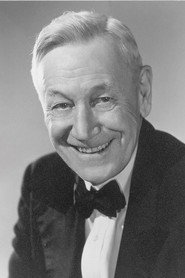 Charley GrapewinAndrew 'Juddy' Judson
- Sam GodfreyHarry, Radio Announcer
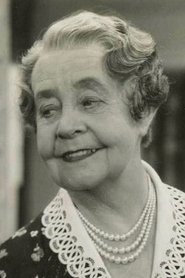 Florence RobertsMother Angelica
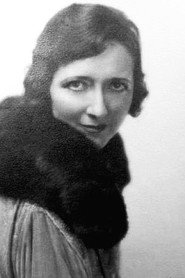 Virginia HammondMrs. Julia Judson
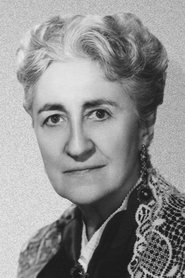 Ethel GriffiesAgatha Alden
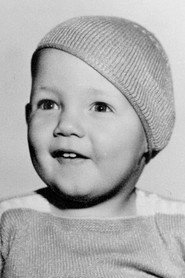 Baby LeRoyBobby, Dora's Baby at 1 Year
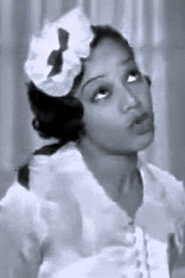 Mildred WashingtonCarrie
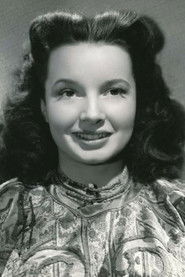 Cora Sue CollinsSally, Age 5
Directing
- Alexander HallDirector
- George SomnesDirector
Writing
- Lenore J. CoffeeScreenplay
- Lynn StarlingScreenplay
- Grace PerkinsStory
Production
- Fred SchuesslerCasting
- Dick StocktonCasting Assistant
- Albert LewisProducer