
Film
Humoresque
Other titles called Humoresque: the 1947 film.
A 1920 silent drama about a violinist's rise from poverty to acclaim, and the price that success extracts. Vera Gordon's performance as an immigrant mother anchors this story of ambition, obligation, and the tension between artistic dreams and family duty. Beautifully shot, genuinely moving, and never saccharine despite its sentimental premise.
If you liked this
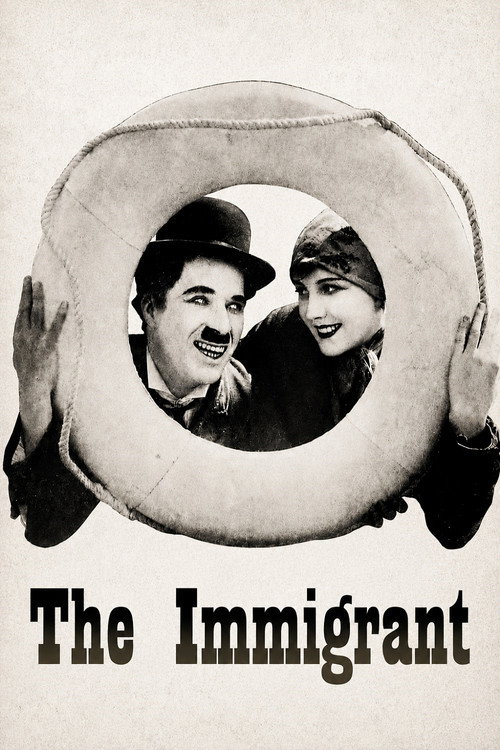
The Immigrant1917
Chaplin's masterpiece of the same era, exploring poverty, aspiration and grace with humour and heartbreak. A perfect companion piece: both see immigrant struggle as comedy and tragedy at once.
But Requires patience with silent film's pace and conventions. The sentimentality may feel dated if you're not attuned to that wavelength.
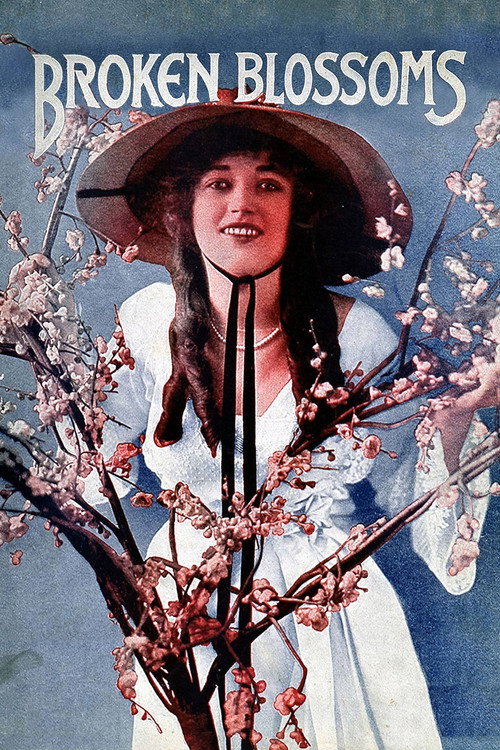
Broken Blossoms or The Yellow Man and the Girl1919
D.W. Griffith's tender, visually exquisite drama of love across class lines. The same era, same emotional register, and similarly gutting about what society demands of its outcasts.
But The pacing is glacial by modern standards. Griffith's other work has aged very badly; this one didn't, but the medium itself requires adjustment.
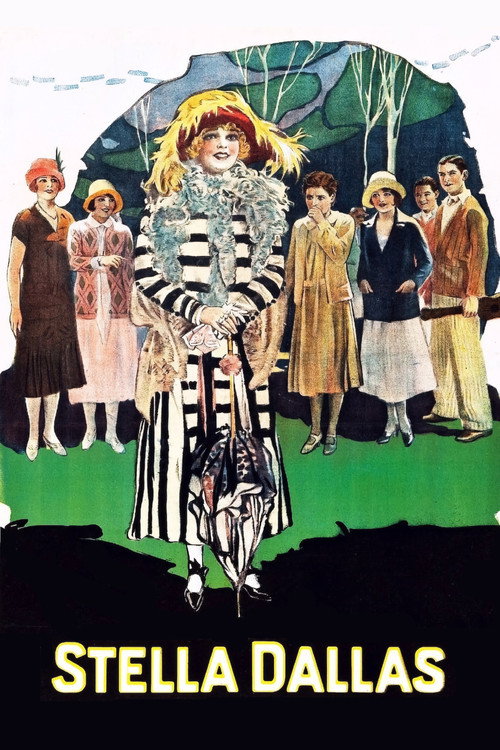
Stella Dallas1925
A mother's sacrifice for her child's future, shot through with class anxiety and unflinching about maternal love's costs. Barbara Stanwyck's later version is famous, but this silent version cuts deeper.
But The ending is devastating in ways that don't resolve. If you need catharsis, this withholds it deliberately.
Not sure tonight? Get a pick in a minute, starting from Humoresque
The wildcard
Something you would not have found on your own.
The Phantom Carriage1921
Both are about the weight of obligation and family duty, but where Humoresque is realist, this uses expressionist horror and the supernatural to externalize the same psychological pressure. Both suggest there is no escape, only acceptance.
Sjöström's Swedish masterpiece uses supernatural metaphor to explore guilt, redemption and second chances. A visionary film about how the past haunts the present, using visual language that feels utterly modern.
But The ghost conceit requires genuine emotional investment to work; if you resist the premise, the film collapses. It's also quite slow, and the resolution depends on a kind of spiritual faith.

More like this (8)
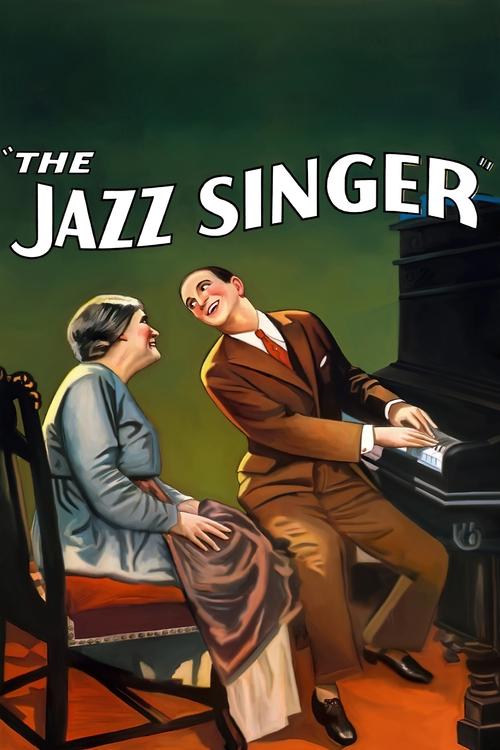
The Jazz Singer1927
Also tracks an artist's collision between tradition and ambition, between family expectation and personal drive. Sees the same contradictions in immigrant life through a different art form.
But The blackface sequences are indefensible and jarring. It's historically important but morally complicated in ways that don't smooth out.
Sunrise: A Song of Two Humans1927
Murnau's visual poetry about ordinary people under pressure. Shares Humoresque's interest in how society shapes desire and obligation, but through matrimonial rather than filial bonds.
But The plot is simpler than its themes; some find it slow. The film's beauty can feel distant if you're looking for plot momentum.

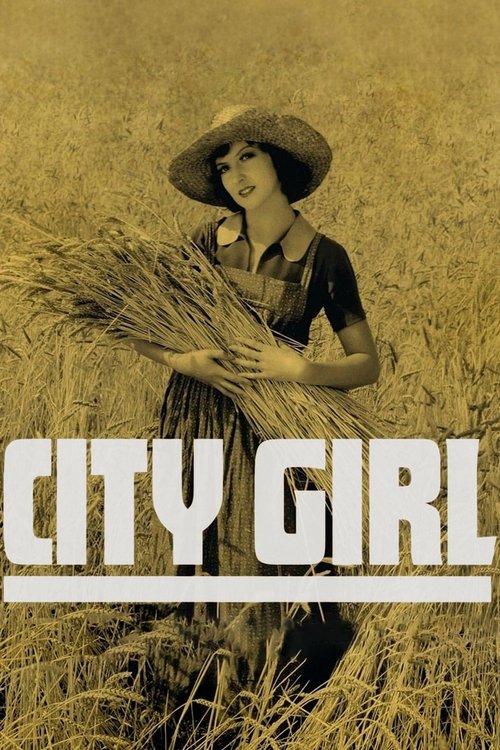
City Girl1930
Another German expressionist take on American immigrant life, with Murnau's eye for composition. Gritty and unsentimental about rural poverty and urban aspiration.
But It's one of cinema's lost films—what survives is incomplete and damaged. The restoration is admirable but imperfect.
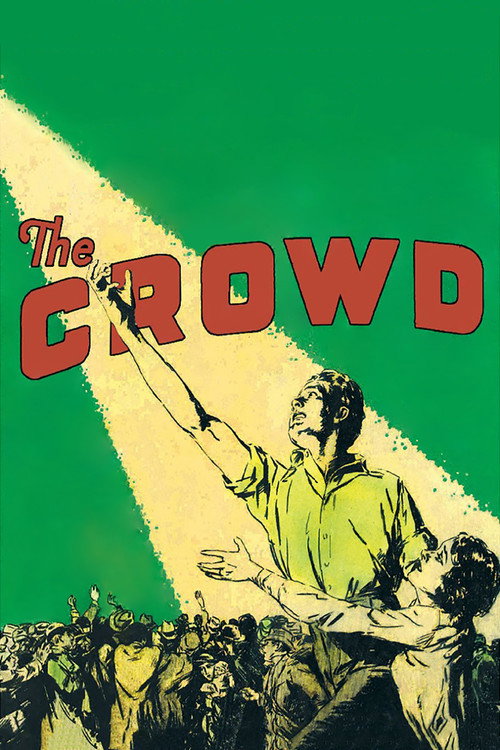
The Crowd1928
Vidor's unsentimental portrait of ambition and ordinariness in American life. Like Humoresque, it asks what success actually costs and whether it delivers what we thought we wanted.
But Relentlessly bleak. The film's refusal to provide comfort or resolution can feel punishing rather than cathartic.
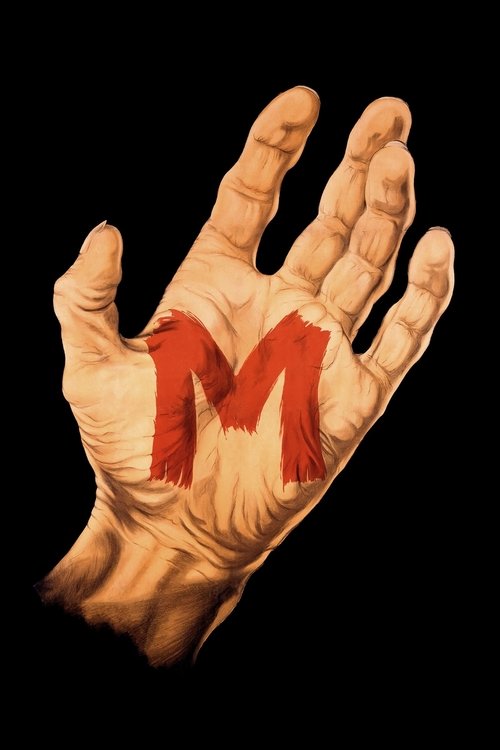
M1931
Lang's first talkie, but using sound as restraint rather than release—silent in spirit. Also explores how society shapes and condemns its own children, through a darker lens.
But It's a thriller about a child murderer. The subject matter is harrowing and the film doesn't look away. Not a comfortable evening.
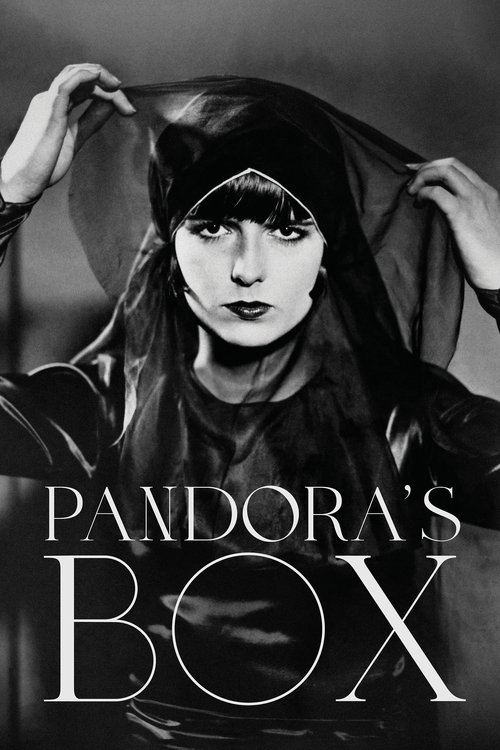
Pandora's Box1929
Pabst's expressionist study of desire destroying lives across class lines. Shares Humoresque's interest in how art and ambition collide with social reality.
But Very dark, very adult in its attitudes toward sex and power. If you're seeking uplifting, this is the wrong film.
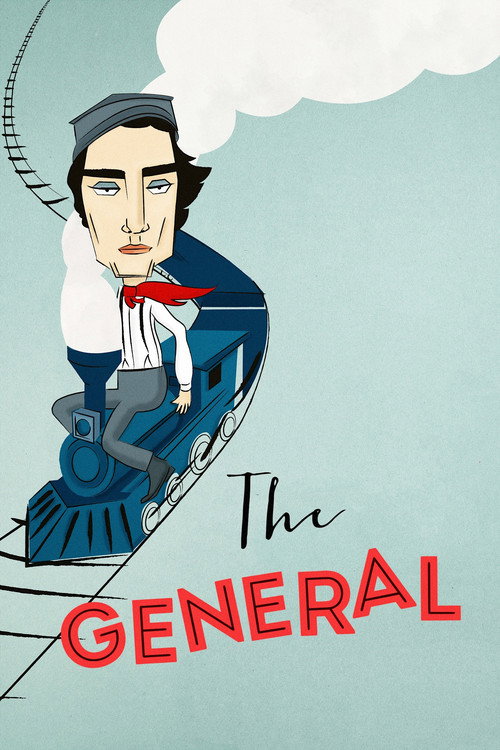
The General1926
Both follow a protagonist trapped between competing loyalties—artistic vision versus family, personal desire versus social expectation. Both use their medium's visual language to show internal conflict as external action. Both suggest the real drama is in what you cannot have.
Keaton's only narrative feature film—a brilliantly choreographed comedy about loyalty, stubbornness and the refusal to compromise. Wildly entertaining, technically perfect, and about something unexpectedly serious.
But It's a comedy about the Civil War from the Confederate side, which creates tonal complications. Also, silent comedy's physical language is specific; some find it difficult to read.
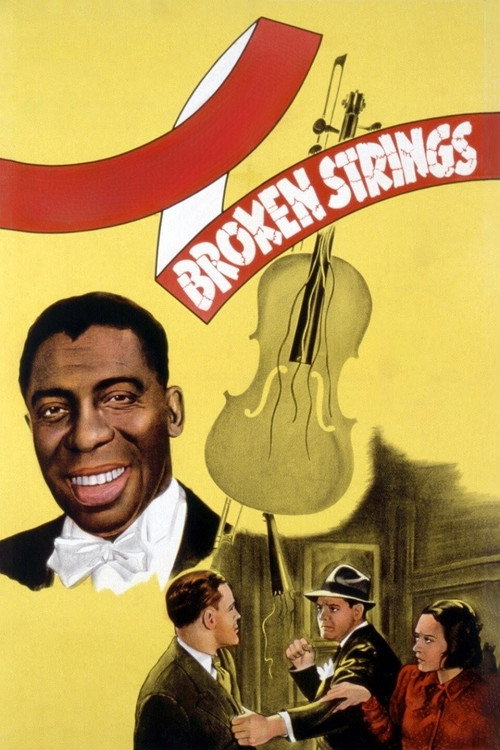
Broken Strings1940
Both center on a violinist and the sacrifice required by art and ambition. Both pit family loyalty against personal aspiration. But this one is made by and for Black audiences, and its answer to the question 'what does success cost?' carries entirely different weight. It's the same story told from a perspective Humoresque never could acknowledge existed.
A sound-era drama about a Black concert violinist whose hands are injured, forcing him to choose between pride and survival. It's a direct thematic echo of Humoresque but from the opposite side of American life, asking the same question differently.
But It's a B-picture, made fast and cheaply, with uneven performances. The production values are rough. It's also a nearly lost film that survives in poor prints, which affects viewing experience.
People
Cast
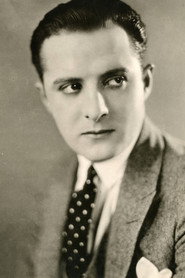 Gaston GlassLeon Kantor (adult)
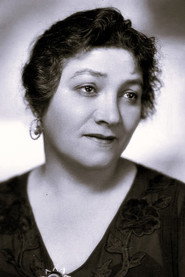 Vera GordonMama Kantor
 Alma RubensGina Berg (formerly Minnie Ginsberg)
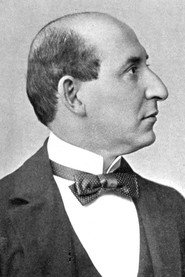 Dore DavidsonAbraham Kantor
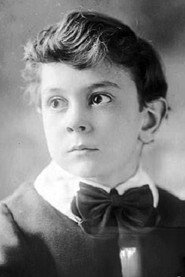 Bobby ConnellyLeon Kantor (child)
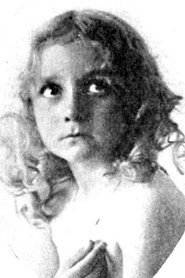 Helen ConnellyEsther Kantor (child)
- Ann WallackEsther Kantor (adult) (as Ann Wallick)
- Sidney CarlyleMannie Kantor
- Joseph CooperIsadore Kantor (child)
- Maurice LevigneIsadore Kantor (adult)
- Alfred GoldbergRudolph Kantor (child)
- Edward StantonRudolph Kator (adult)
Directing
- Frank BorzageDirector
Writing
- Fannie HurstShort Story
- Frances MarionWriter
- William LeBaronWriter
Production
- William Randolph HearstProducer