
Film
The Immigrant
Other titles called The Immigrant: the 2013 film.
Chaplin's 1917 masterpiece distills immigration, poverty, and longing into 24 exquisite minutes. A bewildered immigrant stumbles from ship to city, colliding with indignity at every turn before finding unexpected grace. It's Chaplin at peak invention—physically inventive, achingly tender, funny without sentimentality. For anyone who loves silent comedy or wants to understand why Chaplin mattered.
Should you watch it?
Watch it if you love silent-era slapstick built on precise physical timing, where a hungry, scrappy underdog wins your affection with small gestures and a grin.
Skip it if you need constant sound, modern pacing, or a plot that builds momentum, since this short moves in small comic bursts and leans on sentiment that can feel dated.
What it asks of you: Roughly twenty-four minutes, so a single short sitting; the pleasure lies in watching silent gestures land and in a sweet, rough-edged story.
Not sure? Find tonight's pick in a minute.
If you liked this
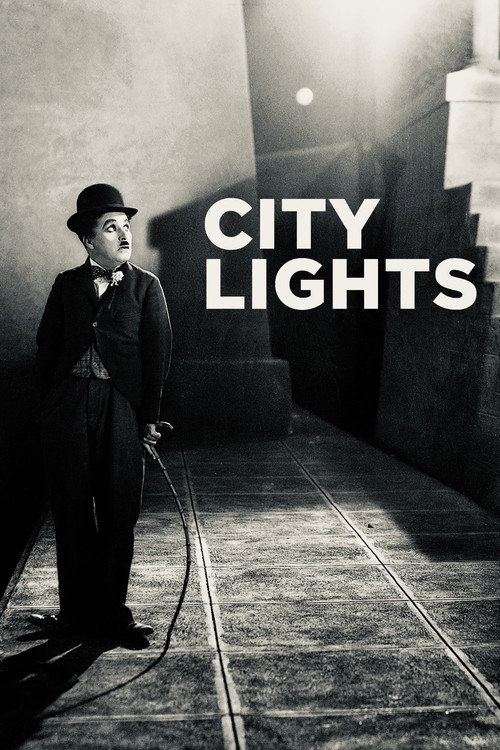
City Lights1931
Chaplin's final silent film, equally perfect: the Tramp courts a blind flower girl while dodging authority. It has the same emotional precision and physical comedy as The Immigrant, but with four more years of craft behind it.
But It's 87 minutes, not a brisk 24. Some find the sentimentality heavy-handed compared to earlier work.
Modern Times1936
Chaplin's last pure Tramp film, about a factory worker ground down by industrial machinery. Same urgent social feeling as The Immigrant, but with sound and a harder edge—it's angrier.
But It talks, which changes the syntax of everything. Some see it as Chaplin getting preachy.

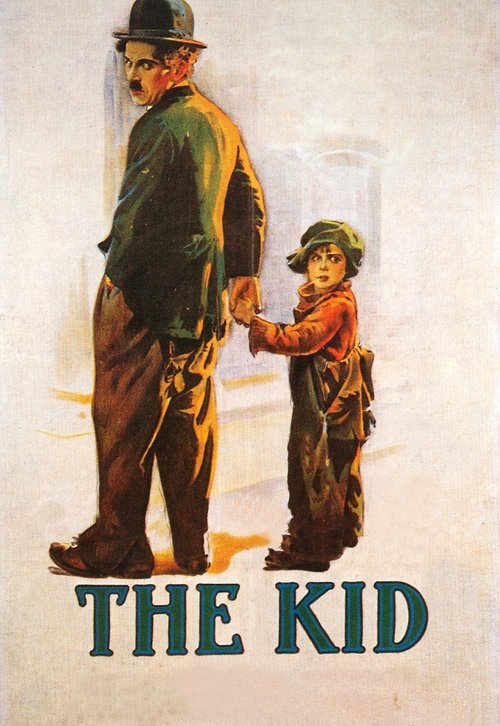
The Kid1921
Chaplin's first feature, a masterwork about a tramp who finds an abandoned baby. It has everything: comedy that stings, real tenderness, a heart you don't see coming. It's The Immigrant stretched to feature length and deepened.
But Six reels is a different pace. Modern audiences sometimes find the melodrama dates it more than the 1917 film does.
Not sure tonight? Get a pick in a minute, starting from The Immigrant
The wildcard
Something you would not have found on your own.
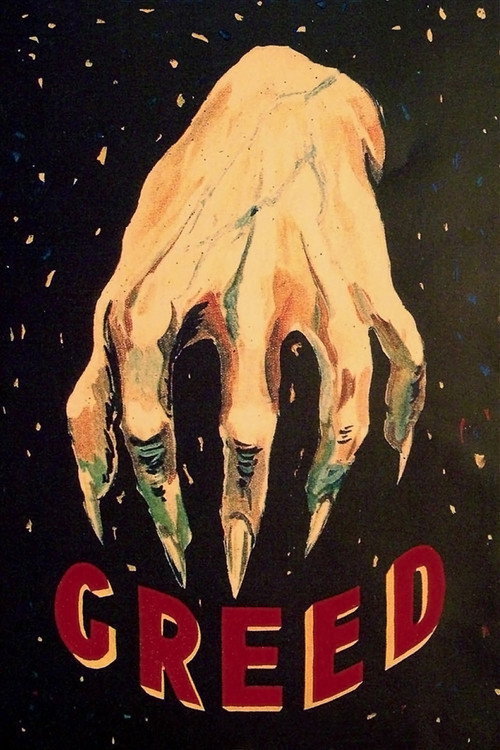
Greed1924
Both films use economic precarity as their central truth—what poverty does to people, how it shapes every choice, every small indignity. The Immigrant finds grace in the rubble. Greed doesn't.
Stroheim's ten-hour epic about a dentist and his wife destroyed by greed. Like The Immigrant, it uses a character's material desperation as the engine of the whole film, but Stroheim doesn't soften it with sentiment—he lets it become tragedy. It's the dark mirror.
But The original cut is lost; you watch a reconstructed version. It's brutally long and ends in desolation. There's no lightness, no recovery, only decay.
More like this (7)
Sunrise: A Song of Two Humans1927
Murnau's German-American masterpiece about a man nearly destroyed by greed, then reconciled. It's visual poetry with the same precision as The Immigrant, and it shares that film's moral gravity beneath the surface prettiness.
But It's much longer and much slower. There's no slapstick—the comedy is existential. It can feel austere.

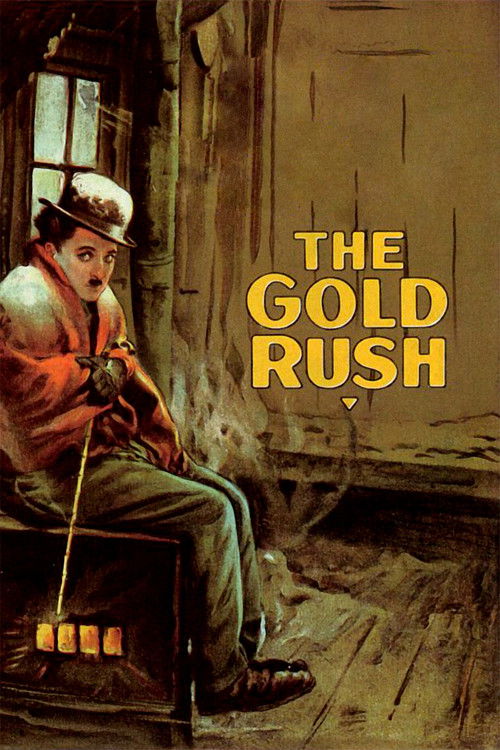
The Gold Rush1925
Chaplin in the Yukon, still broke, still hungry, still dreaming. It has the most famous scene in silent comedy and some of his most tender moments. If The Immigrant moved you, this will wreck you.
But It's 95 minutes. The middle sags slightly, and the ending chooses sentiment over ambiguity in a way The Immigrant resists.
Nosferatu1922
A German Expressionist horror film, deeply weird and visually hypnotic. It shares The Immigrant's anxiety about displacement and violation—what it's like to be helpless in a place that isn't yours. The feeling is entirely different, but the pulse is related.
But It's horror, not comedy. Some find the acting mannered and the pacing glacial. It's in German Expressionist style, which is an acquired taste.

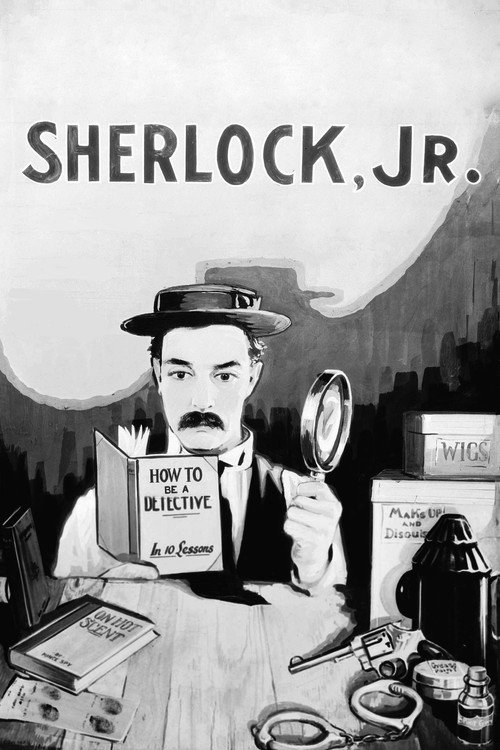
Sherlock Jr.1924
Keaton again, in perhaps his most inventive film: a theater projectionist dreams himself into the movie on screen. The physical comedy is more abstracted than The Immigrant—more like a logic puzzle—but it's pure genius.
But It's more a series of gags than a narrative. If you want emotional weight, this isn't it. Also very short at 45 minutes, which some find too brisk.
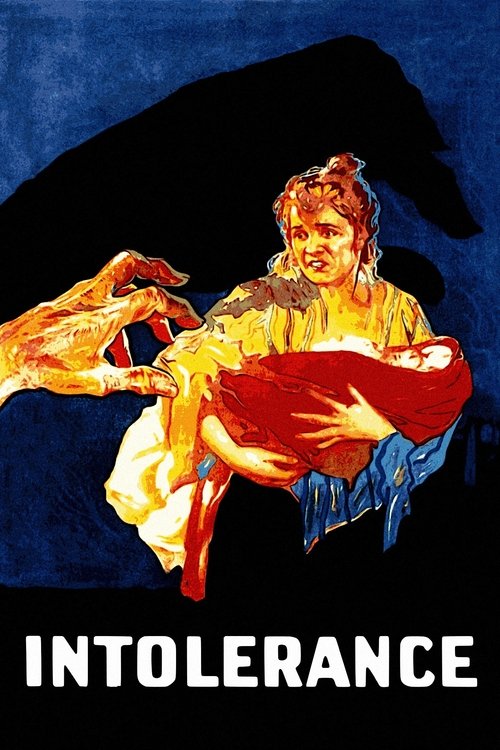
Intolerance: Love's Struggle Throughout the Ages1916
D.W. Griffith's massive, strange epic about intolerance across four historical eras. It's formally innovative in ways that make The Immigrant look conventional. If you want to see why The Immigrant matters in cinema history, this is the avant-garde reference.
But It's three-and-a-half hours of difficult, ambitious cinema. The narrative is fragmented and the racial politics are vile. Not a comfort watch.
La Haine1995
Both films are about arrival and exclusion—what it means to be unwanted in a place. The Immigrant is about arriving; La Haine is about never arriving, never being allowed to, no matter how hard you try.
Kassovitz's blistering portrait of three young men in a Paris banlieue, marginalized and furious. It's visually dazzling—high contrast black-and-white that recalls silent cinema—and it has the same claustrophobic sense of being trapped in a system rigged against you. Modern, political, and visceral.
But It's bleak and angry where The Immigrant is gentle. The language is brutal. It ends badly. It requires cultural context to fully land.

Bicycle Thieves1948
Both films understand hunger as the theme beneath the surface—not just literal hunger, but the hunger to belong, to be safe, to matter. Both are about dignity under pressure.
Vittorio de Sica's neorealist miracle—a man and his son search Rome for a stolen bicycle. It's shot like a documentary, acts like a fable. It has the same economic precision as The Immigrant and the same tragic understanding that small things matter most when you have nothing.
But It's Italian and subtitled. The naturalistic acting can feel mannered. The ending is devastating in a way that won't give you comfort. Very slow by contemporary standards.

People
Cast
 Charlie ChaplinImmigrant
 Edna PurvianceImmigrant
 Eric CampbellThe Head Waiter
 Albert AustinA Diner / Immigrant
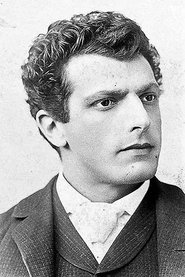 Henry BergmanThe Artist
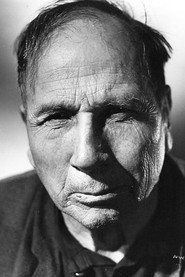 Tom WilsonGambler (uncredited)
- Tom HarringtonMarriage Registrar (uncredited)
 John RandTipsy diner
 Kitty BradburyMother (uncredited)
- Janet SullyPassenger (uncredited)
 Loyal UnderwoodPassenger (uncredited)
 James T. KelleyShabby Diner (uncredited)
Directing
- Charlie ChaplinDirector
Writing
- Charlie ChaplinScreenplay
- Maverick TerrellScreenplay
- Vincent BryanScreenplay
Production
- Charlie ChaplinProducer
- Henry P. CaulfieldProducer
- John JasperProducer