
Film
The Crowd
A silent masterpiece about ordinary life in the anonymous city. John and Mary marry young, raise kids, and collide with poverty, tragedy, and the brutal indifference of urban crowds. It's tender and devastating—less melodrama than documentary of the soul, shot with stunning visual poetry that makes the mundane feel mythic.
Should you watch it?
Watch it if you love silent cinema's wordless storytelling, where a camera glides through crowds and a single gesture carries an entire marriage, and you don't mind a melancholy that lingers.
Skip it if you need brisk pacing or dialogue to drive things, since this 1928 silent runs nearly ninety-eight minutes and spends long stretches on ordinary, unhurried moments of daily routine.
What it asks of you: It asks for patience and close attention, since its emotional weight builds through images and faces rather than talk, and it settles into a slow, sober rhythm that rewards staying put.
Not sure? Find tonight's pick in a minute.
If you liked this
Sunrise: A Song of Two Humans1927
Another Murnau silent that finds transcendence in the everyday. A man nearly destroys his marriage, then spends a day remembering why he loves his wife. More lyrical than The Crowd, but the same belief that ordinary people deserve great cinema.
But The pacing is deliberate and the emotional register is almost balletic. If you want plot momentum, this will feel slow.

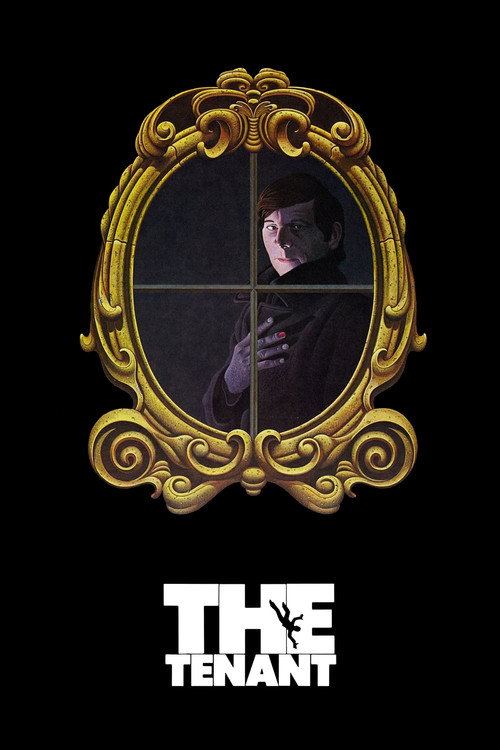
The Tenant1976
Polanski's portrait of a man and woman spiraling together in a Paris apartment. Shares The Crowd's claustrophobic urban loneliness and sense of ordinary life as a trap you can't quite escape.
But It's deliberately unsettling and difficult—not cathartic. Ends in a place that offers no comfort.
In the Mood for Love2000
Wong Kar-wai's meditation on thwarted love and missed connection in 1960s Hong Kong. Like The Crowd, it's visually rapturous about small moments and the way desire lives inside routine.
But Gorgeous but glacially paced. Long stretches without dialogue. The romantic payoff you want never quite arrives.

Not sure tonight? Get a pick in a minute, starting from The Crowd
The wildcard
Something you would not have found on your own.
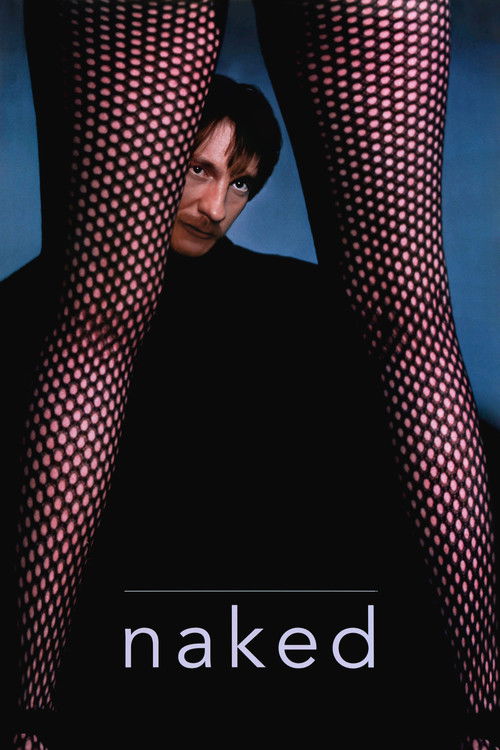
Naked1993
Both films use the city as a character that grinds down the human soul, but where The Crowd asks 'how do ordinary people survive?', Naked asks 'how much contempt can one brilliant person bear?'
Mike Leigh's brutalist odyssey through London. A brilliant, vicious man wanders the city spewing misanthropy and philosophy at strangers. Like The Crowd, it's about being alone in a pitiless city, but inverted—this man is too sharp for the world instead of too ordinary.
But Savage and relentlessly bleak. The protagonist is cruel and contemptuous. Most of the film is monologues of withering intellectual rage. Not cathartic, just harsh.
More like this (8)
Stalker1979
Tarkovsky's three-hour rumination on desire, meaning, and what we're actually chasing in life. Shares The Crowd's conviction that cinema should sit with ordinary consciousness and find profundity there.
But Genuinely difficult. Hypnotic rather than entertaining. Demands you match its tempo or you'll be bored and frustrated.

Chungking Express1994
Wong Kar-wai again, but looser and more generous. Heartbroken Hong Kong cops fall in and out of love with strangers. Same lyricism applied to urban solitude and the small magics of ordinary days.
But Fractured narrative. Jumpy tone. Won't satisfy you if you're looking for a traditional romance with proper closure.

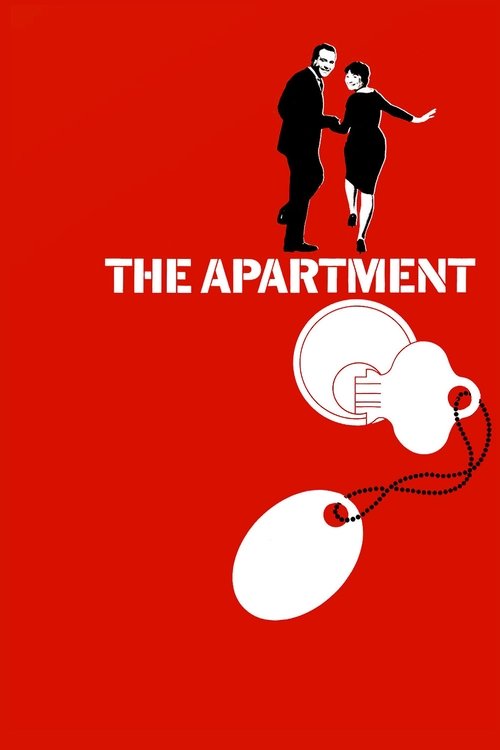
The Apartment1960
Wilder's acerbic take on the same territory—young office worker, ordinary heartbreak, New York indifference. More comedic, but equally bitter about ambition and the cost of city life.
But The tone shifts between screwball comedy and real melancholy. If you want consistency, the tonal whiplash is jarring.
Requiem for a Dream2000
Aronofsky's chronicle of four people destroyed by their own desires—drugs, television, diet pills, sex. Like The Crowd, it's a film about being crushed by circumstance and the failure of the American dream.
But Stylistically aggressive and deliberately punishing. Visually assaultive. The misery is relentless and designed to overwhelm you.

Bicycle Thieves1948
De Sica's neorealist masterpiece about a man searching Rome for his stolen bicycle. Simple plot, crushing emotional truth. Shows how cinema can find dignity and tragedy in poverty and ordinariness.
But Slow and plotless by modern standards. The payoff is emotional, not narrative. Some will find it too quiet.

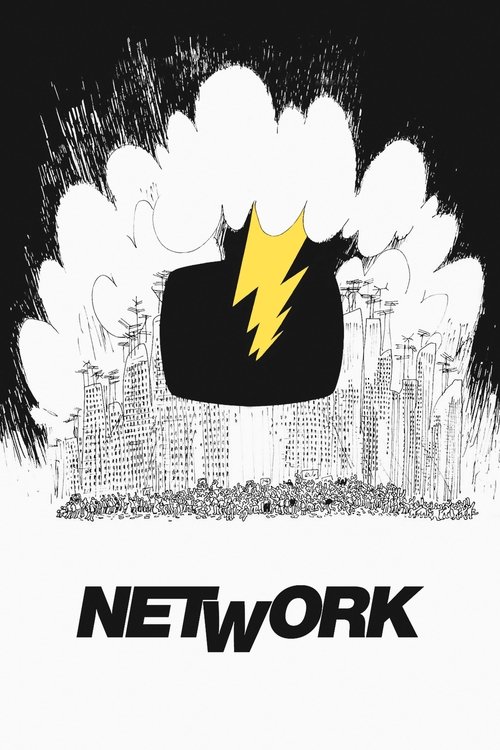
Network1976
Paddy Chayefsky's savage satire of television and American ambition. Mad-eyed and prophetic, but underneath is the same observation as The Crowd—we're all just trying to matter in a system built to use us up.
But Dated in some ways. The satire can feel overwrought if you're not in the mood for a screaming manifesto.
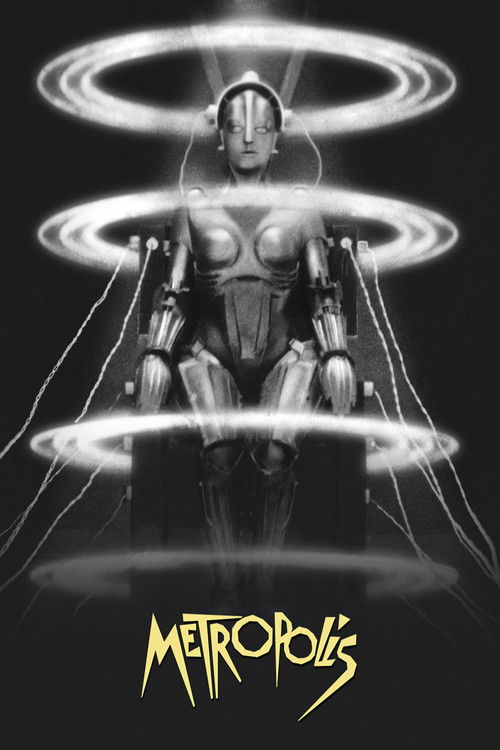
Metropolis1927
Both made in the late 1920s, both use visual composition to show individuals as cells in a larger organism. The Crowd finds tragedy in reality; Metropolis finds it in dystopian speculation.
Fritz Lang's silent epic about a stratified future city. Visually stunning futurism, but it's really about the same thing as The Crowd—the individual annihilated by vast impersonal systems and crowds. A different genre, same human core.
But Heavy-handed social allegory. Cheesy robot design. The ideology is noble but simplistic. Often feels more like a poster than a film.
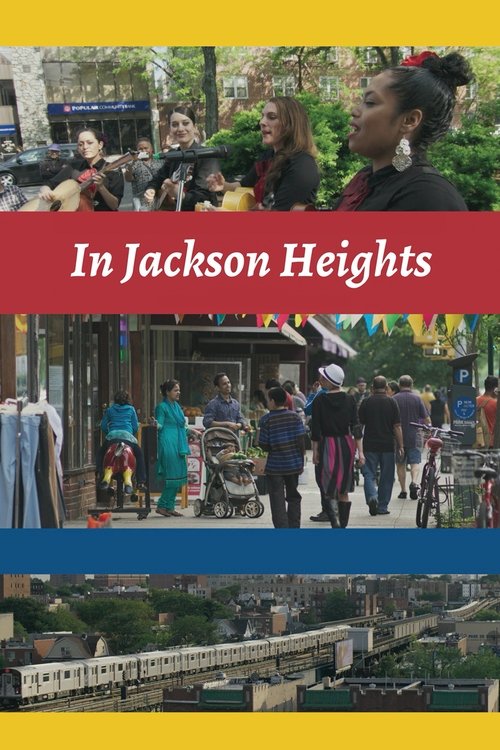
In Jackson Heights2015
The most literal connection: Wiseman presents the actual crowd that haunted Vidor's imagination. Same subject—urban anonymity—but without actors or sentiment, just the texture of ordinary survival.
Frederick Wiseman's documentary about a diverse Queens neighbourhood. Three hours of unglamorous street life, storefronts, community meetings, arguments. He films The Crowd's actual subject—what it looks and sounds like to be a person among millions.
But No plot, no conventional structure. Pure observation. If you need narrative or a clear argument, this will feel like watching paint dry on purpose.
People
Cast
 Eleanor BoardmanMary Sims
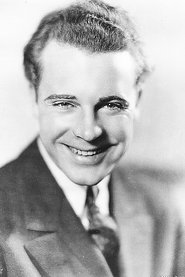 James MurrayJohn 'Johnny' Sims
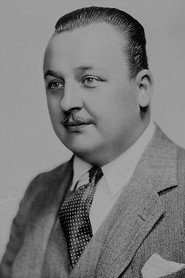 Bert RoachBert
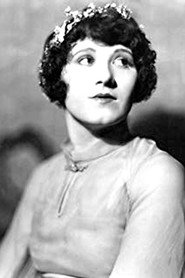 Estelle ClarkJane
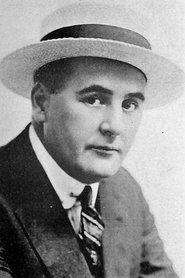 Dell HendersonDick
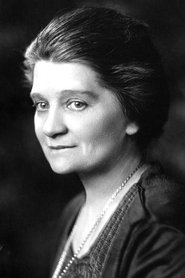 Lucy BeaumontMary's Mother
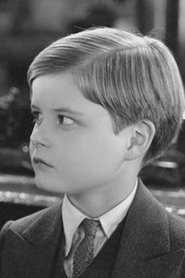 Freddie Burke FrederickJohn 'Junior' Sims
- Alice Mildred PuterSims Daughter
- John D. BlossBoy on Fence (uncredited)
- Roy BlossBoy on Fence (uncredited)
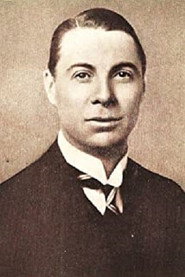 Sidney BraceyJohn's Supervisor (uncredited)
Directing
- King VidorDirector
Writing
- John V.A. WeaverScreenplay
- King VidorScreenplay
Production
- Irving ThalbergProducer
Recommended by
The Apartment, Sunrise: A Song of Two Humans, Baby Face, The Last Command, Three Ages, Way Down East, Berlin: Symphony of a Great City, Man's Castle, Golden Boy, He Who Gets Slapped, Napoleon, The Seashell and the Clergyman, The Man Who Laughs, The Wonderful Story, Johnny Come Lately, Street Scene, Lonesome, Flesh and the Devil, The Battle of the Sexes, Stella Maris, La Bohème, The Great John L., Shopworn, Street Angel, City for Conquest, The Godless Girl, The Exquisite Sinner, Lovers, The Dark Angel, The Divine Woman, Street Angel, The Reckless Age, A Cottage on Dartmoor, Mannequin, Cass Timberlane, Old San Francisco, The Student Prince in Old Heidelberg, Under Pressure, The Fair Co-Ed, The Dancer of Paris, Hallelujah, I'm a Bum, Merry-Go-Round, A Corner in Wheat, Red-Headed Woman, Humoresque, Cheap Kisses, Piccadilly, Dance, Fools, Dance, The Common Law, The Easiest Way, One in a Million, Downhill, The Milky Way, Christopher Strong, The Sport of Kings, Sorrell and Son, A Girl's Folly, A Man's Mate, The Wrecker, The Great Man Votes, Day of the Fight, The Patent Leather Kid, The Spanish Dancer, Hula, Tell It to the Marines, Flesh and Blood, Abie's Irish Rose, Finishing School, Iron Man, The Little Minister, The Docks of New York