
Film
The Seashell and the Clergyman
- Drama
- Very dark
Germaine Dulac's 1928 silent masterpiece uses dreamlike imagery and distorted perspectives to explore repression, desire, and madness through a clergyman's psychological unraveling. It's formally radical—fragmented, expressionistic, often bewildering—and utterly hypnotic. For adventurous viewers willing to sit with strangeness and let visual language do the talking.
Should you watch it?
Watch it if you are drawn to dream logic and images that refuse to explain themselves, the kind of silent avant-garde cinema where a single gesture carries more weight than a plot.
Skip it if you want a story that unfolds in order, since this one moves by suggestion and mood and may leave you hunting for the thread of who wants what.
What it asks of you: Forty-one minutes is brief, but the pictures come fast and strange, so you need to surrender to shifting images rather than follow a tidy narrative.
Not sure? Find tonight's pick in a minute.
If you liked this
Nosferatu1922
F.W. Murnau's vampire film uses similar expressionist imagery and shadow play to create dread and psychological torment. Both films treat the screen as a space for inner turmoil made visible.
But The pacing is glacial by modern standards, and the horror comes from mood rather than incident. Patience required.

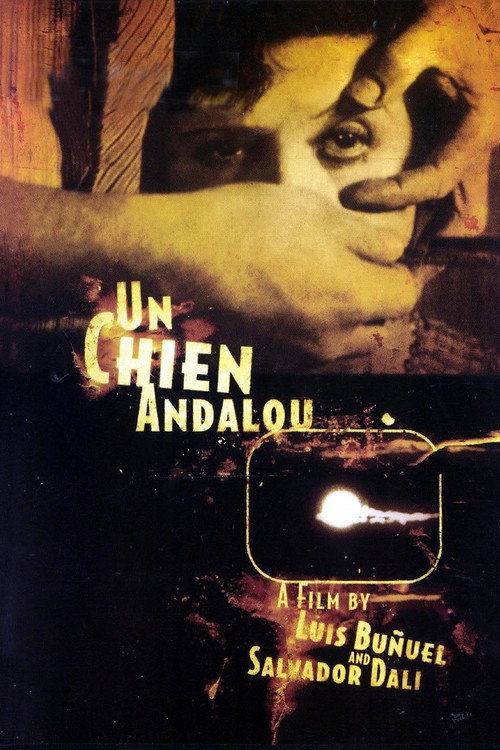
Un Chien Andalou1929
Buñuel and Dalí's surrealist provocation shares the same commitment to dream logic and visual transgression. Both films prioritize sensation over narrative coherence.
But It's only 16 minutes but feels longer. One famous image may disturb more than you want disturbed.
The Phantom Carriage1921
Sjöström's Swedish ghost story uses overlapping images and expressionist lighting to visualize spiritual states and guilt. The visual language is as much the subject as the plot.
But It's a silent film from the early 1920s—very slow, very theatrical. The emotional register is Gothic and heavy throughout.

Not sure tonight? Get a pick in a minute, starting from The Seashell and the Clergyman
The wildcard
Something you would not have found on your own.
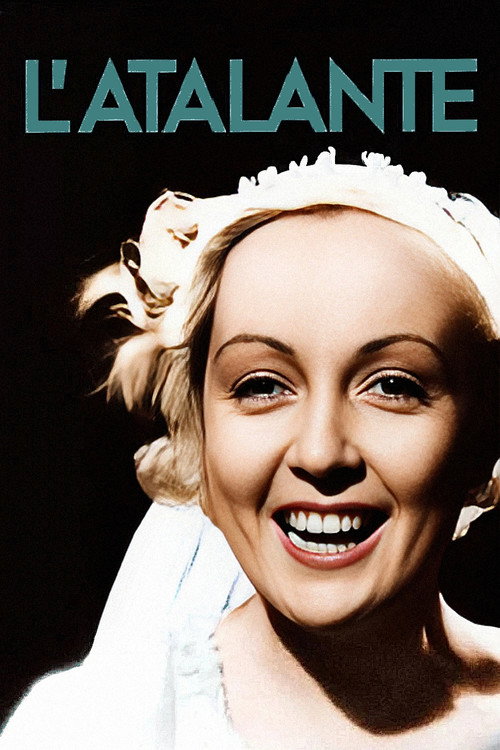
L'Atalante1934
Both films treat obsessive desire as a visual and psychological phenomenon that distorts reality. Both use water symbolically. Both ask the viewer to feel rather than understand.
Jean Vigo's poetic dreamscape treats water, desire, and separation as visual and spiritual phenomena. Like *Seashell*, it dissolves rational space into something lyrical and hallucinatory—but with tenderness underneath the strangeness.
But It's slow and oblique. The plot barely matters; you have to surrender to rhythm and image instead of following a story.
More like this (8)
The Cabinet of Dr. Caligari1920
German expressionism at its purest: distorted sets, psychological breakdown, the unreliability of perception. A companion piece in formal radicalism and the cinema of the mind.
But The narrative is simpler than *Seashell*, and some may find the painted sets dated rather than timeless.

Metropolis1927
Fritz Lang's sci-fi epic shares an interest in desire, authority, and the body as a site of conflict. Grand visuals and thematic ambition on a very different scale.
But At over two hours, it's exhausting. The restored versions vary wildly in quality and completeness.

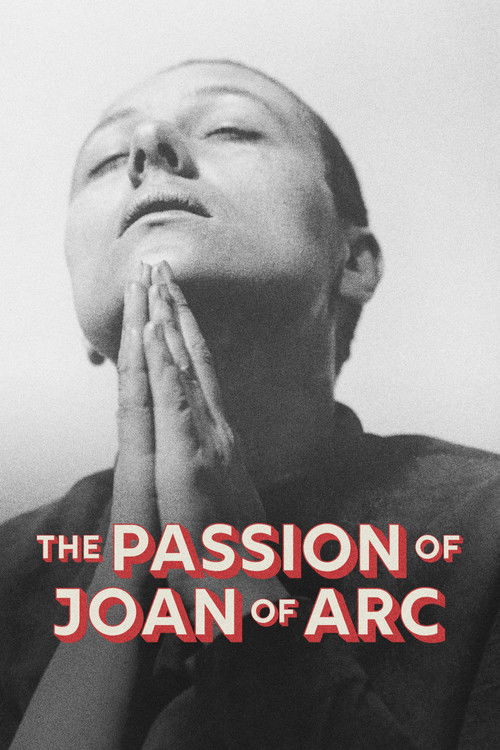
The Passion of Joan of Arc1928
Dreyer's masterpiece uses extreme close-ups and abstracted space to put you inside psychological and spiritual extremity. Both films ask cinema to visualize the interior.
But It's an ordeal to watch. Renée Jeanne's performance is almost unbearably intense; the suffering is real and unpleasant.
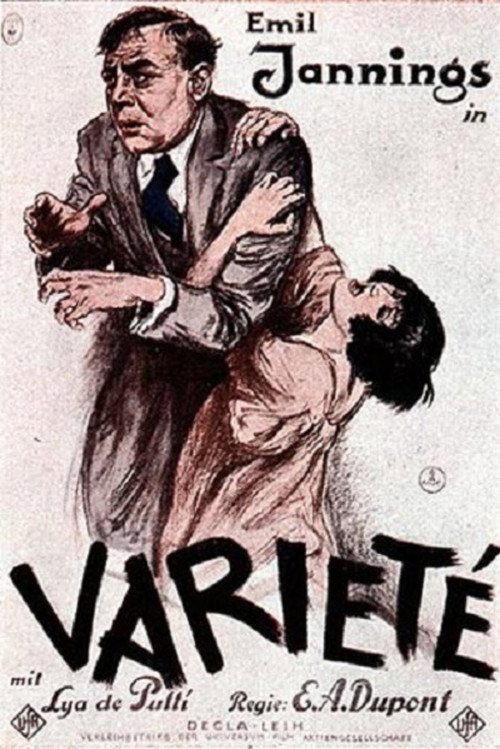
Variety1925
E.A. Dupont's circus drama uses innovative camera angles and visual distortion to express jealousy and obsession. The form becomes a mirror of the protagonist's mental state.
But The plot is melodramatic and the pacing stutters. The virtuosity sometimes overshadows the human stakes.
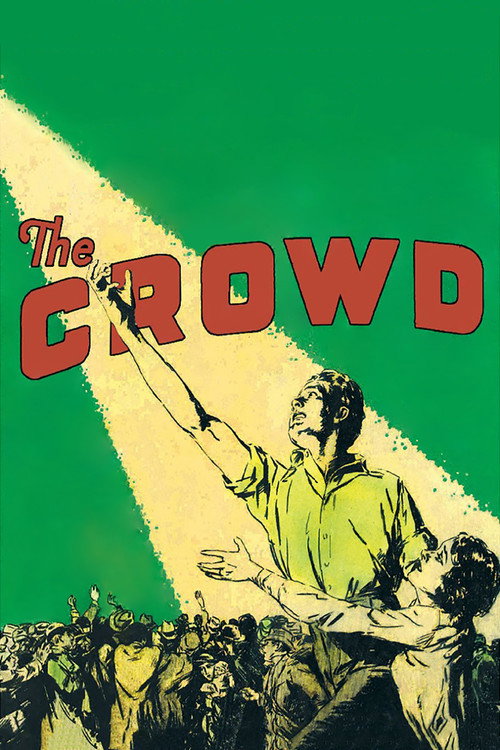
The Crowd1928
King Vidor's urban tragedy shares an interest in how society and desire can fracture the individual psyche. Less abstract than *Seashell* but equally interested in inner collapse.
But It's bleak without the formal experiment to balance it. The ending is famously grim and unresolved.
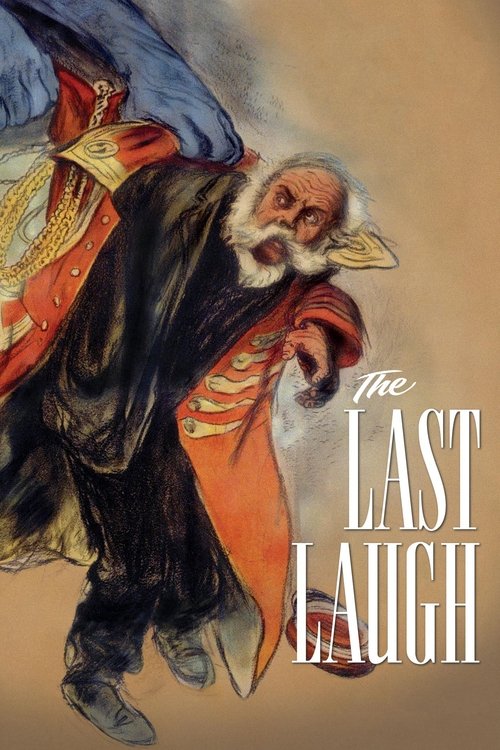
The Last Laugh1924
F.W. Murnau's exploration of humiliation and loss uses mobile camera and visual storytelling to convey dignity stripped away. Both films use form to externalize shame.
But The plot is simple and the emotional trajectory is downward. It's gentler than *Seashell* but still a downer.
Meshes of the Afternoon1943
Both films reject narrative for a stream-of-consciousness approach to obsession. Both use the space of home or interior as a labyrinth of the mind. Both prioritize visual sensation over meaning.
Maya Deren's experimental film (only 14 minutes) uses repetition, fragmentation, and dreamlike recurrence to map the interior geography of female desire and anxiety. Visual language as pure psychology.
But It's very short and very abstract. There's no narrative in any conventional sense, and if you're not in the mood for pure formalism, it feels like nothing happens.

Synecdoche, New York2008
Both films use the medium itself to visualize psychological disintegration. Both treat the boundary between interior and exterior, real and imagined, as collapsible. Both are about obsession as a form of seeing that destroys the person who sees.
Charlie Kaufman's baroque film maps the confusion of desire, mortality, and artistic creation onto the actual structure of a film. It's *Seashell* reborn as a three-hour fever dream with dialogue and a contemporary setting—equally fractured, equally interested in how the mind collapses into its own fantasies.
But It's bewildering on first viewing. The self-referential layering can feel precious, and the tonal shifts are relentless. Some people find it exhausting rather than moving.

People
Cast
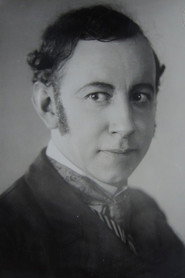 Alex AllinThe Clergyman
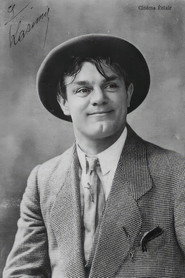 Lucien BatailleThe Officer
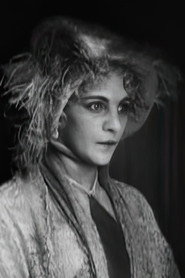 Genica AthanasiouThe Woman
Directing
- Louis RonjatAssistant Director
- Germaine DulacDirector
Writing
- Antonin ArtaudWriter
- Germaine DulacWriter
Production
- Germaine DulacProducer
Recommended by
Un Chien Andalou, The Death of Maria Malibran, Vasantasena, Anemic Cinema