
Film
The Death of Maria Malibran
- Biopic
- Slow-burning
Werner Schroeter's fever dream of a film about the doomed 19th-century opera singer Maria Malibran. It's not narrative cinema—it's a series of baroque, often surreal tableaux that prioritize visual intensity and emotional texture over plot. Ecstatic, exhausting, and utterly singular. For viewers drawn to cinema as pure image and feeling.
Should you watch it?
Watch it if you love films built from deliberate, painterly stillness, where a stage-like arrangement of bodies and costume carries more feeling than plot, and you enjoy melodrama treated with cool, knowing irony.
Skip it if you want a story that moves forward, since the scenes are mostly still and repeat their emotional beats, so the stylised artifice may feel airless over its runtime.
What it asks of you: Long, held frames and deliberate pacing over about an hour and three-quarters; the mood is dark-tinged and mannered, with humour that sits close to cruelty.
Not sure? Find tonight's pick in a minute.
If you liked this
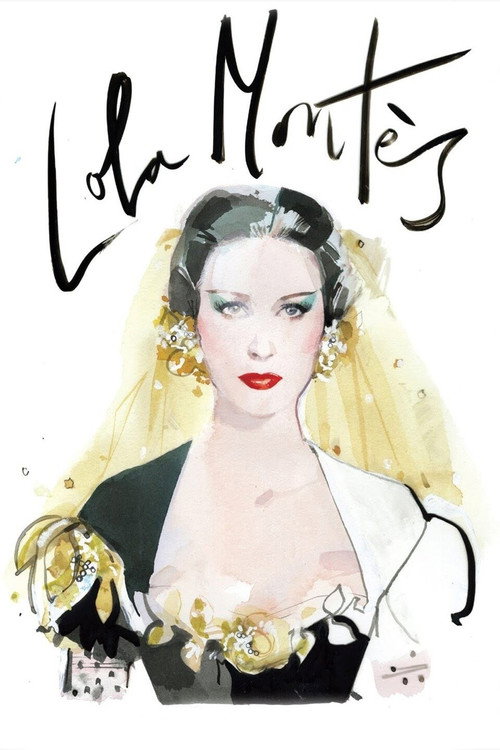
Lola Montès1955
Max Ophüls's structurally daring film about a legendary performer, told through fragmented scenes and a circus framing device. Like Schroeter, it transforms a historical woman into a meditation on beauty, performance, and tragic grandeur.
But The non-linear storytelling and cool visual distance can feel emotionally remote, even as the material is theoretically devastating.
Pandora's Box1929
Pabst's silent masterpiece about Lulu, a woman who destroys men through her charisma and sexuality. Raw, darkly comic, visually intoxicating in ways that anticipate Schroeter's own baroque sensibility.
But Silent films require adjustment; this one moves through moral and sexual territory that some find aggressively bleak.

Suspiria1977
Dario Argento's hallucinatory horror film treats narrative as secondary to atmosphere, color, and visceral dread. Both films prioritize overwhelming you sensually over explaining themselves clearly.
But If you need plot clarity and character psychology, this will frustrate you. It's all mood and nightmare logic.

Not sure tonight? Get a pick in a minute, starting from The Death of Maria Malibran
The wildcard
Something you would not have found on your own.
Blue1993
Both films reject the idea that cinema requires narrative or conventional visual information; both are acts of will that ask viewers to surrender to their logic rather than master it.
A seventy-minute film that is literally a single unchanging color—pure blue—while a soundtrack of Jarman's voice, conversation, and experimental sound design plays. Schroeter's baroque excess inverted into radical minimalism, but identical in its refusal of conventional cinema and its commitment to overwhelming the viewer through sensory intensity.
But It is literally a blue screen for an hour. If cinema means images to you, this will feel like a prank. Even fans need to be in exactly the right frame of mind.

More like this (5)
Jeanne Dielman, 23, quai du Commerce, 1080 Bruxelles1976
Chantal Akerman's three-hour film about a woman's domestic routine is a radical rethinking of what cinema can be. Like Schroeter, it demands patience and rewards attention to texture, time, and visual composition over narrative momentum.
But Three hours of a woman cleaning, cooking, and performing sex work. If you need traditional story momentum, you'll be bored within twenty minutes.

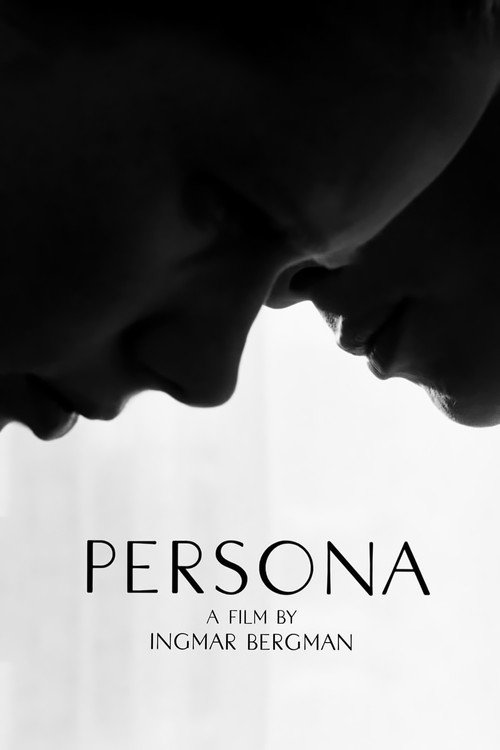
Persona1966
Bergman's exploration of identity, performance, and the boundary between self and other. Visually stark but intensely psychological—it shares Schroeter's interest in how we present ourselves and what that costs.
But Deliberately opaque; Bergman seems uninterested in making himself easy. Long passages without dialogue or conventional action.
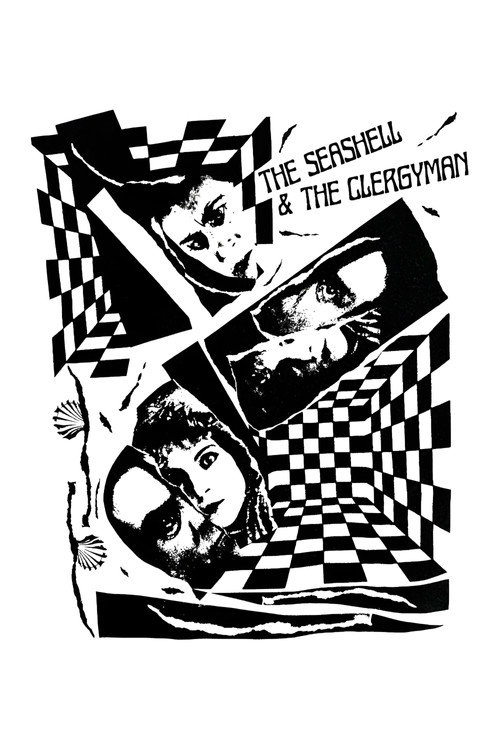
The Seashell and the Clergyman1928
Germaine Dulac's surrealist film, often cited as the first genuinely surrealist cinema. Dreamlike, symbolic, more interested in emotional and symbolic states than narrative coherence.
But Very short and very obscure, which is partly why it's hard to find in good condition. The Surrealist logic won't appeal to viewers who prefer clarity.
Mulholland Drive2001
David Lynch's film about performance, identity, and Los Angeles cinema. Like Schroeter, Lynch treats narrative as negotiable and visual/emotional intensity as non-negotiable.
But Deliberately confusing; Lynch withholds the architecture that would make sense of what you're watching. The final act will either entrance or enrage you.

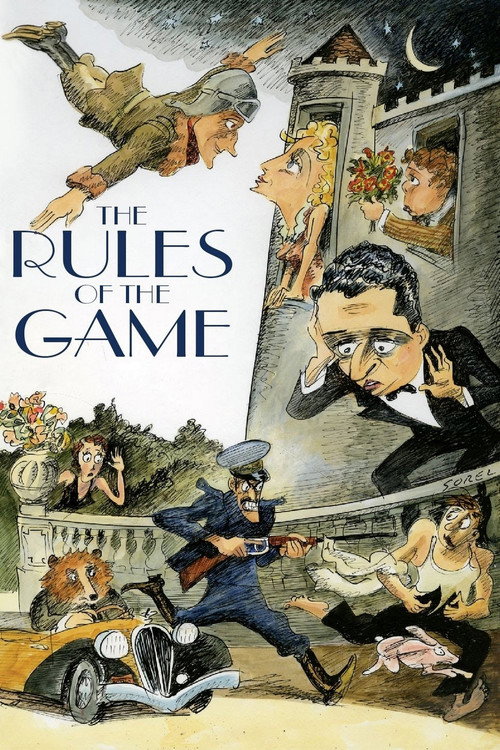
The Rules of the Game1939
Renoir's masterpiece observes a society through overlapping scenes and perspectives, treating every character with equal attention and compassion. Formal sophistication paired with emotional generosity.
But Nearly three hours of French class dynamics and romantic intrigue. If you need a clear protagonist to root for, the ensemble approach can feel diffuse.
People
Cast
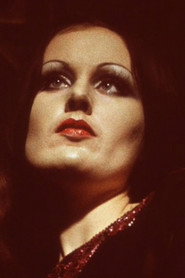 Magdalena MontezumaMaria Malibran


Directing
- Werner SchroeterDirector
Writing
- Werner SchroeterScreenplay
Production
- Werner SchroeterProducer
Recommended by
Looking for Langston, Resurrection, From the East, The Photographer