
Film
From the East
- Very dark
- Slow-burning
Chantal Akerman's austere documentary essay, shot across the collapsing Soviet sphere in 1993. Deliberate tracking shots and circular pans observe Eastern European faces—worn, uncertain, resigned—in the rubble of empires. It's patient cinema about historical rupture: not what happened, but how it feels to live through the end of something immense. For viewers patient with slow cinema and interested in how image captures collective trauma.
Should you watch it?
Watch it if you are drawn to films that linger on faces and empty streets, letting a place's mood settle over you until the quiet itself says something about history and loss.
Skip it if you want a documentary that explains itself, with narration, interviews and a clear argument; this one trusts images and long silences, and some viewers will find that stretch hard going.
What it asks of you: Just under two hours of unhurried observation, with slow camera moves and few cuts, so it rewards patience and sitting still more than it rewards following a plot.
Not sure? Find tonight's pick in a minute.
If you liked this
Sans Soleil1983
Chris Marker's essay-film about memory, politics, and observation across continents. Like Akerman, it refuses to explain—instead it watches, digresses, lets you sit with the weight of history and personal witness.
But Structurally loose and meditative to the point of opacity. If you need a clear narrative argument, this will frustrate you.

Stalker1979
Tarkovsky's long, hypnotic meditation on desire and meaning in a spiritually drained landscape. Shares Akerman's faith in the camera's patience and in letting silence do narrative work.
But 163 minutes of near-static shots. Demands surrender; active watching won't help. Some find it boring; that's the point.

Jeanne Dielman, 23, quai du Commerce, 1080 Bruxelles1976
Akerman's own masterpiece: three days in a woman's domestic routine, shot in real time. If you want to understand how she thinks about duration, repetition, and the camera as witness, start here.
But Three hours of a woman cooking, cleaning, fucking. Intentionally mundane. The entire provocation is that cinema usually ignores this. If you need drama, you're watching it wrong.

Not sure tonight? Get a pick in a minute, starting from From the East
The wildcard
Something you would not have found on your own.
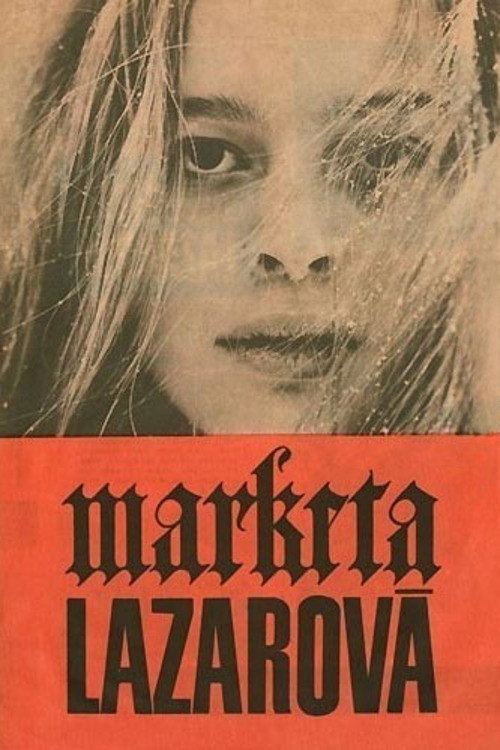
Marketa Lazarová1967
Both use the camera to weigh bodies and faces with historical burden—Vlácil through myth, Akerman through the present. Both distrust narrative clarity.
Vladimír Vlácil's baroque Czech film about brigands and medieval violence, shot in grainy black-and-white. Shares Akerman's interest in how cinema captures historical weight and oppression, but through genre and legend rather than documentary. A bridge between structural cinema and pulp.
But Visually dense and non-linear. Dubbed, and the English translation is imperfect. Feels like watching a fever dream. Not accessible.
More like this (7)
Come and See1985
Elem Klimov's savage chronicle of a boy's journey through the Soviet front in WWII. Raw, hallucinatory despair. Shares with Akerman a refusal to sentimentalize suffering or make it pretty.
But Genuinely brutal and traumatic. Not an entertainment. The final sequence is difficult to recover from.

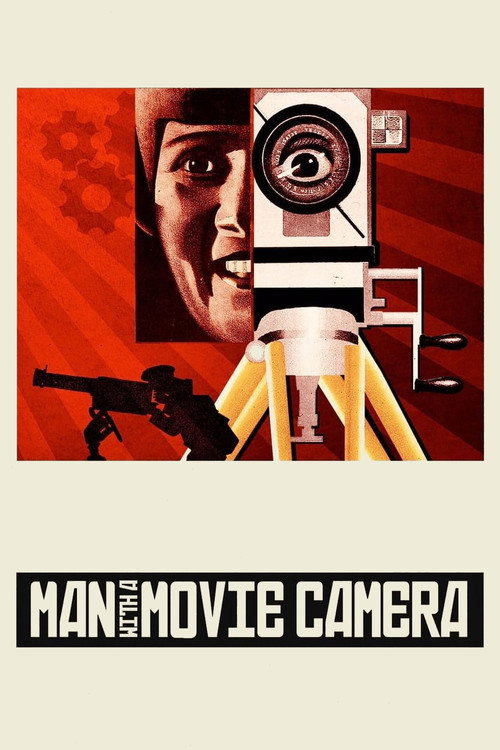
Man with a Movie Camera1929
Dziga Vertov's revolutionary Soviet documentary about cinema itself. Kinetic and playful, but it shows how the Soviet avant-garde saw the camera as a tool for truth-telling—Akerman inherits this legacy.
But Experimental and formally demanding. No plot, no narration. Requires active engagement with form.
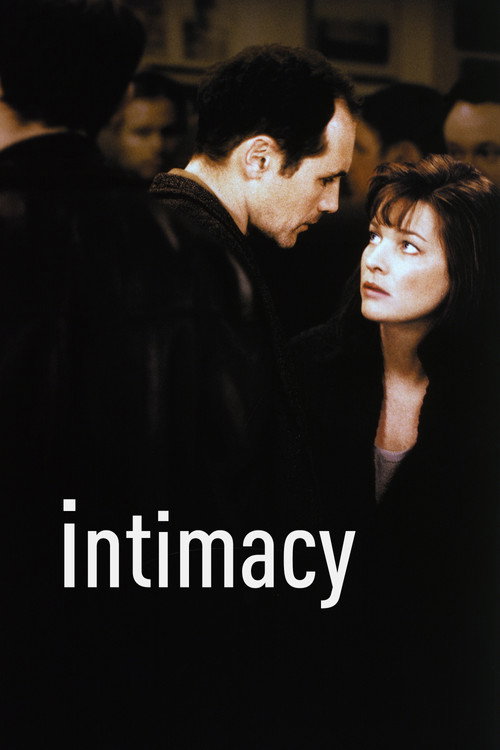
Intimacy2001
Patrice Chéreau's chamber film about two strangers meeting for sex, shot in real time with absolute precision. Like Akerman, uses duration and the body to explore what cinema can say about human connection and indifference.
But Explicitly sexual and emotionally cold. The sex is unsentimental and sometimes uncomfortable. Feels claustrophobic.
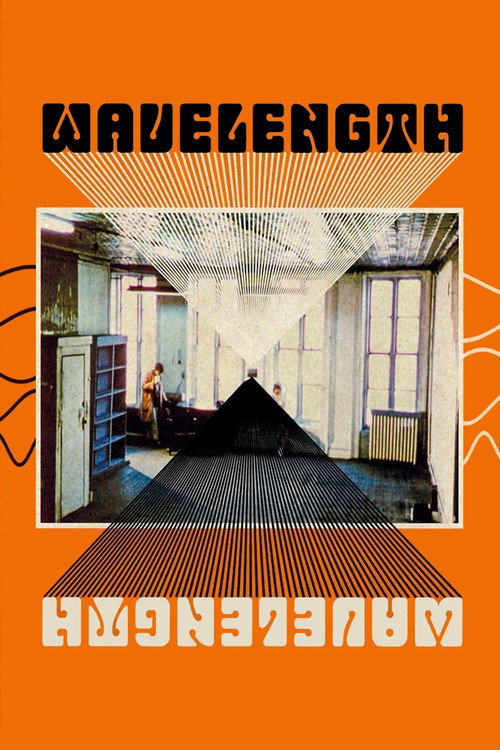
Wavelength1967
Michael Snow's 45-minute zoom across a New York loft. Minimalist, hypnotic, foundational to structural cinema. A pure distillation of how the camera itself can be the subject and the art.
But Essentially a single shot. Conceptual rather than narrative. Easy to dismiss as a stunt if you're not in the headspace for it.
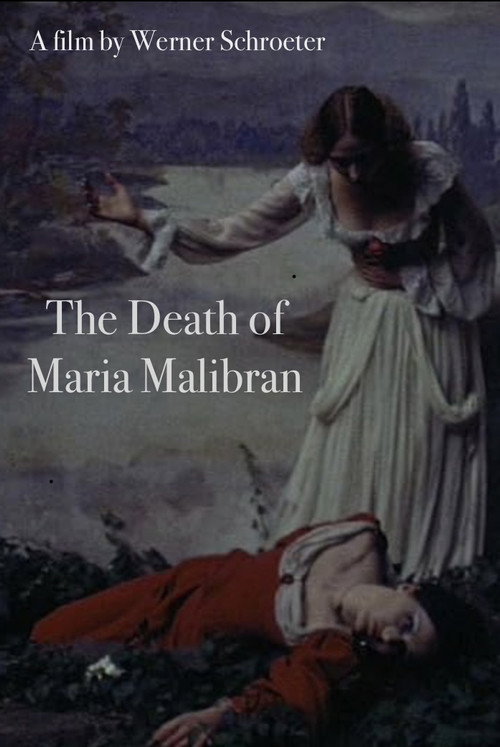
The Death of Maria Malibran1972
Werner Schroeter's baroque meditation on a 19th-century opera singer, collaging stills, footage, and music. Shares Akerman's European sensibility and interest in how cinema mourns historical loss.
But Densely symbolic and associative. Moves by mood rather than logic. Requires patience and tolerance for abstraction.
Sunrise: A Song of Two Humans1927
Both trust silence and the human face to convey meaning. Both watch characters trapped by forces larger than themselves. Akerman inherits this formal tradition.
F.W. Murnau's silent masterpiece about a man tempted to murder his wife. Shot in real locations with extraordinary control. Predates Soviet cinema but shares that worldview: the camera observes human weakness and moral vertigo without judgment. Absolutely beautiful and utterly devastating.
But Silent film, which requires adjustment. Melodramatic in premise but austere in execution. Some find it dated; others find it eternal.

Night and Fog1956
Both are essayistic documentaries about European trauma and historical rupture. Both refuse easy answers. Both use editing and duration as moral choices.
Alain Resnais's 30-minute essay about Auschwitz, collaging Nazi color footage and archive with contemporary shots. Essential meditation on how cinema records atrocity. Shares Akerman's belief that certain historical moments demand patience and refusal to look away.
But Holocaust documentation. Difficult subject. Some find it too poetic for the weight of its content.

People
Cast
Directing
- Szymon ZaleskiAssistant Director
- Chantal AkermanDirector
Writing
- Chantal AkermanWriter
Production
- Marilyn WateletExecutive Producer
- François Le BayonProducer
- Helena Van DantzigProduction Manager
- Marilyn WateletProduction Manager
- Szymon ZaleskiProduction Manager