
Film
Marketa Lazarová
- Period drama
- Very dark
A ravishing medieval fever dream of rival clans, abduction, and the violent collision between pagan and Christian worlds. Shot in lustrous black-and-white with the visual grammar of fever dream, this Czechoslovak masterpiece moves like myth—every frame saturated with texture, mud, blood, desire. Essential cinema for anyone who wants to understand what the form can do.
Should you watch it?
Watch it if you are drawn to slow, muddy, brooding epics where landscape, ritual and raw physicality carry the meaning more than dialogue, in the vein of Tarkovsky's most austere work.
Skip it if you need clear plot momentum or conventional character arcs, since its nearly three-hour running time moves through long stretches of silence, ritual and pagan wilderness rather than quick scenes.
What it asks of you: Patience above all: it runs close to three hours, its camera lingers on faces and weather, and its fragmented, dreamlike editing asks you to piece the clan's world together yourself.
Not sure? Find tonight's pick in a minute.
If you liked this
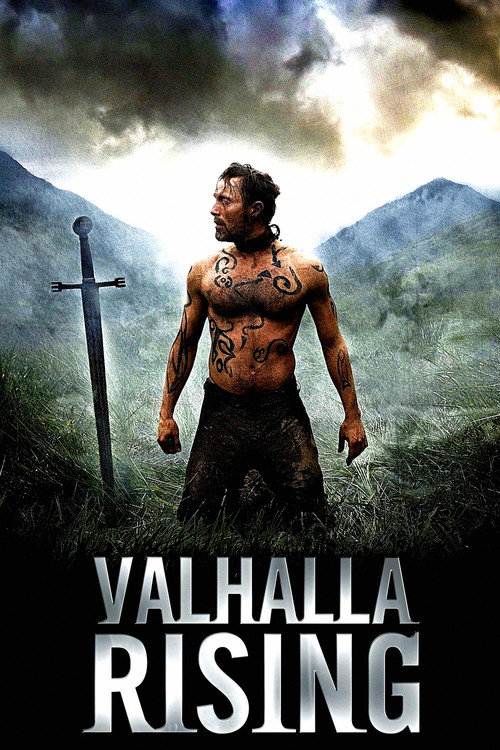
Valhalla Rising2010
A similarly hypnotic descent into medieval brutality and spiritual chaos, with the same sculptural cinematography and refusal to explain or comfort. One-Eye's journey mirrors Marketa's—propelled by fate and violence through a landscape that feels half-real.
But Slower and more austere than Marketa Lazarová, with less narrative drive and more pure dread. Demands patience and tolerance for ambiguity.
The Seventh Seal1957
Bergman's meditation on faith, death, and medieval life has the same monumental stillness and existential weight. Both films treat the Middle Ages as a space for asking unanswerable questions about meaning and survival.
But More philosophical and less sensual than Lazarová. The dialogue-heavy approach may feel stagy to modern eyes.

Stalker1979
Tarkovsky's hypnotic, image-driven storytelling unfolds at the same deliberate pace and with the same faith in visual poetry over plot. Both films burrow into consciousness rather than racing through events.
But Nearly three hours of slow contemplation with minimal conventional drama. If you need things to happen quickly, this will frustrate you.

Not sure tonight? Get a pick in a minute, starting from Marketa Lazarová
The wildcard
Something you would not have found on your own.
The Ascent1977
Both films understand the body as the site of faith—damaged, desiring, destroyed. Both use black-and-white cinematography to make suffering a texture you can almost touch.
Larisa Shepitko's monochrome metaphysical thriller about two Soviet partisans ascending a hill toward execution is, like Lazarová, brutally sensory and pitched as spiritual crisis. Shot in textures—mud, snow, flesh—that feel religious in their intensity.
But Soviet in origin and existential in register. The political context is specific; the abstraction is unforgiving. Bleaker than Lazarová without the erotic currents.

More like this (6)
The Wailing2016
A Korean masterwork that braids pagan and Christian faith into a mystery with the same dreamlike intensity and moral ambiguity. Visually sumptuous and spiritually disorienting in all the right ways.
But A different register—contemporary and explicitly genre—but equally demanding. The mystery plot can feel secondary to mood.

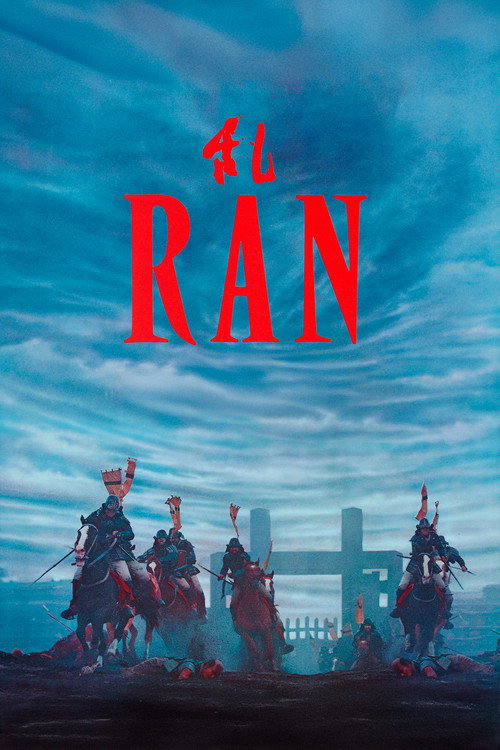
Ran1985
Kurosawa's medieval epic has Lazarová's commitment to treating the past as lived texture rather than costume drama. The chaos of warring clans, the spiritual and physical devastation—both films find poetry in ruin.
But Three and a half hours. Kurosawa's landscapes are grander and more stylized; some find that distance alienating rather than moving.
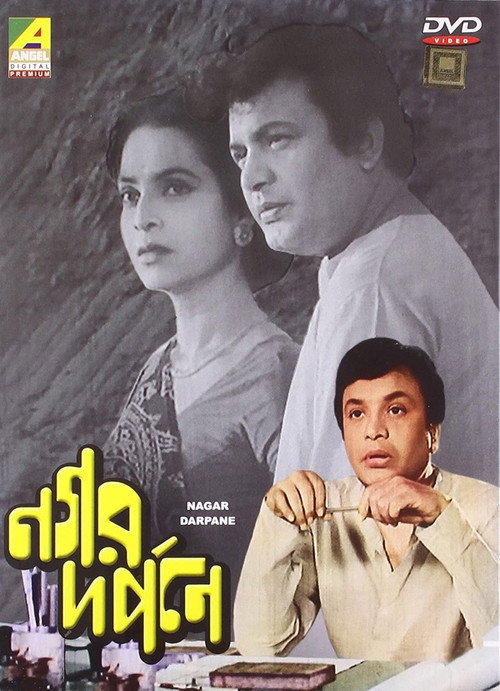
In the Mirror of the City1975
Tarkovsky's essay-poem on memory, family, and mortality moves through time and dream logic the way Lazarová moves through violence and faith. Both resist linear clarity in favor of accumulated texture.
But Structurally fragmented and fiercely personal. The poem within it is in Russian. Easier to admire than to love on first contact.
Synecdoche, New York2008
Kaufman's baroque meditation on creation and collapse uses visual disorientation and narrative complexity to mirror psychological dissolution. Like Lazarová, it trusts the audience to find meaning in sensory overload rather than explanation.
But Aggressively cerebral and metanarrative. The density of reference and symbol can feel like work rather than pleasure.

Come and See1985
A Soviet war film that uses medieval-like brutality and spiritual devastation to render the incomprehensibility of violence. The same refusal to look away; the same sense that trauma is the truest subject.
But Genuinely harrowing. The violence is not stylized; it is there to wound. Many will find it unwatchable, and that reaction is legitimate.

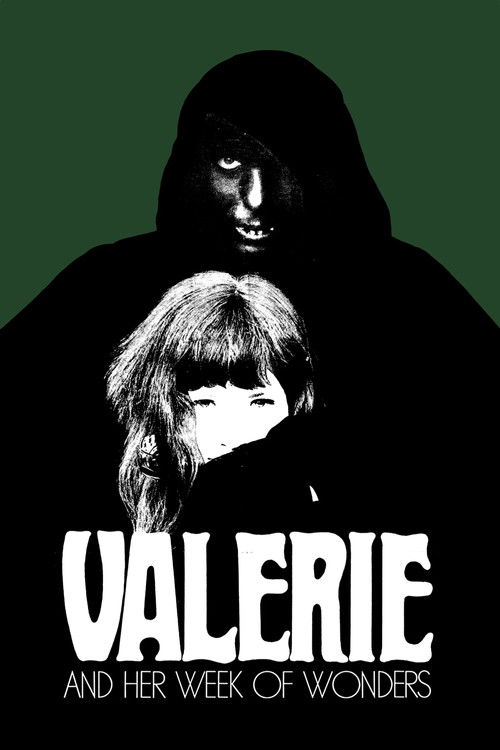
Valerie and Her Week of Wonders1970
Both are Czech New Wave films that reject naturalism in favor of mythic register. Both center young women at the mercy of masculine violence and their own desire, rendered through image rather than sentiment.
A Czech surrealist fever-dream about a girl discovering sexuality, danger, and predatory men in a village half-real, half-nightmare. Like Lazarová, it treats the domestic and the mythic as inseparable. Visual splendor meets genuine dread.
But More like hallucination than narrative. The plot barely holds; the mood is everything. If you want coherence, this will frustrate you. If you want to *feel* disoriented, it succeeds entirely.
People
Cast
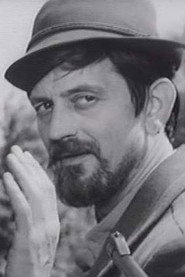 František VeleckýMikoláš, Kozlík's son
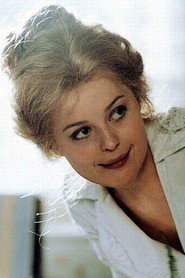 Magda VášáryováMarketa Lazarová, Lazar's daughter
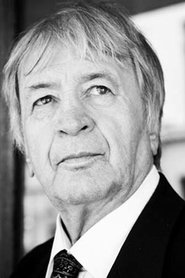 Ivan PalúchAdam, Kozlík's one-armed son
- Pavla PoláškováAlexandra, Kozlík's daughter
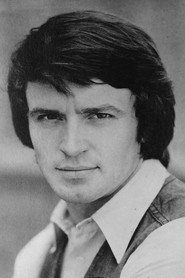 Vlastimil HarapesKristián, son of Bishop of Hennau
- Michal KožuchLazar, Kozlík's rival
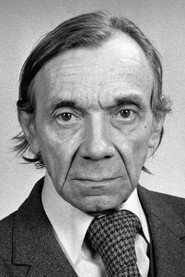 Josef KemrKozlík, Lazar's rival
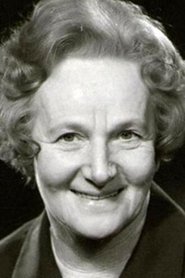 Naďa HejnáKateřina, Kozlík's wife
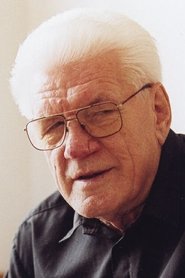 Jaroslav MoučkaJan, Kozlík's son
- Zdeněk KutilReiner, Bishop of Hennau's Valet
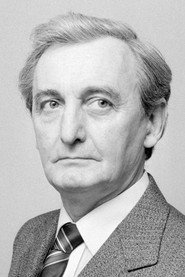 Zdeněk ŘehořSovička, Aide to the Royal Governor
- Karel VašíčekJiří, Kozlík's son
Directing
- Aleš DospivaAssistant Director
- František VláčilDirector
- Josef KramešFirst Assistant Director
- Milan KadlecFirst Assistant Director
- Tomáš SvobodaFirst Assistant Director
- Eva KubesováScript Supervisor
Writing
- Jan ProcházkaCreative Producer
- Vladislav VančuraNovel
- František PavlíčekScreenplay
- František VláčilScreenplay
- František PavlíčekStory
- František VláčilStory
Production
- Karel ČabrádekAssistant Production Manager
- Milena AndrejskováAssistant Production Manager
- Vladimíra KopeckáAssistant Production Manager
- Zdena SirotkováAssistant Production Manager
- Erich ŠvabíkExecutive Producer
- Josef OuzkýProduction Manager
- Jiří MařasUnit Manager
- Karel VejříkUnit Manager
- Růžena HulínskáUnit Manager
- Václav DobešUnit Manager
Recommended by
Highlander, The Winter War, Dracula, Blood on Satan's Claw, Viridiana, The Long Hair of Death, Shadows of Forgotten Ancestors, The Committee, The Green Room, From the East, Flirt, Night Games