
Film
The Winter War
- War action
- Very dark
A three-hour Finnish epic following reservist brothers through their nation's desperate 1939 war against Soviet invasion. Austere and unglamorous, it finds humanity in ordinary men facing overwhelming odds. Patient, unsparing, and rooted in the particular experience of rural Finland—this is war as grinding endurance, not heroic mythology.
Should you watch it?
Watch it if you are drawn to quiet war stories centred on a handful of ordinary men, where the weather, the waiting and the bonds between them matter as much as the fighting.
Skip it if you need brisk pacing or a clear sense of the big military picture, since at nearly three hours it lingers on daily hardship and rarely pushes toward spectacle.
What it asks of you: Settle in for a long, deliberate runtime of just over three hours, with slow scenes of routine and cold that reward patience more than constant forward momentum.
Not sure? Find tonight's pick in a minute.
If you liked this
Come and See1985
The gold standard for anti-war cinema. Follows a boy conscripted into the Soviet army with unflinching brutality. Like *The Winter War*, it refuses to mythologize combat or the people caught in it.
But Relentlessly bleak and genuinely traumatizing. Long stretches without dialogue or music. Not cathartic—deliberately punishing to watch.

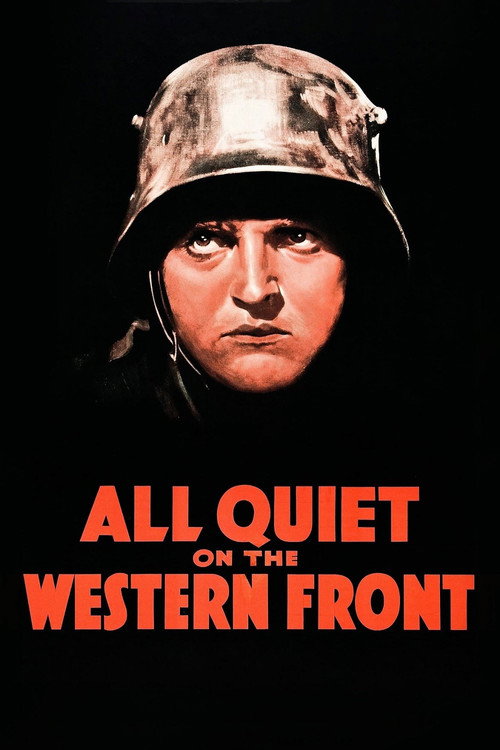
All Quiet on the Western Front1930
The template for depicting ordinary soldiers destroyed by industrial war. Focuses on daily survival and camaraderie rather than tactics or patriotism, exactly as *The Winter War* does.
But The 1930 version is silent-era pacing—deliberately slow. Some find its sentimentality dated, though that may be the point.
Fires on the Plain1959
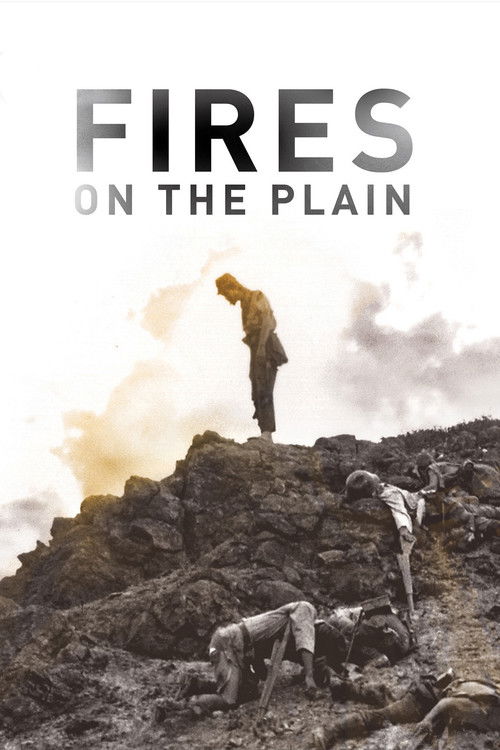
Japanese soldiers in the final months of WWII, starving and abandoned. Shares *The Winter War*'s refusal to sentimentalize. A portrait of collapse without false dignity.
But Difficult to find in good prints. Also extremely dark about hunger and desperation. Not a film that leaves you feeling restored.
Not sure tonight? Get a pick in a minute, starting from The Winter War
The wildcard
Something you would not have found on your own.
The Last Temptation of Christ1988
Both are long, unadorned films about men in extremity, filmed in Europe in the late 1980s with a preference for wide shots and silence over music. Both ask what endurance means when victory isn't possible.
Scorsese's long, austere meditation on doubt and suffering filmed in stark locations. Like *The Winter War*, it privileges internal experience over spectacle and refuses easy answers. A spiritual endurance test disguised as narrative cinema.
But Controversial for its theology and deeply blasphemous to many. Glacially paced and deliberately unglamorous. The connection isn't obvious—both films are about men facing impossible circumstances with no redemption in sight.
More like this (8)
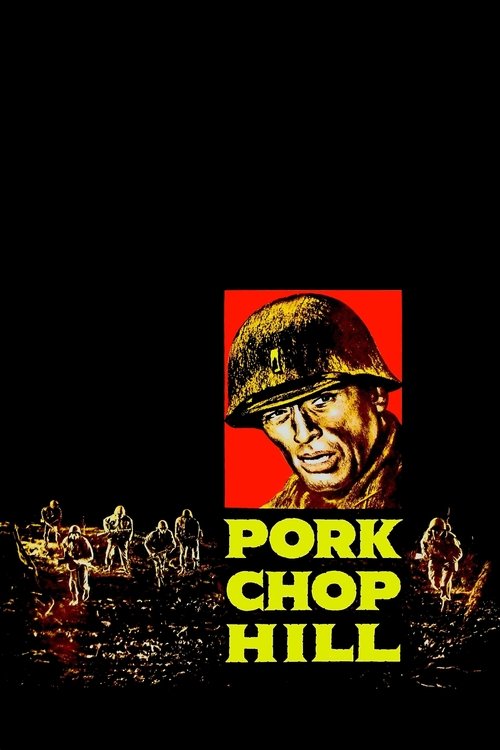
Pork Chop Hill1959
Korean War soldiers holding one meaningless hill. Focuses on the tedium, fear, and small acts of survival—the actual texture of combat, not its narrative shape.
But Feels procedural rather than dramatic. The hill doesn't matter, which is the point, but that can feel dramatically inert.
The Ascent1977
Two Soviet partisans trek through snow toward an impossible task. Filmed in stark black-and-white, it's philosophical and spare—war as metaphysical endurance rather than action.
But Very slow. Spiritual rather than narrative. Demands patience and tolerance for ambiguity about what it all means.

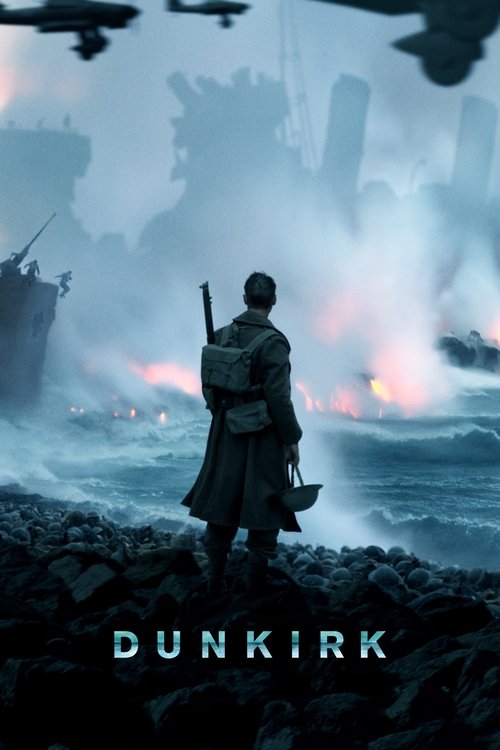
Dunkirk2017
Christopher Nolan's non-linear, muscular approach to ordinary soldiers in extremity. No famous generals—just men trying not to die. Visceral rather than sentimental.
But The fractured timeline can feel like a trick. Some prefer traditional storytelling to formal experimentation.
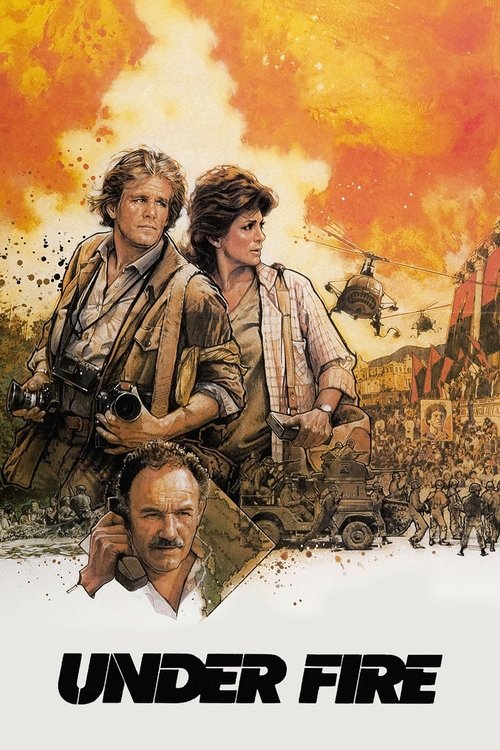
Under Fire1983
War photographers in Nicaragua documenting revolution and violence. Examines how men document suffering and the cost of bearing witness—a sidelong approach to the weight *The Winter War* carries.
But Fifty years old now, and its political sympathies may feel dated. Uneven in tone.
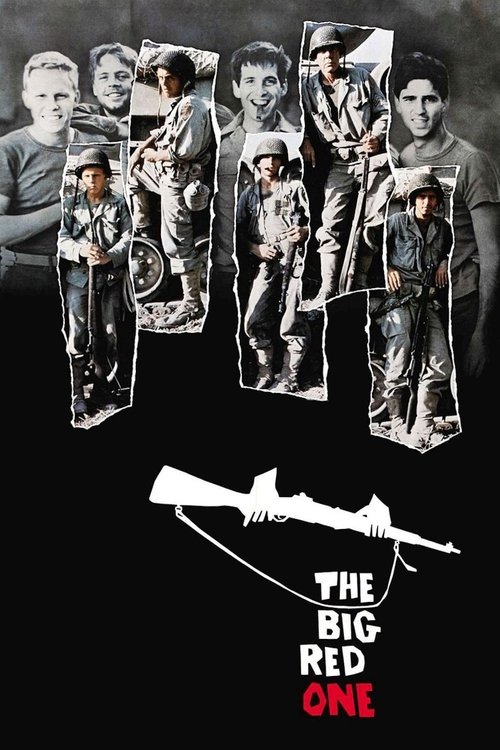
The Big Red One1980
Samuel Fuller's semi-autobiographical WWII film follows a platoon from North Africa to Europe. Anecdotal, episodic, focused on survival and the bonds between men—the texture of war, not its shape.
But Fuller's flat, reportorial style isn't for everyone. The film sprawls and can feel unfocused compared to more conventional war narratives.
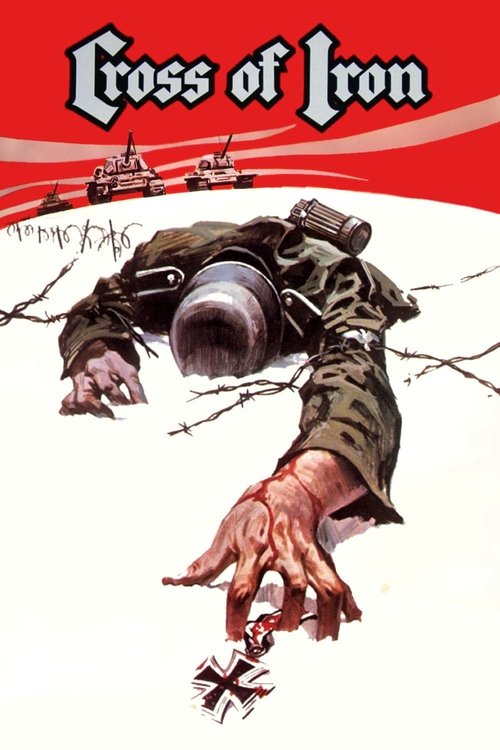
Cross of Iron1977
German soldiers on the Eastern Front during the Soviet advance. Brutal, cynical, and focused on grinding survival rather than glory. A window into the war from the other side, with similar themes of futility.
But The Eastern Front was savage in ways that can be hard to sit with. Some may object to seeing German soldiers as fully human.
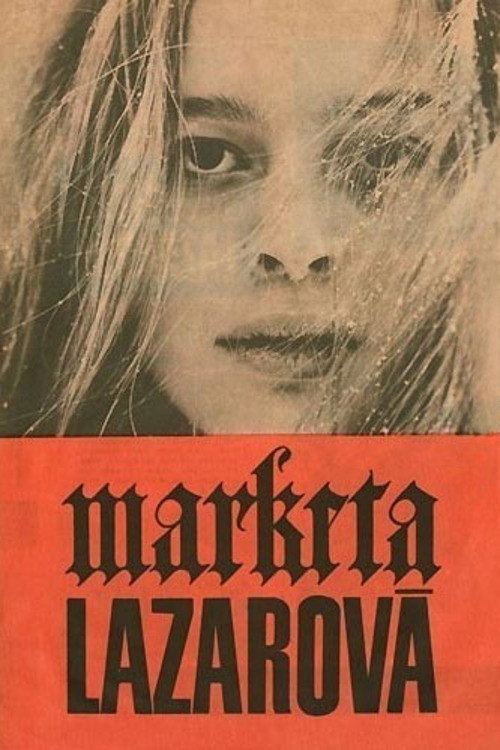
Marketa Lazarová1967
Both are long Eastern/Northern European films that treat violence and landscape as subjects in themselves rather than servants of plot. Both were made in contexts where state cinema could still produce uncompromising work.
A medieval Czech film of stunning visual ambition—black-and-white, sculptural, like watching a Bruegel painting move. Brutal, sexual, and strange. Proves Eastern European cinema had been making uncompromising art for decades before the world noticed.
But Nearly three hours of narrative opacity. The plot is deliberately hard to follow. Some subtitled, arthouse films test patience; this one defeats it. But rewarding for those who stay.
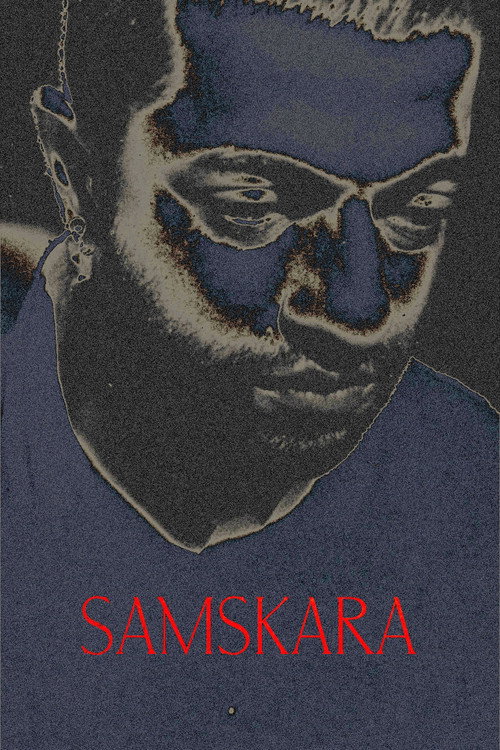
Samskara1970
Made the same year as *The Winter War*, in the same region of Europe, examining the same rituals of loss and masculine endurance. Both refuse to make war meaningful—they just show what it looks like.
A Polish documentary about military ritual and mourning after a soldier's death. Shot in grey, wintry light; formal and spare. It's not narrative fiction, but it captures the same world *The Winter War* inhabits—duty, repetition, grief without catharsis.
But It's a documentary, which some reserve for specific moods. Very slow. No score, no dramatic arc. Pure observation, which can feel like waiting for something that never arrives.
People
Cast
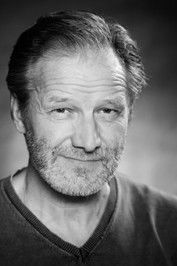 Taneli MäkeläMartti Hakala
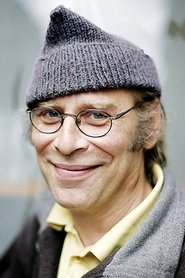 Vesa VierikkoJussi Kantola
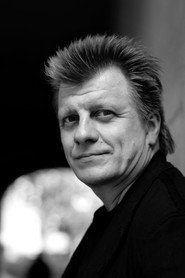 Timo TorikkaPentti Saari
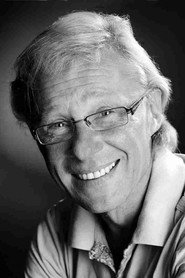 Heikki PaavilainenVilho Erkkilä
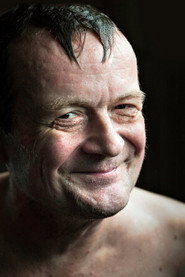 Antti RaivioErkki Somppi
 Esko KoveroJuho Pernaa
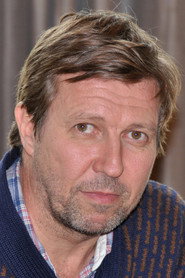 Martti SuosaloArvi Huhtala
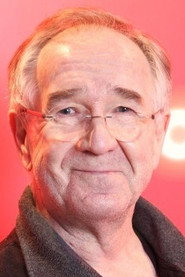 Markku HuhtamoAatos Laitila
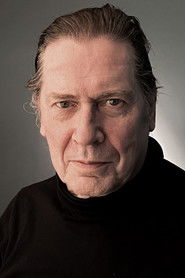 Matti OnnismaaVeikko Korpela
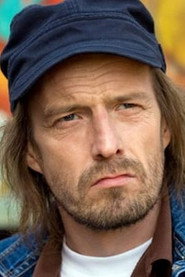 Konsta MäkeläPaavo Hakala
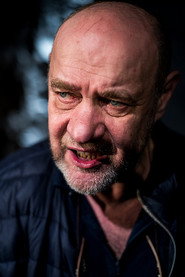 Tomi SalmelaMatti Ylinen
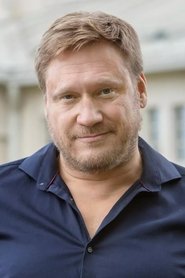 Samuli EdelmannMauri Haapasalo
Directing
- Pekka ParikkaDirector
- Veikko AaltonenFirst Assistant Director
- Annakaisa SukuraScript Supervisor
- Ilkka Järvi-LaturiSecond Assistant Director
Writing
- Antti TuuriNovel
- Antti TuuriScreenplay
- Pekka ParikkaScreenplay
Production
- Marko RöhrProducer
- Terhi TammilaProduction Coordinator
- Juhani JotuniProduction Manager
- Päivi MautempsProduction Secretary