
Film
Pork Chop Hill
- War action
- Very dark
A 1959 war film about American soldiers ordered to recapture a Korean hill as armistice talks happen nearby. Directed by Lewis Milestone, it's a tactically precise, unglamorous account of combat that refuses easy heroism. Gregory Peck leads an ensemble cast through brutal trench warfare and command-room politics. It's for viewers who want war presented as costly confusion rather than triumph.
Should you watch it?
Watch it if you like war films that care more about the grinding logic of a futile mission and the weary faces carrying it out than about heroics or set-piece battles.
Skip it if you want a clear emotional arc or a stirring hero; the film stays flat and procedural, and its shifting perspective can feel more like a report than a story.
What it asks of you: It runs under ninety minutes and moves in deliberate, sometimes repetitive bursts, asking you to sit with exhaustion and talk more than spectacle.
Not sure? Find tonight's pick in a minute.
If you liked this
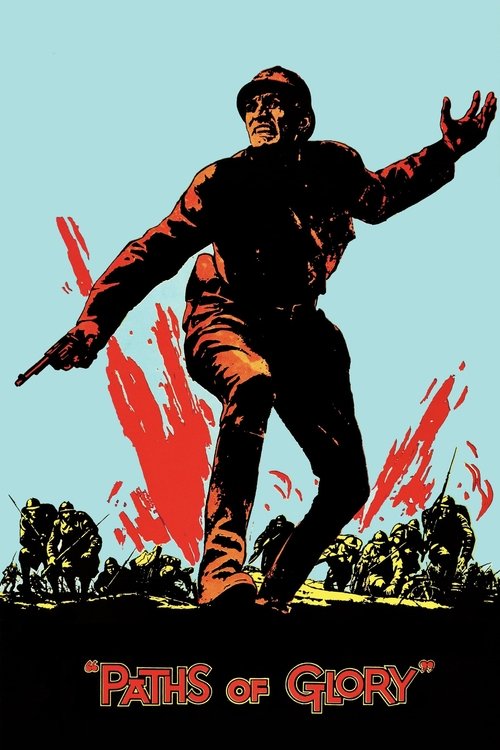
Paths of Glory1957
Kubrick's masterpiece about WWI soldiers court-martialed after a doomed assault. Like Pork Chop Hill, it examines the gap between command decisions and ground reality, with a similarly unflinching view of military bureaucracy's indifference to human cost.
But Ends on a note of such bleak resignation that some find it punishing rather than cathartic. The final scene lingers uncomfortably.
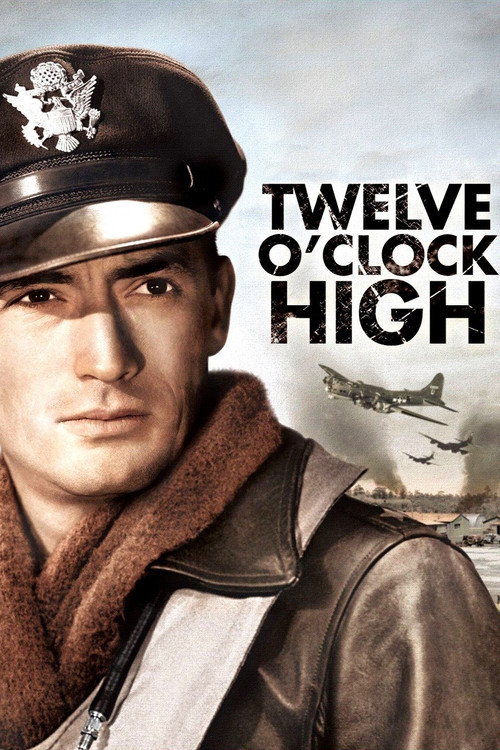
Twelve O'Clock High1949
Another Gregory Peck picture about command under pressure—this time bombing raids over Germany. It shares Pork Chop Hill's interest in how leaders fracture under the weight of ordering men to their deaths, and the moral math that follows.
But The film is more sympathetic to its commanding officer than some viewers will want. The moral ambiguity may feel like dodging rather than facing hard questions.
Come and See1985
A Soviet film about a boy conscripted into WWII. Shares Pork Chop Hill's refusal to mythologize war, depicting combat as mechanized, senseless, and annihilating. Devastating in its particularity.
But Genuinely harrowing. Not a film you watch for pleasure; it's an ordeal by design. Emotionally exhausting and sometimes visually horrific.

Not sure tonight? Get a pick in a minute, starting from Pork Chop Hill
The wildcard
Something you would not have found on your own.
The Battle of Algiers1966
Both films treat warfare as a problem of information, order, and morale rather than heroism. Both show how tactical victory can mean strategic defeat.
Not a war film at all—it's a revolutionary thriller about insurgency and counter-insurgency during Algeria's independence war. But it shares Pork Chop Hill's obsession with command decisions, tactical doctrine, and the mismatch between military strategy and political reality. Shot as documentary realism.
But Explicitly sympathizes with the insurgents rather than the military. If you want the soldier's-eye view of righteousness, this film will argue with you. Also: deliberately ambiguous on who wins.

More like this (8)
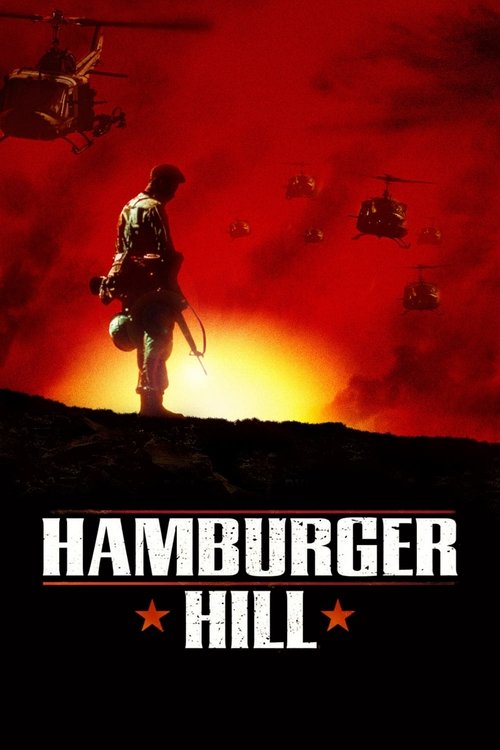
Hamburger Hill1987
Vietnam soldiers fighting for a hill with no strategic value—directly echoes Pork Chop Hill's premise of pointless sacrifice. Fine ensemble cast, strong on the texture of small-unit combat and command confusion.
But Lean on characterization in favor of action sequences. Feels more like a war-movie checklist than something with a distinctive vision.
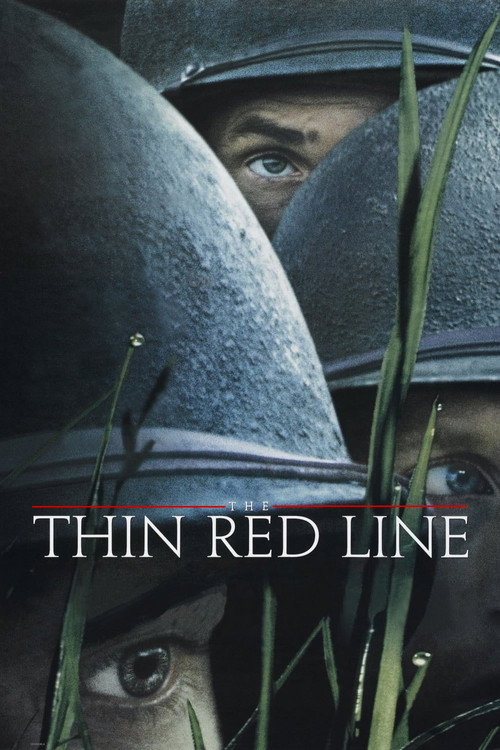
The Thin Red Line1998
Terrence Malick's meditation on combat in the Pacific. Like Pork Chop Hill, it moves between trenches and command posts, asking what war is *for*. Philosophical without being pretentious, philosophical in the way soldiers actually think.
But Deliberately slow and digressive. Some viewers find Malick's poetic approach to violence too removed from the reality it depicts. Long.
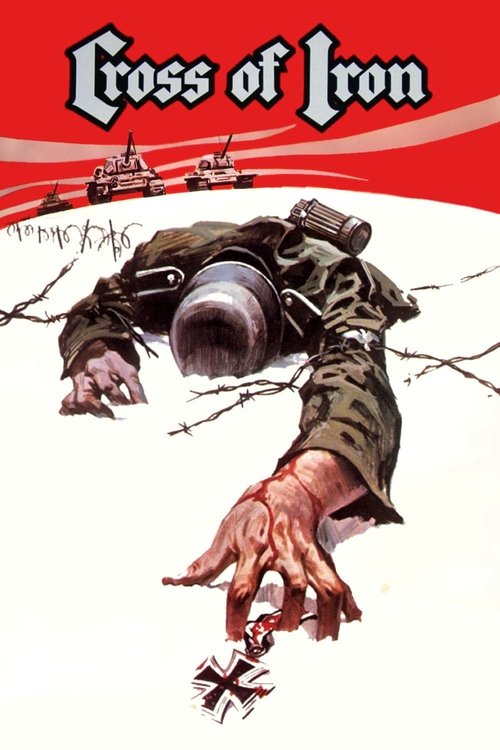
Cross of Iron1977
Sam Peckinpah's WWII film about a German sergeant keeping his men alive. Brutal, unsentimental portrayal of small-unit leadership and the gap between orders and survival. Peckinpah understands the friction Pork Chop Hill examines.
But Violent in ways that feel gratuitous to some. Peckinpah's stylistic flourishes can overwhelm the story's moral weight.
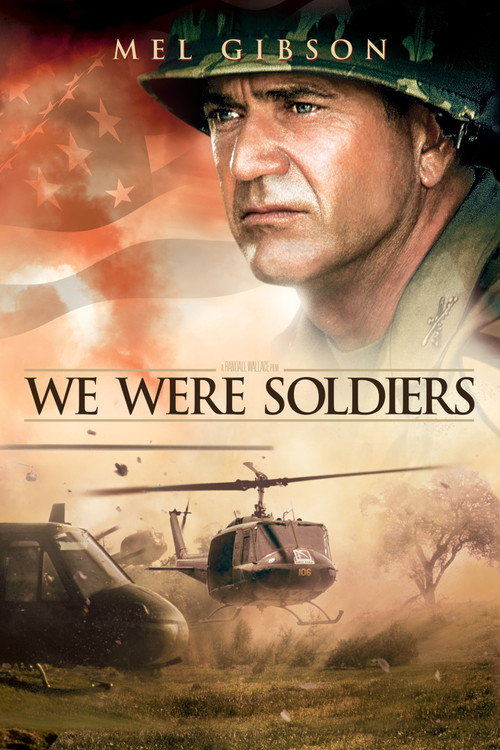
We Were Soldiers2002
Mel Gibson as a colonel in the first major battle of the Vietnam War. Well-made account of a unit's baptism by fire, with particular attention to how orders from above meet reality below. The command-perspective portions parallel Pork Chop Hill's structure.
But Gibson's moral clarity can feel simplistic; the film is more comfortable than Pork Chop Hill is with its own patriotism. Some scenes slip into sentiment.
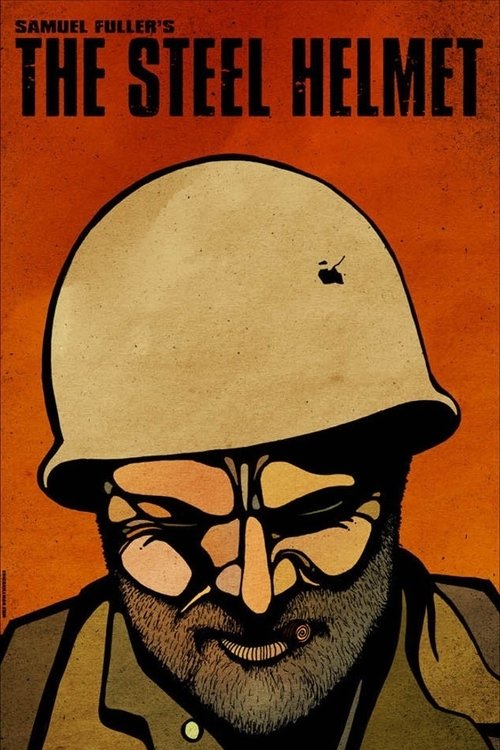
The Steel Helmet1951
Samuel Fuller's Korean War film made while the war was still happening. Raw, immediate account of a small group's survival. Fuller fought in WWII and it shows—this has the texture of lived experience, not reconstruction.
But Low budget and it shows. Some performances are rough and the film occasionally feels more like a war document than a dramatically shaped narrative.
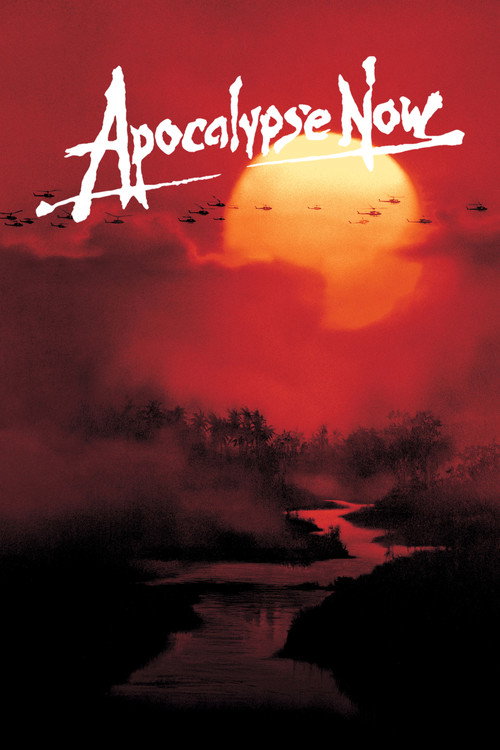
Apocalypse Now1979
A Vietnam War epic that interrogates command structure and military purpose the way Pork Chop Hill does. Mesmerizing even when bewildering. Coppola's ambition and Sheen's exhaustion create something unforgettable.
But Meandering in its final act. Some see it as pretentious or muddled. Requires patience and possibly a second viewing to cohere.
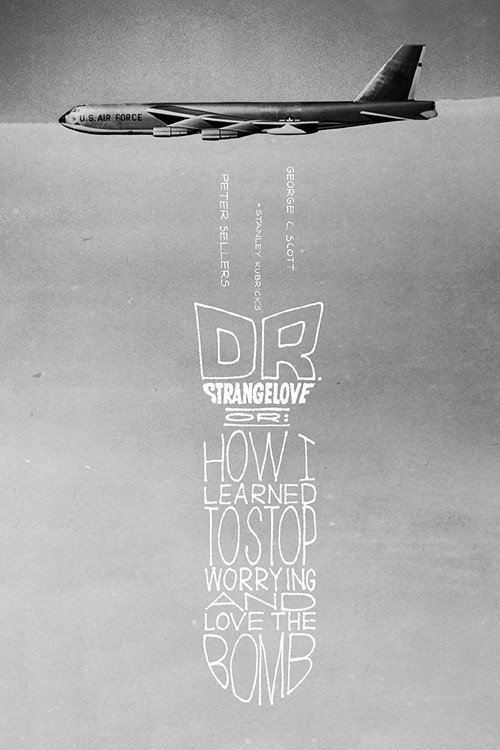
Dr. Strangelove or: How I Learned to Stop Worrying and Love the Bomb1964
Both films argue that military institutions are fundamentally irrational machines. Pork Chop Hill shows it through exhausted realism; Strangelove through comedy. Same critique, opposite tones.
Kubrick's pitch-black satire of military command, nuclear doctrine, and the gap between strategy and sanity. It covers the same ground as Pork Chop Hill—command decisions made in isolation, the machinery of war grinding forward regardless—but from the war room instead of the hill.
But Comedy about potential nuclear apocalypse. If you prefer war films to take themselves seriously, the constant jokes will feel glib. The absurdism can read as evasion.
Winter Light1963
Both films examine what it means to give orders when you no longer believe in the cause. Both show leadership as a performance you cannot stop, even when the performance has become obscene.
Bergman's meditation on faith, doubt, and the paralysis of command. A pastor struggles to lead his small congregation as his own belief drains away. Not about war, but structurally identical to Pork Chop Hill: a leader must order men forward while privately certain the cause is hollow. Swedish, austere, morally severe.
But A chamber piece about religious crisis in a frozen landscape. No action, no plot momentum, no catharsis. Demands the viewer sit with despair. Feels slight unless you meet it where it stands.

People
Cast
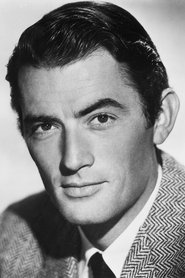 Gregory PeckLt. Joe Clemons
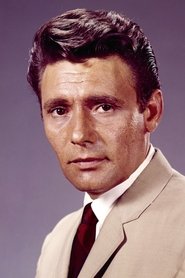 Harry GuardinoPFC. Forstman
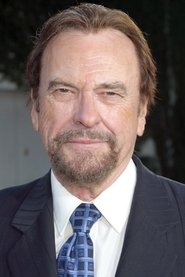 Rip TornLt. Walter Russell
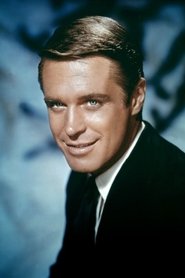 George PeppardCpl. Chuck Fedderson
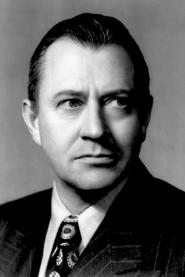 Carl Benton ReidAmerican Admiral
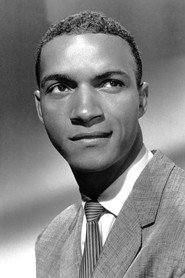 James EdwardsCpl. Jurgens
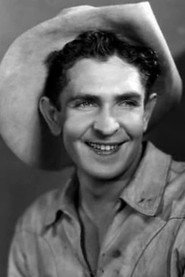 Bob SteeleCol. Kern
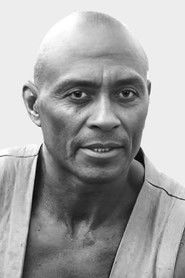 Woody StrodePvt. Franklen
- George ShibataLt. Suki Ohashi
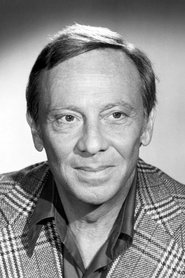 Norman FellS/Sgt. Coleman
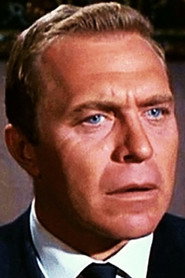 Lew GalloDPR Lieutenant
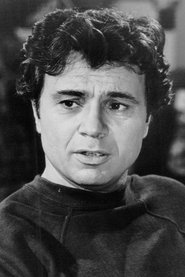 Robert BlakePvt. Velie
Directing
- John D. BlossAssistant Director
- Ray Gosnell Jr.Assistant Director
- Lewis MilestoneDirector
- John FrancoScript Supervisor
- Nate WattSecond Unit Director
Writing
- S. L. A. MarshallBook
- James R. WebbScreenplay
Production
- Lynn StalmasterCasting
- Gregory PeckExecutive Producer
- Carl BenoitLocation Manager
- Sy BartlettProducer
- Tom AndreProduction Manager
Recommended by
Story of G.I. Joe, The Bridges at Toko-Ri, Sands of Iwo Jima, The Winter War, The Steel Helmet, Fires on the Plain, Fixed Bayonets!, Storm Fear, Breakthrough, Men in War, The Journey, The Great Locomotive Chase, Halls of Montezuma, Combat!