
Film
Storm Fear
A wounded fugitive forces his way into his brother's mountain home during a blizzard, turning a family's sanctuary into a pressure cooker of fear and desperation. Storm Fear is a taut, character-driven thriller that traps you in close quarters with mounting paranoia. Its power lies not in action but in the slow erosion of civility when survival instinct takes over.
Should you watch it?
Watch it if you like tight, sweaty chamber thrillers where a family's ordinary rooms turn into a pressure cooker and the menace is quiet, personal and close enough to touch.
Skip it if you need a fast, plot-driven heist or a sprawling canvas; this is a small, claustrophobic film that stays in one house and builds its tension slowly, almost entirely through people.
What it asks of you: About ninety minutes of steady, low-key attention, with the mood growing thicker rather than the action getting louder, and little relief from its cramped, uneasy atmosphere.
Not sure? Find tonight's pick in a minute.
If you liked this
The Killers1946
Siodmak's masterpiece about a doomed criminal and the cop who pursues him across America. Shares Storm Fear's fascination with the criminal psyche and the inevitability of reckoning—but with more style and Ava Gardner.
But The noir romanticism and stunning visuals can feel dated to modern eyes; some patience required for the pacing.

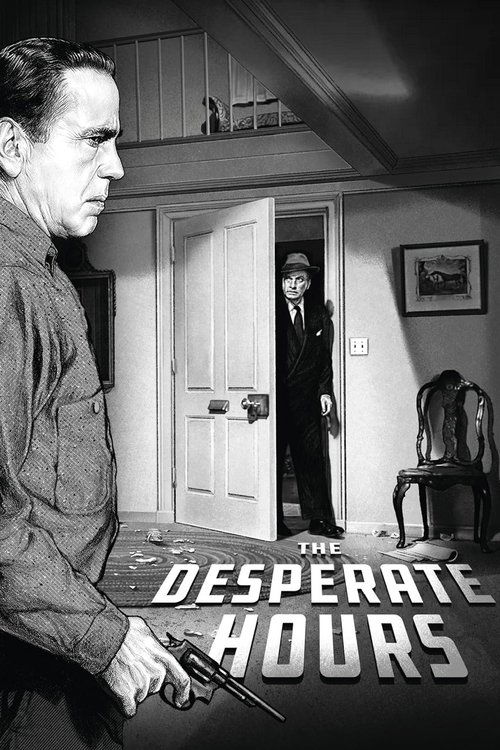
The Desperate Hours1955
A home-invasion thriller with Humphrey Bogart as a career criminal holding a family hostage. The same claustrophobic tension and moral complexity, but with bigger stars and a tighter narrative engine.
But Bogart dominates so completely that the family members feel secondary; the domestic drama gets swallowed by star power.
In a Lonely Place1950
Bogart again, this time as a volatile man everyone suspects of murder. Both films explore how suspicion and fear corrode relationships and turn homes into battlegrounds of doubt.
But It's more psychological and less thrilling than a crime picture—some find it slow, and the ending divides audiences sharply.

Not sure tonight? Get a pick in a minute, starting from Storm Fear
The wildcard
Something you would not have found on your own.
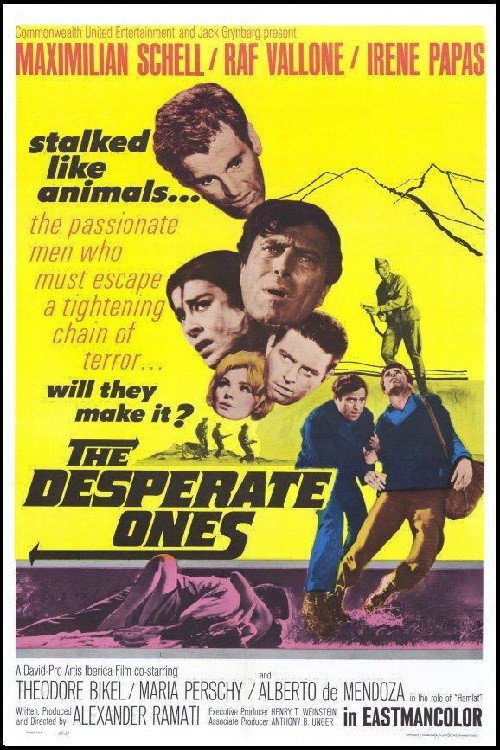
The Desperate Ones1967
Both trap the audience in confined spaces with strangers, watching civility crack under duress. Both explore the question: how much of morality survives when fear takes over? The Desperate Ones just believes the answer is far worse.
A pair of fugitives hijack a car on a mountain road, and the driver—a young man with his own secrets—becomes entangled in their flight. It's Storm Fear's DNA transplanted into the late 60s: same claustrophobia, same moral quicksand, but with a darker, colder register and a European bleakness that makes the earlier film look almost generous.
But It's obscure, grim, and sometimes glacial; the 60s European art-house sensibility will feel punishing to some, and it has none of the propulsive narrative drive of a conventional thriller.
More like this (8)
Rififi1955
A French heist thriller with exquisite craft and zero dialogue in its famous robbery sequence. Released the same year as Storm Fear, it proves criminals were more interesting than shoot-outs.
But The subtitles and deliberate pacing feel like work; the crime is polished where Storm Fear is raw.

The Killing1956
Kubrick's debut about a racetrack heist and its catastrophic unraveling. Shares the inevitability of doom and the way crime attracts broken people to each other.
But The narrative jumps around in time, which can feel needlessly complicated on first viewing.

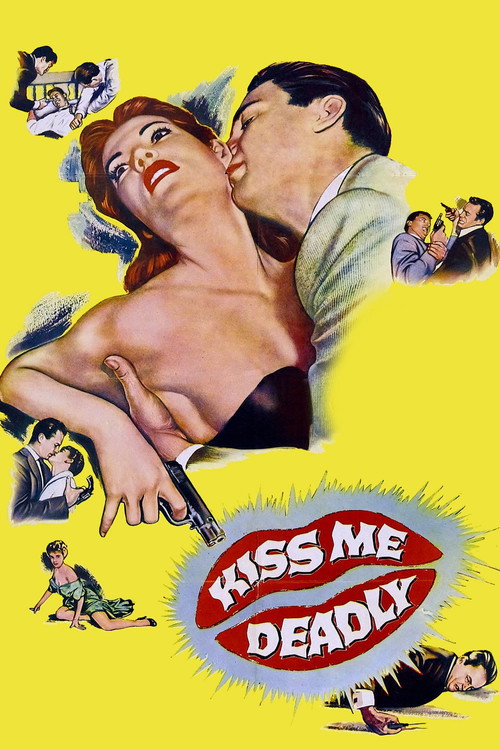
Kiss Me Deadly1955
Aldrich's ultra-violent answer to Chandler. That same year again—1955 was obsessed with criminals and consequence. Pure, ugly energy where Storm Fear is tense and controlled.
But It's savage and morally ambiguous; if you want heroes, you're in the wrong picture. Some find it gratuitous.
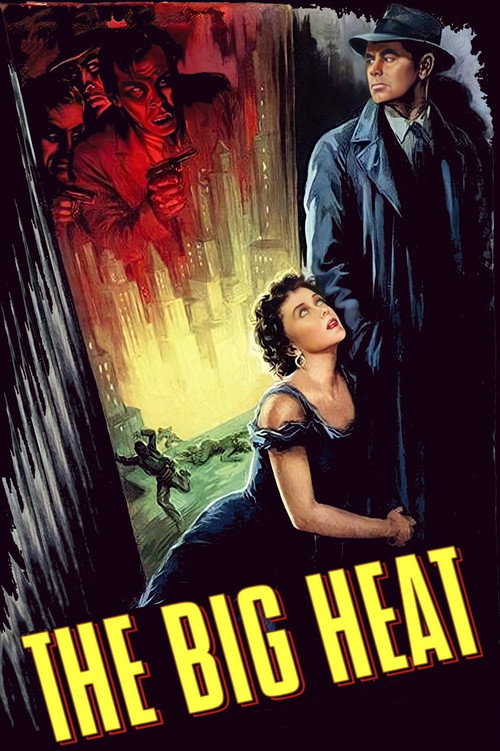
The Big Heat1953
Fritz Lang's revenge picture: a cop's world destroyed by crime, dragging him into darkness. The same logic—one criminal act spirals outward, corrupting everyone it touches.
But The violence can feel punitive, and the plot turns on implausible coincidence more than once.
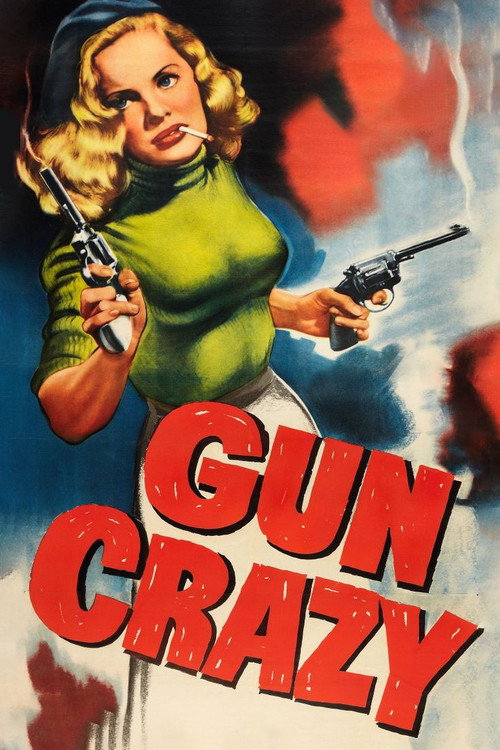
Gun Crazy1950
A pair of doomed lovers on the run, robbing banks. The poetry of desperation and the way crime becomes an intimate act between two people who have nowhere else to go.
But The romantic idealization of criminality feels naive now; it's dated in its sentimentality in ways Storm Fear manages to avoid.
The Asphalt Jungle1950
Huston's heist blueprint: criminals as a broken ensemble, each one haunted by something. The granddaddy of every crime picture about men trapped by circumstance.
But It's episodic and slow-burn; multiple storylines means no single arc grabs you by the throat.

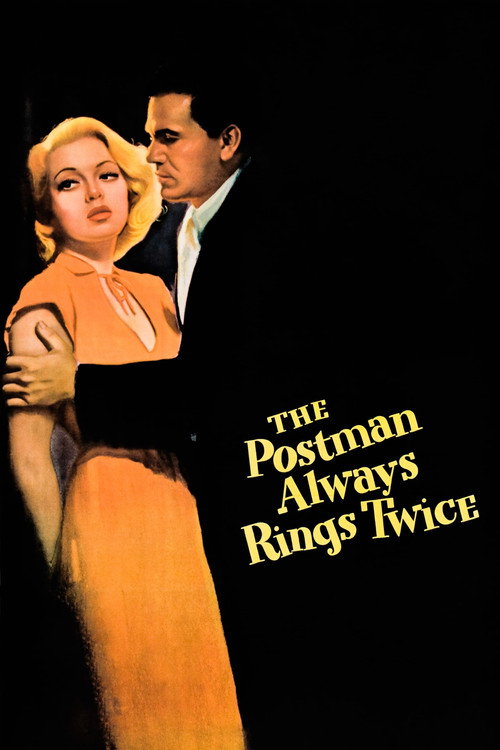
The Postman Always Rings Twice1946
Both are about moral collapse triggered by a criminal in the house—but here the criminal is desire itself, and the family's destruction comes from within. Same thermometer, different fever.
Garfield and Turner as a drifter and a woman trapped in a loveless marriage, conspiring toward murder. Instead of a criminal on the run, here the crime is the central seduction—the way two people can rationalize each other into darkness.
But Heavily censored by the Production Code, it feels restrained compared to Cain's novel. The eroticism is implied and dated; some modern viewers find it coy rather than tense.
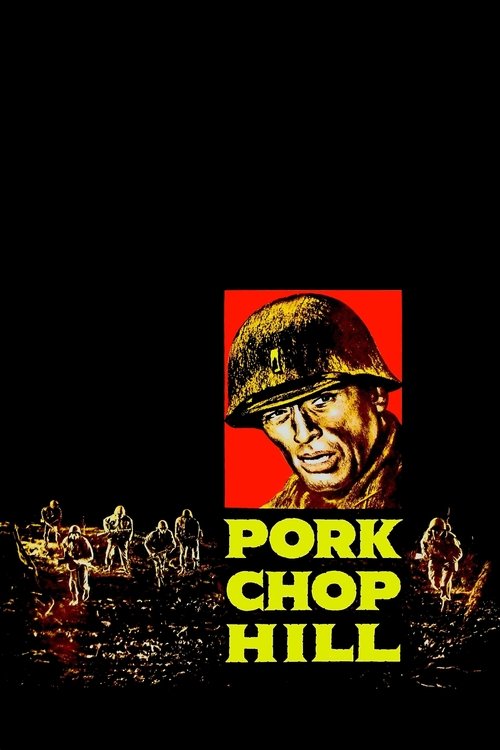
Pork Chop Hill1959
Both examine morality under pressure without a clear moral center. Both treat their confined spaces as psychological traps. Pork Chop Hill extends the same logic to combat: fear doesn't just corrupt individuals, it corrupts entire structures.
Gregory Peck leads a platoon in a pointless Korean War battle. Not a crime picture—a war picture—but structured identically to Storm Fear: men trapped in a fixed location, running out of time and resources, watching each other's desperation turn ugly. Relentless and humanist.
But It's a war film, so if you're looking for noir psychology you'll find doctrine and duty instead. The ending privileges sacrifice over cynicism in ways Storm Fear deliberately resists.
People
Cast
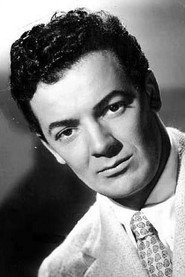 Cornel WildeCharlie
 Jean WallaceElizabeth
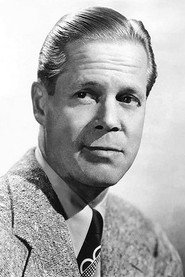 Dan DuryeaFred
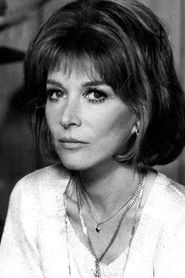 Lee GrantEdna
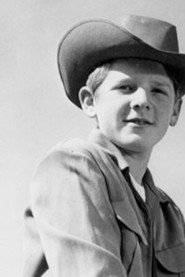 David StolleryDavid
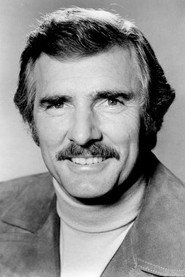 Dennis WeaverHank
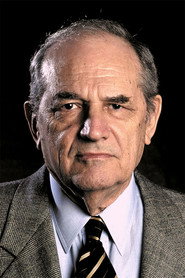 Steven HillBenjie
Directing
- Cornel WildeDirector
Writing
- Clinton SeeleyNovel
- Horton FooteWriter
Production
- Cornel WildeProducer