
Film
The Steel Helmet
Samuel Fuller's raw, intimate Korean War film follows a battle-scarred sergeant and his ad-hoc unit defending a Buddhist temple. Made on a shoestring in 1951, it feels urgent and unglamorous—more interested in grunt-level survival than heroics. A foundational war film that influenced everything since.
Should you watch it?
Watch it if you like lean, scrappy war pictures where a small band of grumbling men is more interesting than the battle, and a 1951 budget only sharpens the grit.
Skip it if you need polished modern battle spectacle or a steady stream of big set pieces, since this one is cramped, talky in stretches, and built on sweat rather than scale.
What it asks of you: Under ninety minutes and mostly confined to one bruised location, it asks you to sit with the dialogue and the squabbling more than to chase action.
Not sure? Find tonight's pick in a minute.
If you liked this
Come and See1985
Elem Klimov's harrowing Soviet war film follows a young partisan through the destruction of Belarus. Like Fuller, it strips away romantic notions of combat to show war's actual moral and physical devastation.
But Intensely bleak and graphic. The film doesn't offer comfort or resolution—it's an endurance test that demands emotional stamina.

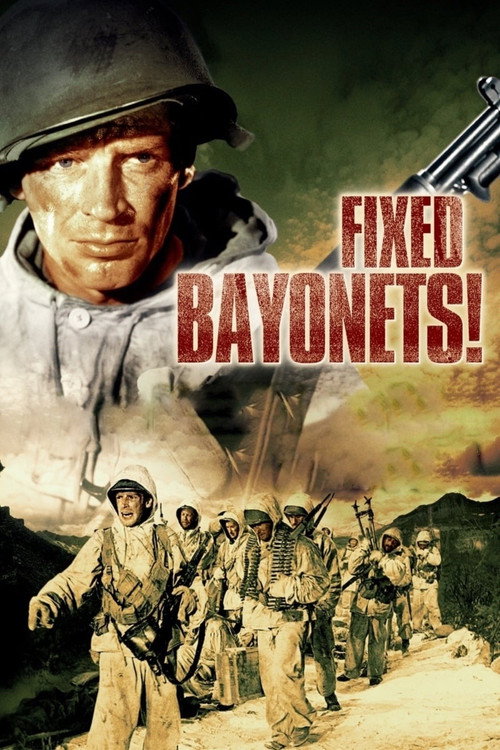
Fixed Bayonets!1951
Also directed by Fuller, made the same year. Another Korean War unit film, tighter and more claustrophobic, with the same unflinching eye for how men actually behave under fire.
But The pacing is deliberate to the point of slow. If you need constant action beats, this will feel like a waiting room.
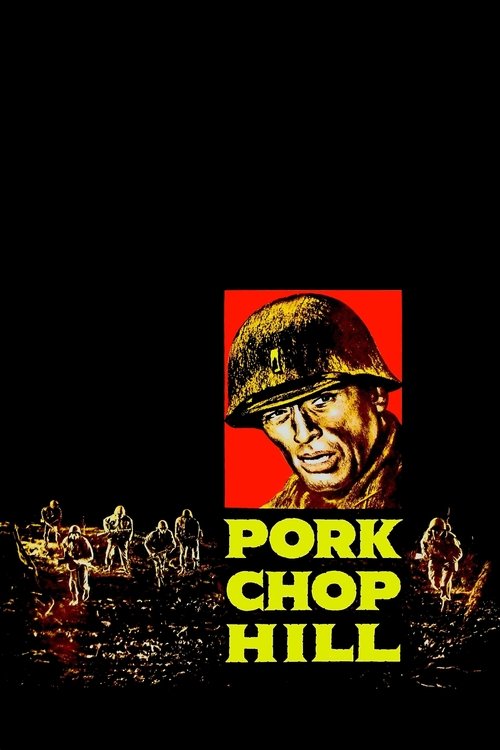
Pork Chop Hill1959
Lewis Milestone's Korean War film centers on a pointless battle for a worthless position. Captures the same sense of grinding futility—men dying for objectives that have no real strategic value.
But Episodic structure means it can feel repetitive. Also, the final act softens some of the moral ambiguity the earlier scenes build.
Not sure tonight? Get a pick in a minute, starting from The Steel Helmet
The wildcard
Something you would not have found on your own.
The Ascent1977
Both films use ensemble dynamics to explore how men hold or lose their humanity under extremity. Neither needs spectacle to matter.
Andrei Rublov's student and collaborator Larisa Shepitko made this stark, philosophical Soviet film about two partisans in WWII. Spiritual and austere, it treats war as a test of faith rather than politics or tactics.
But Black and white, very slow, entirely concerned with internal moral struggle rather than action. Feels like watching someone pray, which some find profound and others find static.

More like this (7)
The Killing1956
Kubrick's debut is a heist film, but structurally it's similar: Fuller-influenced, low-budget, fragmented narrative told through multiple perspectives, every scene purposeful.
But The plot circles back on itself repeatedly. Some find the fractured chronology clever; others find it annoying.

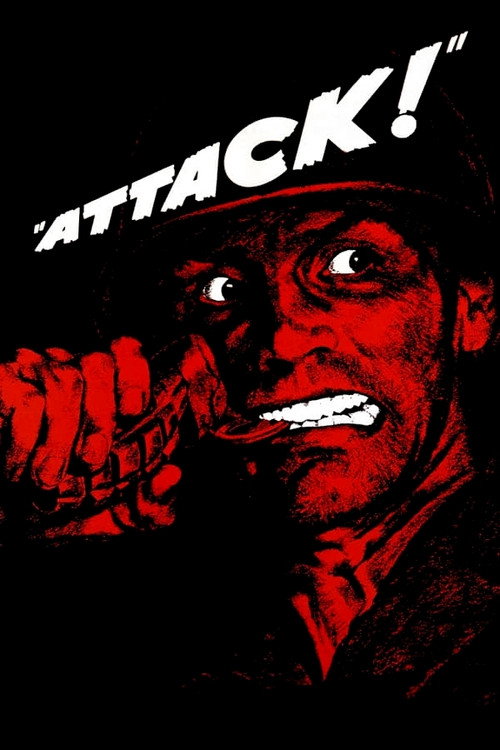
Attack1956
Robert Aldrich's WWII film about a cowardly officer sending men to die. Like Steel Helmet, it's interested in the fractures within units—how fear and hierarchy create moral crises.
But The climax is suddenly violent in a way that can feel tacked on. The film earns the moment but doesn't dwell in it comfortably.
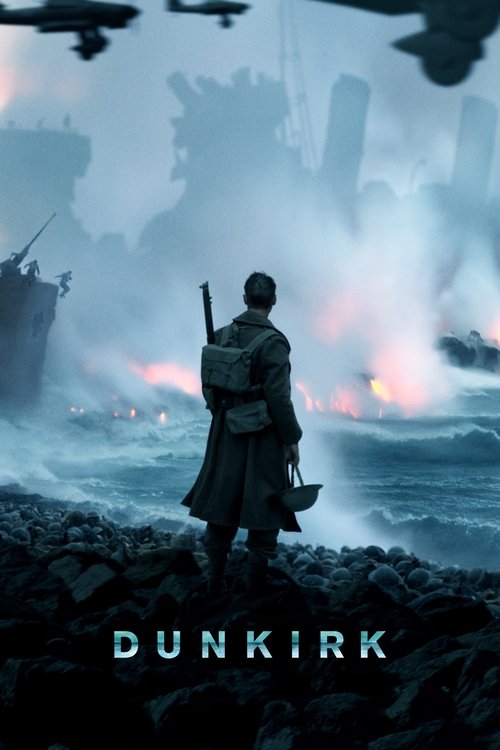
Dunkirk2017
Nolan's film captures that same claustrophobic, time-pressured survival logic—soldiers with nowhere to go, making impossible choices. Fuller's DNA is visible here.
But The narrative gimmick of three overlapping timelines can be confusing. Some viewers find it distracting rather than involving.
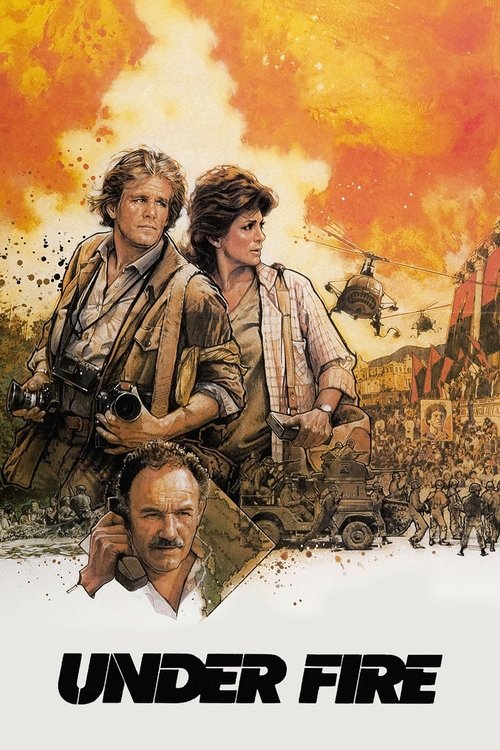
Under Fire1983
Roger Spottiswoode's film about war correspondents in Nicaragua has Fuller's sense of moral ambiguity—journalists caught between ideology and humanity, trying to witness truth.
But More interested in political complexity than action. If you want a war film with clear sides, this will frustrate you.
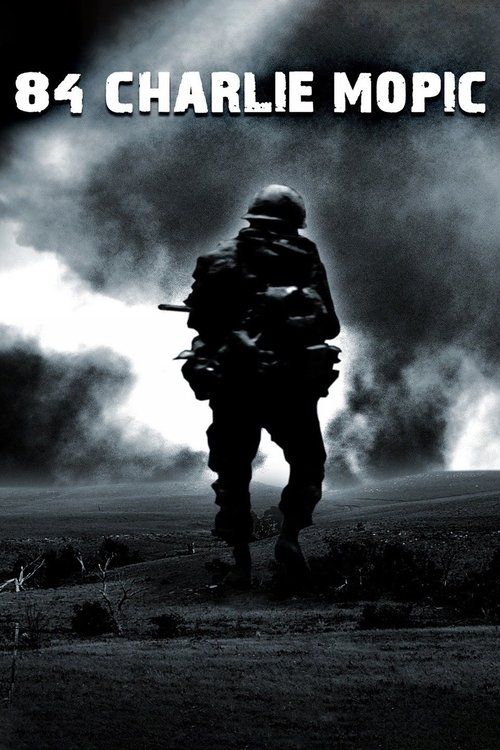
84 Charlie Mopic1989
A tiny Vietnam War film about a six-man reconnaissance patrol. Low-budget, intimate, focused on how small units actually operate and communicate under stress.
But Genuinely obscure and hard to find. The production values are thin, and not everyone's patience extends that far for authenticity.
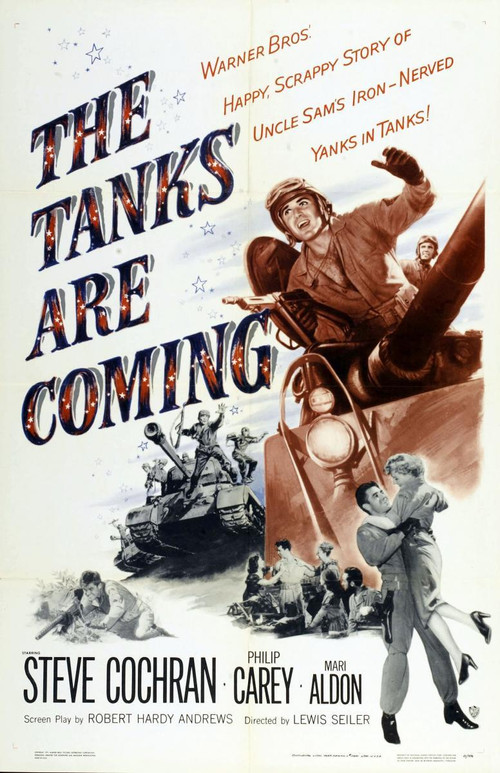
The Tanks Are Coming1951
Another 1951 Korean War film, made quickly and cheaply like Steel Helmet. Offers the era's different take on similar material—what other studios and directors were doing with the same constraints.
But Considerably rougher than Steel Helmet. The acting is uneven and the script less assured. Historical interest only for most viewers.
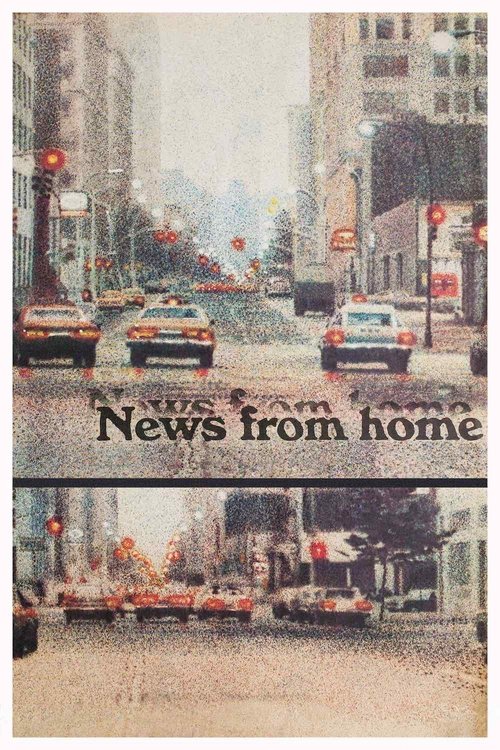
News from Home1976
Steel Helmet is about men waiting to die or survive in a place they didn't choose. Akerman's film is about the same spiritual condition—isolation, the mechanical repetition of living, the weight of distance from home.
Chantal Akerman's experimental film pairs her mother's letters (read on the soundtrack) with silent footage of New York streets and strangers. No connection to war, but profoundly connected to the loneliness of being trapped: the ache of separation, the way survival becomes mechanical.
But This is not a conventional film—there is no plot, dialogue, or narrative arc. If you need a story to follow, this will seem like endurance rather than cinema.
People
Cast
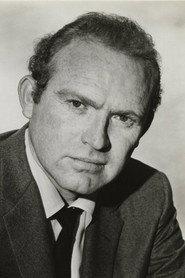 Gene EvansSergeant Zack
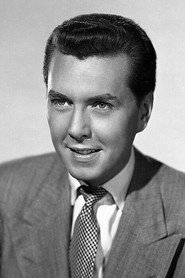 Robert HuttonPrivate Bronte
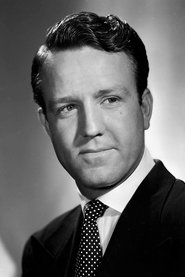 Steve BrodieLieutenant Driscoll
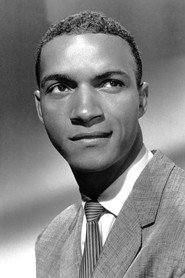 James EdwardsCorporal Thompson
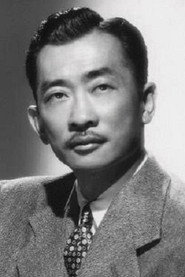 Richard LooSergeant Tanaka
 Sid MeltonJoe
- Richard MonahanPrivate Baldy
- William ChunShort Round
- Harold FongThe Red
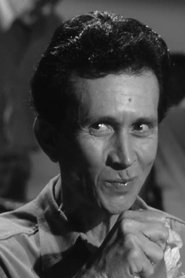 Neyle MorrowFirst GI
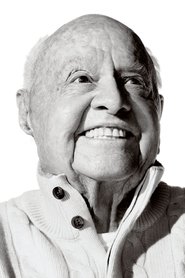 Lynn StalmasterSecond Lieutenant
Directing
- John Francis MurphyAssistant Director
- Samuel FullerDirector
Writing
- Samuel FullerWriter
Production
- Murray LernerAssociate Producer
- Robert L. LippertProducer
- Samuel FullerProducer
- William BerkeProducer
Recommended by
Guadalcanal Diary, The Big Red One, Sahara, Pork Chop Hill, A Walk in the Sun, Attack, Wake Island, The Lost Patrol, Breakthrough, Men in War, Flying Tigers, Aerial Gunner, Halls of Montezuma